
 Impact
 Initiatives
 Dashboard
 Alliances

 Impact
 Initiatives
 Dashboard
 Alliances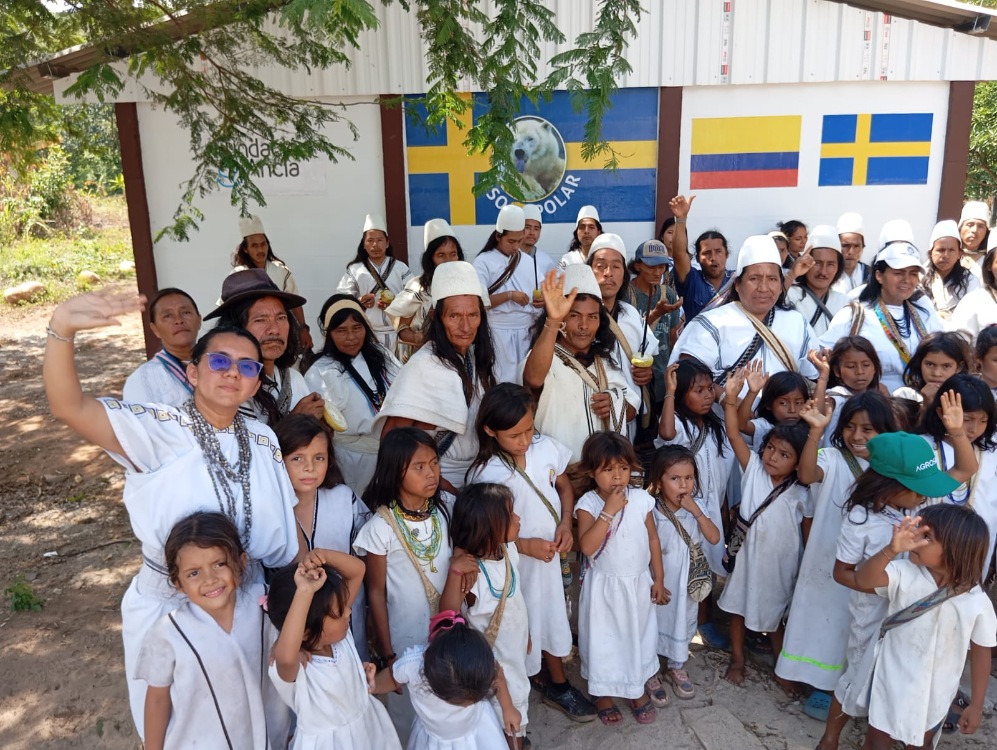

 Technological
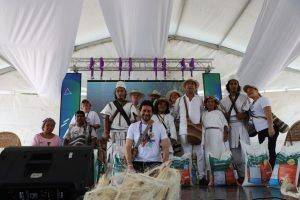
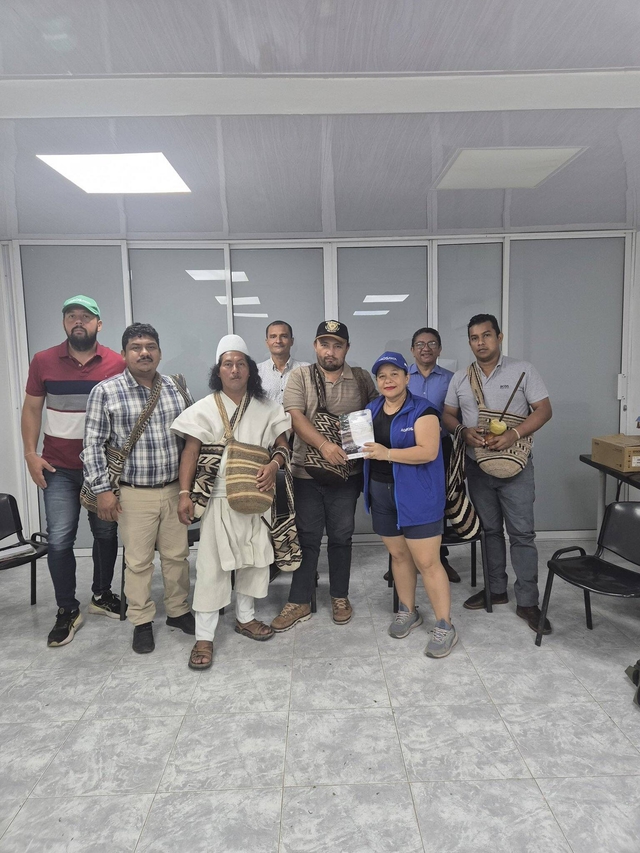
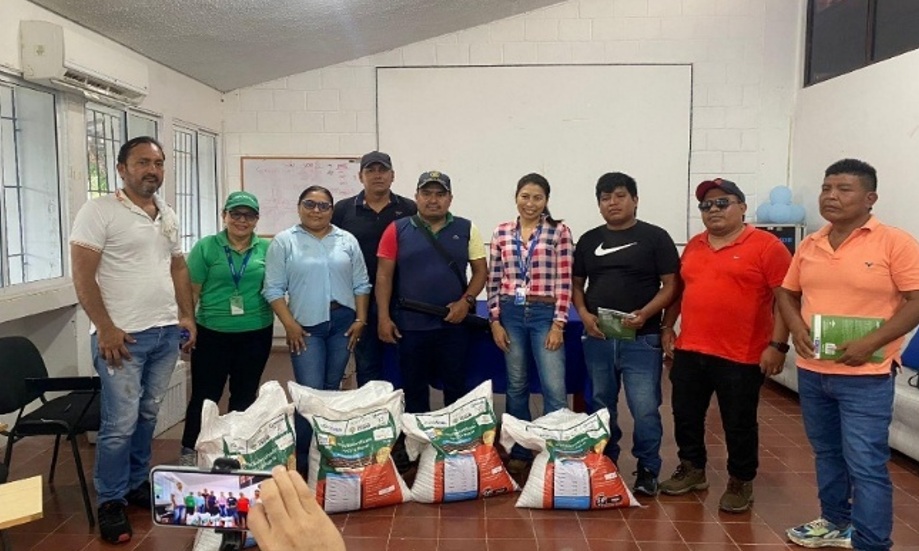
The Motilonia Research Center, in collaboration with the Arhuaco communities of Ikarwa, Umuriwa, and Sabana Crespo, delivered printed copies in the Arhuaco language of the booklet titled: "Azi kinki kawi wazwenno kunsamu nunaba ta ichu Ziti jwasi zweykwa nundi Iku’se nunaba ta," which will be used as a teaching document for primary and secondary education in these communities thanks to the AGRILAC Resilient Cesar initiative and the obtaining bean varieties-KOLFACI project.
After a year and a half of work, the launch of the didactic booklet on biofortified beans for the Arhuaco community was celebrated. This represents an important achievement in the collaboration between the Motilonia Research Center and community agents, such as ASOANEI. This educational material documents and celebrates the process of introduction, harmonization, acceptance, baptism, and dissemination of this bean variety within the community.
Notably, this initiative includes versions in multiple languages (Spanish, Portuguese, French, and English), in addition to the original Arhuaco language version. This reflects a commitment not only to the preservation and respect for indigenous language and culture but also to the international dissemination of knowledge.
Moreover, the inclusion of this booklet in the AGROSAVIA Alliances collection, which already has five similarly translated publications, shows a continuous effort to reduce inequity in access to educational materials in areas with limited internet connectivity, ensuring that these communities have access to vital educational resources.
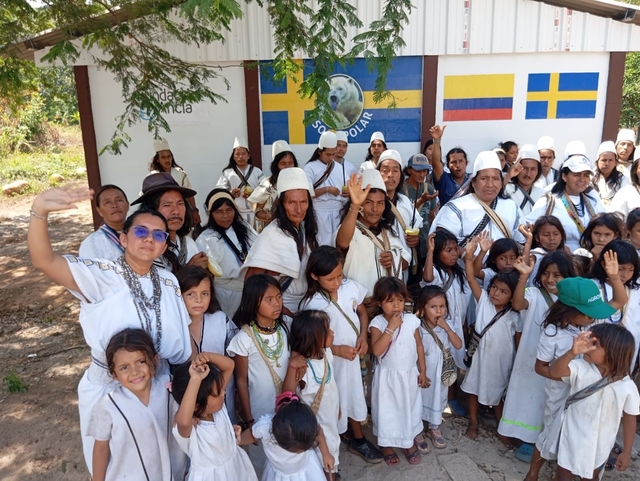
Adriana Tofiño, a researcher at the Motilonia Research Center who led this initiative, stated: “It has been a completely collaborative process. It is important to highlight that we articulated the physical delivery of the booklet in the Arhuaco language with the delivery of the new facilities of the Geygekun school in better conditions provided by the ANCLA foundation. We coordinated actors so that these young Arhuacos maintain all the guidelines as guardians of the heart of the world.”
The booklet titled: "Azi kinki kawi wazwenno kunsamu nunaba ta ichu Ziti jwasi zweykwa nundi Iku’se nunaba ta" or "Description of the ancestral processes for the recognition by the Arhuaco people of the biofortified AGROSAVIA Red 43 bean" will be used as an educational text by the Arhuaco children. It is important to note that the booklet is linked to the Young Rural program that AGROSAVIA also works with.
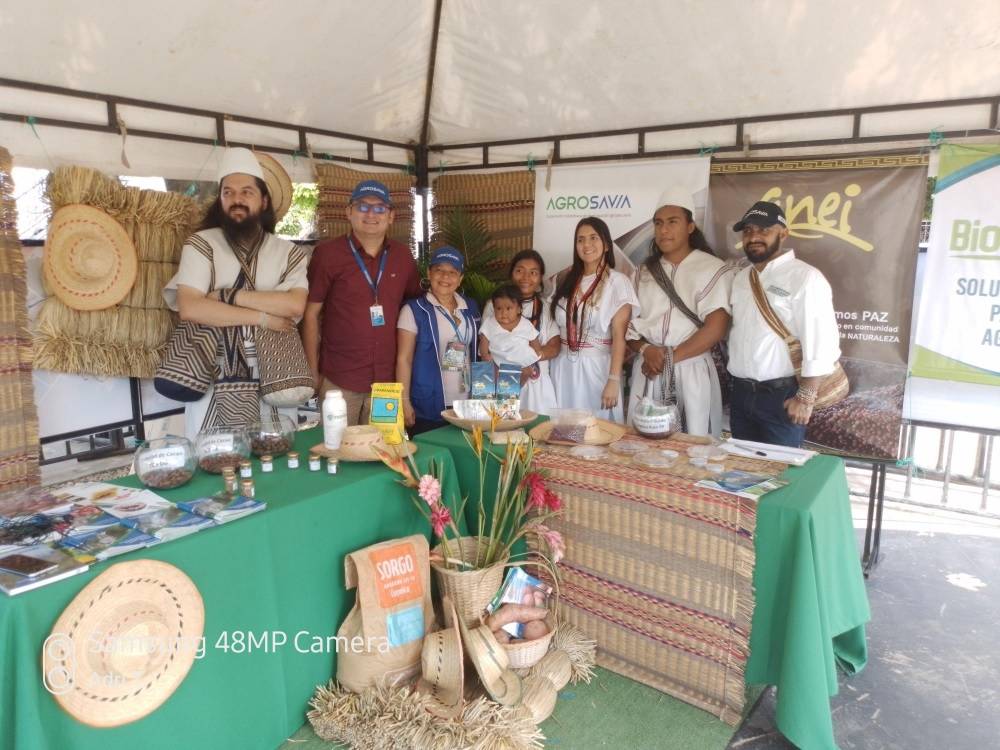
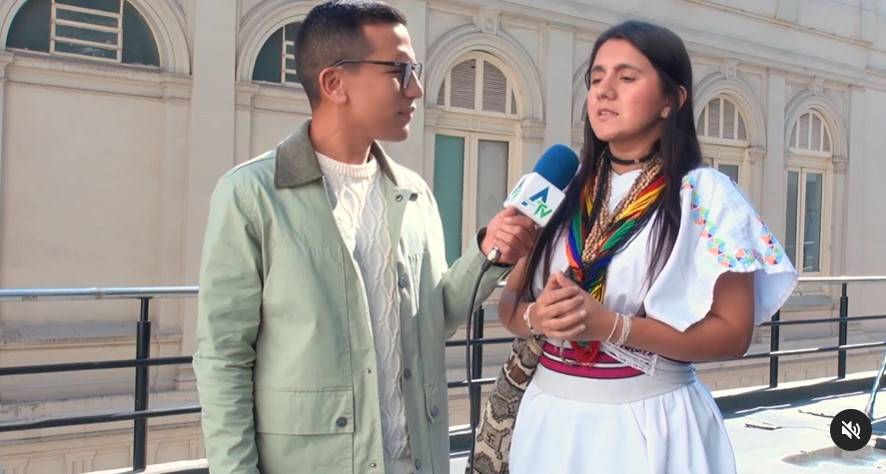
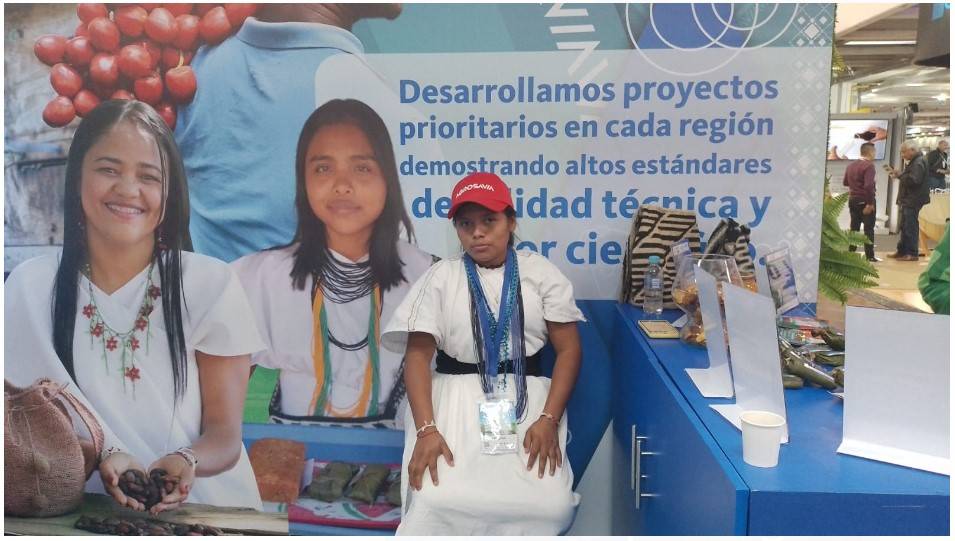
Aurora Izquierdo, founder of ASOANEI, assured: “Arhuaco women are called to cool the planet.” This premise will be achieved by disseminating Arhuaco thought across the planet. The Arhuaco people inhabit the Sierra Nevada de Santa Marta and self-identify as guardians of the heart of the world because they protect the harmony between the spiritual and material worlds, thanks to the profound respect they hold for nature in all its forms, both animate and inanimate, as for them, everything has spiritual parents, including rivers, rocks, and trees.
Accordingly, they maintain a balance between production and conservation in all their life practices. This way of thinking is becoming increasingly important in the context of global environmental devastation. In this regard, the bean is a species of material and immaterial value for the Arhuaco people, representing women, and becomes the articulator of the thought of this ancestral people, which is materialized in a booklet. This document recounts the process by which this ethnicity harmonizes, accepts, and baptizes the seeds of biofortified AGROSAVIA Red 43 beans, making them part of their heritage to live harmoniously in the Sierra Nevada, complementing the native species on which their diet relies.
This document was developed collaboratively with Arhuaco ethnic teachers and is published online in the five mentioned languages (Arhuaco, Spanish, Portuguese, French, and English) to promote the Arhuaco-ization of the planet. According to Román Torres, an ethnic teacher at the Geygekun school, this text will facilitate the learning of writing in the language for the "IKU" or Arhuaco children. “Children must have all the necessary tools to absorb knowledge, both ancestral and technical. It is our task to help this happen to maintain our traditions and integrate them with new knowledge,” Román added.
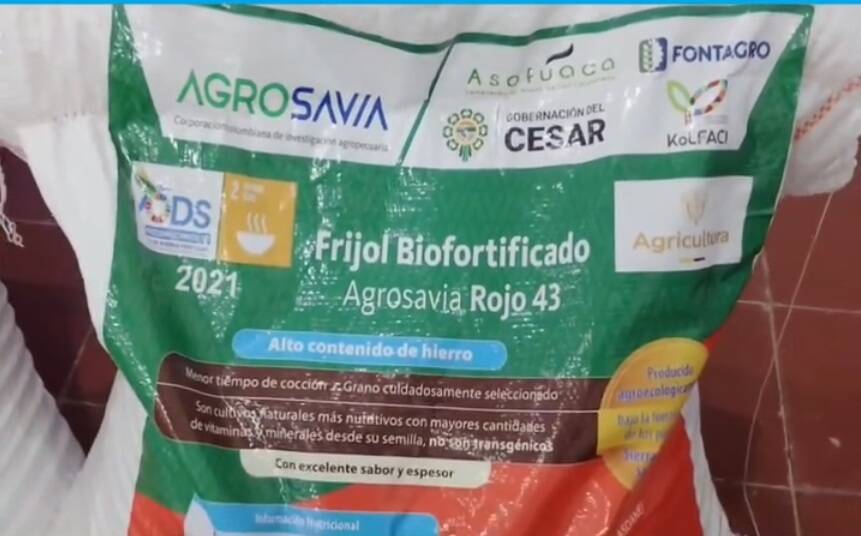
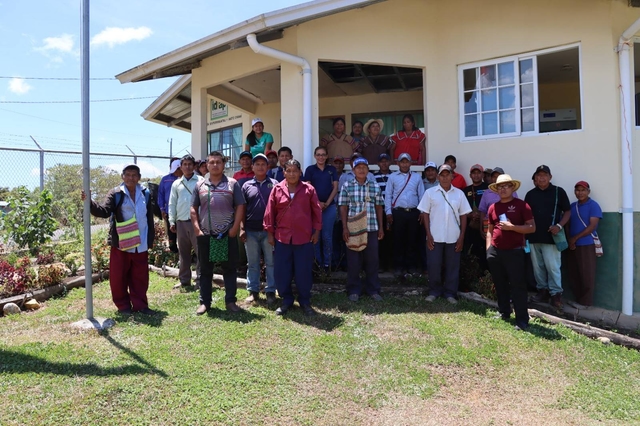
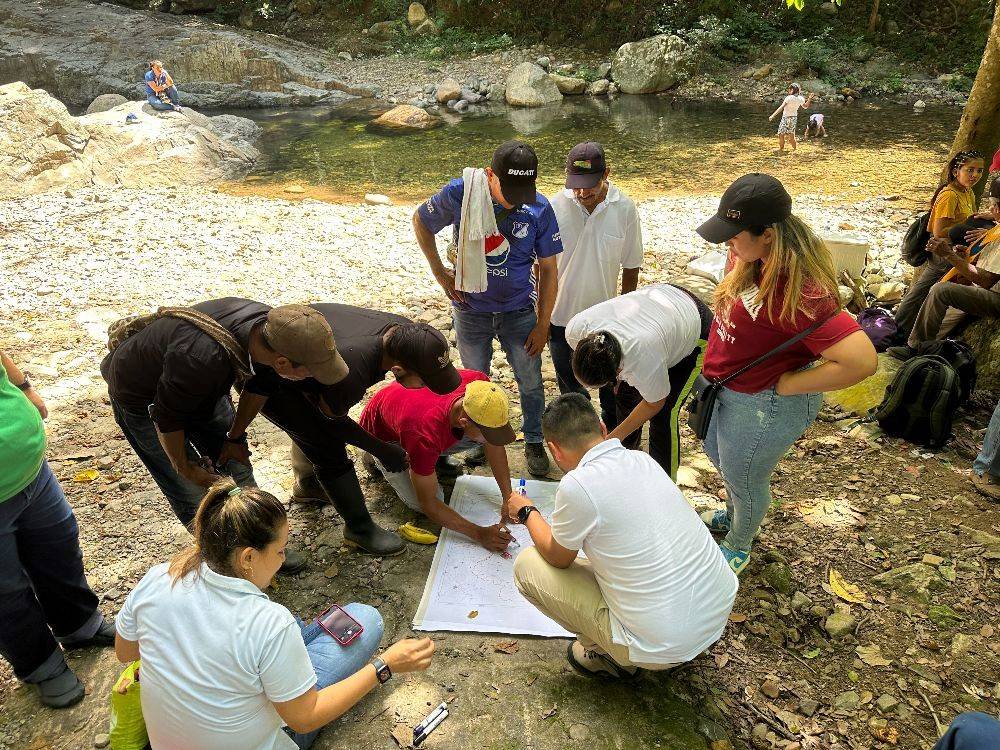
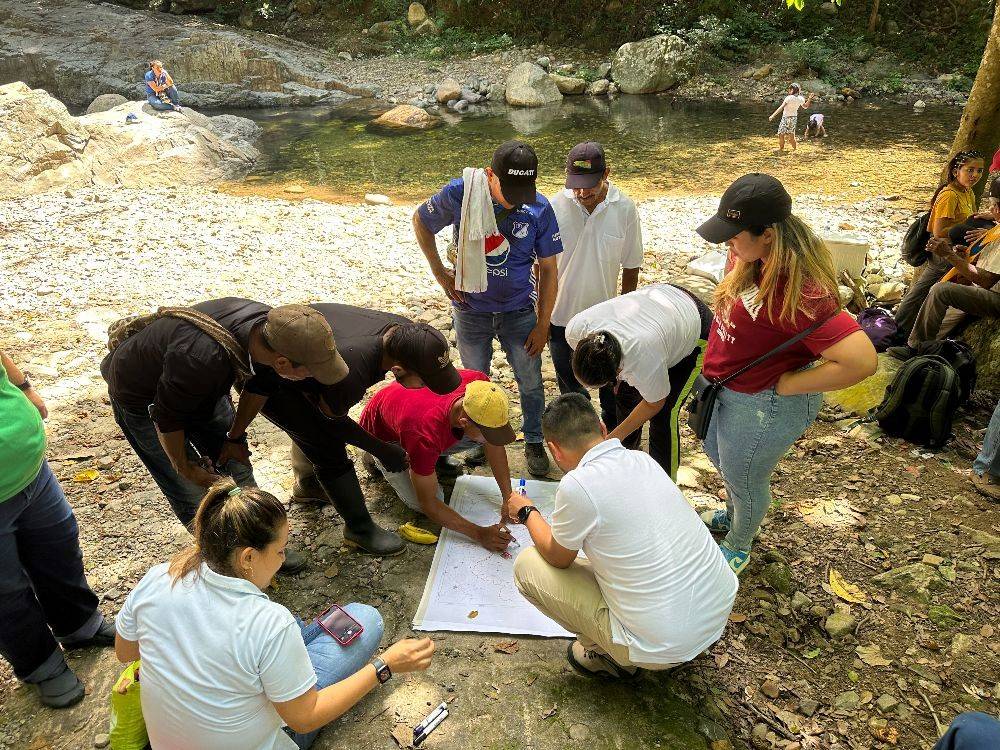
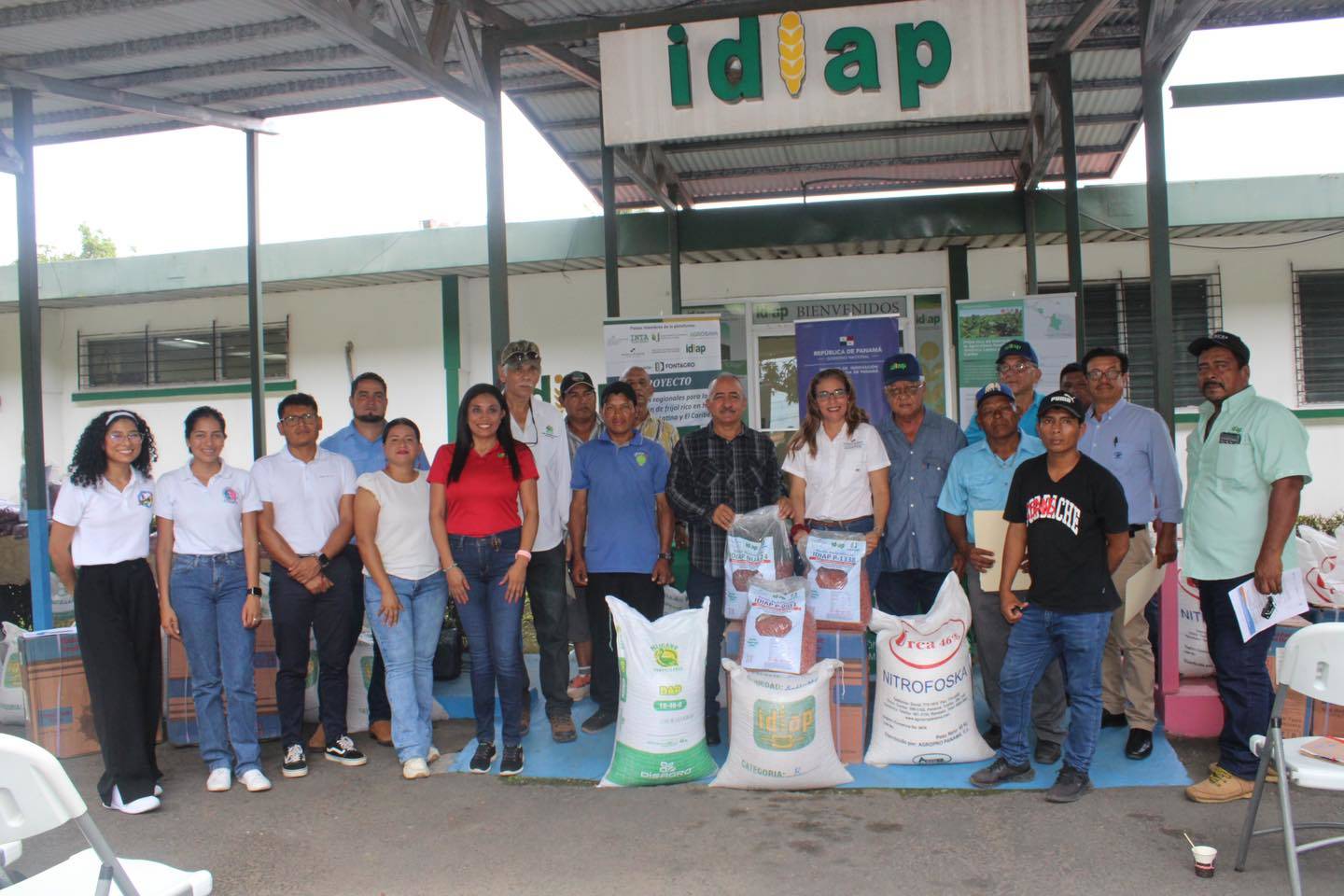
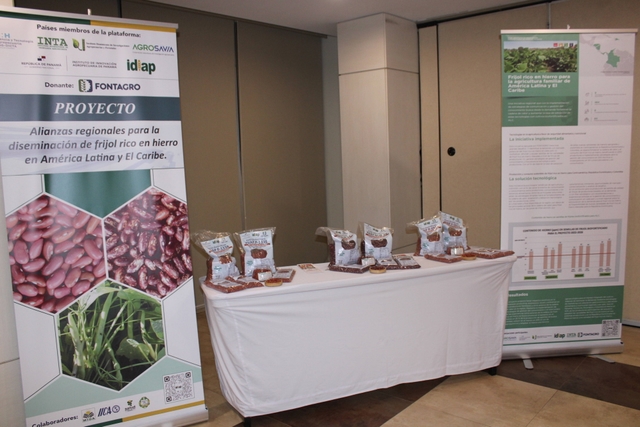
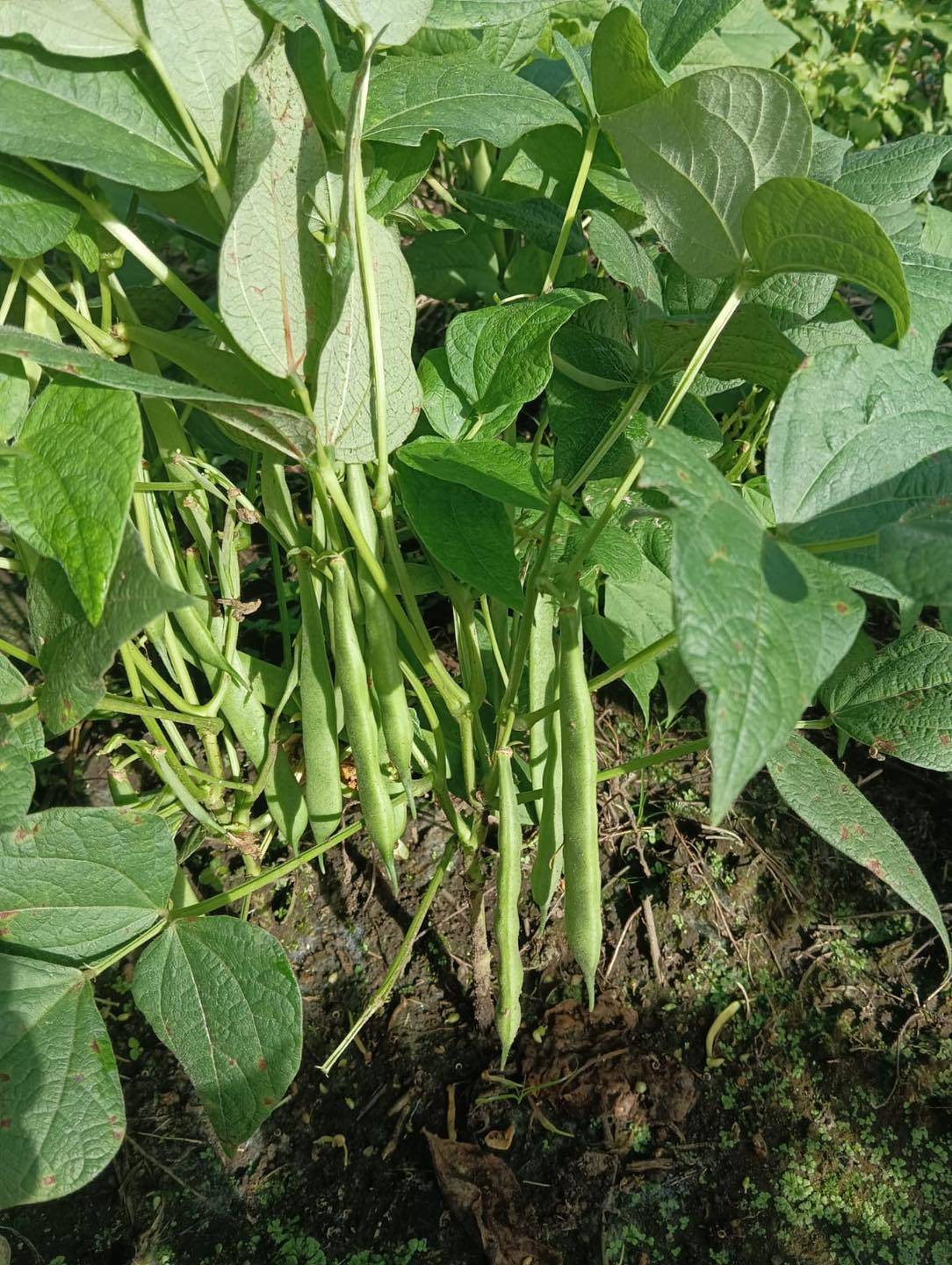
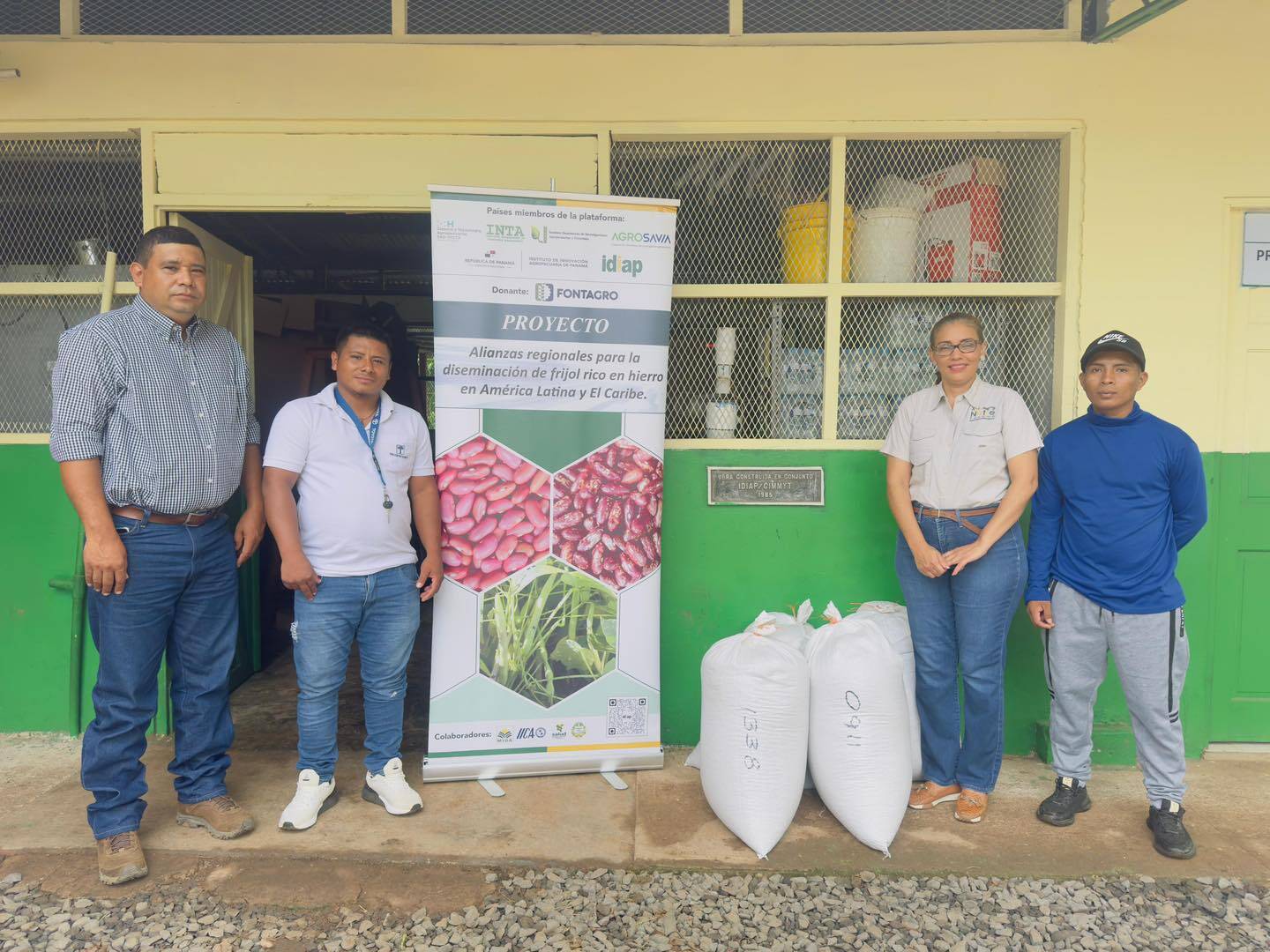
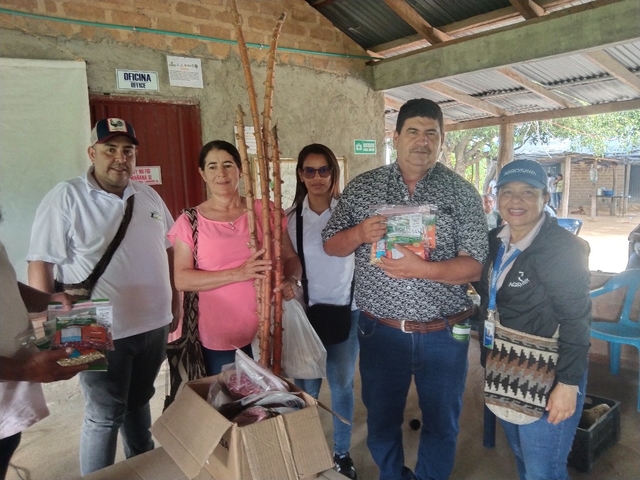
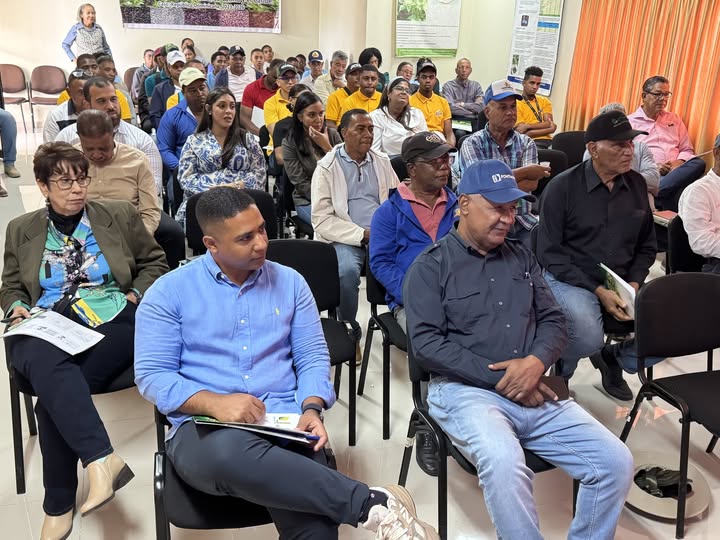
The delivery of the printed booklets was accompanied by a kit of biofortified seeds of corn (V160), beans (AGROSAVIA Red 43), sweet potato (Aurora), and cassava for the schools of Kwagueka, Geygekun, Umuriwa, and Gunwarum. Following the delivery, a field day was held to promote elite beans tolerant to climate change, selected participatively within the framework of the obtaining bean varieties KOLFACI project and the biodiverse parcels ofbiofortified Agrilac Resilient Cesar. This event was attended by Arhuaco governor Zarwawiko Torres, who had the opportunity to share in the happiness of the children of Ikarwa receiving their new school that day thanks to the ANCLA foundation, the booklets in Arhuaco, and the biofortified seeds of beans, cassava, and sweet potato from AGROSAVIA.
The booklets are published online in the AGROSAVIA repository at the following links:
- [Description of the ancestral processes for the recognition by the Arhuaco people of the biofortified beans Agrosavia Rojo 43.](https://editorial.agrosavia.co/index.php/publicaciones/catalog/book/395)
- [Descrição dos processos ancestrais para o reconhecimento pelo povo Arhuaco do feijão biofortificado Agrosavia Rojo 43: Azi kinki kawi wazwenno kunsamu nunaba ta ichu Ziti jwasi zweykwa nundi Iku’se nunaba ta.](https://editorial.agrosavia.co/index.php/publicaciones/catalog/book/390)
- [Description des processus ancestraux pour la reconnaissance de haricot biofortifié Agrosavia Rojo 43 par le peuple Arhuaco: Azi kinki kawi wazwenno kunsamu nunaba ta ichu Ziti jwasi zweykwa nundi Iku’se nunaba ta.](https://editorial.agrosavia.co/index.php/publicaciones/catalog/book/389)
- [Azi kinki kawi wazwenno kunsamu nunaba ta ichu Ziti jwasi zweykwa nundi Iku’se nunaba ta.](https://editorial.agrosavia.co/index.php/publicaciones/catalog/book/381)
- [Descripción de los procesos ancestrales para el reconocimiento por el pueblo Arhuaco del fríjol biofortificado AGROSAVIA Rojo 43: Azi kinki kawi wazwenno kunsamu nunaba ta ichu Ziti jwasi zweykwa nundi Iku’se nunaba ta.](https://editorial.agrosavia.co.index.php/publicaciones/catalog/book/380)
.jpg&w=640&q=100)
.jpg&w=3840&q=100)