
 Impact
 Initiatives
 Dashboard
 Alliances
 Impact
 Initiatives
 Dashboard
 Alliances


.jpg&w=640&q=100)
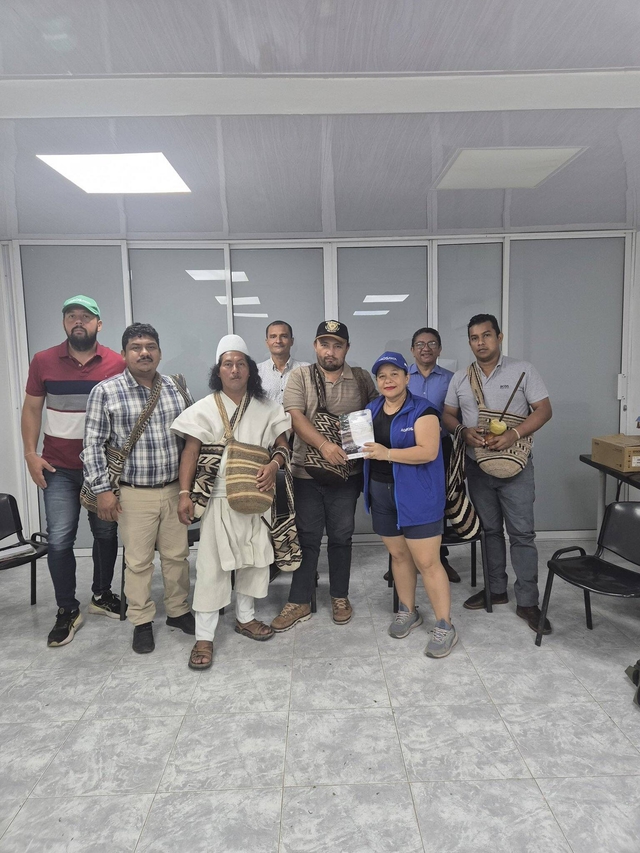
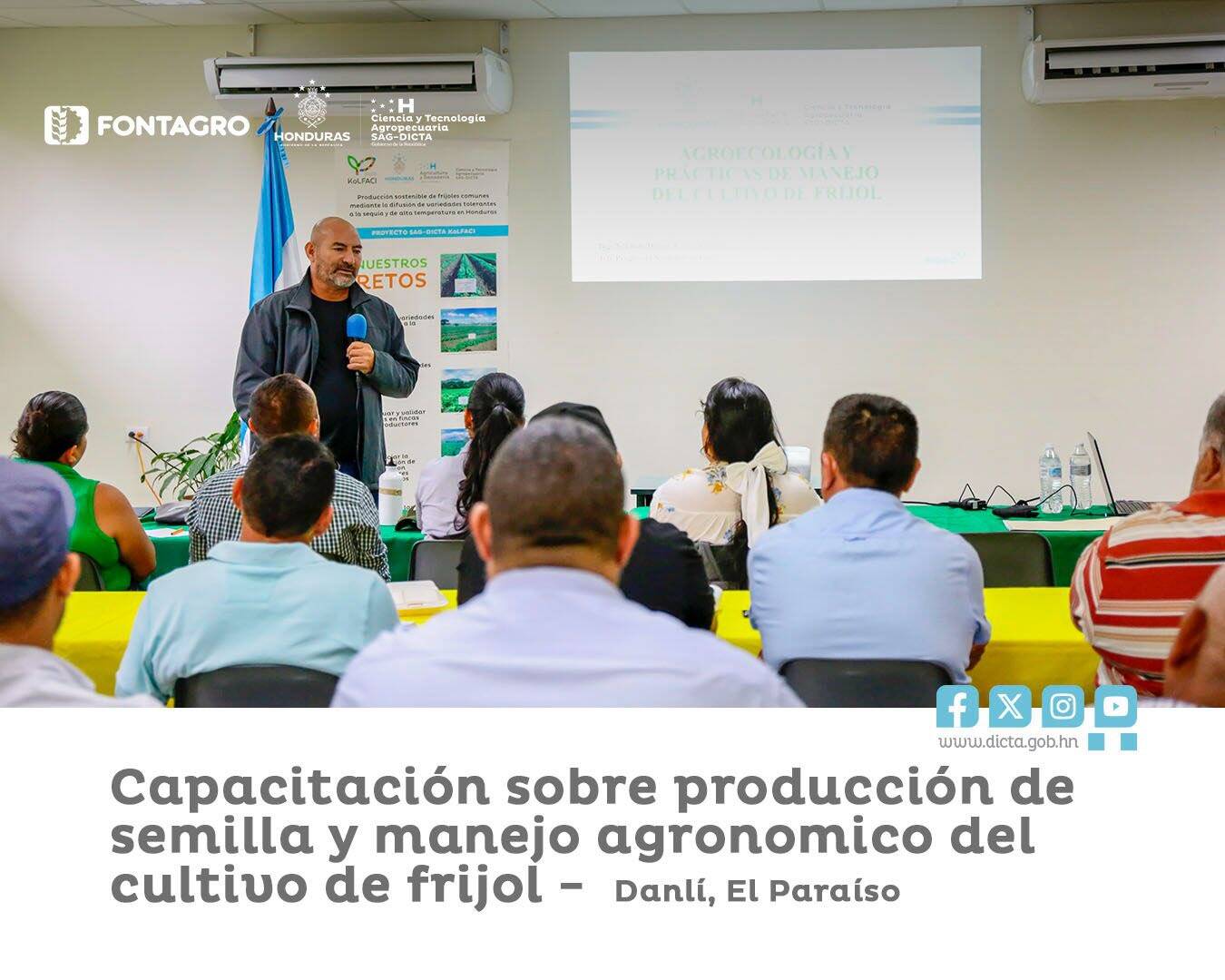
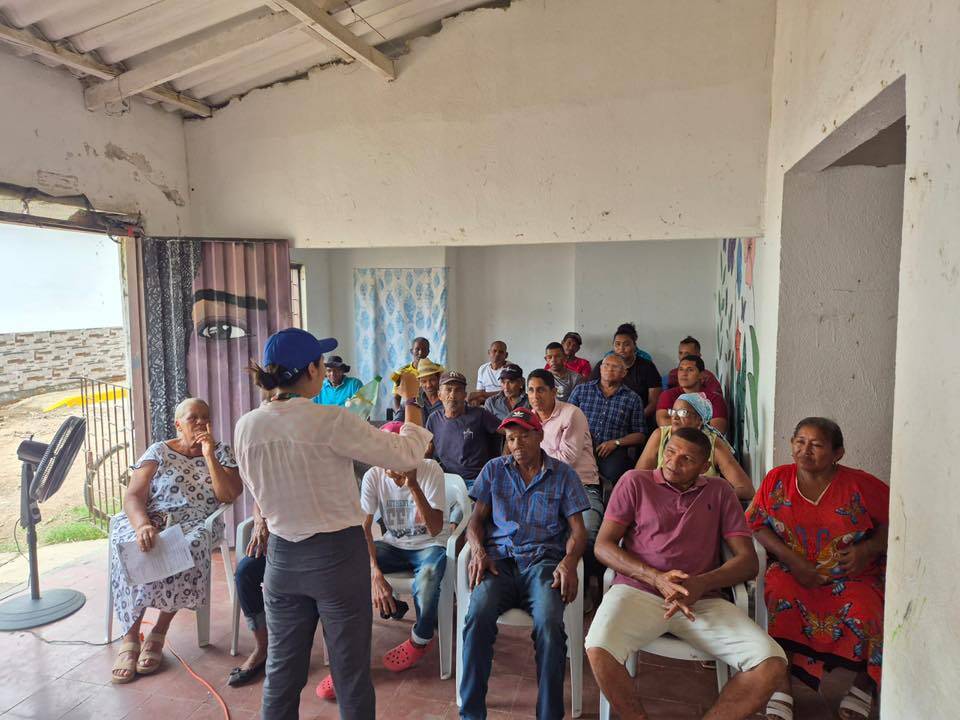
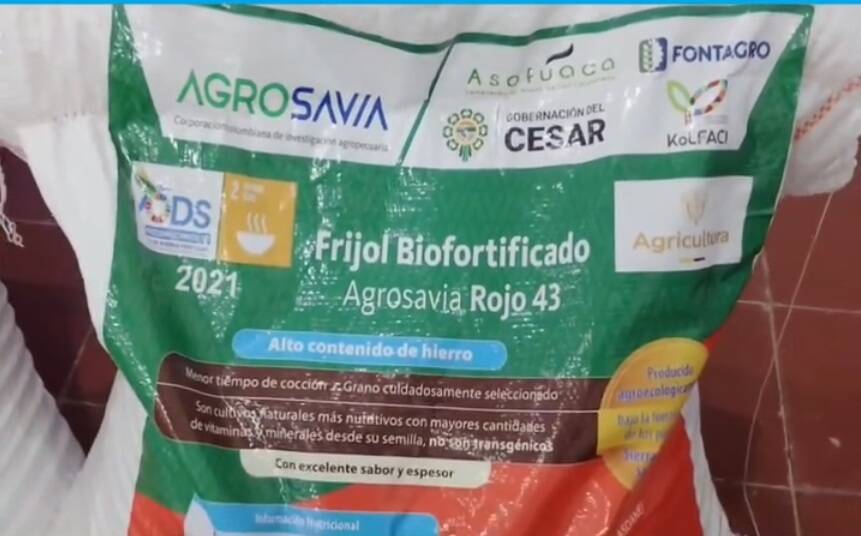
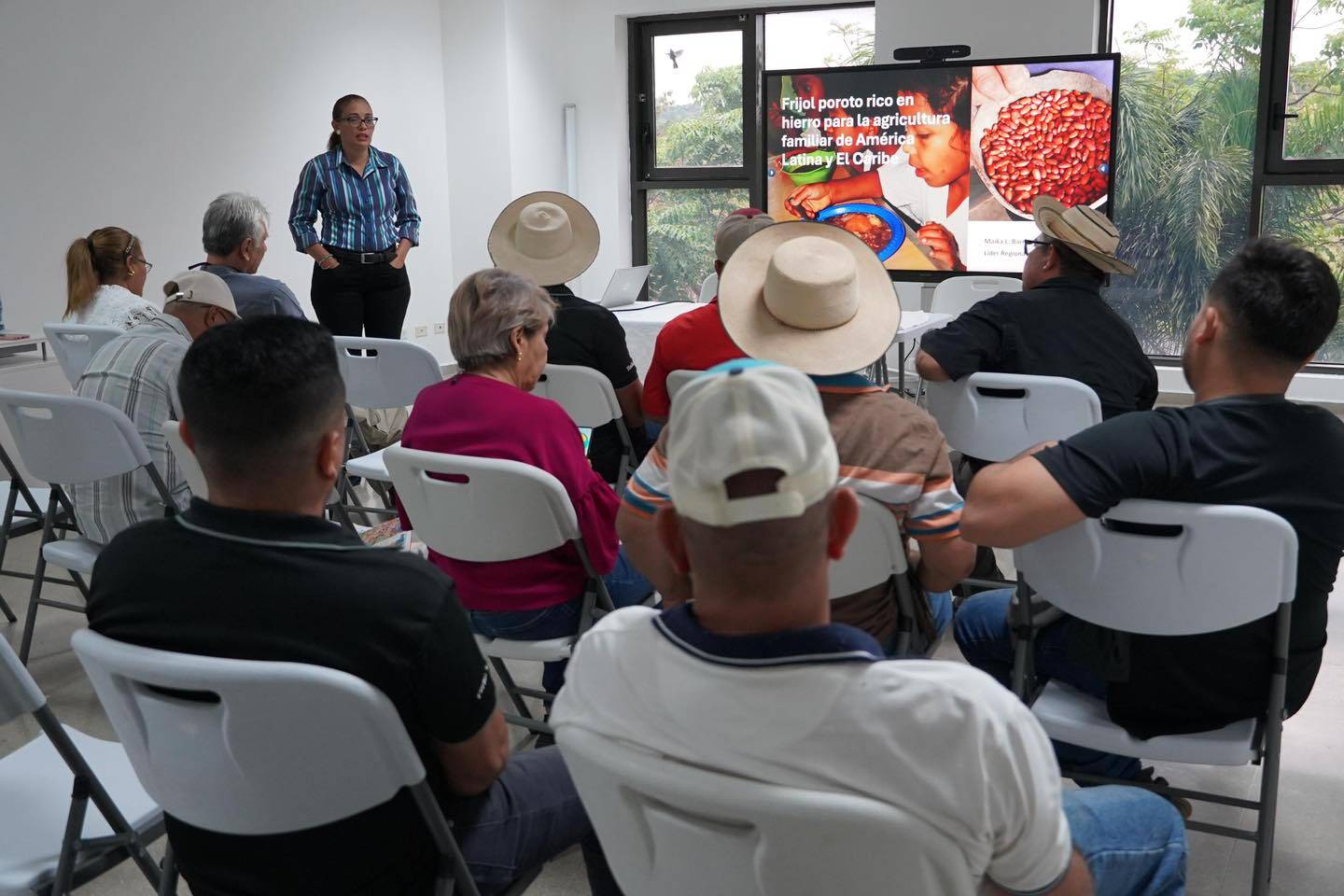
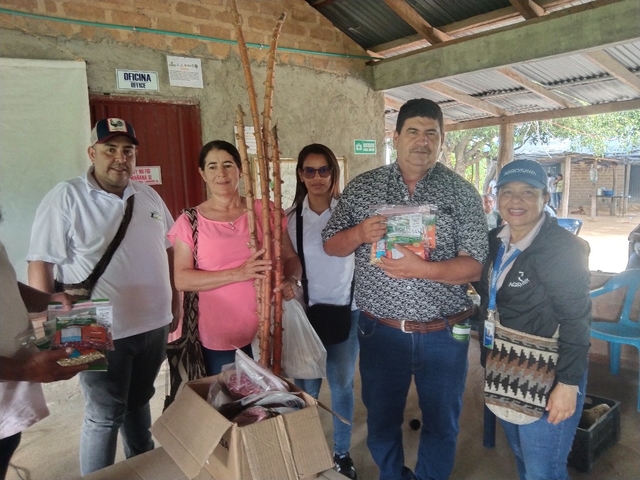
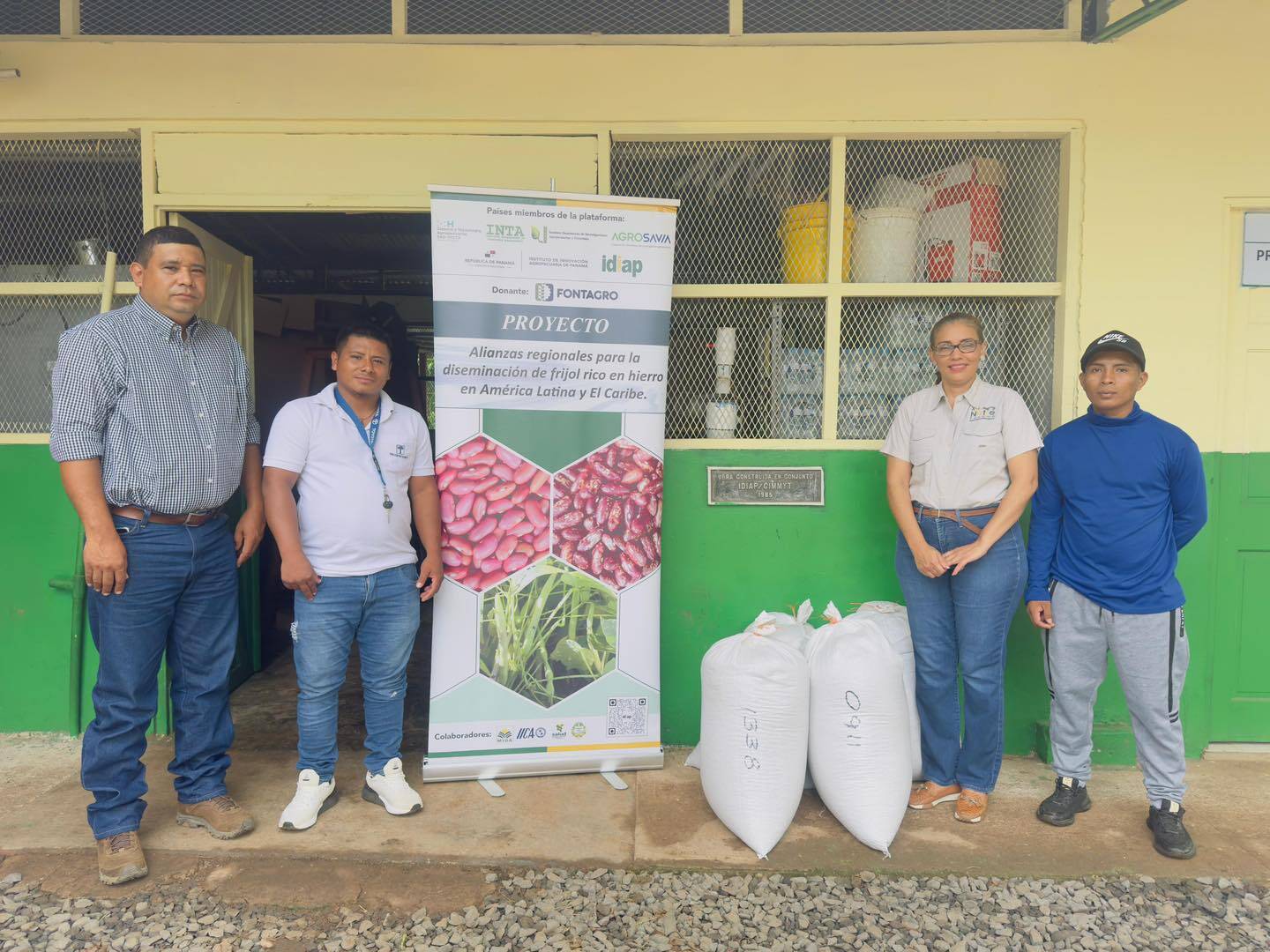
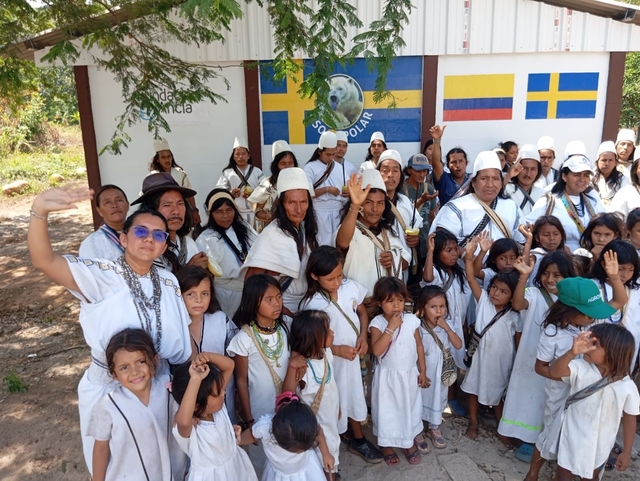
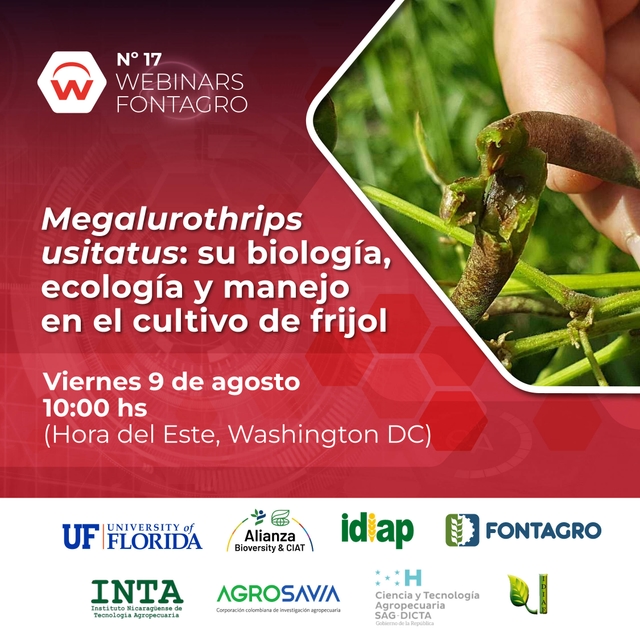
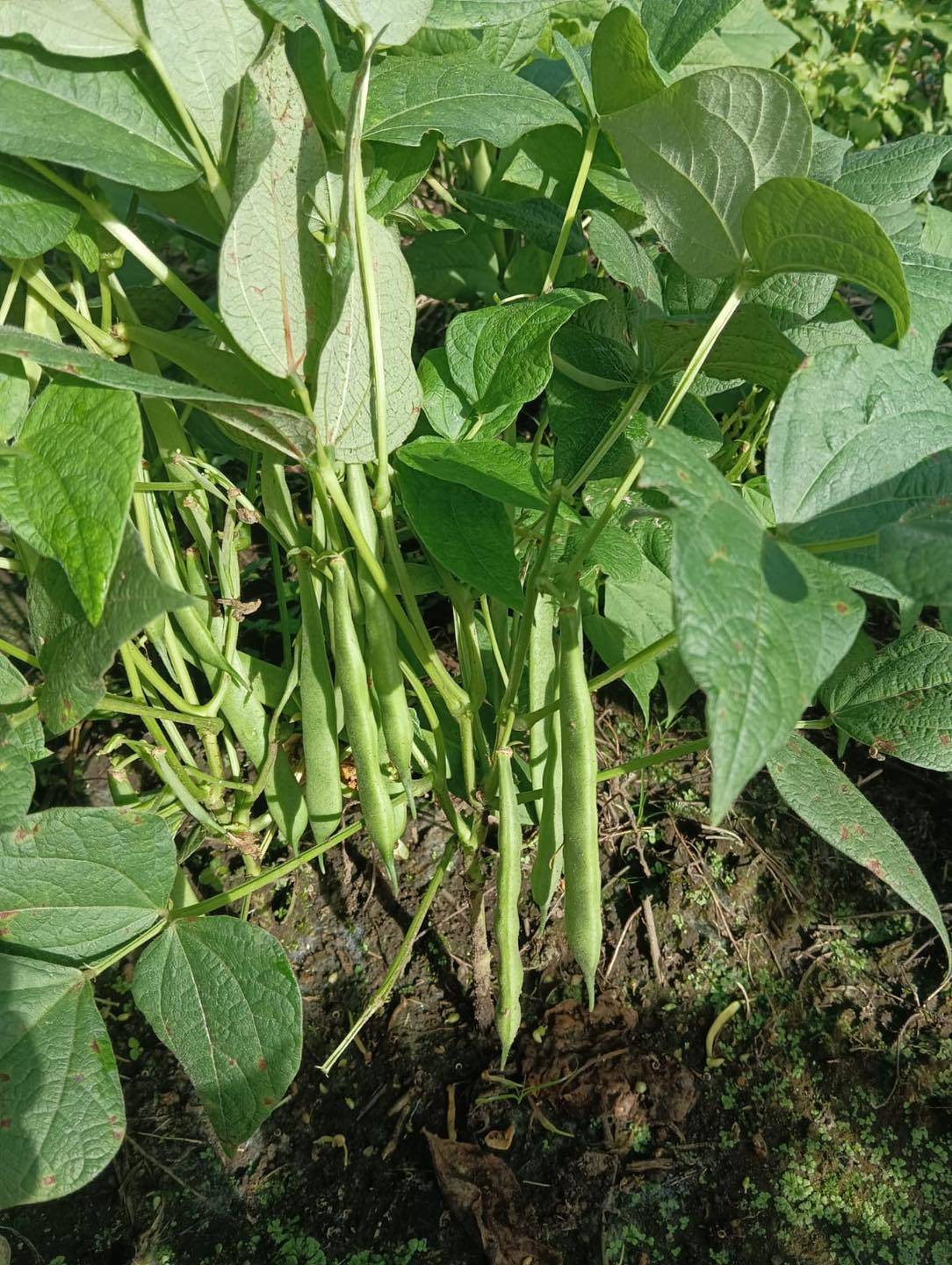
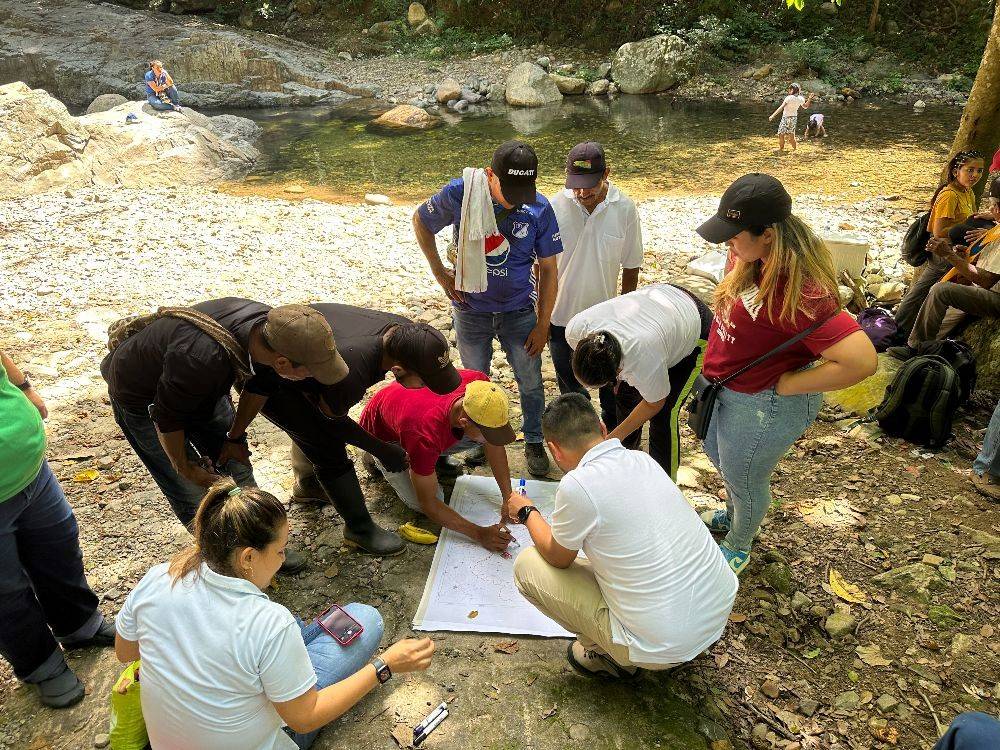
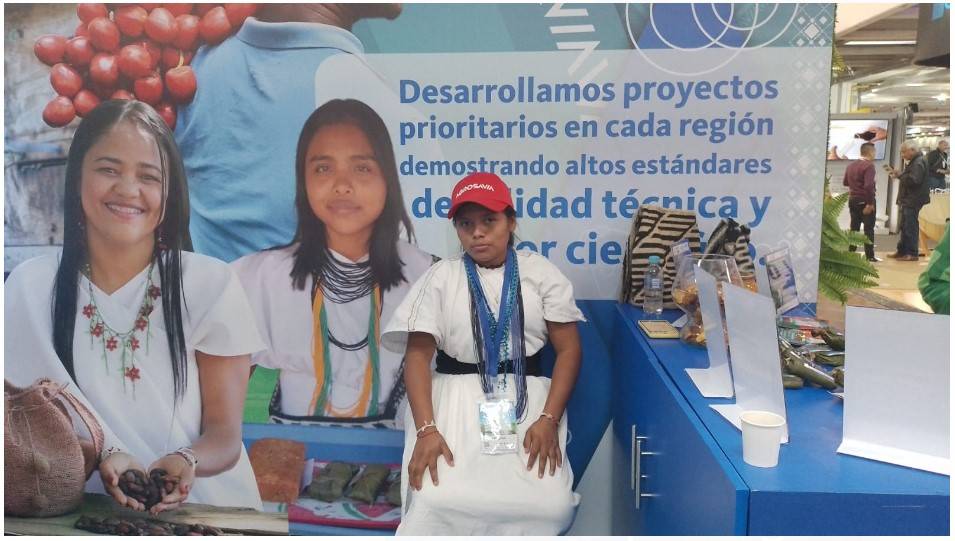

Learn more about this story
Project Webstory
Go to webstory




 Value chainAdaptativeTechnological
 2022
2022 Active
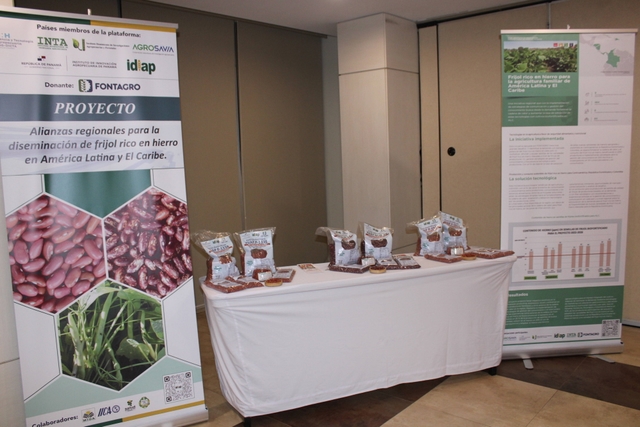
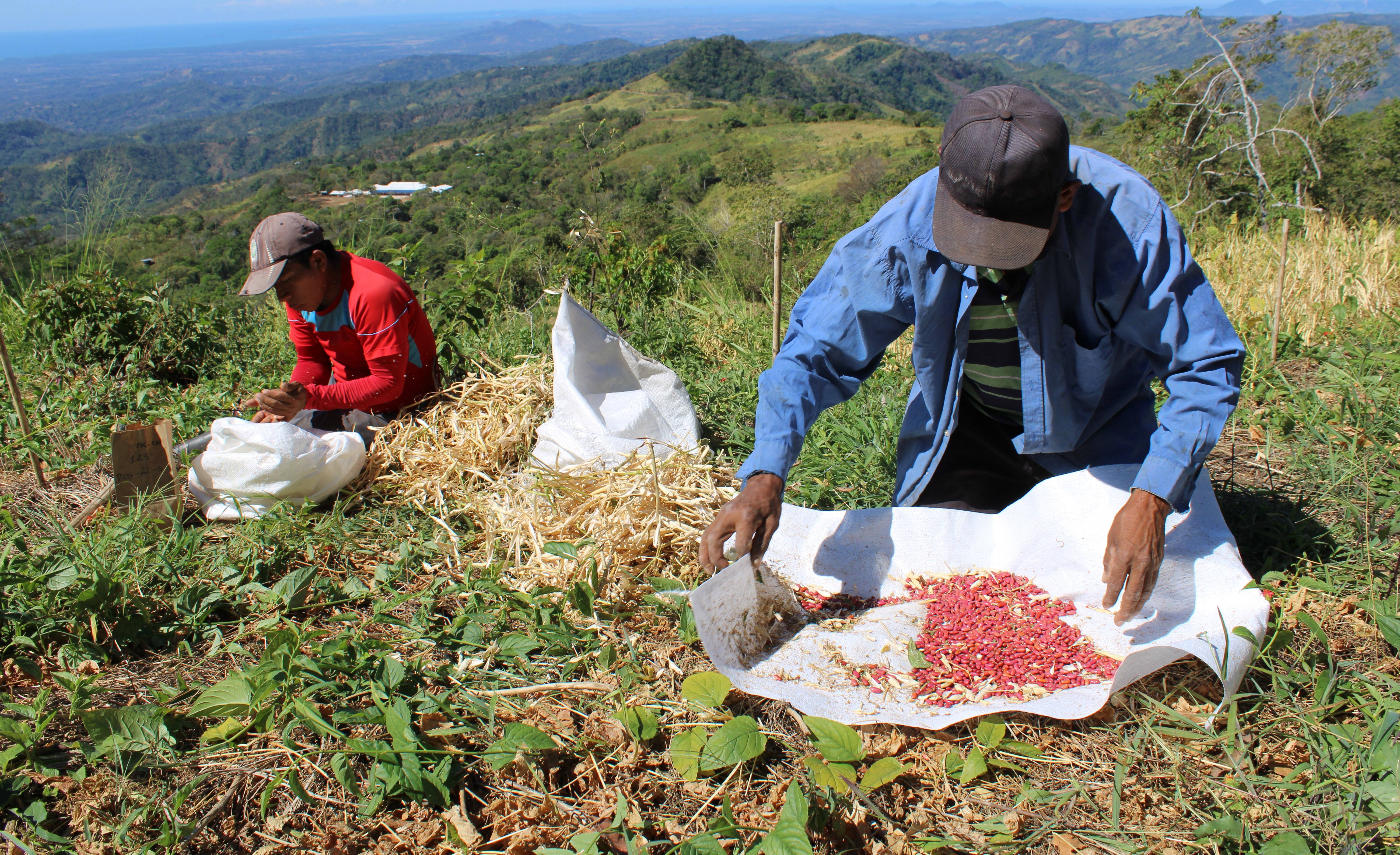
Agriculture in Latin America and the Caribbean (LAC), in particular Family Farming (FF), forms the basis of the regional population's food supply. It is estimated to provide 80% of the food consumed daily and have close to 15 million productive units. In the context of the COVID pandemic and in the years to come, producers will need new knowledge and timely support to avoid shortages and strengthen the efficient operation of value chains. In other words, it is critical to generate practices and knowledge that promote agroecological and sustainable agriculture, facilitate the use of practices that respond to the effects of climate change and variation, the sustainable use of natural resources, and increase productivity and food security.
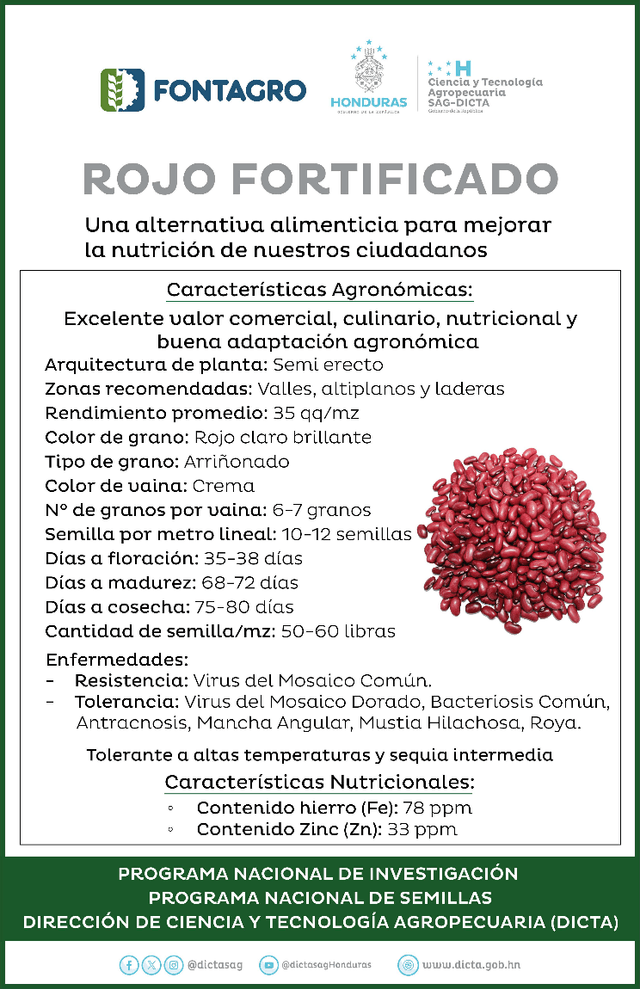
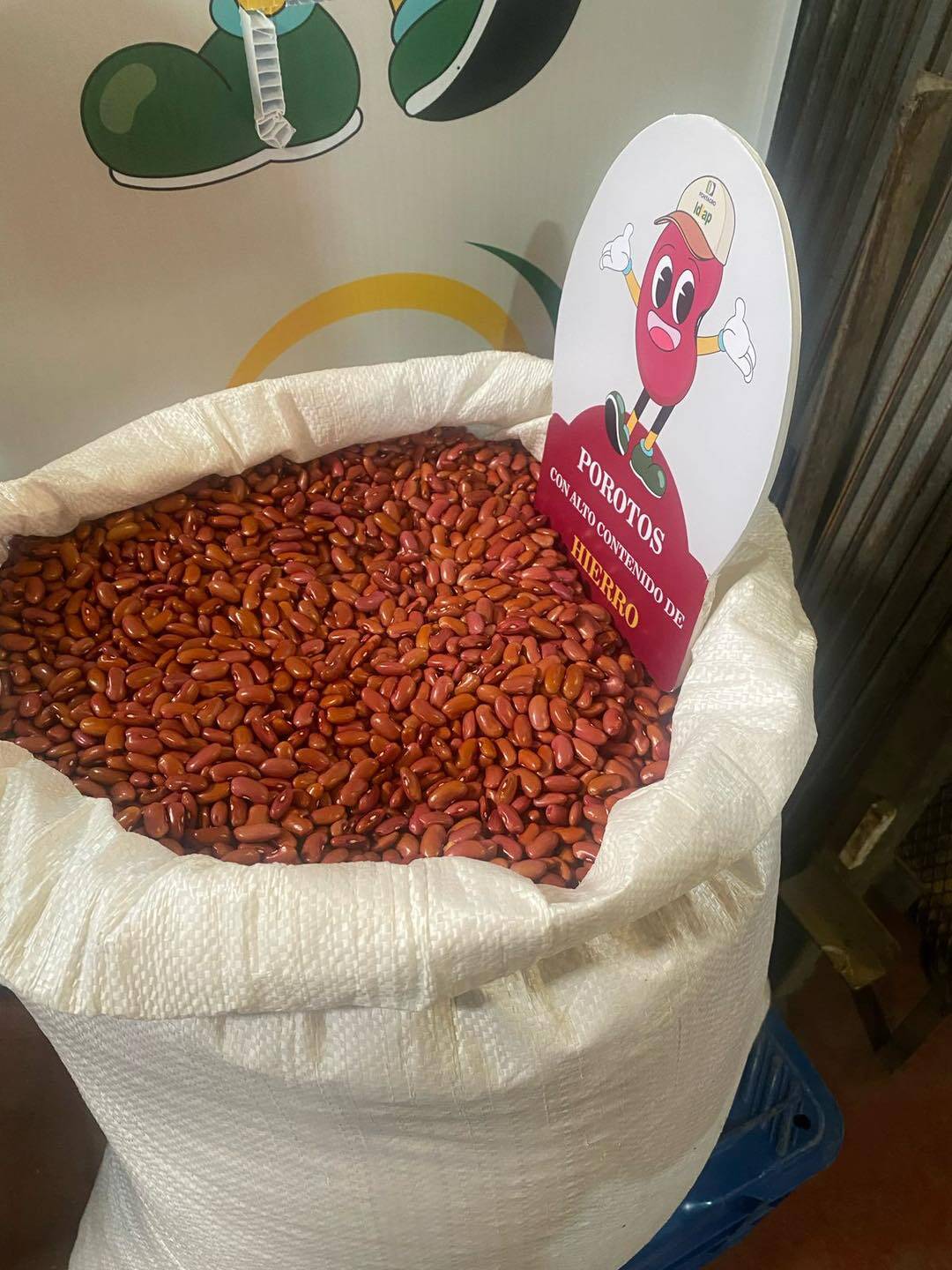
Central America, the Dominican Republic and Colombia are a biodiversity reservoir and a niche for crops and animals of global importance. Unfortunately, they are also among the world's most vulnerable regions to the current and anticipated extremes of climate change (droughts, floods, hurricanes). Therefore, a holisitic approach is required with the various stakeholders and in research and development efforts to ensure food security and the sustainable management of natural resources. In recent decades, climate change has had a great impact on agriculture, generating volatility in production with consequences for food security and especially nutrition. It is likely that varieties historically grown in a region will have to be replaced with varieties better adapted to the new environment, or the same varieties with a greater degree of flexibility and nutritional content. It is important to consider initiatives that identify and validate these new varieties of basic food crops, such as beans, which will be key to generating sustainability in local food security. It is in this context where crops rich in micronutrients, such as the beans considered in this proposal, can make an important contribution not only to counteract the effects of climate change, but also to strengthen the food and nutritional security of the population, especially the most vulnerable.
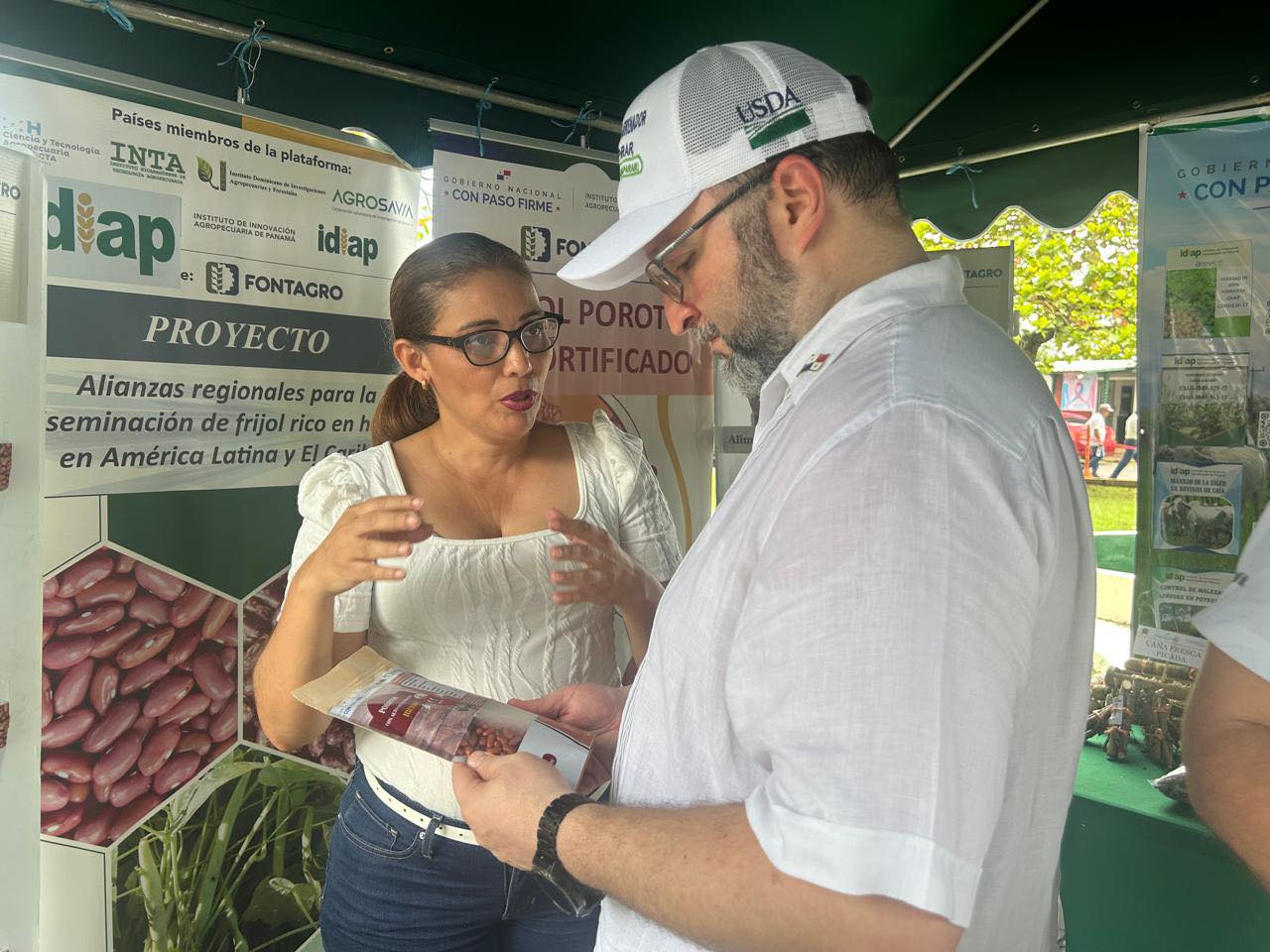
From a scientific-technical point of view, achievements in the development of crops rich in micronutrients (biofortified) have been significant at the global and regional level, considering that more than 340 varieties of beans, corn, sweet potato, cassava, wheat and rice, have already been generated through conventional genetic improvement, and have higher-than-average amounts of iron, zinc and / or vitamin A. Additionally, these varieties have also been improved and selected for their adaptation to climatic variation and their high productivity. Although the potential of these crops is very high, given their role and potential in the diets of vulnerable populations, it is still necessary to determine key aspects that make the selection of iron-rich bean varieties appropriate to stimulate their demand and value chain, particularly in Central America and the Caribbean. Specifically, there is a need to identify the characteristics of the demand and potential market in the countries, strategies of identification and validation of the best varieties under the production conditions of each country, and to generate a strategy of knowledge management and technology transfer to producers to improve adoption rate of these new varieties.
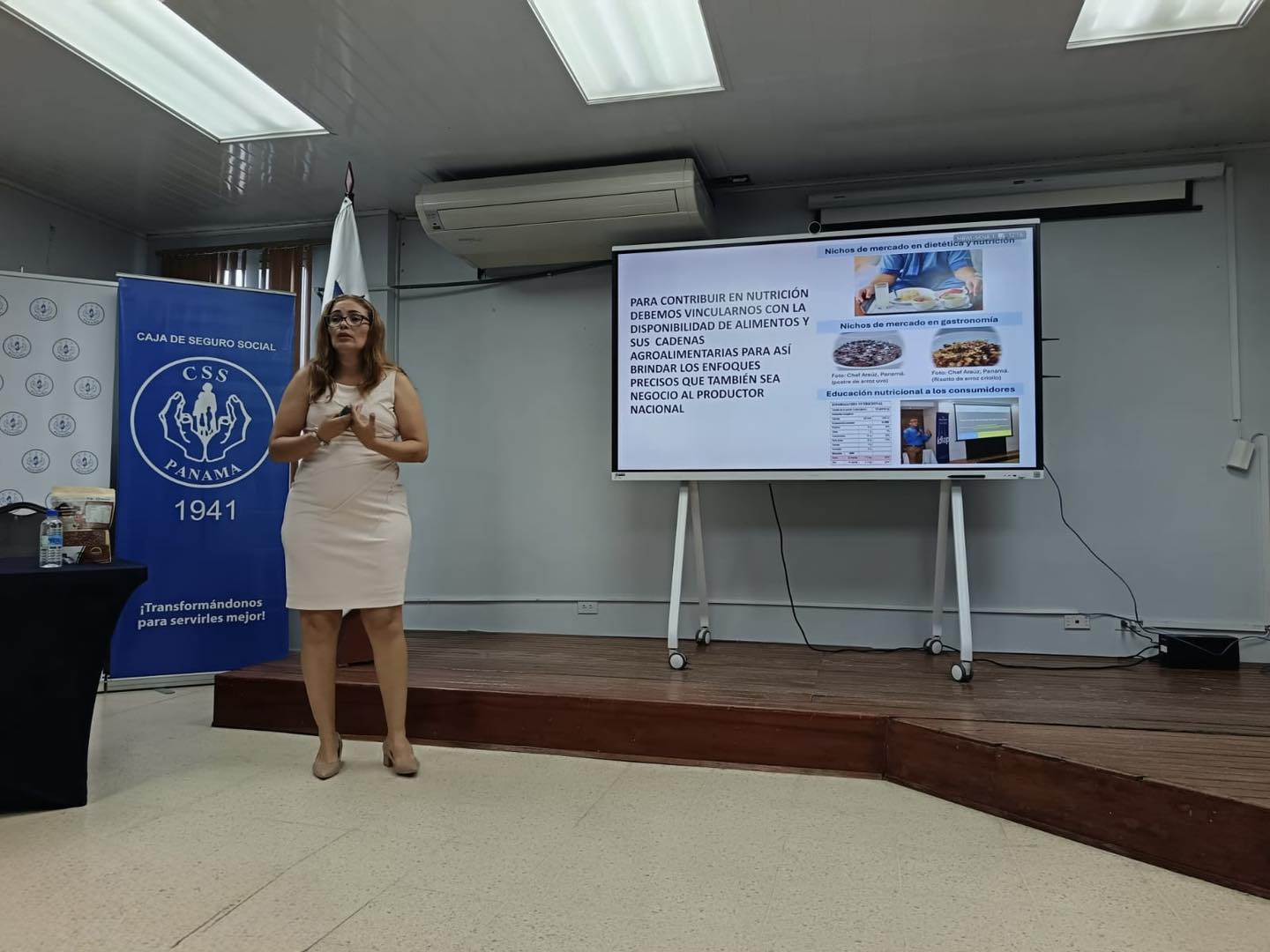
This initiative seeks to integrate agriculture and nutrition issues, in order to close the communication and knowledge gap between producers, consumers and food environments. Among the main solutions are strategies aimed at strengthening the value chain, acceptance and technological adoption by producers, such as:
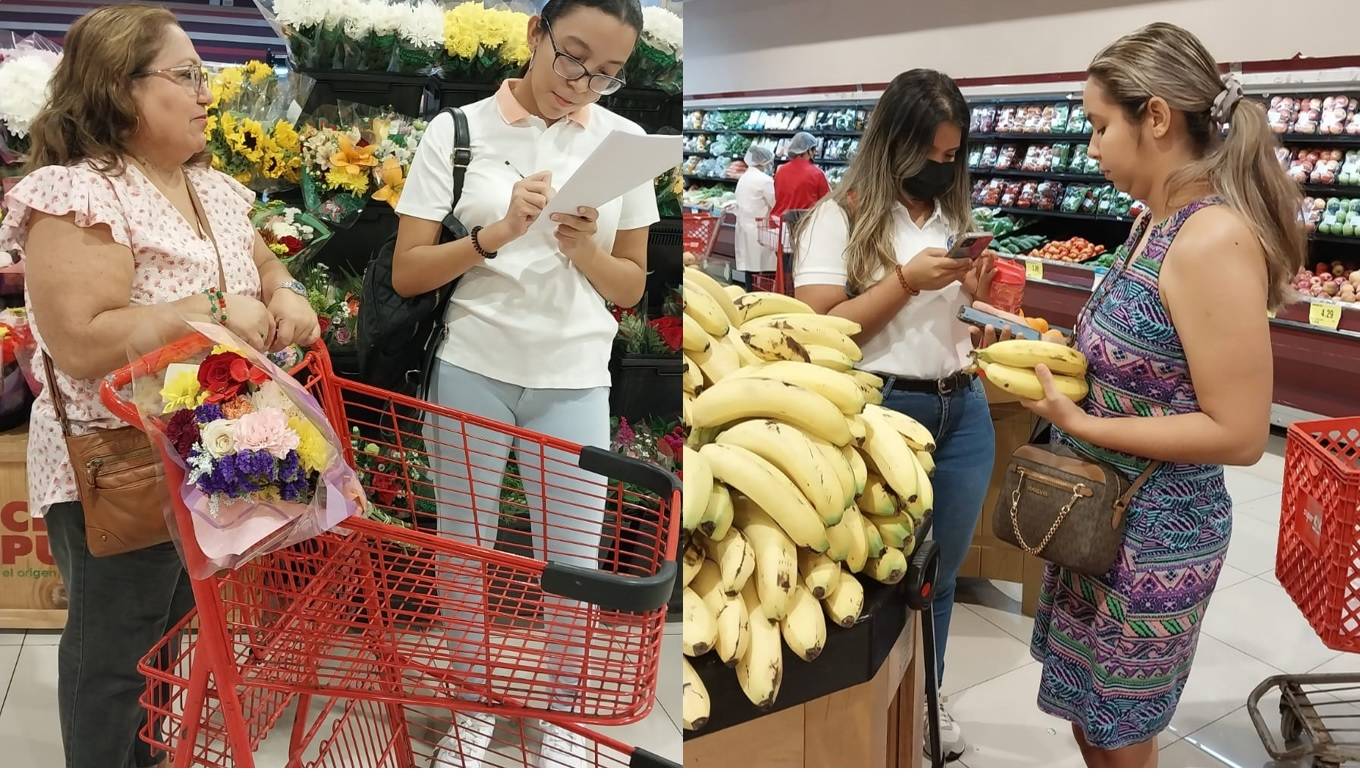
a) Baseline and final line available in the region with data from the main actors in the value chain for iron-rich beans in the intervention areas, their characteristics, limitations, market opportunities - commercialization and analysis of challenges.
b) A design protocol for the production of quality seed on demand-based producer farms.
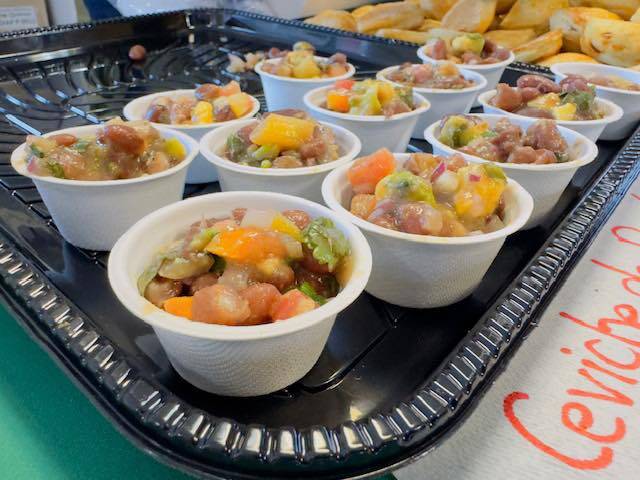
c) A Strategic Plan with recommendations and successful experiences in the management of knowledge and communication in each country and at the regional level on stimulating the demand for iron-rich beans.
d) Availability of new varieties of beans rich in iron released for the Dominican Republic.
This baseline will generate market and marketing information, based on primary data from the actors of the bean chain within the project intervention areas.
Contribute to the adoption of iron-rich bean varieties in the project countries through the validation and scaling of varieties with the highest demand on farms.
Ensure that iron-rich bean varities are available in the Dominican Republic.
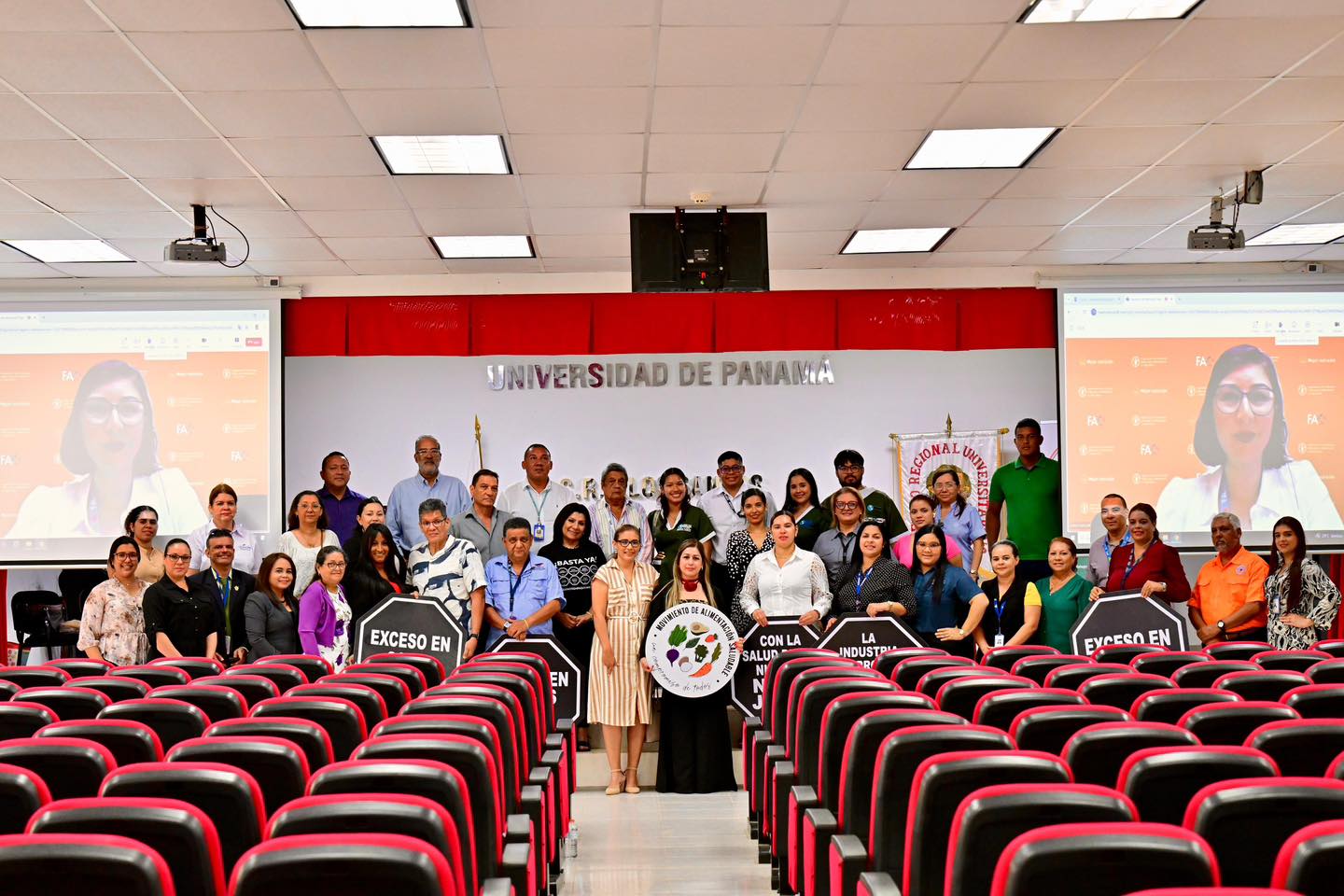
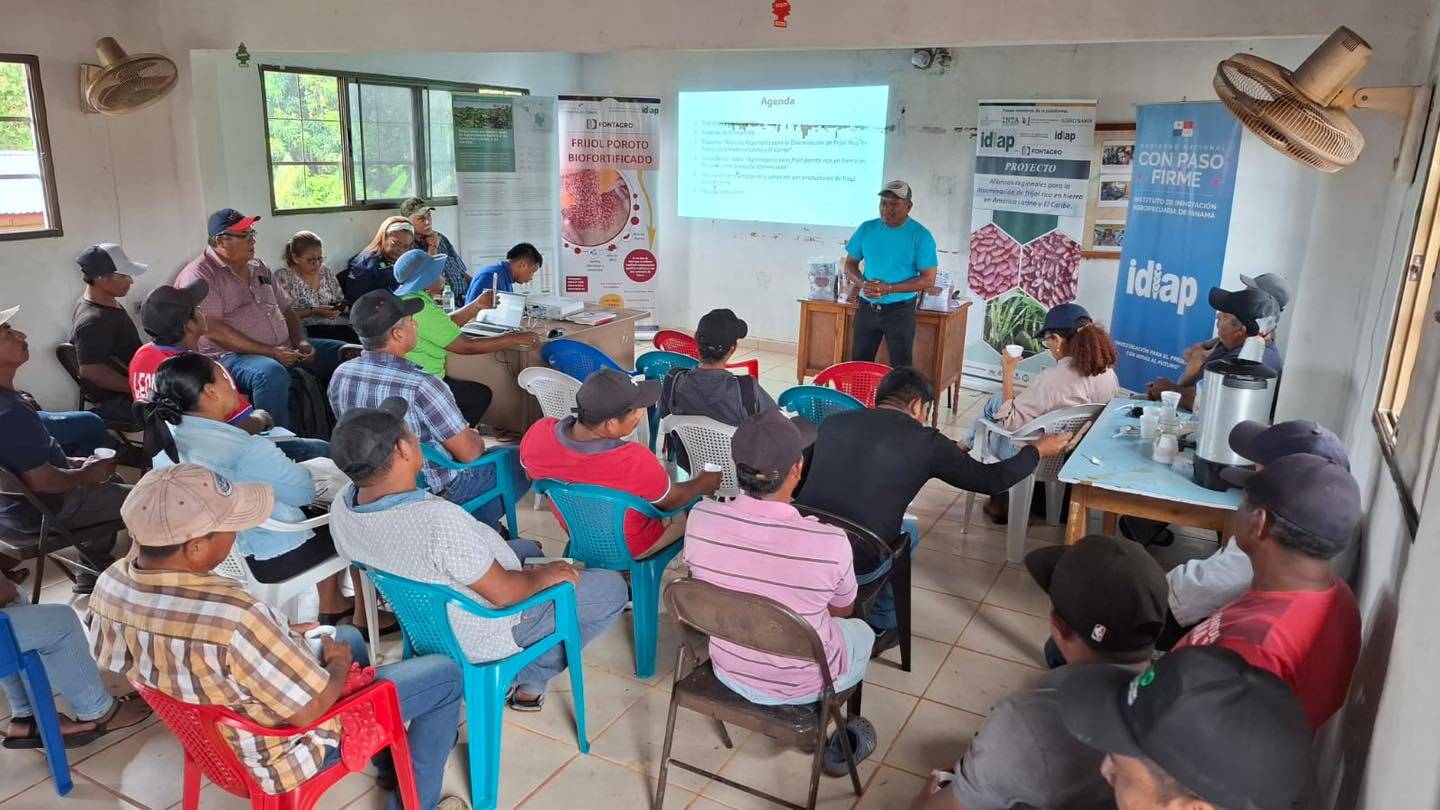
Increase the dissemination of new knowledge and technologies that collaborate with the processes through adoption by producers and other relevant actors in the value chain.
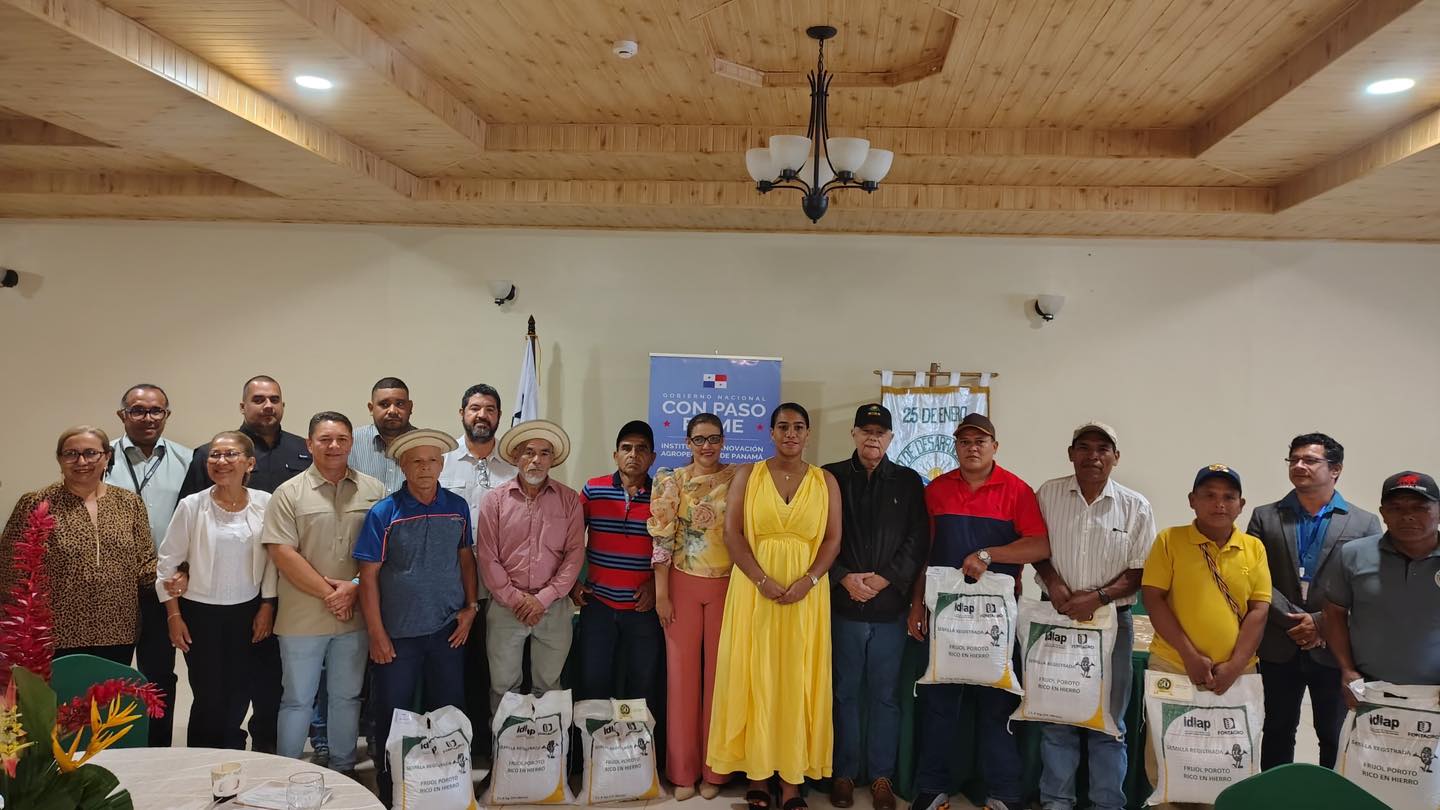
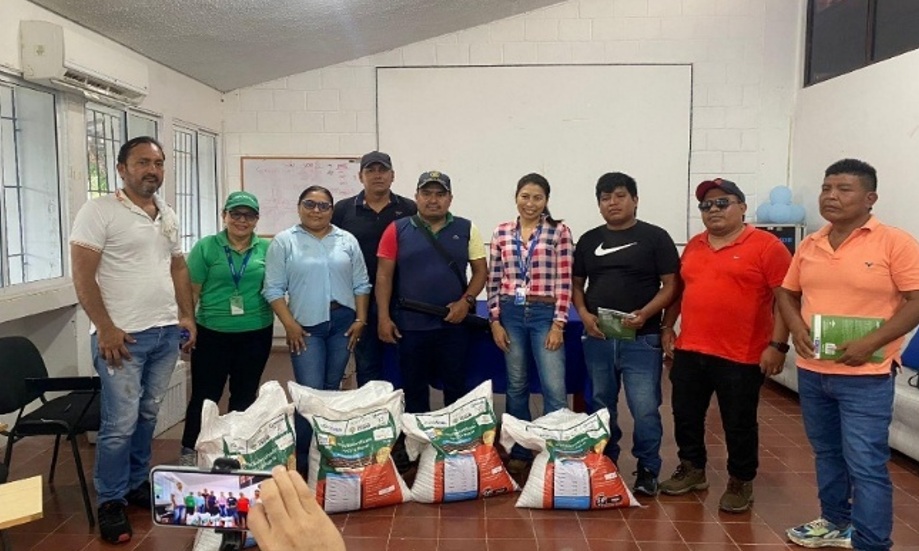
The direct beneficiaries will be 1,200 producers and the indirect beneficiaries are estimated at a little more than 6,000. Additionally, the project aims to reach 200 researchers and technicians from public institutions. At least 30 local marketers and other chain actors will have access to training and information.
This project actively contributes to achieving the Sustainable Development Goals, promoting more equitable, resilient, and sustainable regional development.

October 6, 2026
June 22, 2026
June 12, 2026
.jpg&w=3840&q=100)
The tangible impact of science and technology in the field
Sponsors


With the support of

Maika Lorena Barría Castro
PanamáLiliam Marieth Marquínez Batista
PanamáRicardo Salgado
HondurasDanilo Escoto
HondurasMiriam Villeda Izaguirre
HondurasRicardo Hernández Rojas
PanamáCrista María Davila
NicaraguaLuther Ramón Casco
NicaraguaRonaldo Calderón Matey
NicaraguaErick Hernández
PanamáNoemí Quintero
PanamáLourdes María Córdoba De Gracia
PanamáBasilio Jiménez
PanamáJaime Espinosa
PanamáCarina Cecilia Cordero Cordero
ColombiaLuisa Fernanda Sarmiento Moreno
ColombiaKaren Viviana Osorio Guerrero
ColombiaLuis Fernando Gómez Ramírez
ColombiaManuel Alfonso Patiño Moscoso
ColombiaJuan Sebastian Valencia Sanchez
ColombiaElizabeth Rochel Ortega
ColombiaJuan Cedano Mateo
República DominicanaKervin Aride Ramírez Feliz
República DominicanaMaría C. Fragoso Valenzuela
República DominicanaVíctor Manuel Landa Pérez
República DominicanaAna Elizabeth Mateo Arnaut
República DominicanaAdriana Tofiño
ColombiaBenito Franco
PanamáWilson Inestroza
HondurasJulia Cruz
HondurasMarisin Martinez Mendez
PanamáLuis Carlos Vinda Rivera
PanamáFrancisco González
PanamáEmigdio Rodríguez
PanamáAgustín Rogelio Jiménez Reyes
PanamáDora María Gadea Espinal
Nicaragua


.png&w=384&q=75)
