 Impact
 Initiatives
 Dashboard
 Alliances
 Impact
 Initiatives
 Dashboard
 Alliances



.jpeg&w=640&q=100)
Learn more about this story
Project Webstory
Go to webstory




 Agronomic PracticesStrategy 1. Resilient farmsAppliedTechnologicalProductive systems
 2022
2022 Active
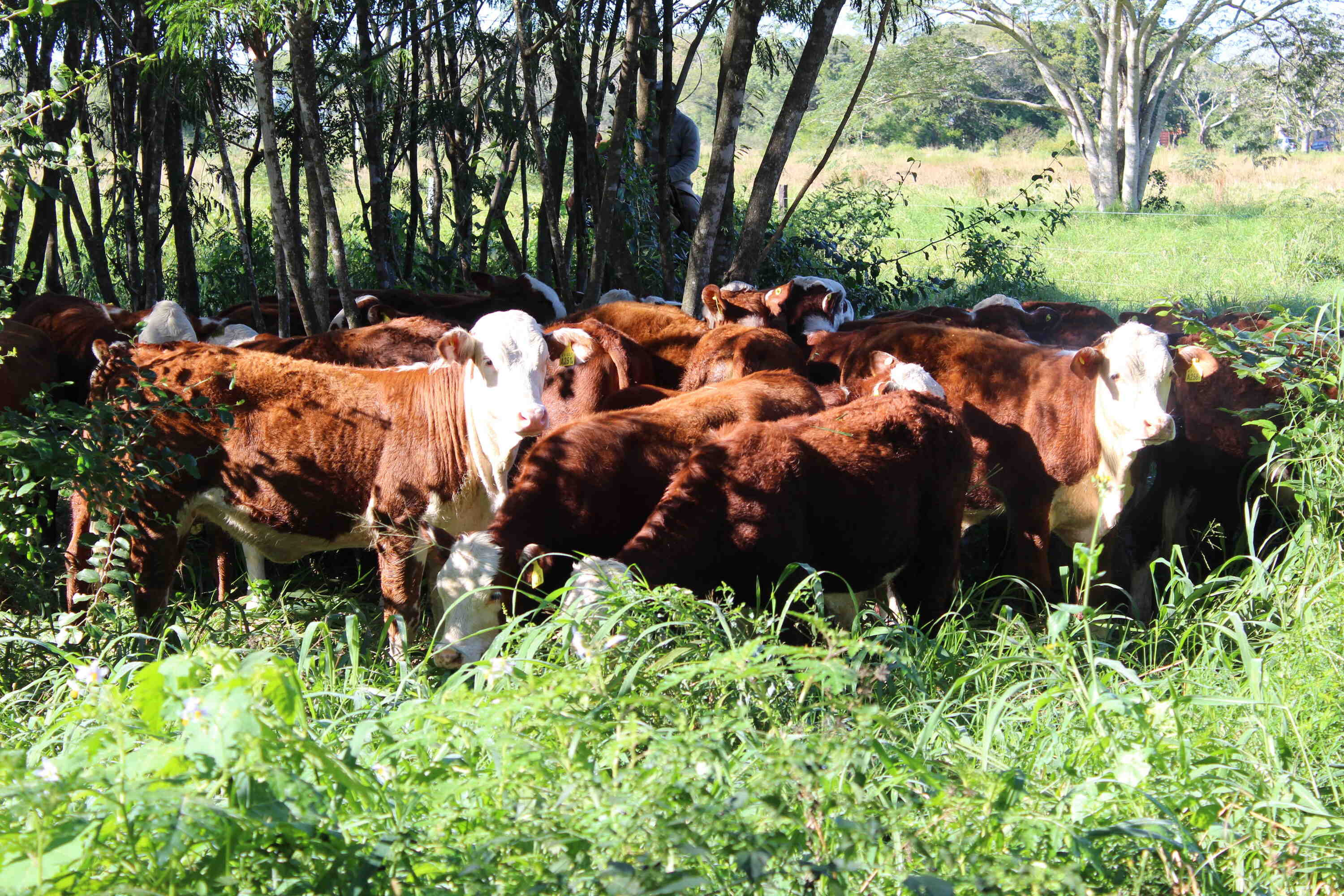
Increasing livestock production in a sustainable manner is a challenge for regional livestock production in Latin America and the Caribbean (LAC). Together, Argentina, Chile and Colombia produce around 9.1 million tons of meat for global consumption, demonstrating the role of livestock in contributing to the local economy, food security, poverty reduction and sustainability. Livestock production systems in the three countries can be mixed (cattle and sheep farming), pastoral and extensive, meaning they’re vulnerable to adverse climate scenarios where the resilience of the production systems and the concept of "One Welfare" become relevant. In addition, animal welfare (AW) and sustainable environmental practices are regulated by international and national legislative standards within the framework of each country. INTA, UACh and Agrosavia have been developing and validating process technologies with producers with the aim of raising production rates and improving the resilience of livestock systems in each country. In this context, the aim of the proposal is to contribute to the resilience of livestock systems with a focus on "One Welfare" and by implementing good animal welfare practices for cattle and sheep-based production (GAWP), through a regional co-innovation platform that encourages technological innovations (TI) associated with GAWP. The project expects to reach more than 2,000 direct and indirect beneficiaries from the cattle and sheep production networks in the three countries, as well as contributing knowledge to public policy decision-makers, non-governmental organizations, and the general community of each country. The key development, validation and transfer of technological activities in the territory will be carried out through national agricultural research agencies, government agencies, producer organizations and local universities to reach all the beneficiaries and achieve the objective of the project.
A regional methodology for implementing and monitoring Good Livestock Practices with a focus on animal welfare, developed under the “One Welfare” approach and validated through participatory engagement with producers in Argentina, Chile, and Colombia. The solution integrates animal welfare indicators, environmental and socioeconomic variables, digital data collection tools, and training processes, thereby improving decision-making and strengthening the resilience and sustainability of livestock systems.
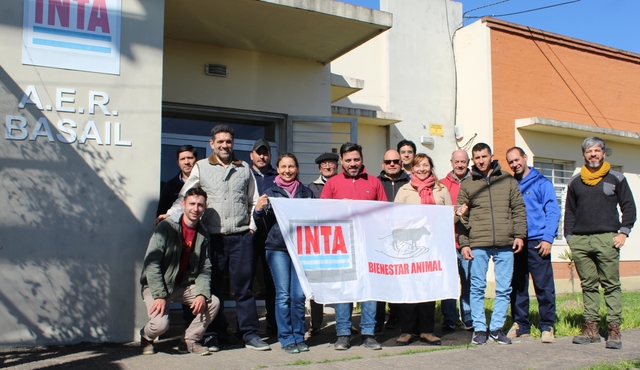
During its first two years of implementation, the project established a regional co-innovation platform that brings together producers, technical experts, researchers, and institutions from Argentina, Chile, and Colombia to promote the implementation of Good Livestock Practices with an Animal Welfare Approach (GLPs-AW) within the conceptual framework of One Welfare.
Through participatory processes carried out in six ecoregions, ten strategic practices adapted to local production realities were identified and prioritized. Concurrently, a common regional methodology was developed for the integrated monitoring of animal welfare, environmental, and socioeconomic dimensions, including harmonized indicators, digital data collection tools, and evaluation protocols applicable to cattle and sheep systems.
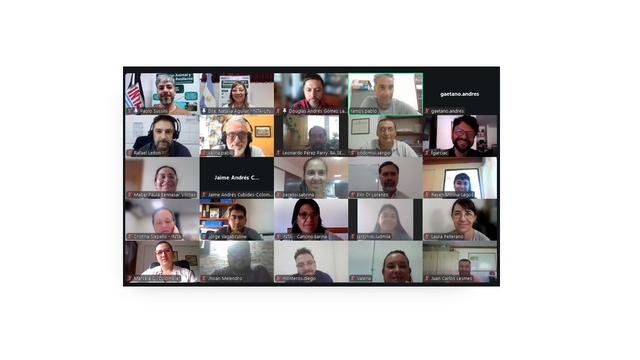
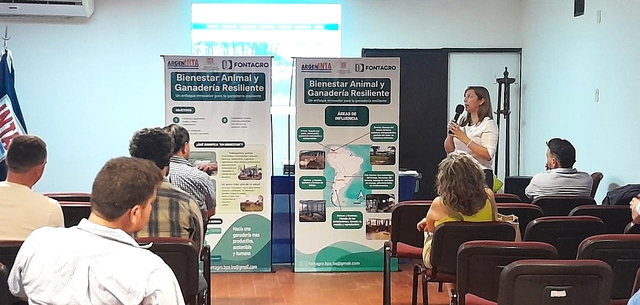
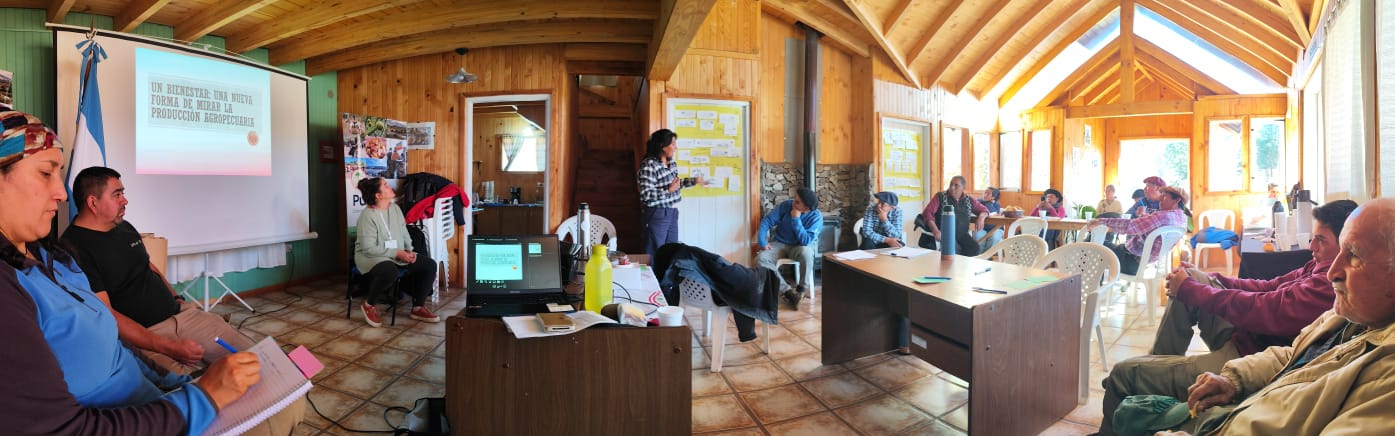
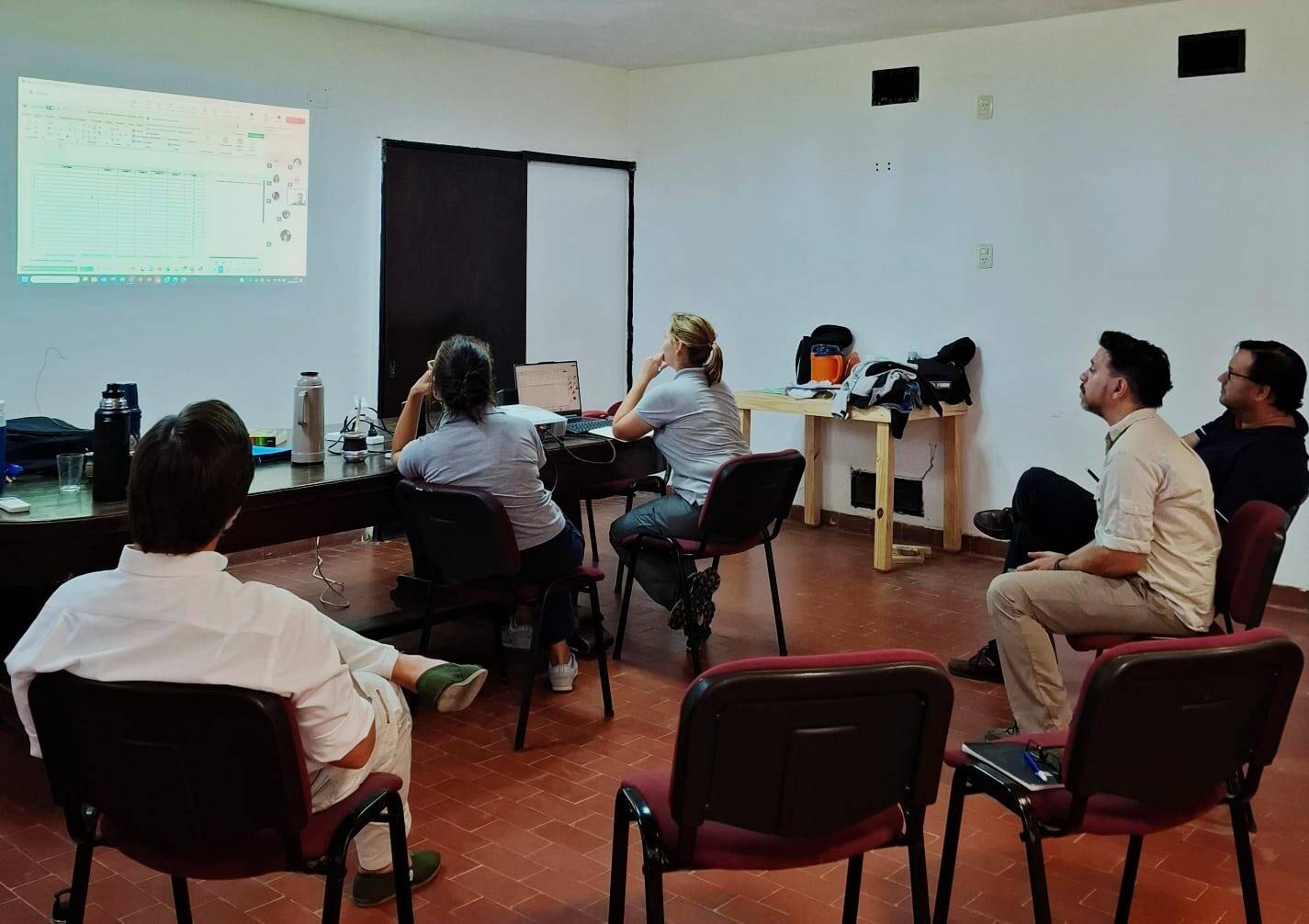
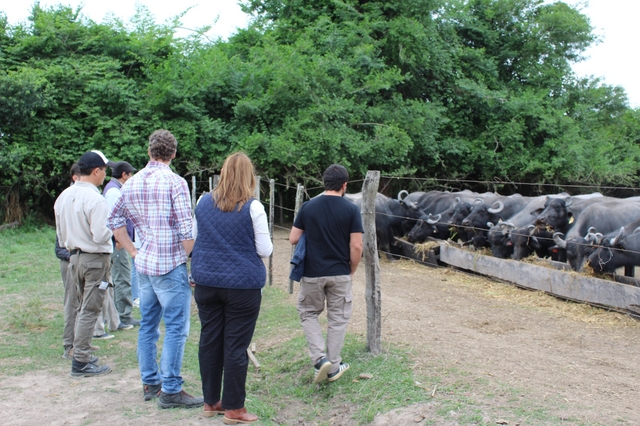
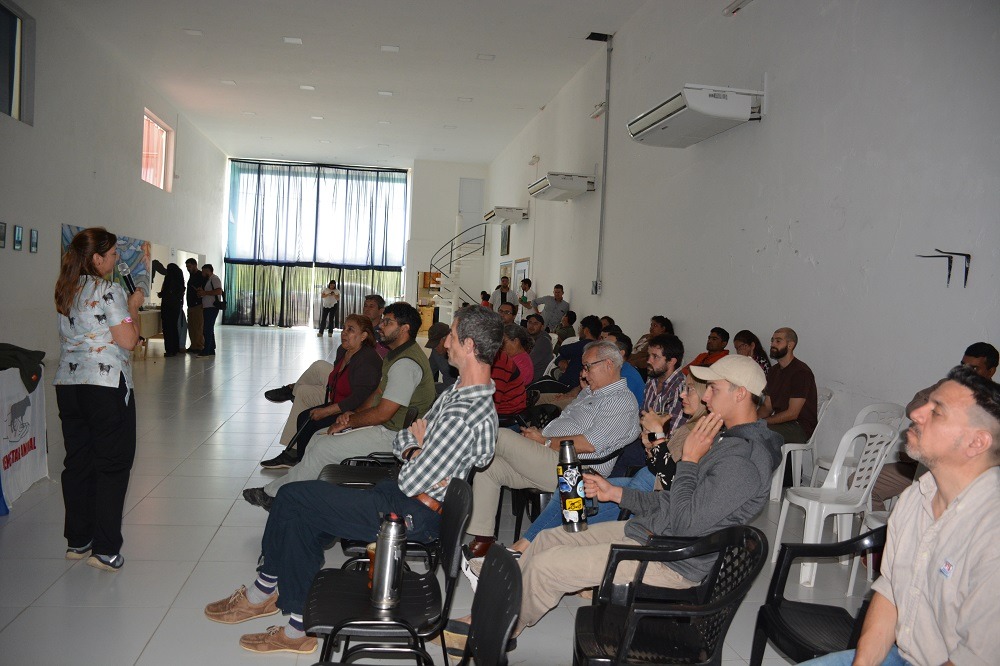
The project strengthened the capacities of more than 200 regional stakeholders through workshops, courses, seminars, and technical exchange activities, creating a network of trained implementers to support innovation processes in the field. Additionally, a network of 21 pilot sites was established across Argentina, Colombia, and Chile, where comprehensive diagnostic and participatory monitoring processes have begun, enabling the validation of prioritized practices under real-world production conditions.
These advances have strengthened regional coordination, built local capacity, and laid the technical and methodological foundations necessary to improve the resilience, sustainability, and adaptability of livestock systems in the face of the productive, environmental, and climate challenges in Latin America.
Direct beneficiaries: 28 cattle and sheep producers in 28 Agricultural Development Units (ADU) across Argentina (10), Chile (10), and Colombia (8), along with 700 producers who will directly receive training related to innovations in neighboring ADUs. This initiative will also involve 300 private and public technical advisors, 750 young professionals, and 250 students in agricultural and related sciences, in addition to 9 partner organizations. The co-participatory process will promote and ensure active involvement of women.
Indirect beneficiaries: Various stakeholders within the cattle and sheep production network, where approximately 1500 livestock families will be informed about technological innovations (TI) associated with good animal welfare practices for cattle and sheep-based production (GAWP). Additionally, around 30% of governmental organizations and policy decision-makers will utilize these TI to adapt and draft norms and regulations. Furthermore, the general community of each country will be informed about these advancements.
This project actively contributes to achieving the Sustainable Development Goals, promoting more equitable, resilient, and sustainable regional development.




Natalia María Alejandra Aguilar
ArgentinaMarcela Liliana Menichelli
ArgentinaFredy Enrique García Castro
ColombiaAldemar Zuñiga López
ColombiaJaime Andrés Cubides Cárdenas
ColombiaDiana Maritza Katherine Rojas Morales
ColombiaDiego Germán Ahumada Beltrán
ColombiaMaría Mercedes Pereira
ArgentinaMabel Paula BENNASAR VILCHES
ArgentinaLeandro Langman
ArgentinaPaolo Adrián Sussini
ArgentinaLaura Pellerano
ArgentinaAndrea Karina Cancino
ArgentinaMaria Gabriela Grigioni
ArgentinaSebastián Villagra
ArgentinaDaniel Castillo
ArgentinaJuan Pablo Mikuc
ArgentinaEzequiel Gonzalez
ArgentinaPablo Valiña
ArgentinaTamara Tadich Gallo
ChilePilar Sepúlveda Varas
ChileLeopoldo Abel Fernandez
ArgentinaRoberto Daniel Rouvier
ArgentinaSergio Gustavo Ondo Misi
ArgentinaElio Luis Di Lorenzo
ArgentinaJorge Leandro Vagabculow
ArgentinaPamela Carolina Sarco
ArgentinaJosé Rodolfo Toffaletti
ArgentinaValeria Borelli
ArgentinaMaría Lucía Famin
ArgentinaCecilia Conterno
ArgentinaAndres Gaetano
ArgentinaPaula Lagorio
ArgentinaThe tangible impact of science and technology in the field
Sponsors


With the support of