 Impact
 Initiatives
 Dashboard
 Alliances
 Impact
 Initiatives
 Dashboard
 Alliances


Learn more about this story
Project Webstory
Go to webstory





 Agronomic PracticesAppliedTechnological
 2020
2020 Active
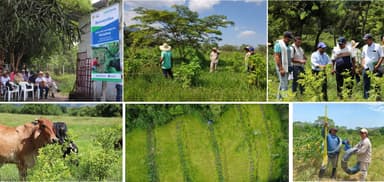
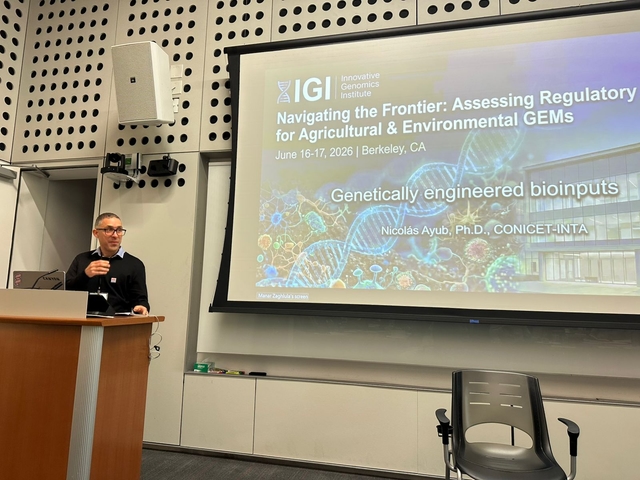
Agriculture is responsible for approximately 60% of global nitrous oxide (N₂O) emissions—one of the three main greenhouse gases driving global warming. Paradoxically, it is also one of the sectors most vulnerable to climate change, which demands the implementation of climate-smart technological innovation policies. Within the framework of this multilateral technical cooperation project—bringing together Argentina, Chile, Brazil, Colombia, Spain, and Uruguay—we are expanding the traditional benefits of microbial inoculants (such as biological nitrogen fixation, phosphorus solubilization, and antifungal effects) by incorporating new traits with high environmental value (such as the reduction of N₂O emissions) and strong economic impact (such as increased productivity). We use genetic improvement technologies that enable the development of inoculants considered non-GMO, including those edited via CRISPR/Cas9. These innovations are helping to position Latin America as a global leader in the inoculant market.
The project involves the production of new inoculants as a technological package that combines three benefits simultaneously: (i) applicable to a wide variety of relevant regional crops, (ii) increases the production and quality of crops, and (iii) drastically reduces greenhouse gas emissions, especially nitrous oxide
We improve the genetics of inoculants for a wide variety of crops, including cereals (such as wheat and maize), oilseeds (such as soybean and sunflower), horticultural crops (such as tomato and lettuce), traditional forage crops (such as alfalfa and Lotus), and emerging native regional crops, such as various Lupinus species.
More than 30.000 producers, technicians, researchers and students from de Argentina, Brazil, Chile, Colombia, Spain and Uruguay will be direct beneficiaries of this project. Main regional agricultural microbiology companies and consumers from the countries involved will be indirect beneficiaries.
This project actively contributes to achieving the Sustainable Development Goals, promoting more equitable, resilient, and sustainable regional development.

June 23, 2026
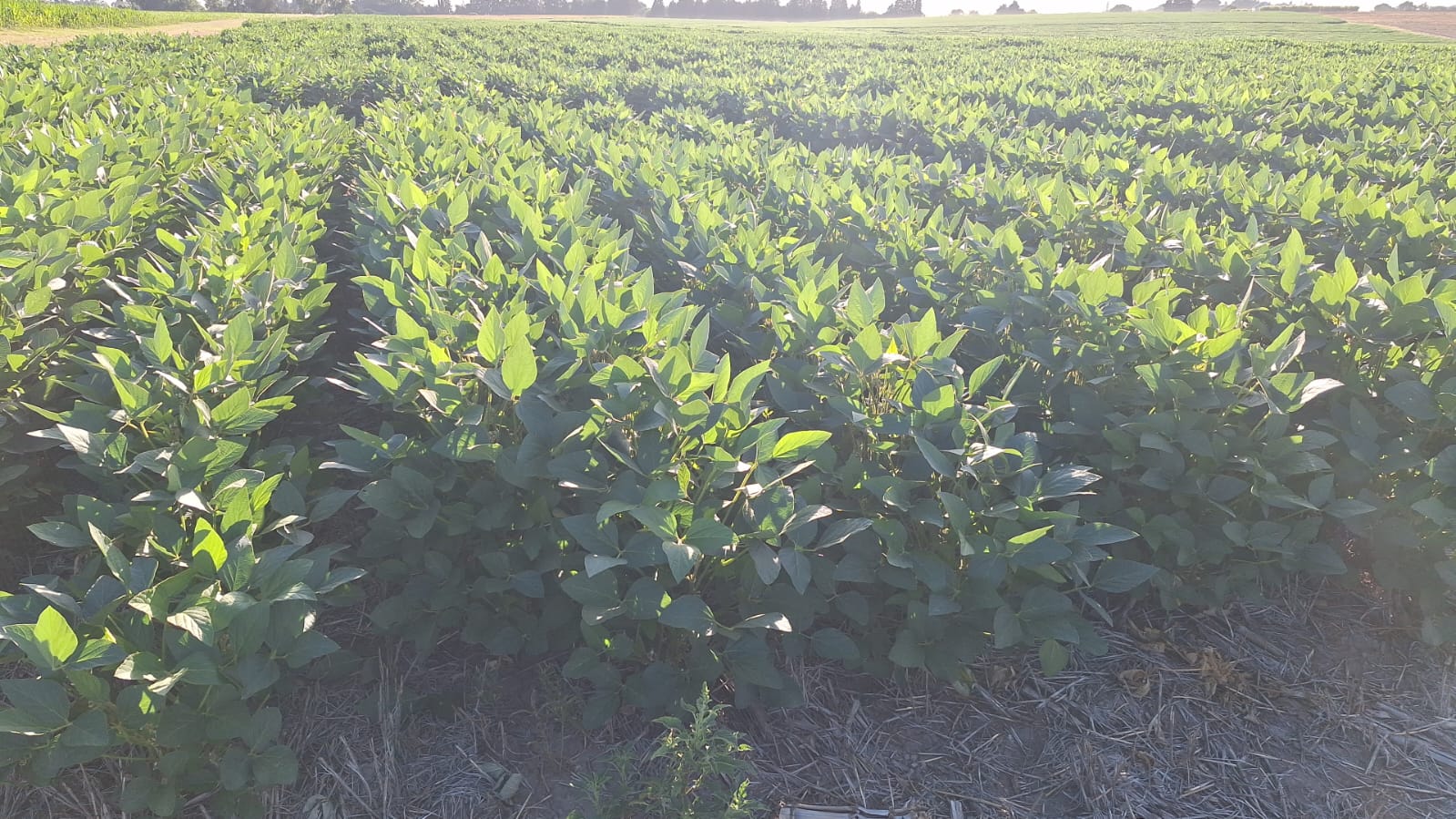
The tangible impact of science and technology in the field
Sponsors


With the support of

Nicolás Ayub
ArgentinaAntonio Lagares
ArgentinaOscar Ruiz
ArgentinaMariangeles Hungria
BrasilMaribel Parada Ibañez
ChileNubia Moreno Sarmiento
ColombiaJuan Sanjuán
EspañaElena Fabiano
UruguayMaría Florencia Del Papa
Argentina