Inoculants that fix nitrogen can also release it as a greenhouse gas. The project identified the genes responsible and obtained strains that cut those emissions by up to two orders of magnitude.

Nitrous oxide is one of the most potent greenhouse gases and arises largely from microbial processes in the soil nitrogen cycle. Inoculants, a biological used at scale across Latin America and the Caribbean in soybean and alfalfa to fix nitrogen and reduce fertiliser use, are part of that soil microbiology. Genomic characterisation of commercial and regional inoculants revealed something absent from earlier diagnoses: most carry denitrification genes associated with nitrous oxide production and lack the genes that would reduce it. A technology intended to lower environmental impact may be adding to it.
Improving the genetics of traditional bioinputs
The project brought together institutions from Argentina, Brazil, Chile, Colombia, Spain and Uruguay to improve the environmental performance of inoculants without giving up their agronomic efficacy. Work began by sequencing and analysing the genomes of the commercial and regional inoculants most used in the region, which identified soybean and alfalfa products as the priority targets for improvement. Spontaneous mutants were then obtained and, in a second stage, strains edited with CRISPR/Cas9 in key denitrification genes, particularly napA and napC, associated with nitrate reductase activity. Each improved strain was then assessed for agronomic performance.

The strategy intervenes in the metabolic route by which the bacterium turns nitrogen into nitrous oxide. Introducing point substitutions in genes such as napA leaves the strain without nitrate reductase activity and therefore without emissions, while it keeps its capacity to nodulate and fix nitrogen. Because the editing adds no genetic material from another species, the resulting product is not a transgenic one: Argentina's national agricultural biotechnology advisory commission ruled that one of the inoculants edited in the project contains no new combination of genetic material and can be treated as non-regulated. That ruling matters as much as the biological result, since it defines the route by which these biologicals can reach the market, and it sets a precedent for edited inoculants across the region.
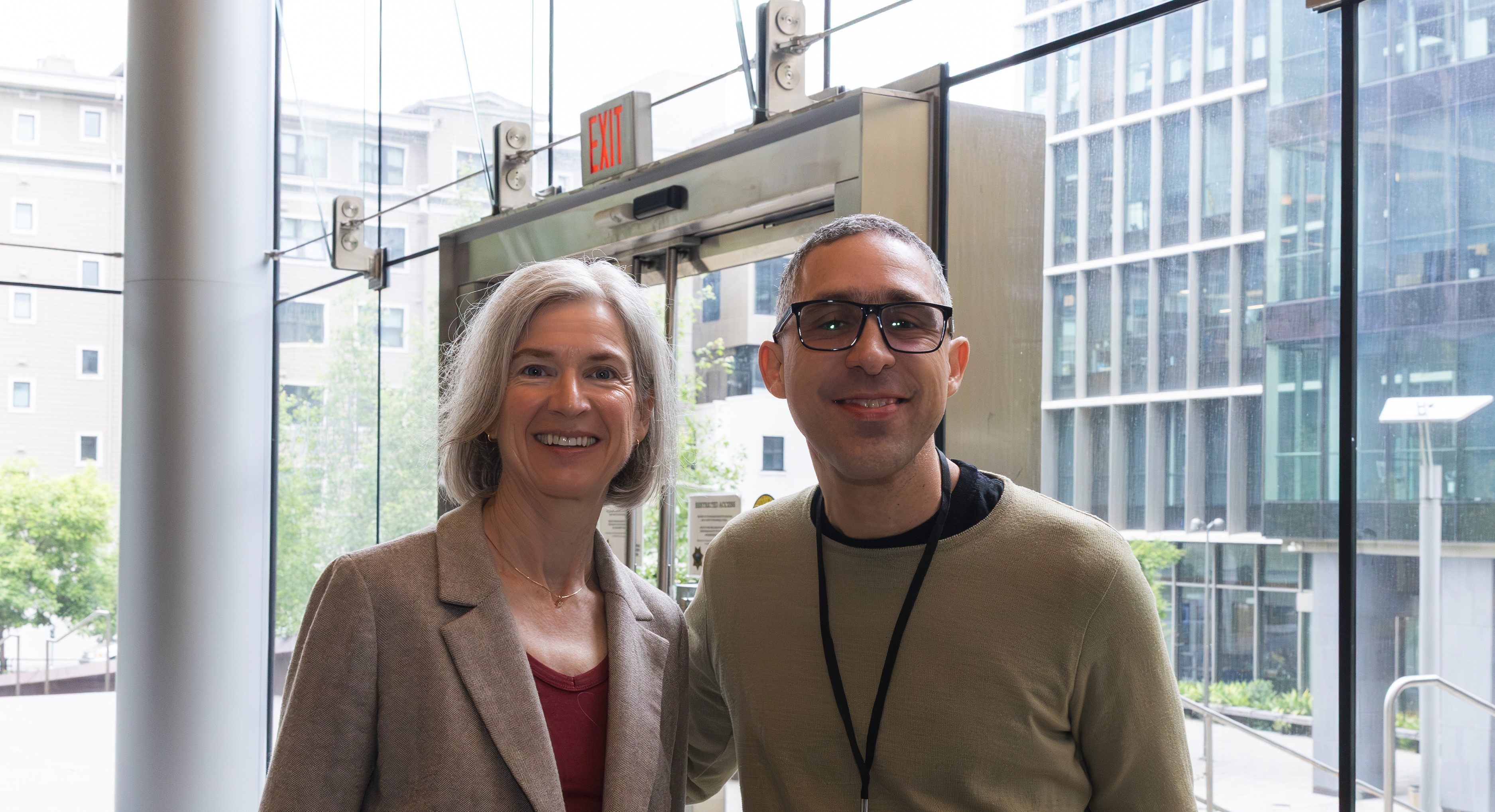
"This project shows that CRISPR can be used creatively to engineer microorganisms beyond the laboratory, in systems relevant to greenhouse gas emissions and commercial agriculture"— Dr. Jennifer Doudna, 2020 Nobel Laureate in Chemistry (17th June 2026)
 Agronomic PracticesAppliedTechnological
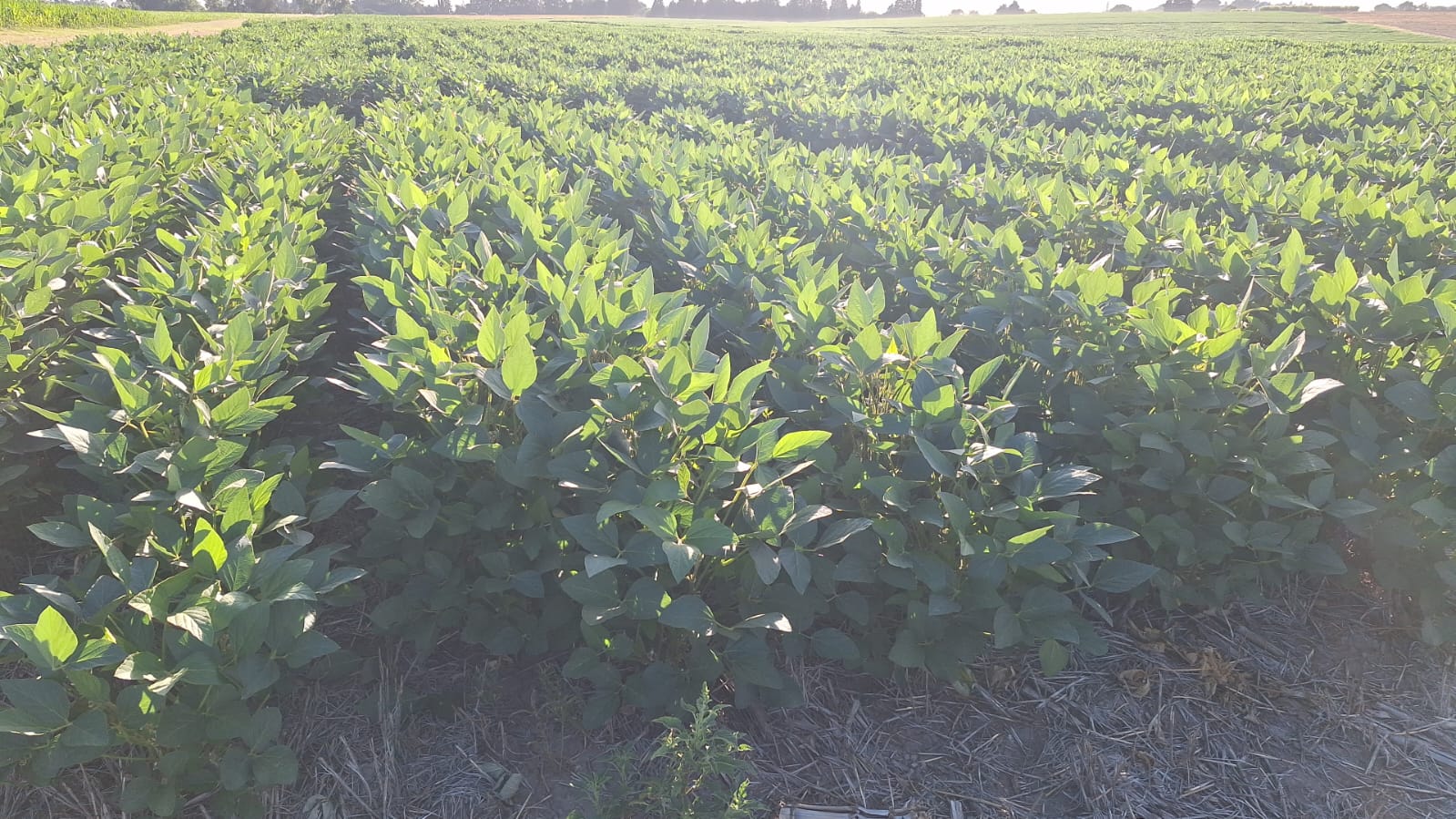
The improved strains cut nitrous oxide emissions by roughly two orders of magnitude in alfalfa rhizobia and by close to 90 % in soybean rhizobia edited in napA. Among the CRISPR/Cas9-edited soybean clones, 36 % showed a marked reduction in nitrate reductase activity. The environmental gain was not paid for in yield: in alfalfa the low-emission mutants kept productivity and nodulation on a par with the commercial inoculant, and in soybean strains such as GR5 and MGD1 improved nitrogen content and glyphosate tolerance. More than 50 glyphosate-tolerant strains were obtained, five beneficial microorganisms were extended to new crops, and 20 peer-reviewed papers were published.
Relevant data







Argentina

Uruguay

Colombia

Chile

España

The Tangible Impact of Science and Technology in the Field

 Impact
 Initiatives
 Dashboard
 Alliances
 Impact
 Initiatives
 Dashboard
 Alliances