
 Impact
 Initiatives
 Dashboard
 Alliances

 Impact
 Initiatives
 Dashboard
 Alliances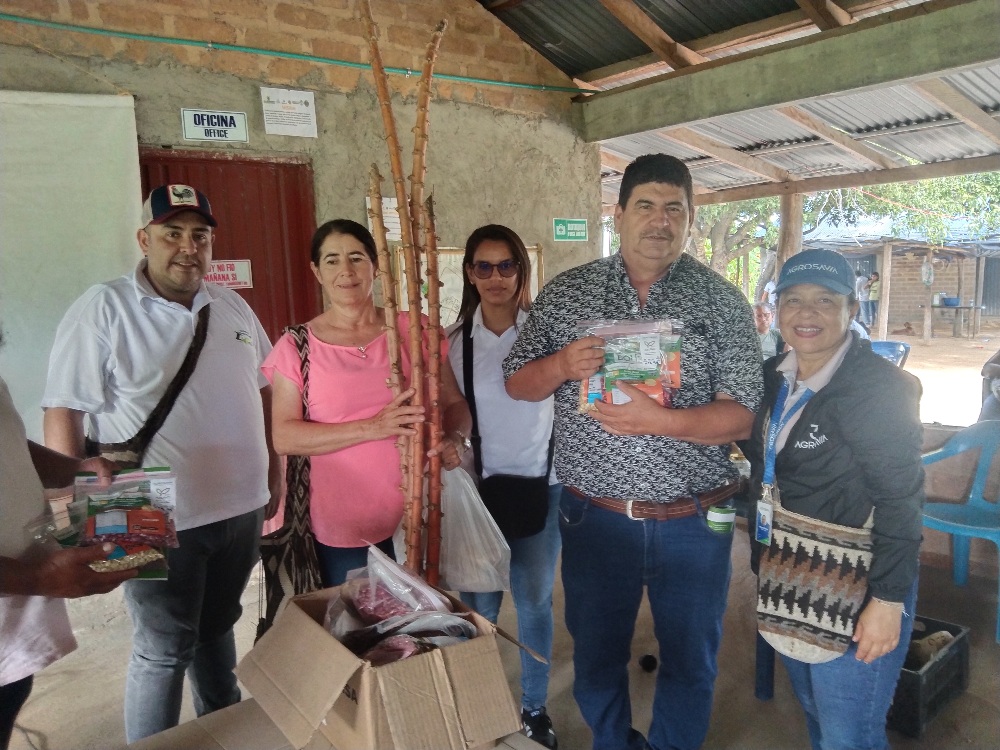

 Technological
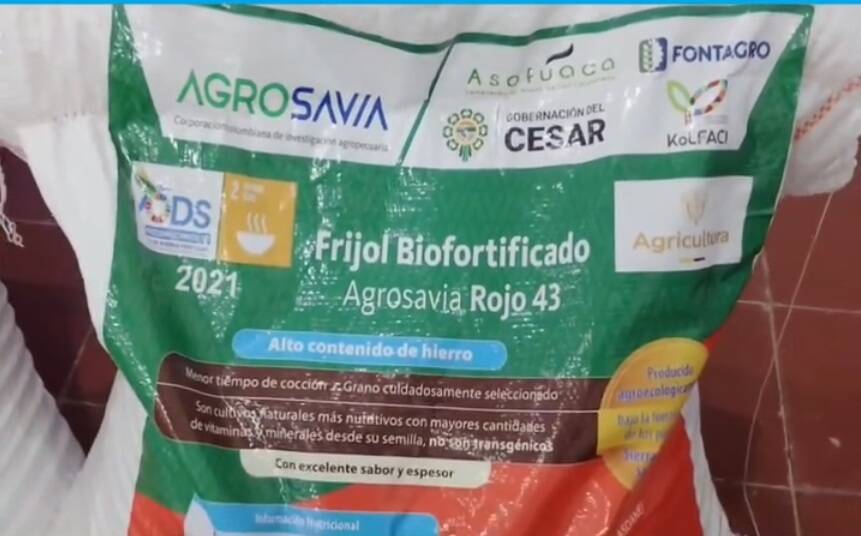
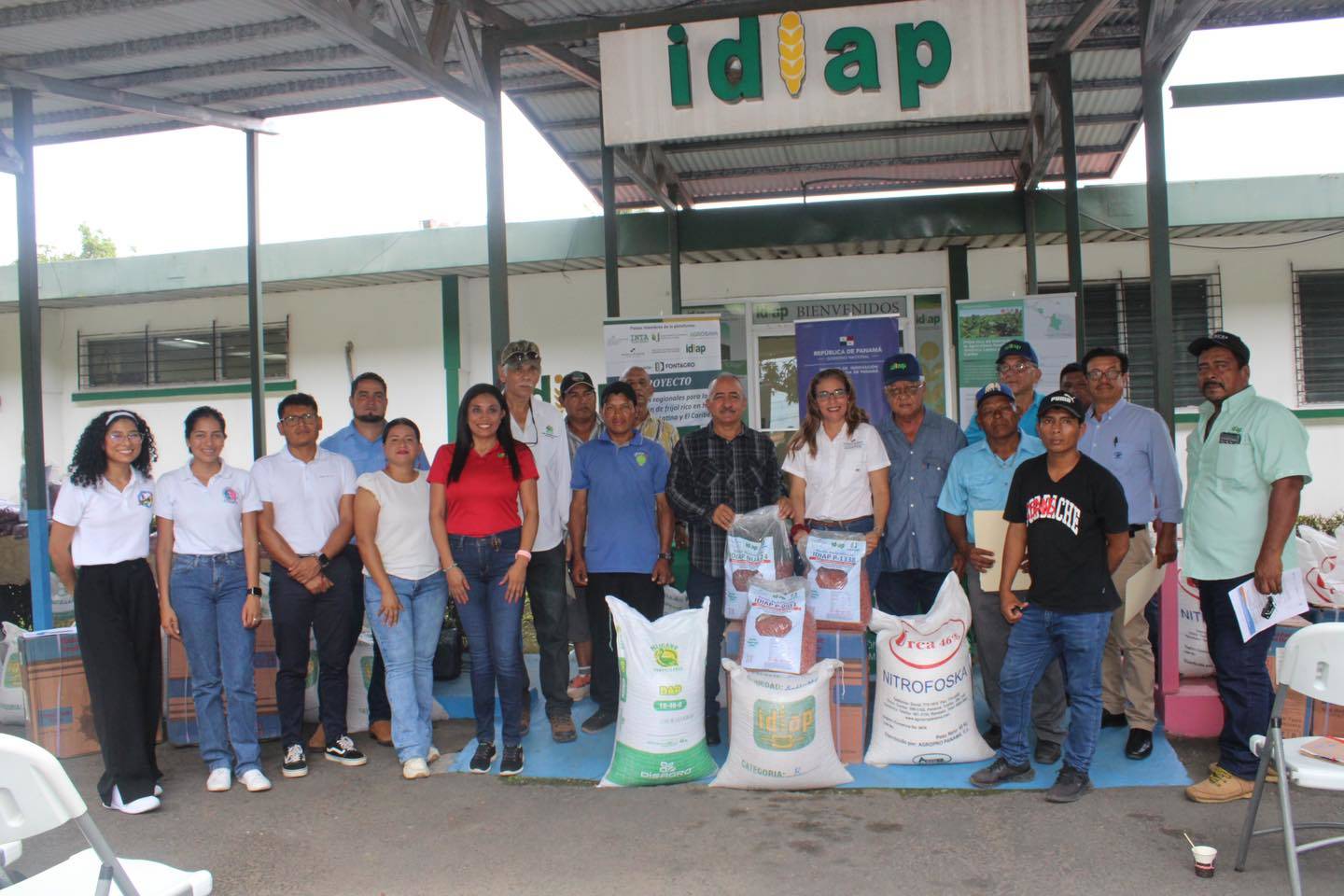
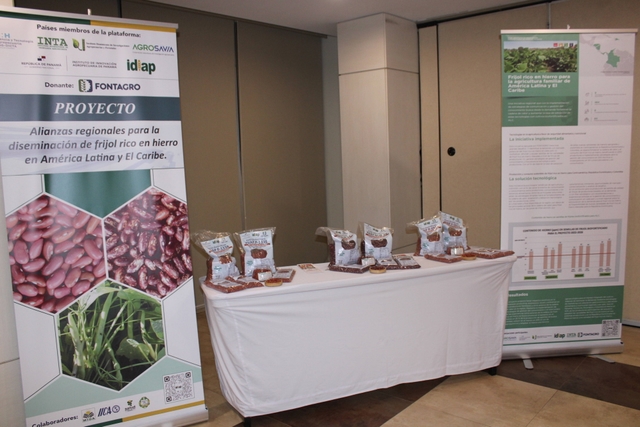
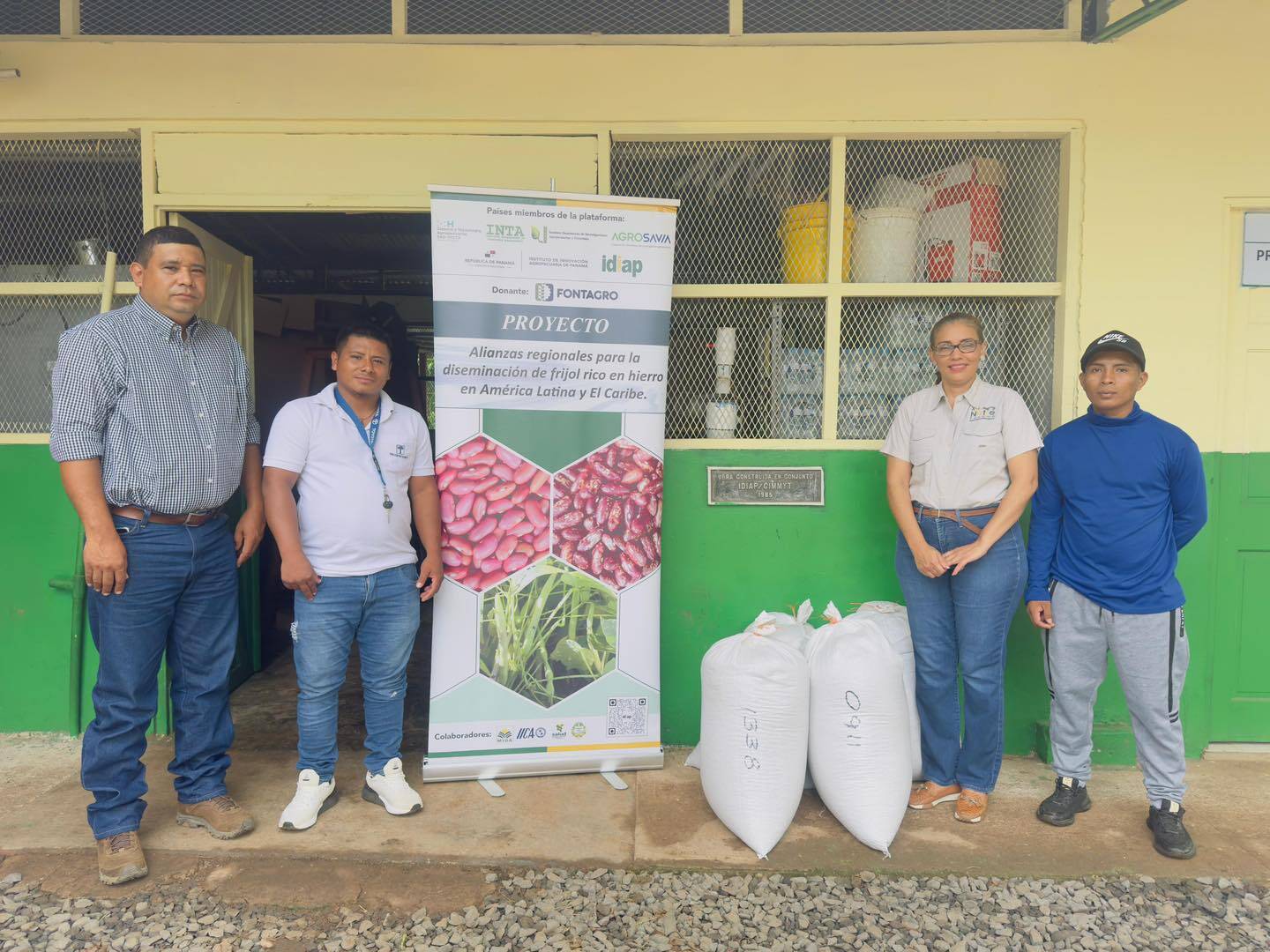
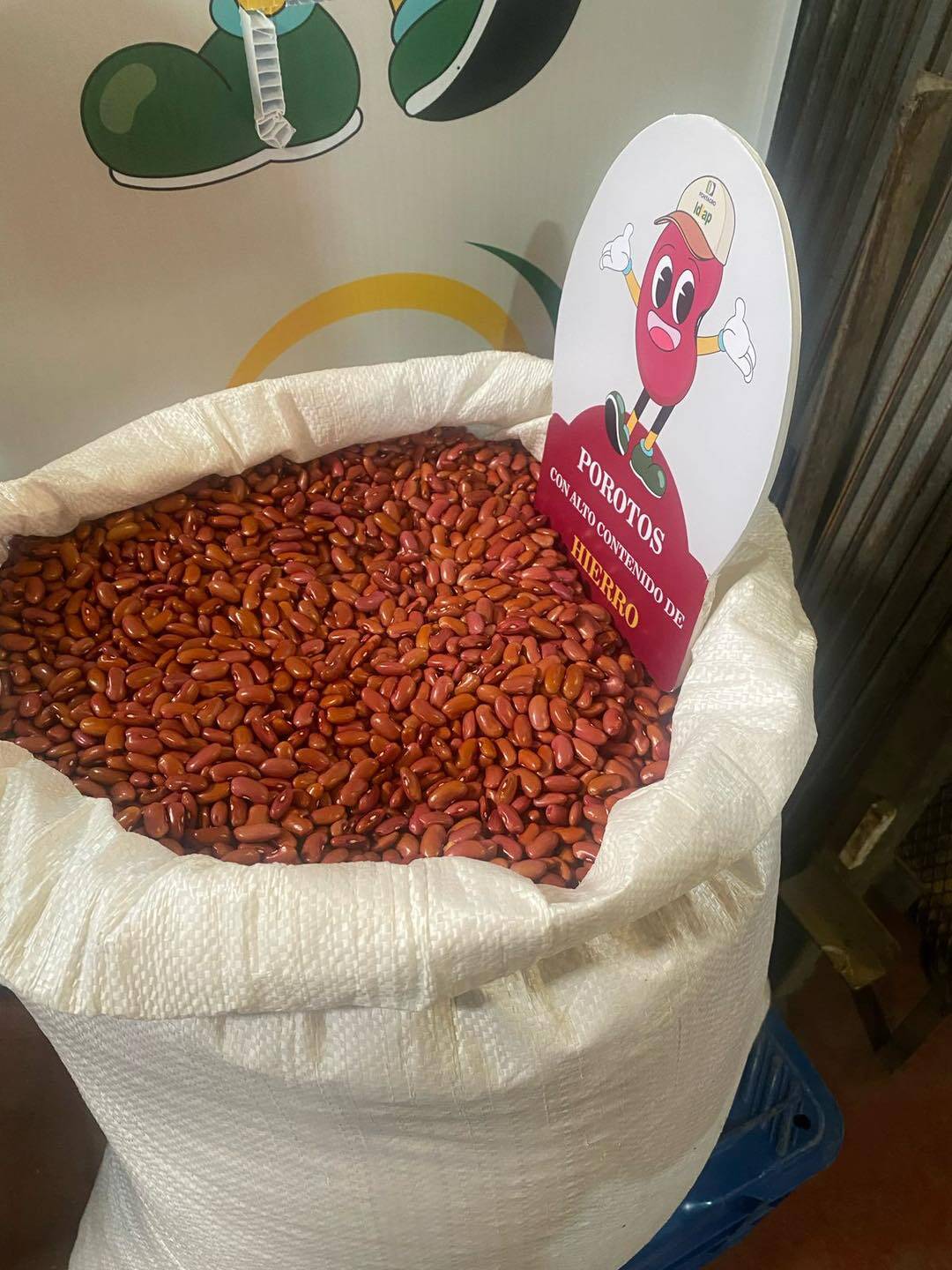
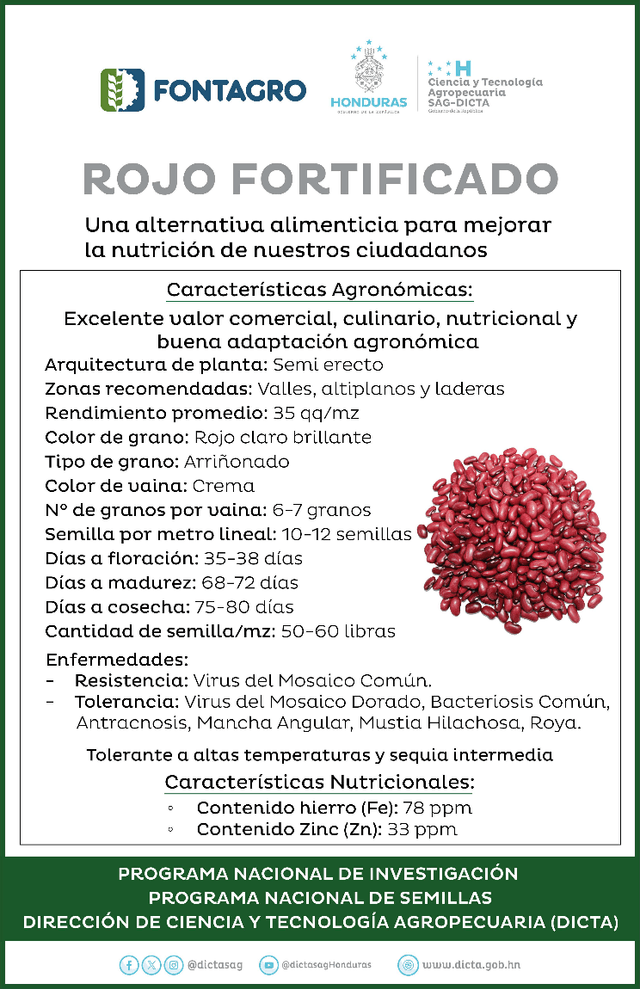
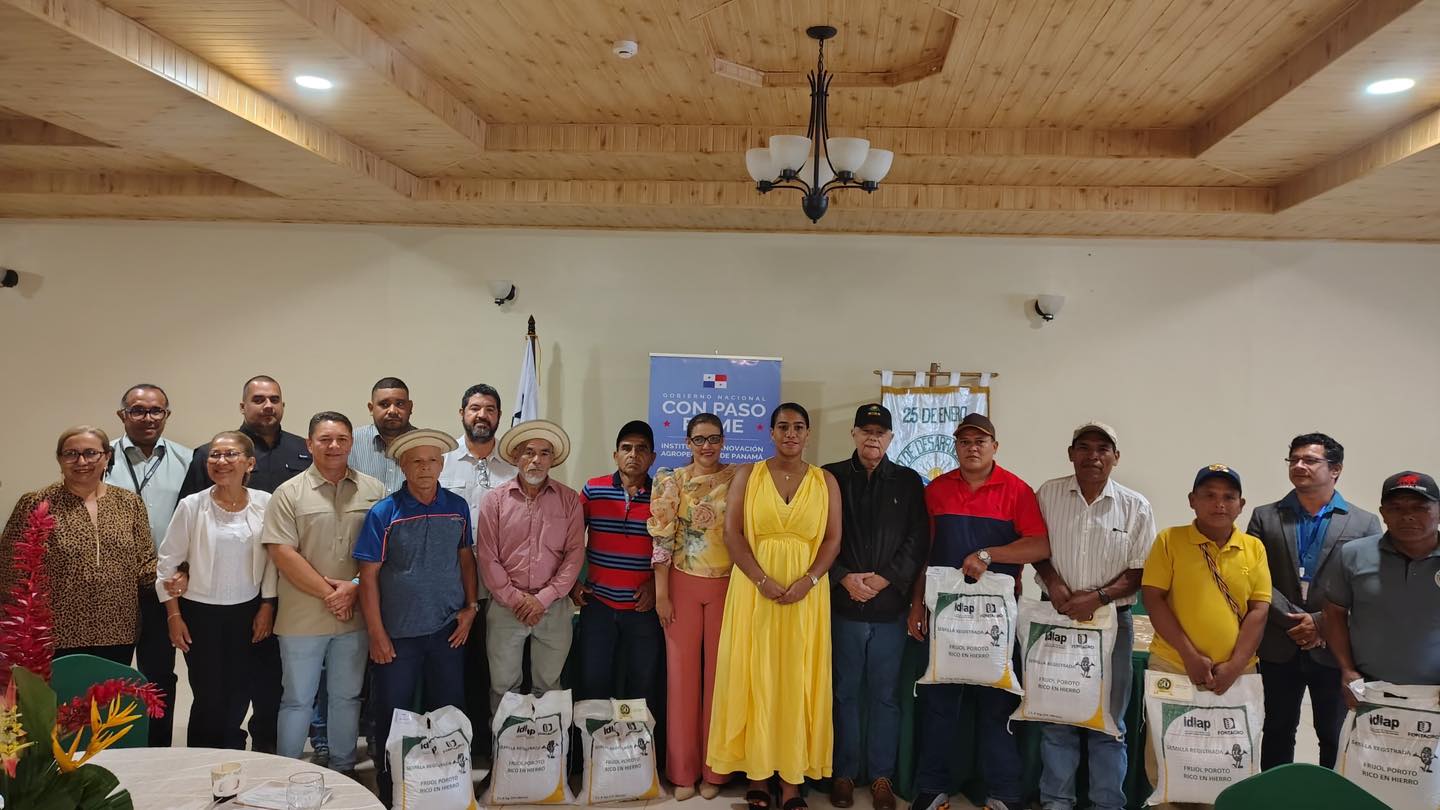
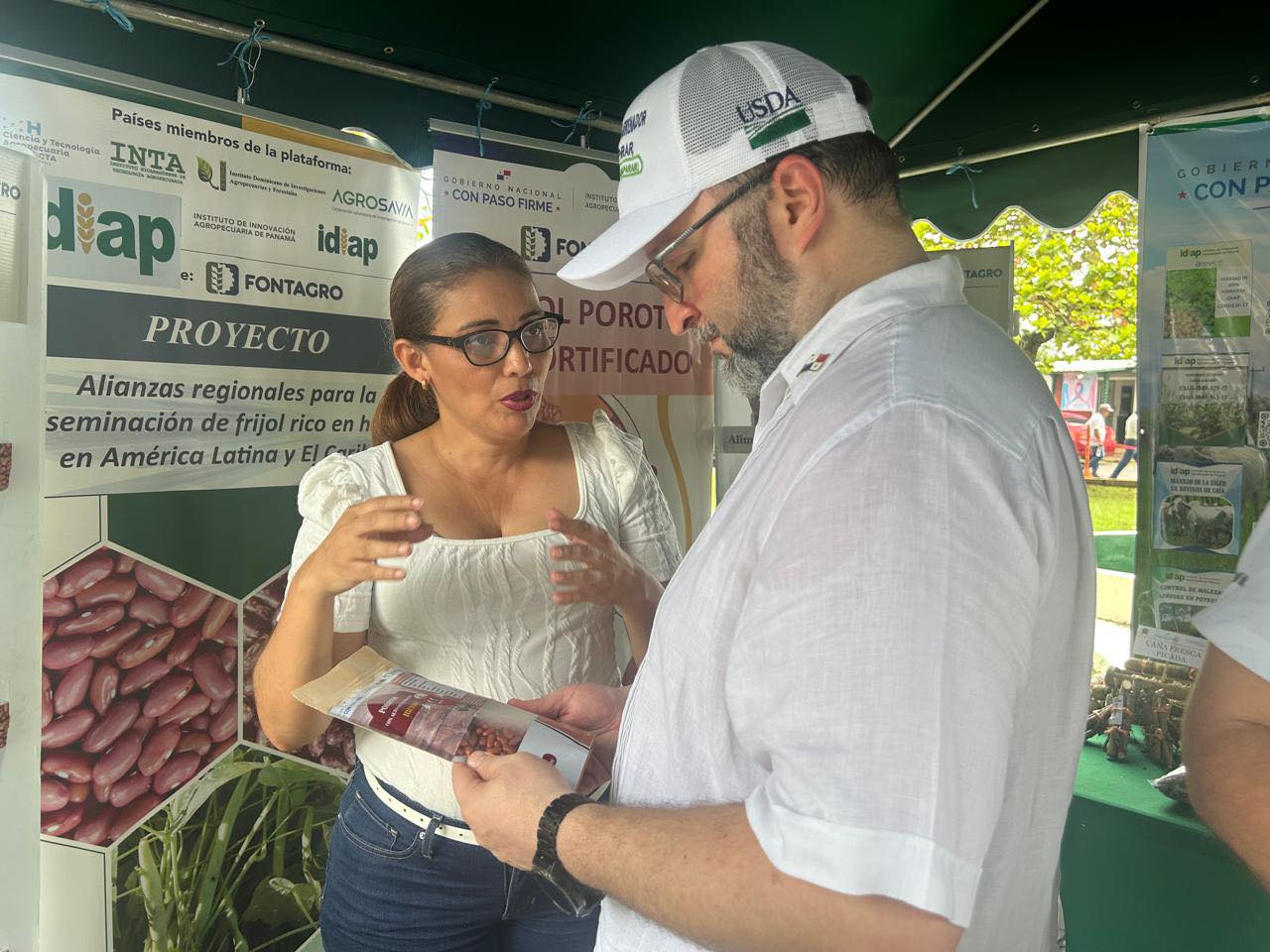
With the international intercultural forum, the Corporation connects actors and objectives of AGROSAVIA's research agenda projects: 1. Research on drought resistance of beans (Phaseolus vulgaris L.) in the face of climate change - ["Obtaining varieties for commercial use or peasant economy of drought-tolerant beans under sustainable production systems in the Colombian Caribbean"], funded by KOLFACI; 2. AGRILACRESILIENTE Cesar, funded by CGIAR; 3. Regional alliances for the dissemination of high-iron beans in Latin American countries funded by FONTAGRO; 4. "Agroecological agro-food systems: transition from traditional agro-food models in Rio de Oro (El Cesar) and Uribia (La Guajira) contributing to META 25 of the Ministry of Agriculture and Rural Development 15 AGROECOLOGICAL MODELS IN AGRO-FOOD SYSTEMS FOR EXISTING AND POTENTIAL PEASANT RESERVE ZONES"; 5. Linking technologies with a focus on food security and ecological agriculture in ancestral villages of the Sierra Nevada de Santa Marta, through the integration of territorial rural actors for innovation. These five projects benefit ZOMAC municipalities such as Valledupar, community councils such as Guacochito, and associations such as ASOPROAGROGAR; Río de Oro, a peasant reserve zone; and indigenous reserves in Cesar and La Guajira (Arhuaco, Kankuamo, Wiwa, Yukpa, Kogui, and Wayuú).
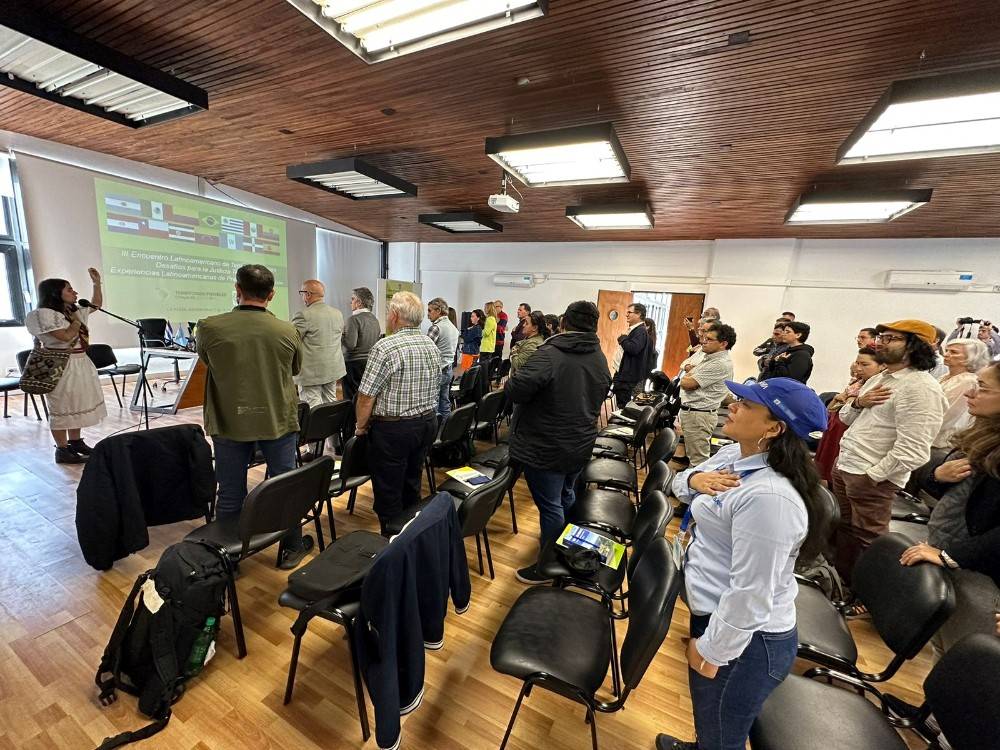
The international intercultural forum was guided by a team made up of seed experts from the Kankuamo people, ASOANEI, the National University of La Plata (Argentina), the Andean Area University Foundation, the Social Pastoral of Valledupar, Umatade Río de Oro, and AGROSAVIA.
These entities are committed to promoting food autonomy, intercultural knowledge, and local seed banks.
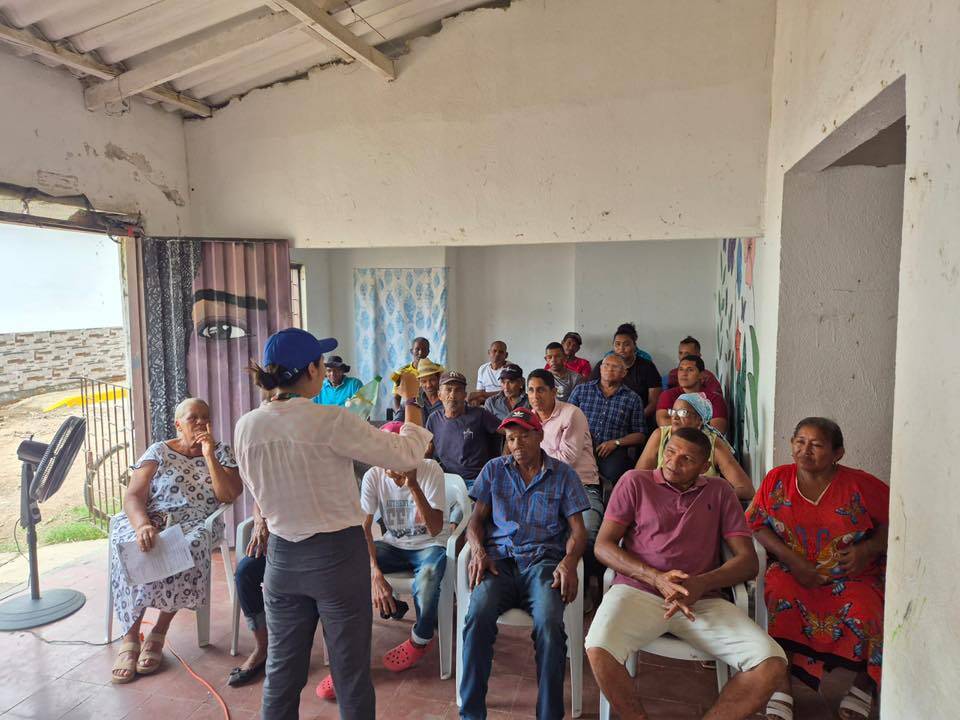
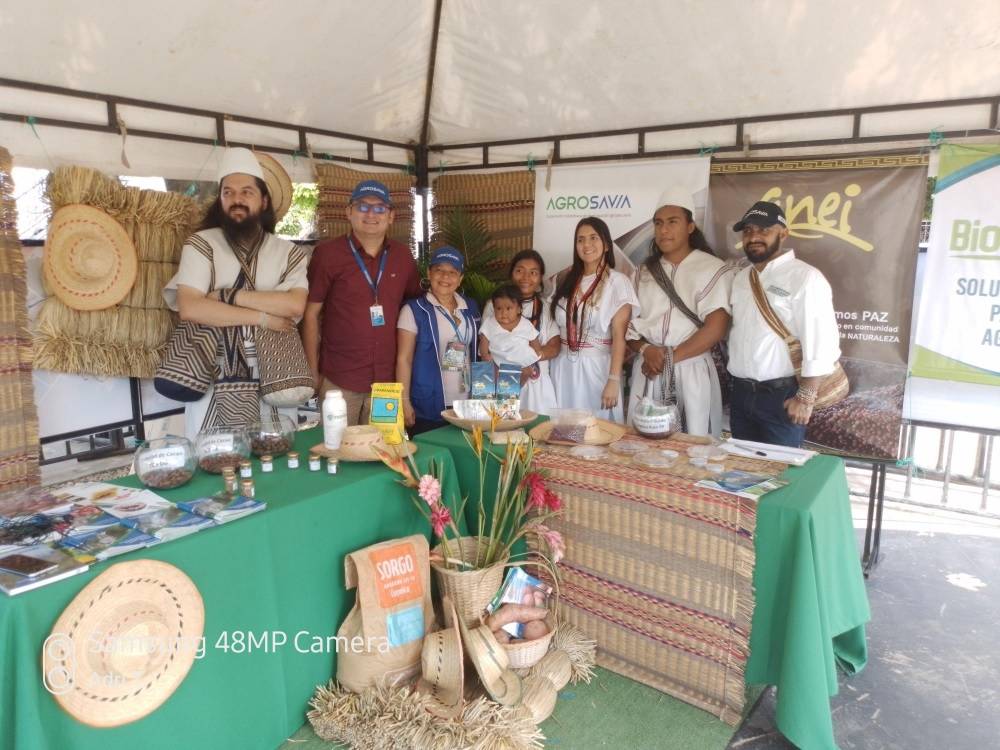
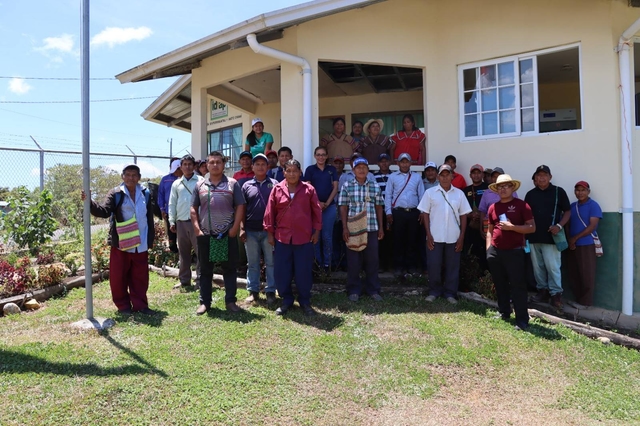
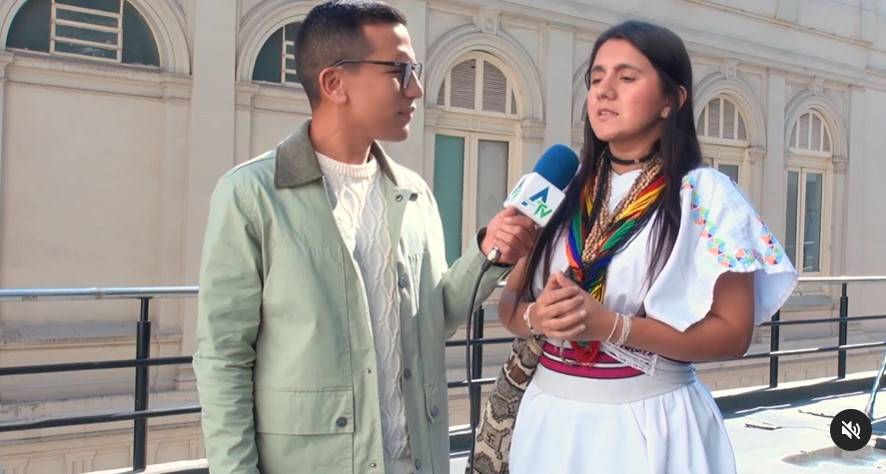
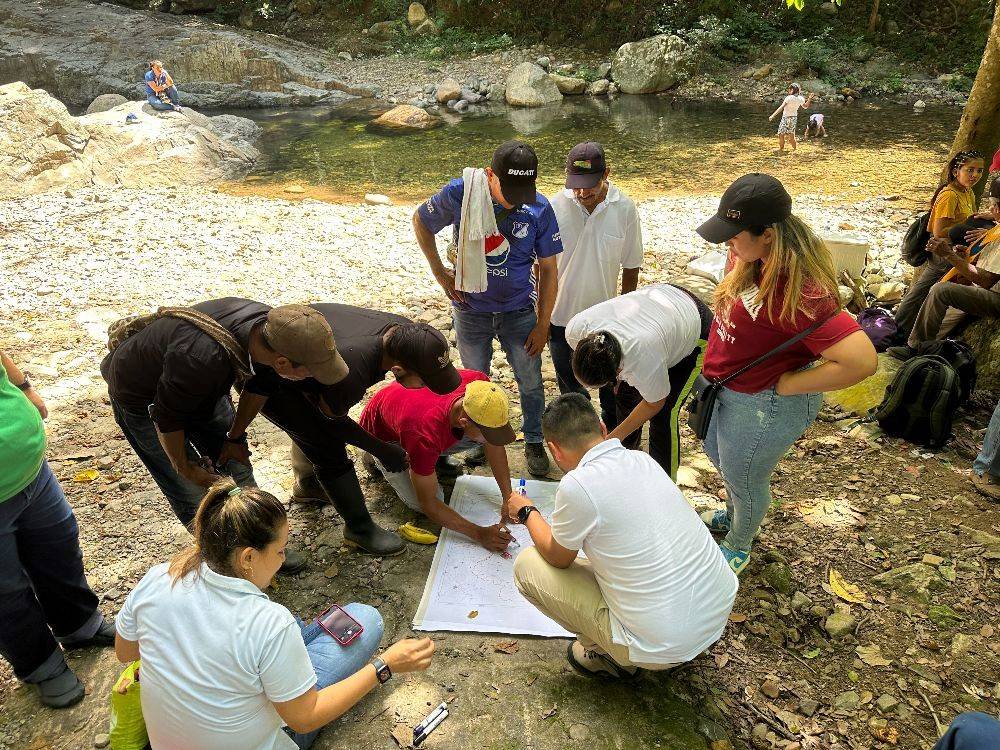
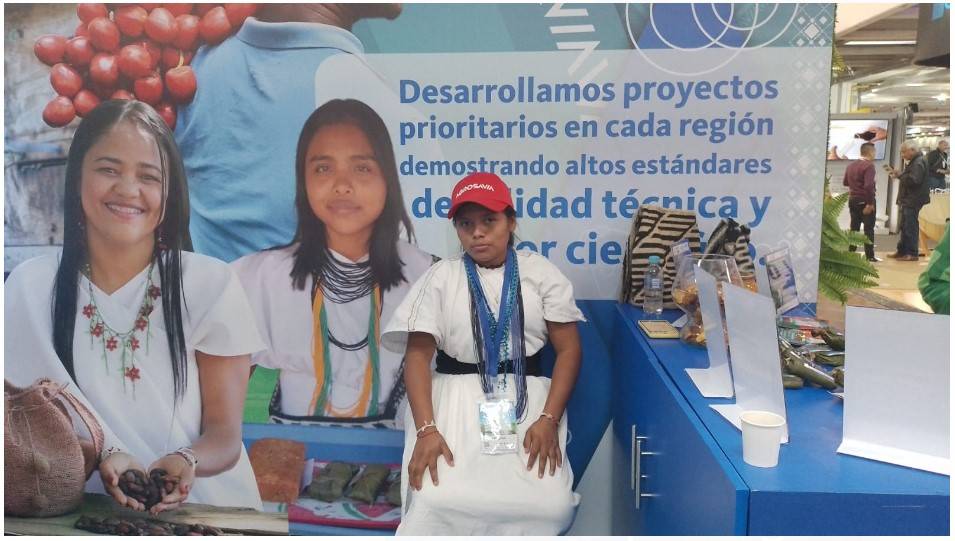
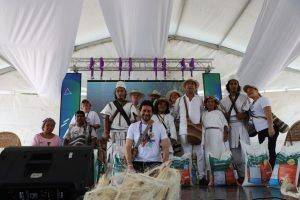
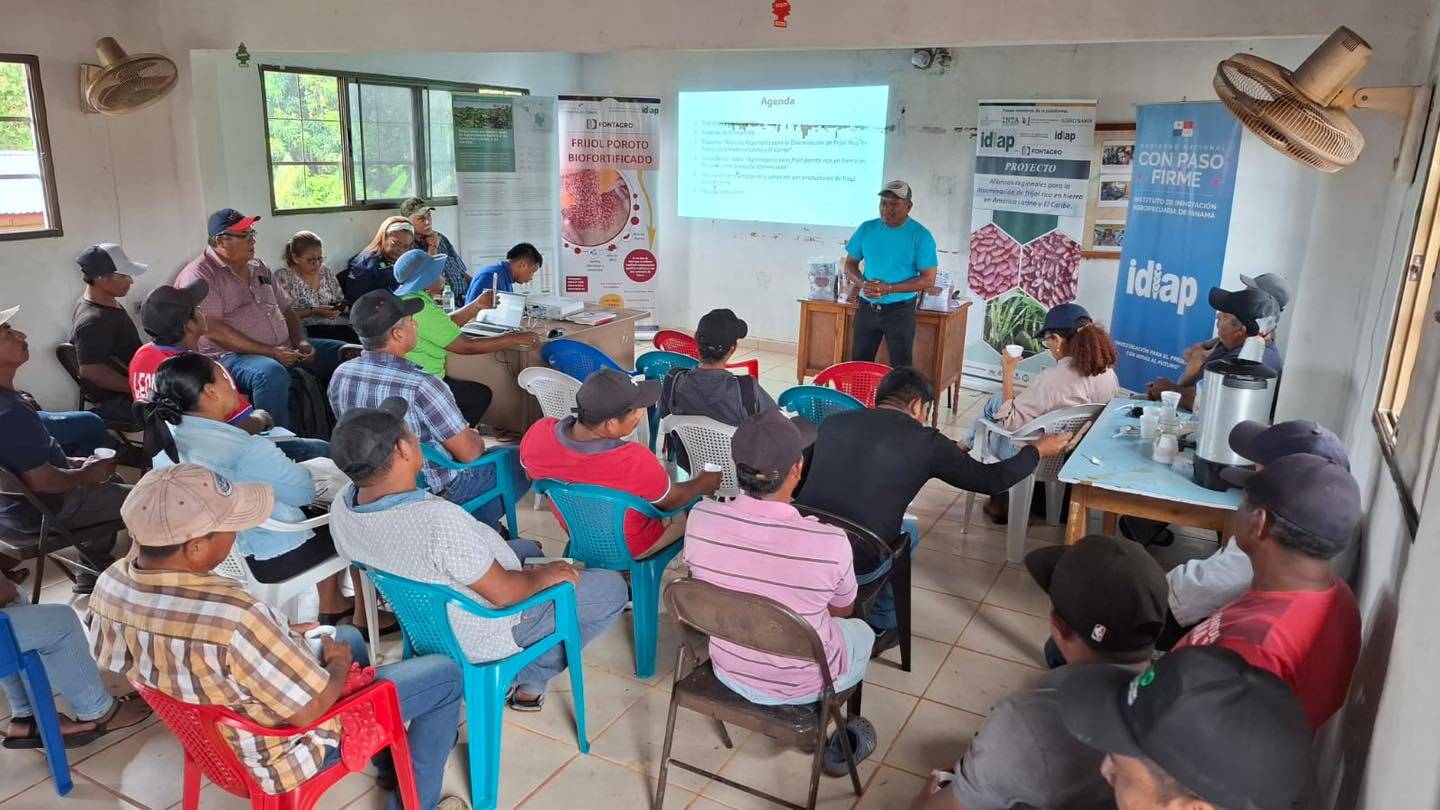
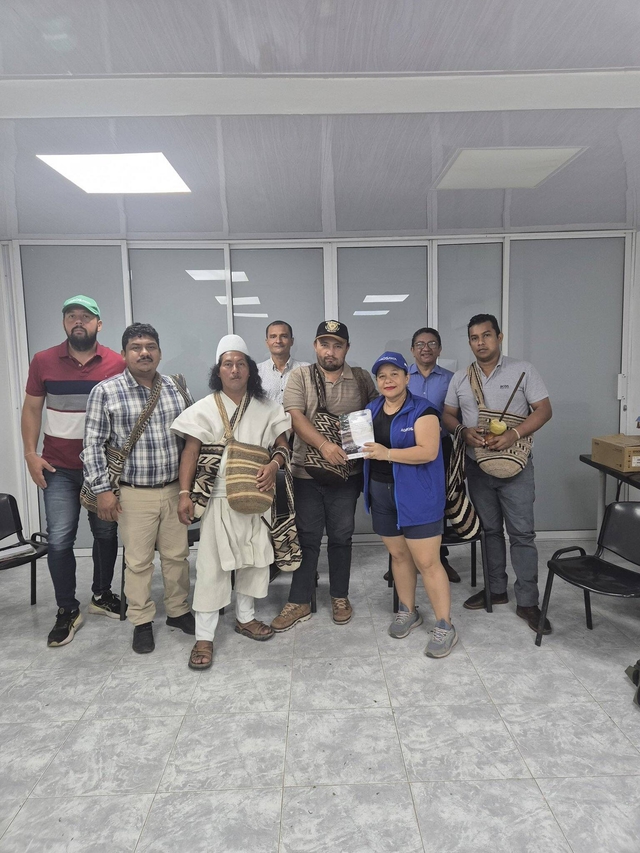
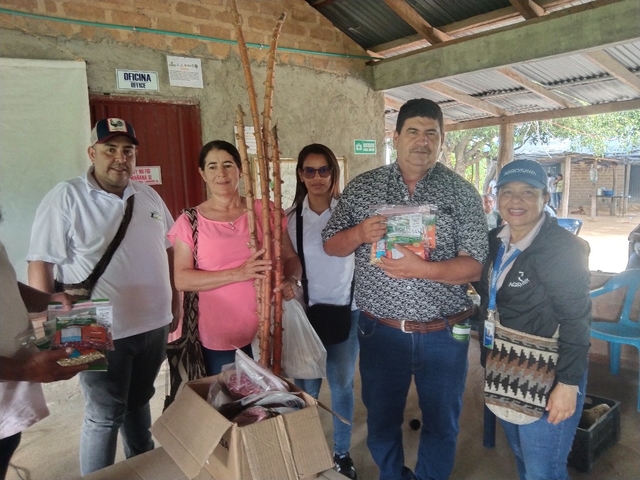
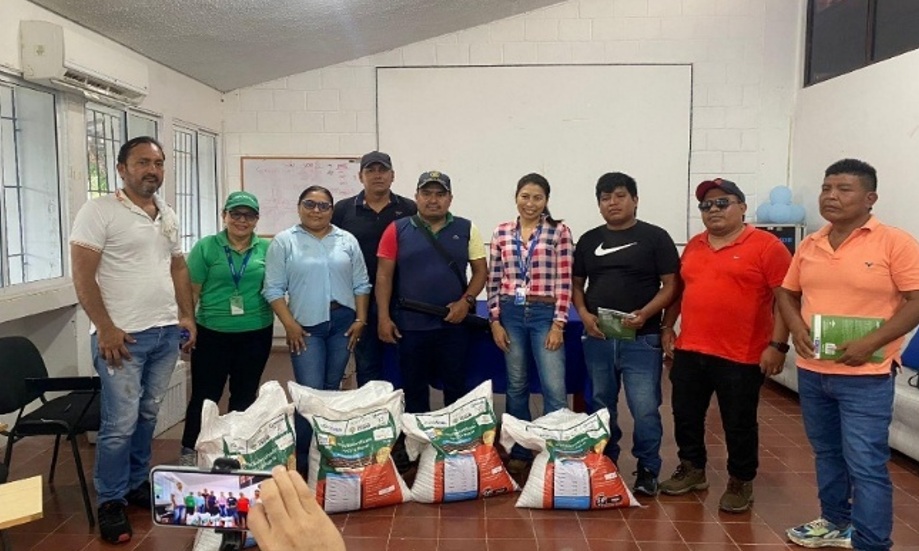
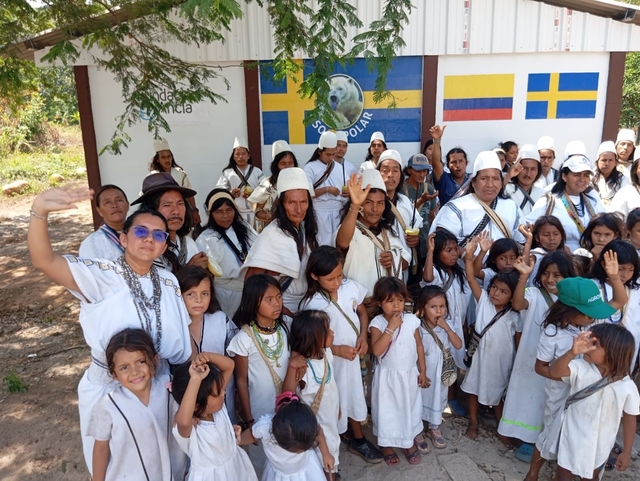
The event allowed for the exchange of knowledge between ethnic groups, as Kankuamo women associated with the seed bank participated as workshop leaders for an audience composed of indigenous Wiwa, Kankuamos, Arhuacos, Yukpas, and Wayuú. Women from the Guacochito community council, Valledupar, and peasant associations such as ASOPROAGROGAR from the Cuba Putumayo district, La Mesa, Valledupar, ASOFUACA, and ASOGITANO from Río de Oro, Cesar, also participated.
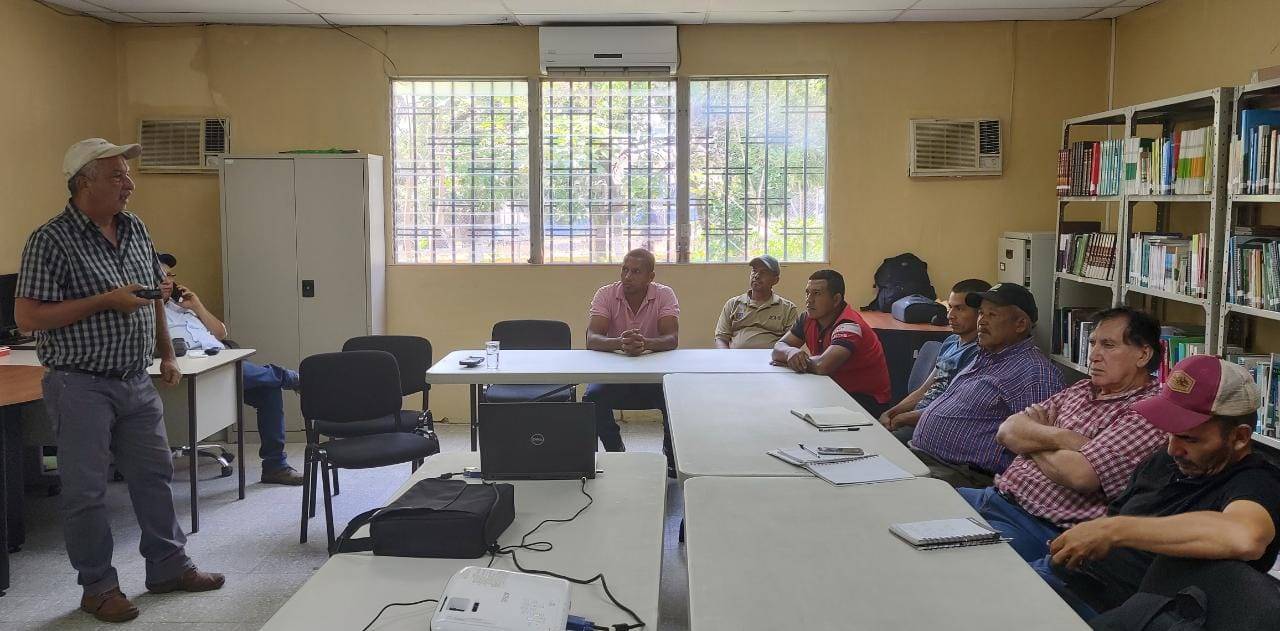
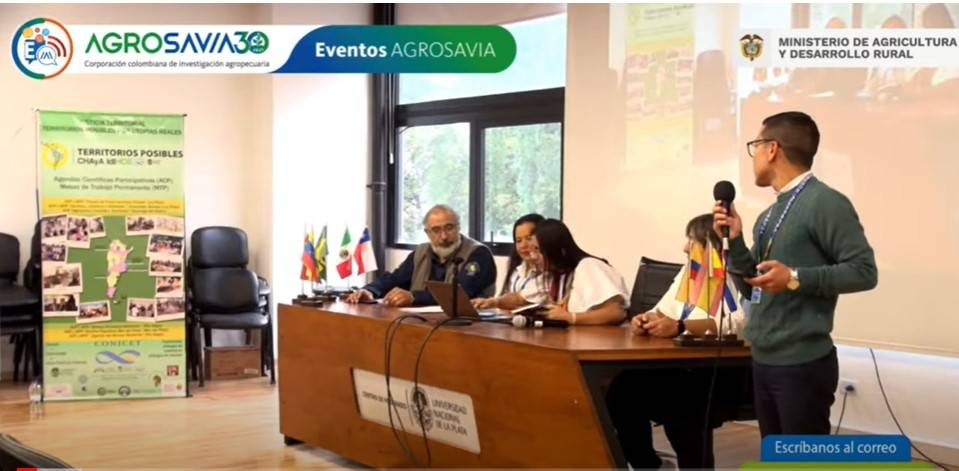
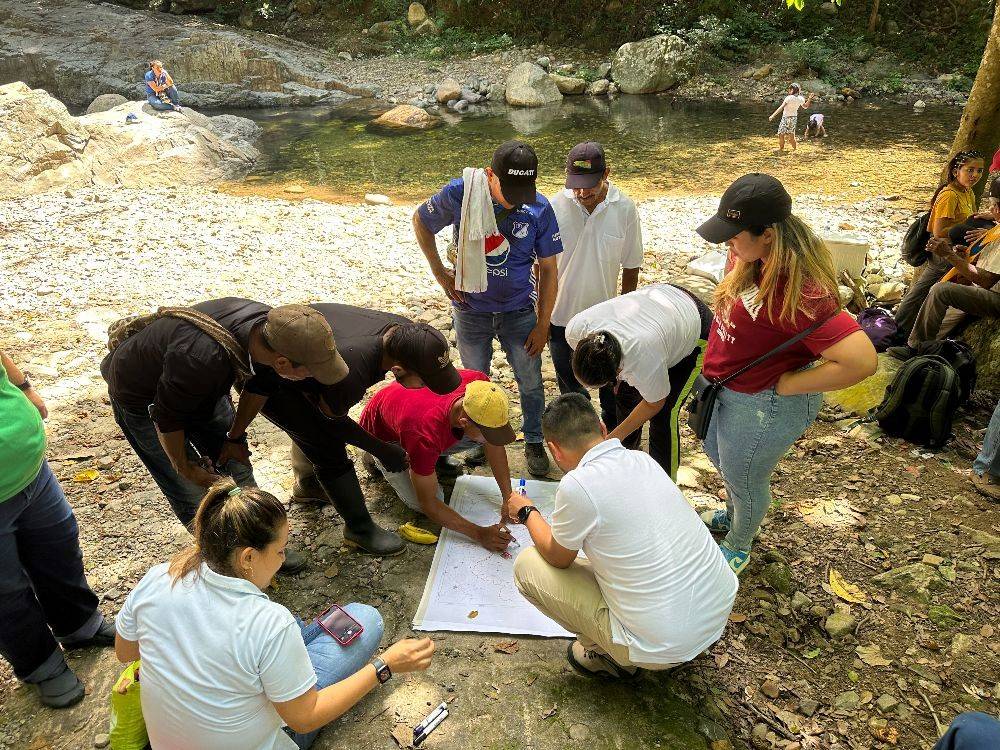
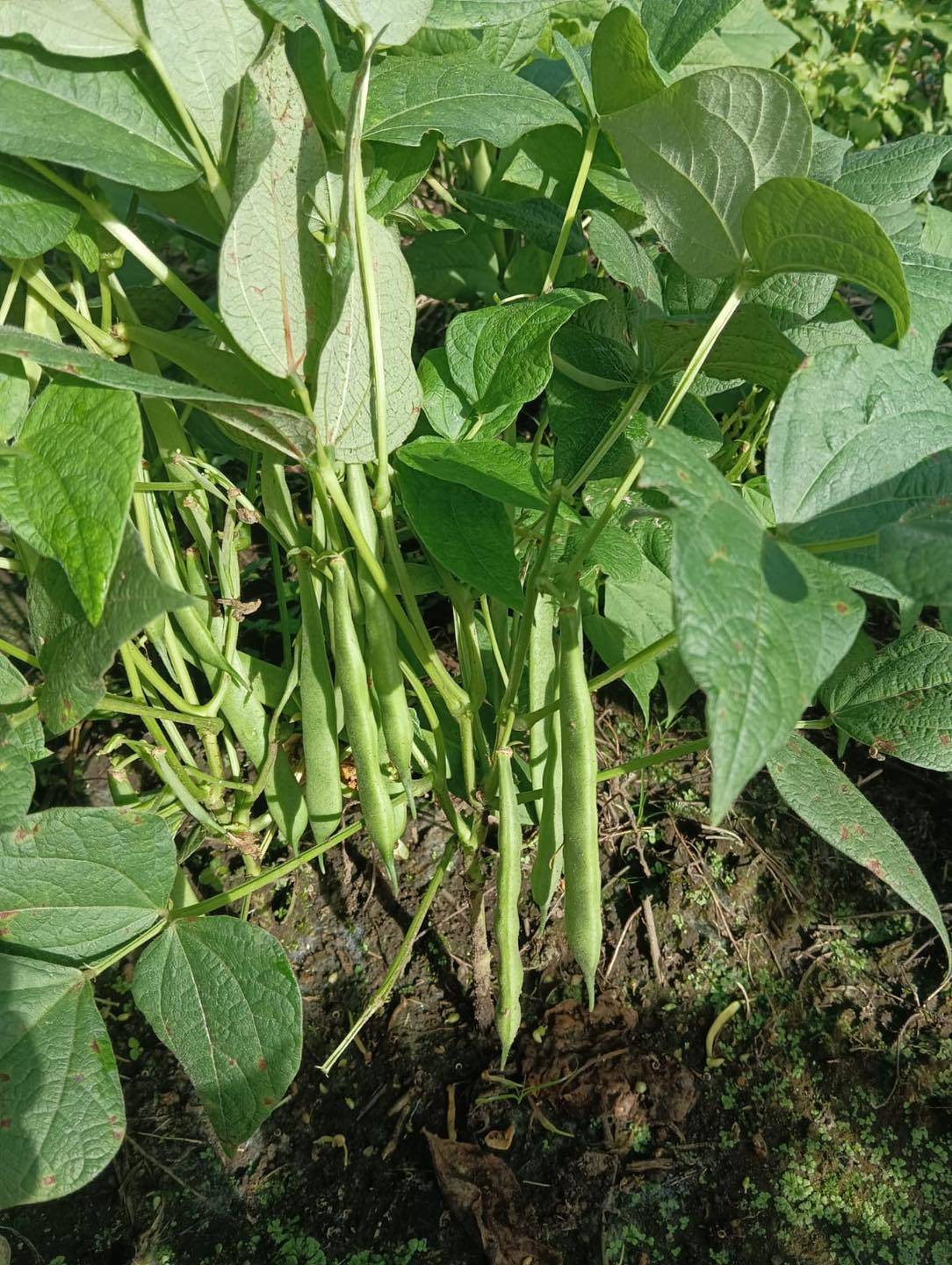
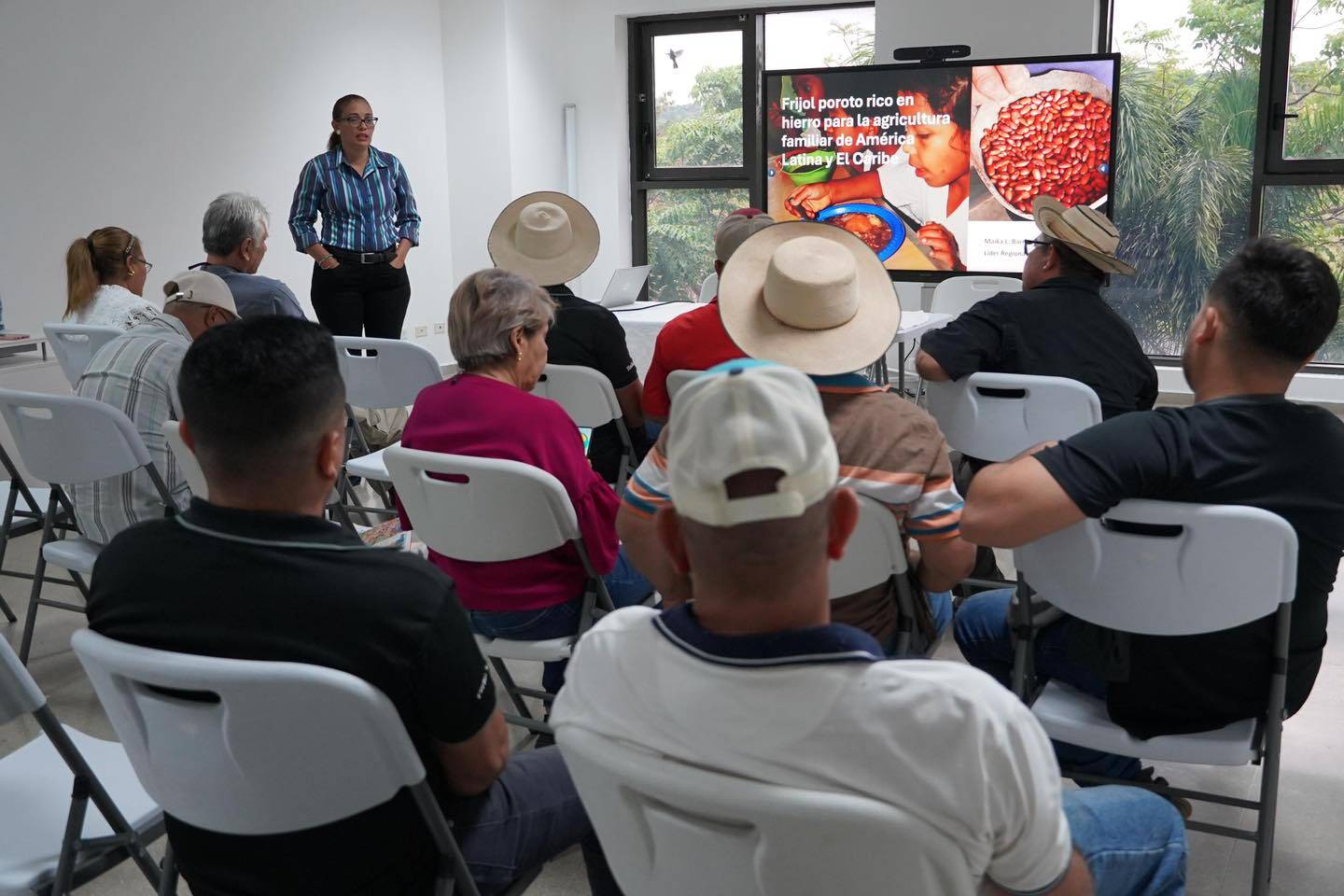
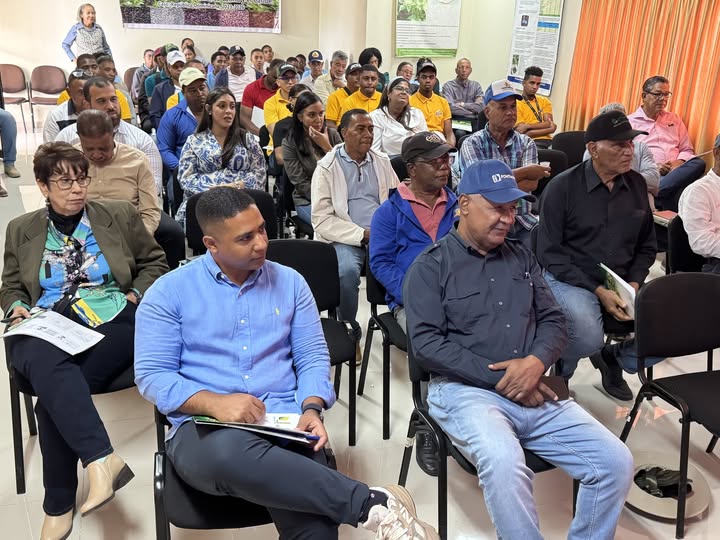
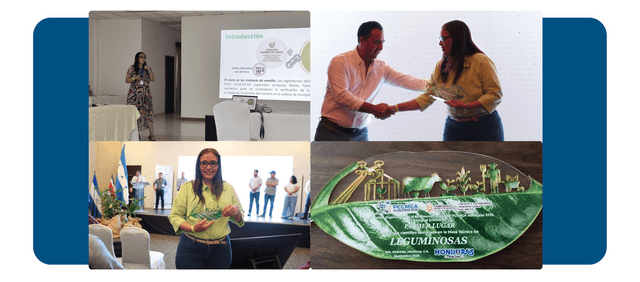
Through the international intercultural forum held the previous week on -the participatory selection of climate-change-tolerant beans: experiences in the Sierra Nevada of Santa Marta, Colombia-, the Motilonia Research Center of AGROSAVIA presented its work to various sector actors in the departments of La Guajira and Cesar, focusing on the results of investigations that have been carried out with indigenous, Afro-Colombian, and peasant populations in the municipalities of Pueblo Bello, Valledupar, San Diego, Becerril, and Río de Oro in the Cesar department and Uribia in La Guajira, regarding biofortified beans - funded by Agrilac Resilient and FONTAGRO-; climate-change-tolerant beans funded by KOLFACI and the Ministry of Agriculture and Rural Development. The goal of the forum was to disseminate the management and scope of the Kankuamo people's seed bank, which has been active for two years, the lessons learned, associated processes, motivating ethnic groups and collectives to start their autonomous processes in seed production and conservation; as well as sharing experiences regarding beans with the communities benefiting from AGROSAVIA.
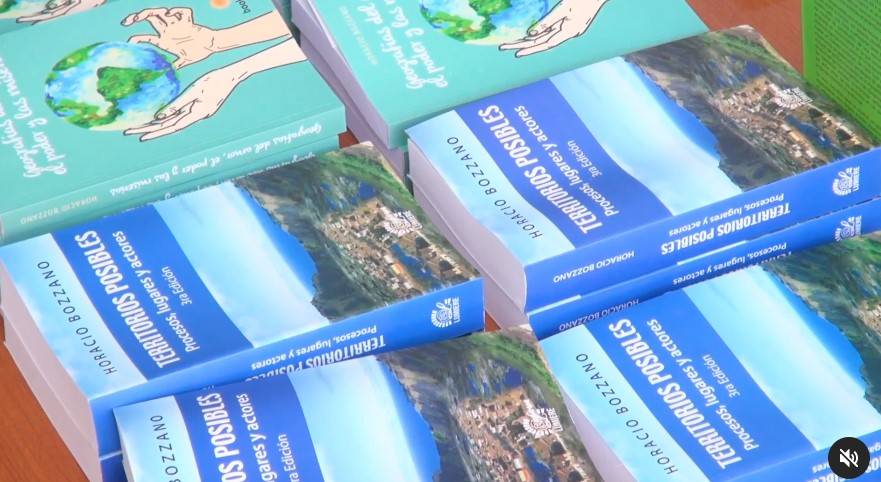
The international reach of the event was highlighted by the participation of panelist Horacio Bozzano, a researcher from CONICET and the National University of La Plata in Argentina. Bozzano holds a doctorate in Geography, Territorial Planning, and Urbanism from the Université de Paris III Sorbonne Nouvelle and is the coordinator of the Latin American Scientific Network Territorios Posibles, Praxis, and Transformation. Regarding this position, he contributed to the forum with experiences in Latin America related to Popular Science and intercultural processes, especially those achieved with indigenous populations in partnership with the Universidad de Chapingo in Mexico.
Clarena Maestre, a professional Kankuamo affiliated with the technical team of Asoanei, indicated that similarly to the seed that adapts to different soil and climate conditions, ancestral peoples must adapt to current demands arising from environmental degradation and climate change by weaving intercultural thought and working together with institutions.
Rubby Gnecco, the director of the architecture program at the Andean Area University, stated that an approach has begun with the Kankuama-OIK indigenous organization to weave thoughts around the adjustments needed for the seed bank to improve its operability without losing harmony with the environment. For her part, Alix Castro, director of the social communication program at the Andean Area University Foundation, expressed the relevance of contributing from academia to the creation of disseminative materials on ancestral and intercultural knowledge as a basis for the social management of knowledge.
One of the main conclusions of the international intercultural forum was the need to build a joint agenda for dissemination in each territory, participatory selection of beans for climate change in producer plots, exchange of knowledges, and seed production offered by ethnic technicians in collaboration with AGROSAVIA. Likewise, the prioritization of linking entities and collectives to the network of Territorios Posibles, Praxis, and Transformation was emphasized to count on the support of 80 universities from 17 Latin American countries for the strengthening of community processes.
.jpg&w=640&q=100)
.jpg&w=3840&q=100)