 Impact
 Initiatives
 Dashboard
 Alliances

 Impact
 Initiatives
 Dashboard
 Alliances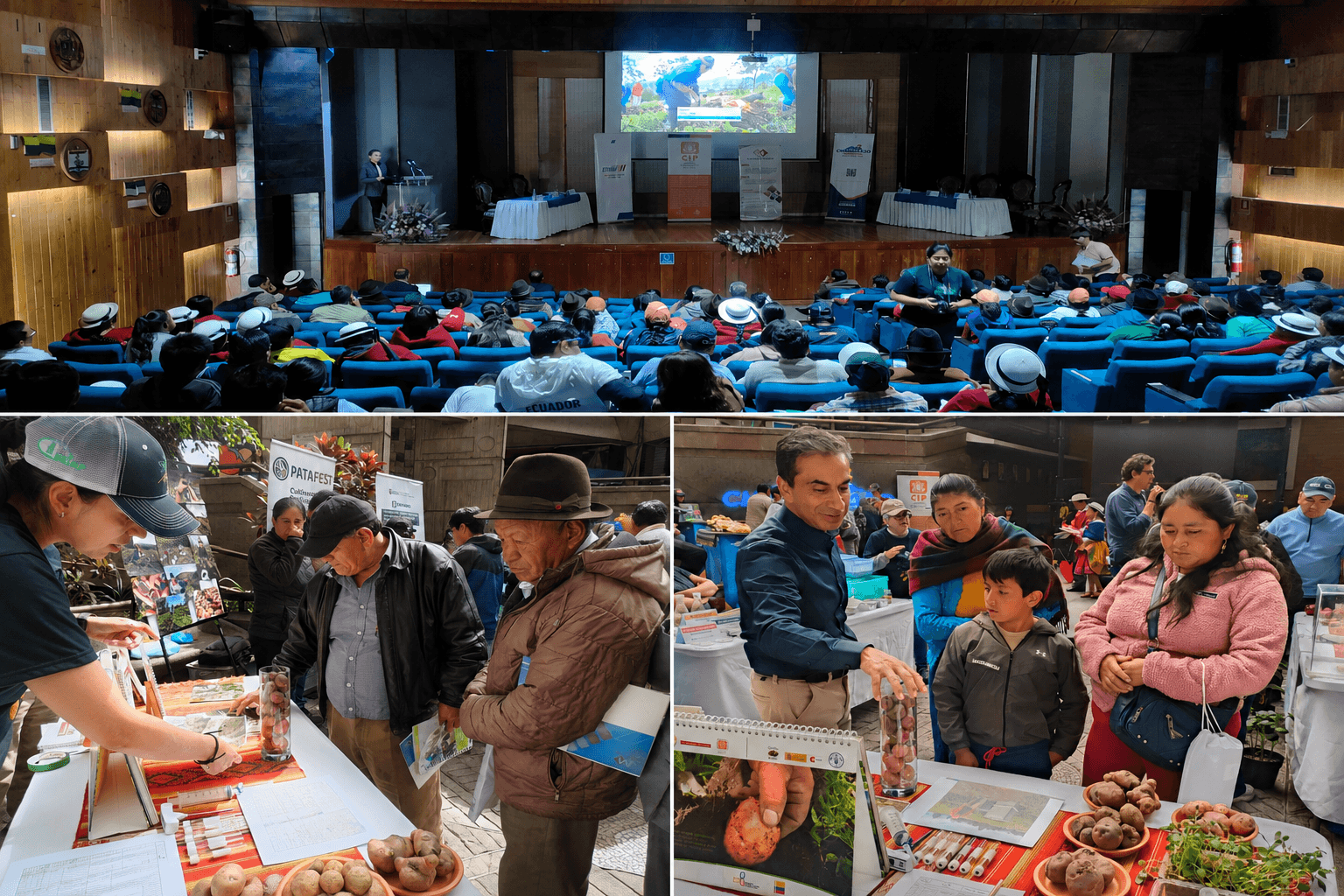

 Technological
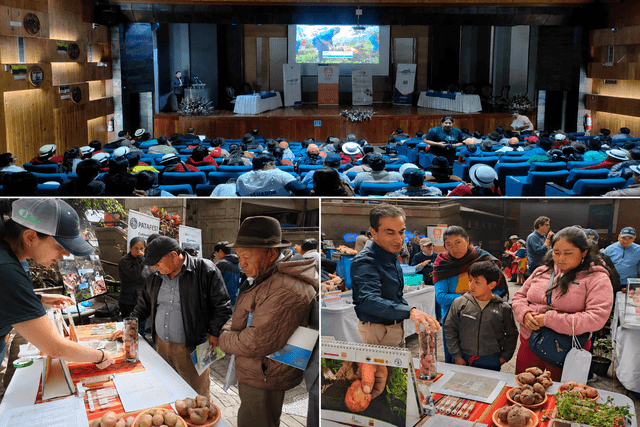
The event began with an opening ceremony attended by representatives of the Provincial Government of Chimborazo, the National Institute of Agricultural Research (INIAP), the Minga, Action, Rurality and Cooperation Foundation (MARCO), the Spanish Agency for International Development Cooperation (AECID), the International Potato Center (CIP), the Ministry of Agriculture and Livestock (MAG), and international cooperation organizations. During their remarks, the speakers emphasized the strategic importance of potato cultivation as a driver of economic development, food security, and the well-being of thousands of farming families in Ecuador. They also highlighted the need to strengthen collaboration among research, innovation, international cooperation, and public policies to promote a more competitive and sustainable potato sector.
The program featured keynote presentations addressing the role of potato as a strategic crop for international cooperation and rural development, the contributions of Spanish cooperation to strengthening the potato sector, and the role of INIAP in generating and transferring sustainable technologies aimed at improving the productivity, resilience, and competitiveness of potato production systems.
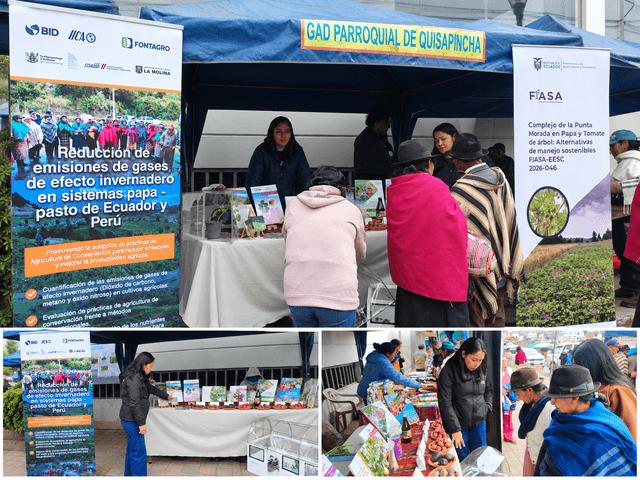
As part of the event, participants visited the institutional exhibition booths, where they learned about research, innovation, and technology transfer initiatives focused on sustainable agriculture, the conservation of plant genetic resources, the efficient management of natural resources, and capacity building for farmers. These exhibits showcased the collaborative efforts of national and international institutions to foster the sustainable development of the agricultural sector.
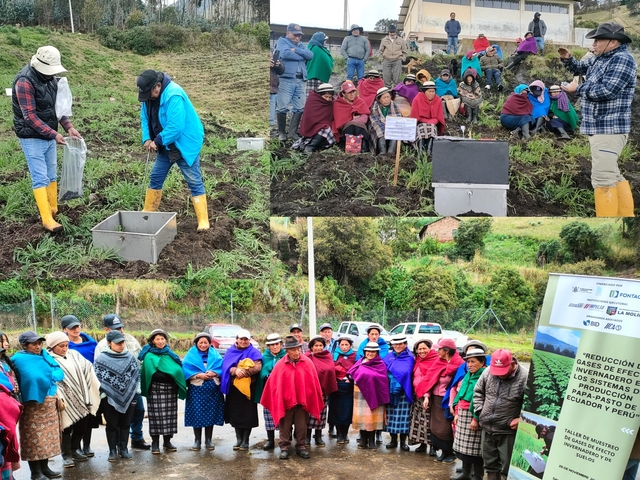
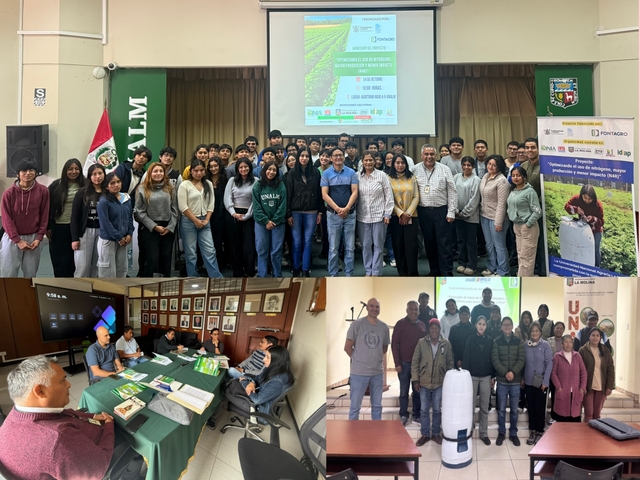
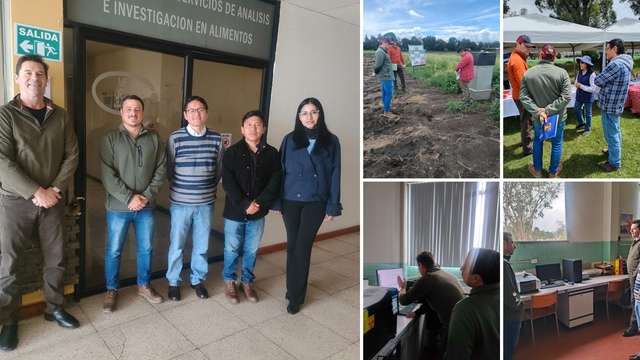
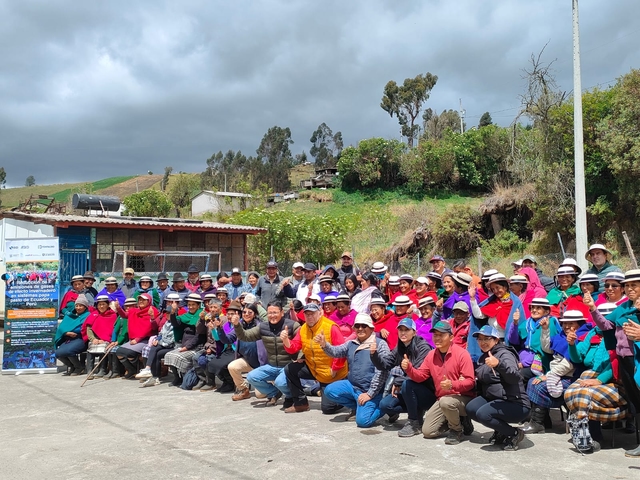
The FONTAGRO Project ATN/RF-21534-RG, "Reducing Greenhouse Gas Emissions in Potato–Pasture Systems in Ecuador and Peru," also participated in the event, presenting research advances aimed at generating scientific evidence and developing technologies to reduce greenhouse gas emissions without compromising the productivity of agricultural systems. These efforts contribute to enhancing the sustainability of potato production by supporting climate change adaptation and promoting more efficient, resilient, and environmentally responsible agricultural practices for the benefit of Andean farming communities.