 Impact
 Initiatives
 Dashboard
 Alliances

 Impact
 Initiatives
 Dashboard
 Alliances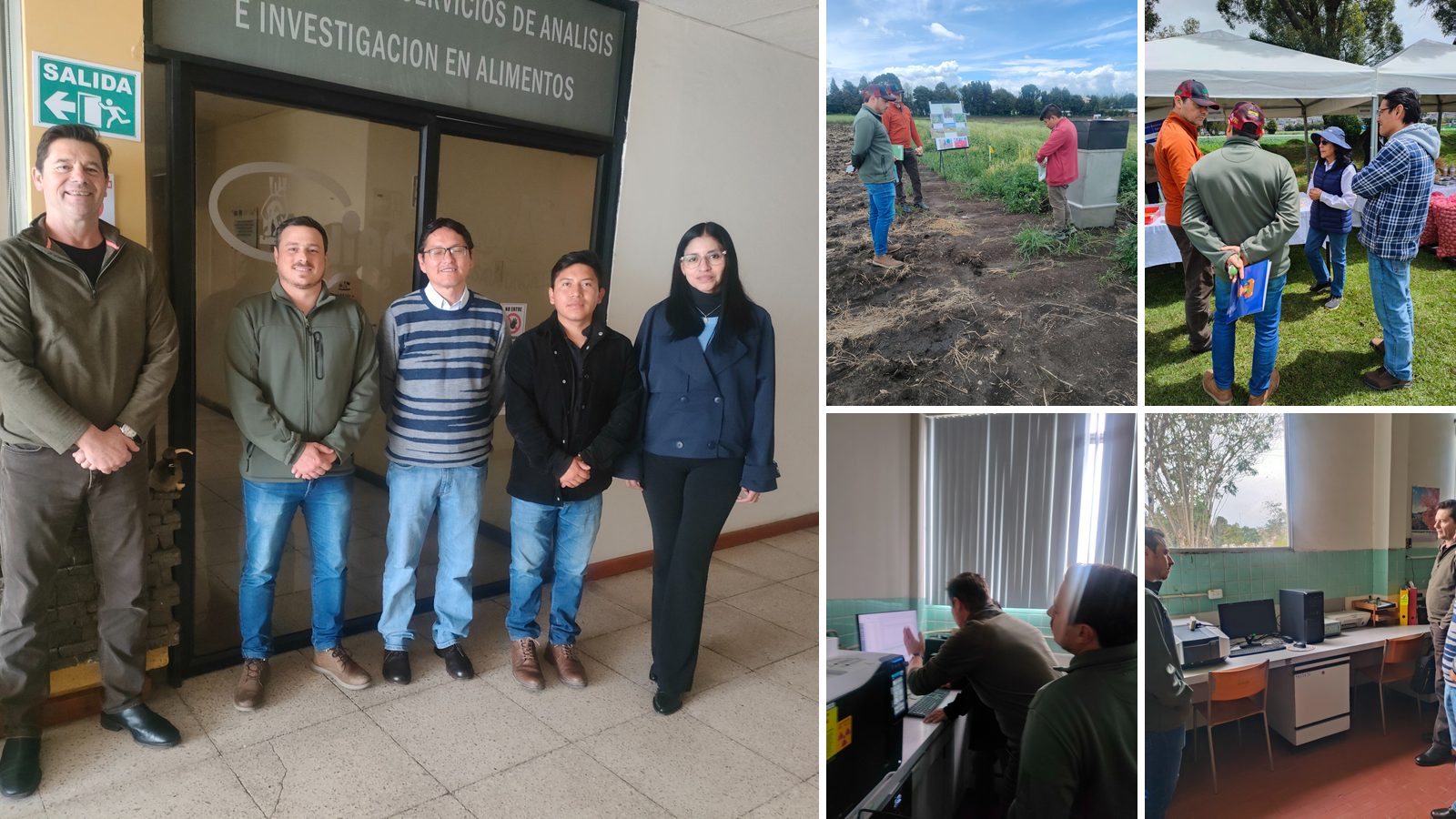

 Technological
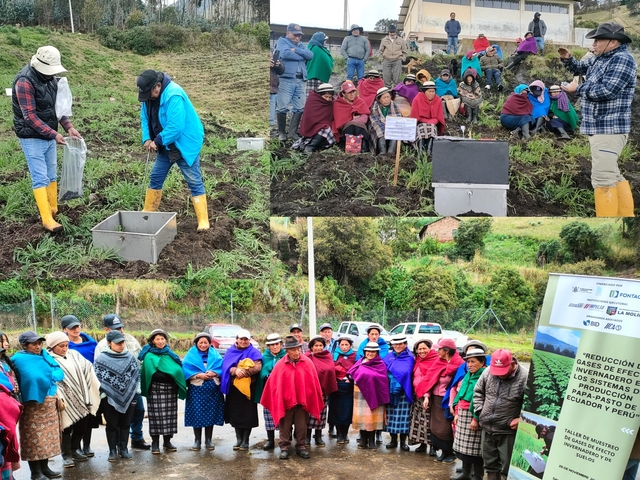
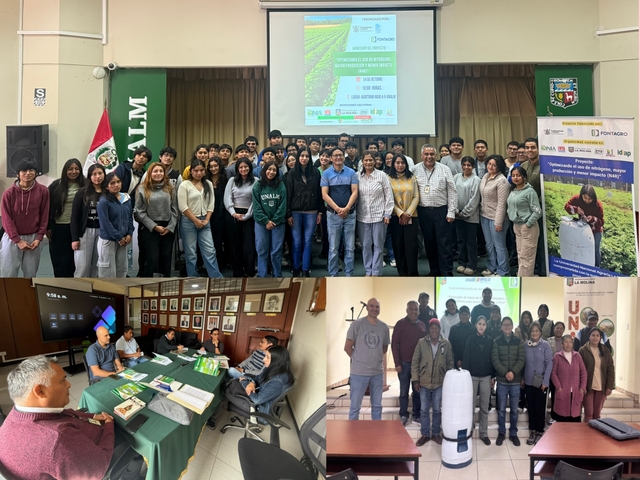
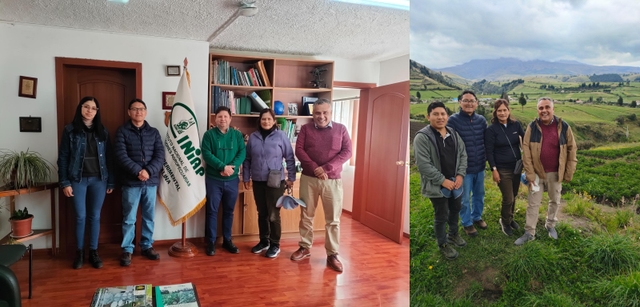
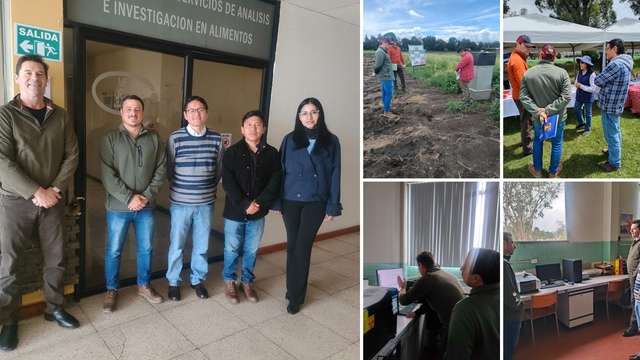
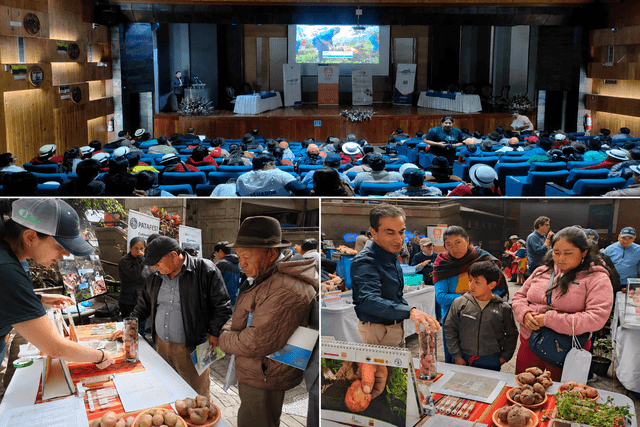
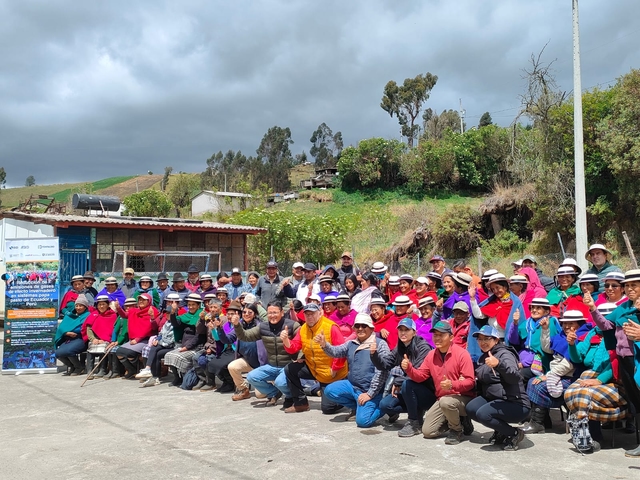
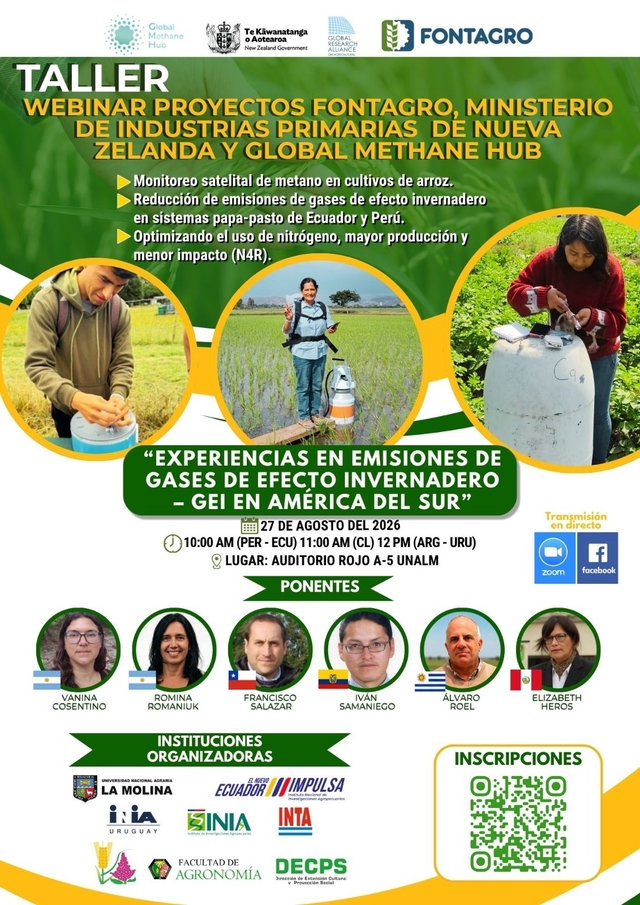
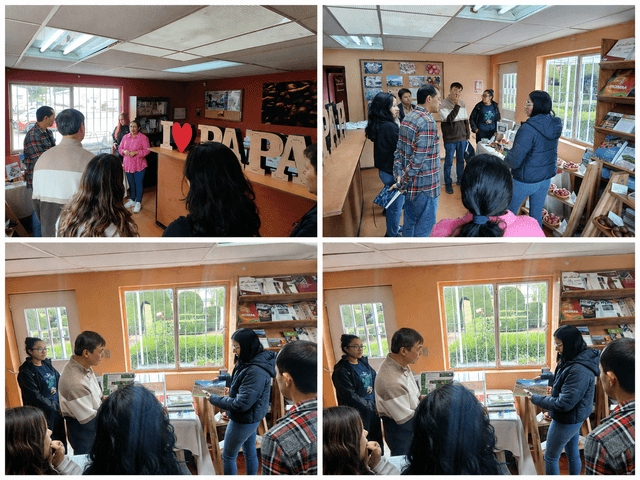
The purpose of the visit was to conduct a technical review and evaluation of the progress achieved by the project, which aims to develop and validate conservation agriculture practices that contribute to reducing greenhouse gas (GHG) emissions in potato–pasture production systems in Ecuador and Peru, while enhancing the sustainability and resilience of these Andean agroecosystems.
During the visit, the international representatives were introduced to the project’s main achievements to date, including the methodologies being implemented to measure carbon dioxide (CO₂), methane (CH₄), and nitrous oxide (N₂O) emissions. They also reviewed progress in the characterization of production systems, soil monitoring activities, and the evaluation of sustainable management practices.
The visitors highlighted the technical quality of the work carried out, the scientific rigor of the methodologies applied, and the strong commitment demonstrated by the research teams involved. They expressed their satisfaction with the progress achieved and emphasized the importance of generating robust scientific evidence to support the transition toward more sustainable and climate-resilient agricultural systems across the Andean region.
The evaluation concluded successfully, confirming the project’s potential to generate strategic knowledge and evidence that will contribute to climate change mitigation efforts while strengthening the capacities of farmers, technical professionals, and institutions involved in the agricultural sector of Ecuador and Peru.
The project is being implemented by the National Institute of Agricultural Research (INIAP) of Ecuador and the National Agrarian University La Molina (UNALM) of Peru, with the support of FONTAGRO and funding from the New Zealand Government. Through this collaboration, the project promotes international cooperation aimed at advancing more sustainable and resilient agricultural systems capable of addressing current and future climate challenges.