 Impact
 Initiatives
 Dashboard
 Alliances
 Impact
 Initiatives
 Dashboard
 Alliances


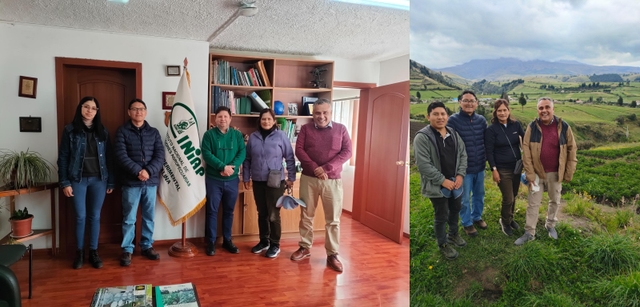
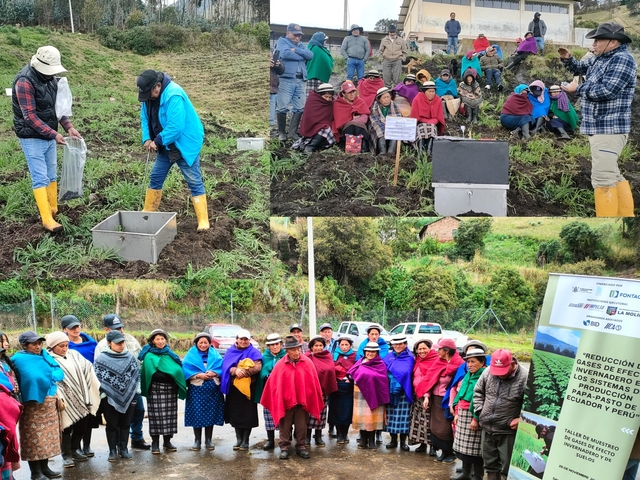
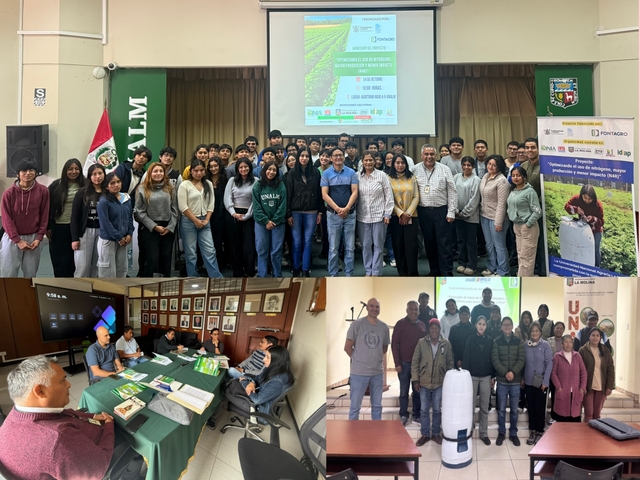
Learn more about this story
Project Webstory
Go to webstory




 Agronomic PracticesAppliedTechnological
 2024
2024 Active
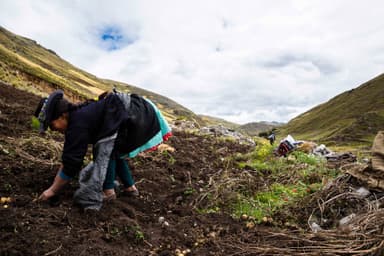
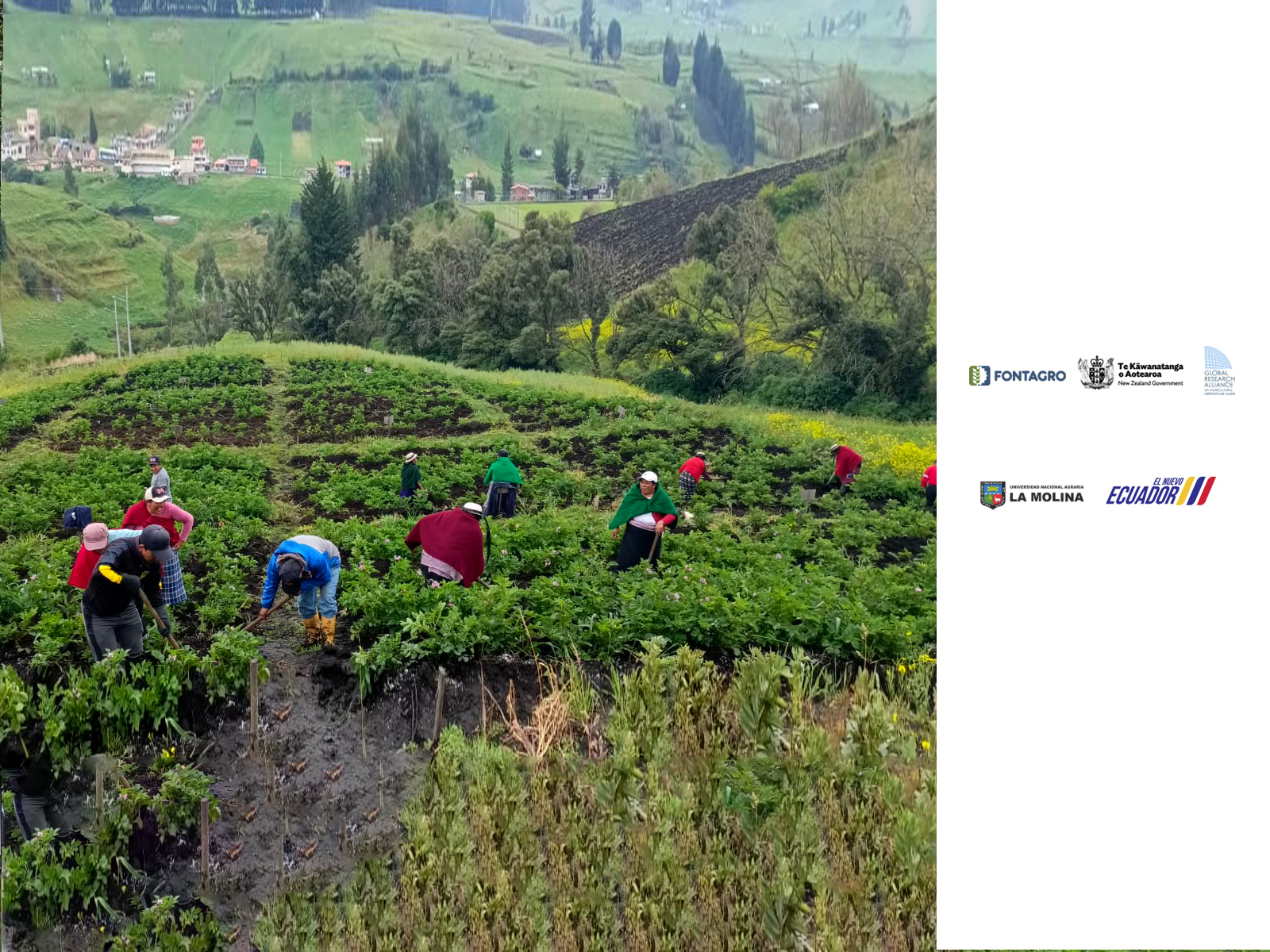
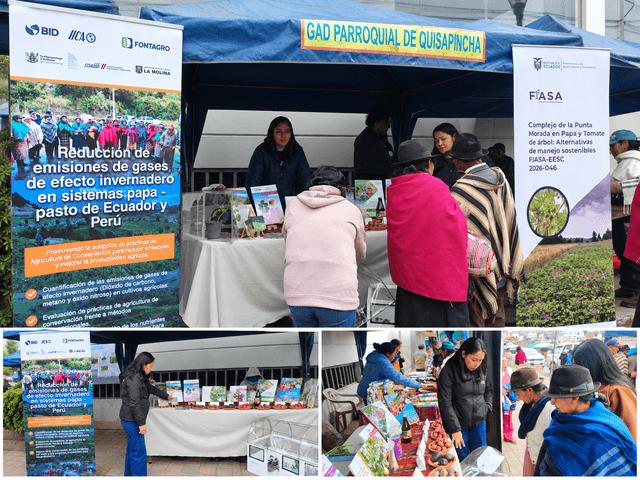
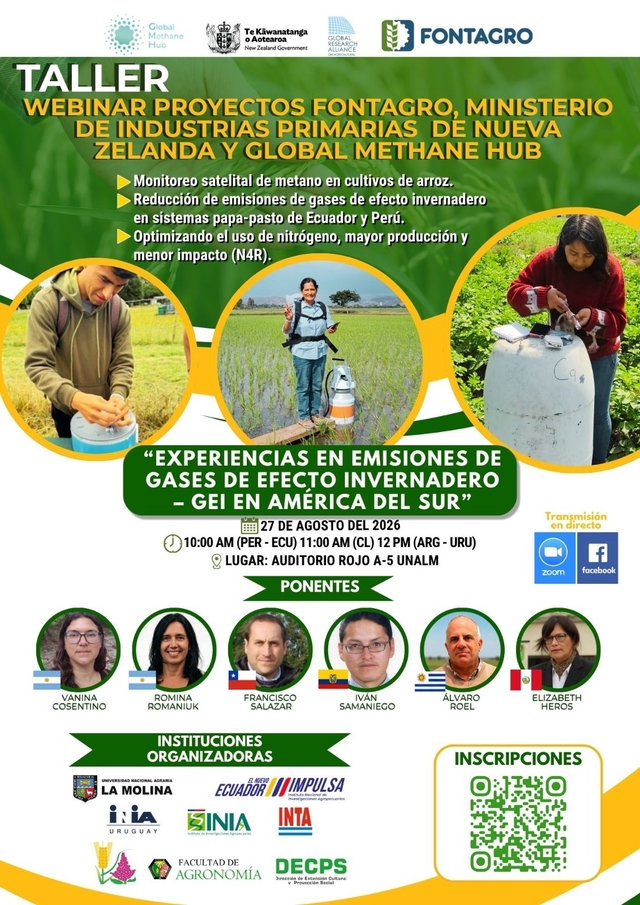
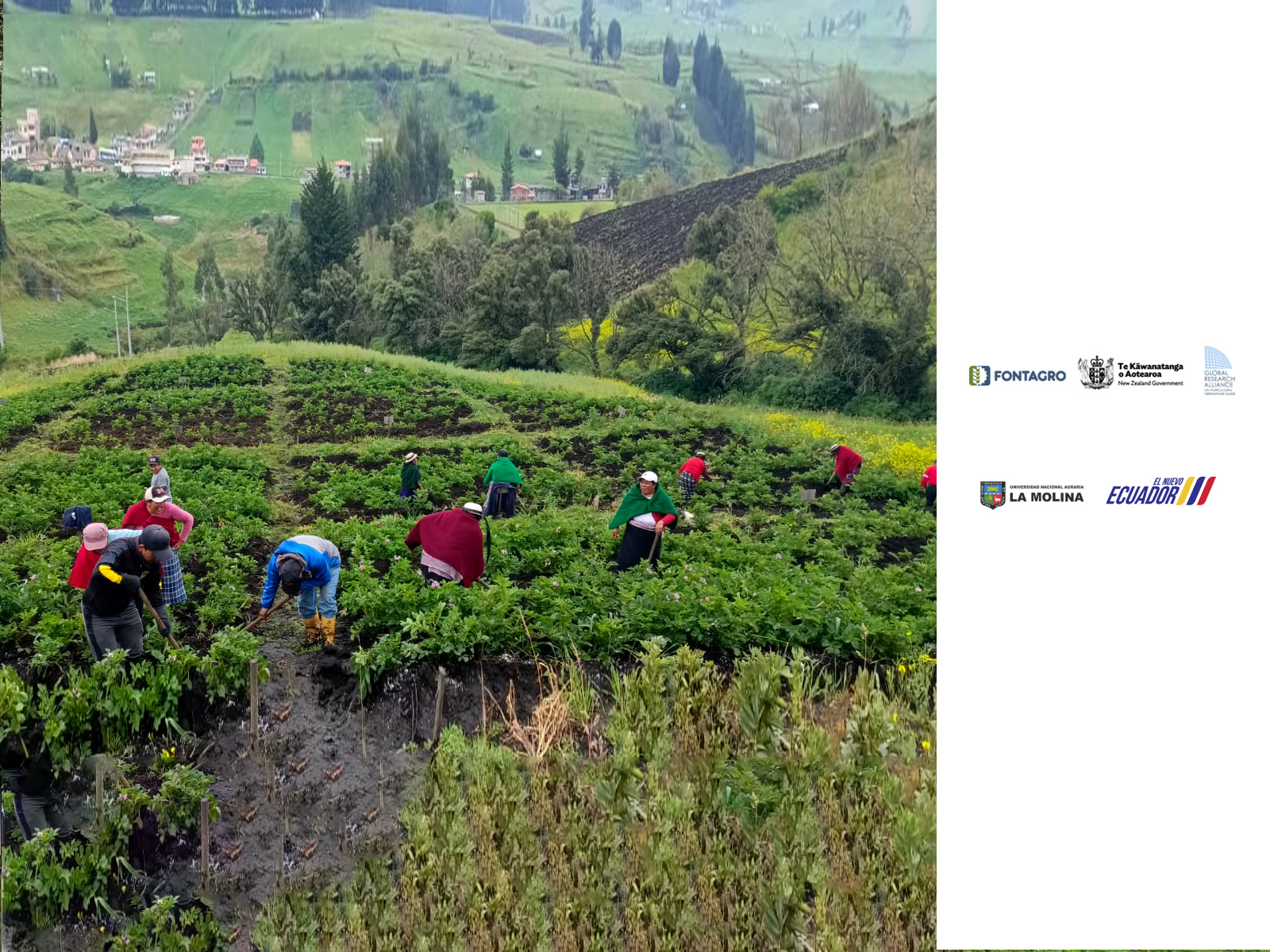
The potato-pasture production systems in the Andean region (AR) of Ecuador and Peru are essential for the sustainability of households in both countries, providing economic, social, and nutritional benefits. In the AR of both countries, the production of potatoes and pastures for bovine feed has been expanding, generating economic and social benefits but also causing environmental problems when these activities are practiced using extensive production models. This is mainly due to poor agricultural practices, particularly the mismanagement of soils and inputs used in crop production. However, the potato-pasture production systems have great potential, especially due to the unmet demand for rotational crops and pastures used as the primary nutrient for producing milk and dairy products in both countries. These systems mainly rely on conventional management practices with production technologies where the use of tillage and nitrogen fertilizers is excessive, promoting higher GHG emissions and relatively low productivity. The project aims to reduce greenhouse gas (GHG) emissions through the use of Conservation Agriculture (CA) practices in the potato-pasture production systems of the AR in Ecuador and Peru. It includes the following components: 1. Establishment of the baseline through the characterization and typification of agricultural production systems in the study areas of Ecuador and Peru. 2. Evaluation of the effect of CA and conventional practices on crop productivity, soil conservation and nutrients, economic benefits, and GHG emissions. 3. Comparison of GHG emissions measured through gas chromatography with estimates made by the IPCC and integration of information using extrapolation methods at the regional level. 4. Capacity development through knowledge management, cooperation, and training. The project will be executed by a cooperation platform integrated by the National Institute of Agricultural Research (INIAP) of Ecuador and the National Agrarian University La Molina (UNALM) of Peru. The project is funded by the New Zealand Government as part of its contribution to the Global Research Alliance on Agricultural Greenhouse Gases (GRA).
Measuring greenhouse gas (GHG) emissions in agriculture (carbon dioxide CO2, methane CH4, and nitrous oxide N2O) is an imperative necessity to effectively address climate change. It provides a solid foundation for implementing sustainable agricultural practices, complying with international commitments, improving productive efficiency, and developing informed policies. This measurement is fundamental to ensuring the environmental, economic, and social sustainability of the agricultural sector.
Furthermore, countries participating in international agreements, such as the Paris Agreement, are committed to reducing their GHG emissions. Accurate measurement in the agricultural sector is essential for reporting compliance with these commitments and contributing to national emission reduction goals. Measuring GHG emissions allows the identification of agricultural practices that are not only more sustainable but also more efficient. For example, optimizing fertilizer use and improving manure management can reduce emissions while simultaneously enhancing productivity and soil health.
The research results include:
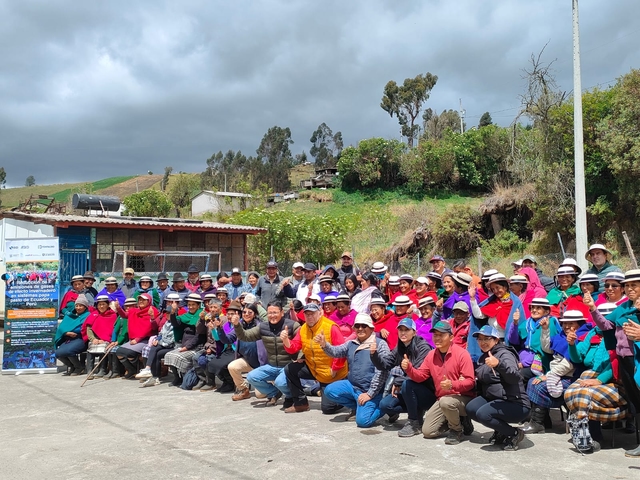
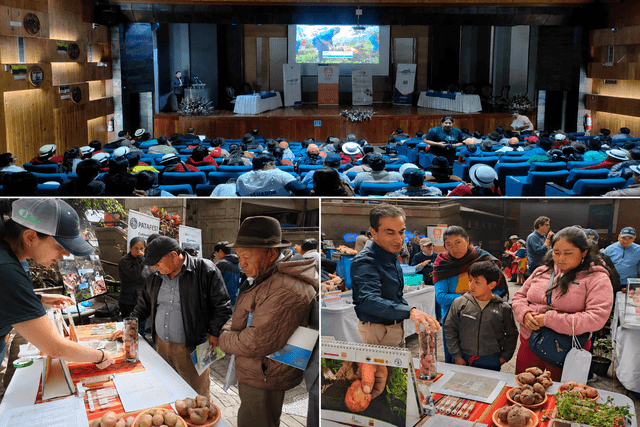
In the Andean Region (AR) of Ecuador and Peru, around 200 farming families involved in the potato-pasture production systems and 20 professionals, including teachers, technicians, and researchers from the National Institute of Agricultural Research (INIAP) and the National Agrarian University La Molina (UNALM), will directly benefit from this initiative. Additionally, Master's students from Ecuador and Peru conducting their thesis research, as well as other institutions and organizations linked to the project, will participate in the research, training, and technology transfer processes related to Conservation Agriculture practices and greenhouse gas measurement.
Indirect beneficiaries in the AR of Ecuador and Peru are estimated to include Agricultural Production Units (APUs) dedicated to the potato-pasture system in Chimborazo province (500 APUs) in Ecuador, and in Junín department, Jauja province (500 APUs) in Peru. It is expected that at least 120 students from agricultural faculties in Ecuador and Peru, along with 60 professionals, including teachers, technicians, and researchers from other institutions, will also indirectly participate.
This project actively contributes to achieving the Sustainable Development Goals, promoting more equitable, resilient, and sustainable regional development.


September 15, 2026
September 2, 2026
August 26, 2026
Iván Samaniego
Sady García Bendezú
Verónica Suango Sánchez
Yamil Cartagena
Segundo Fausto Yumisaca Jiménez
Victor Sanchez
Antonio Guacapiña
Elizabeth Consuelo Heros Aguilar
Betty Mariana Paucar Sisa
Jessica Amagua
The tangible impact of science and technology in the field
Sponsors


With the support of



.png&w=384&q=75)