 Impact
 Initiatives
 Dashboard
 Alliances


 Impact
 Initiatives
 Dashboard
 Alliances

 Technological-Organizational-Institutional
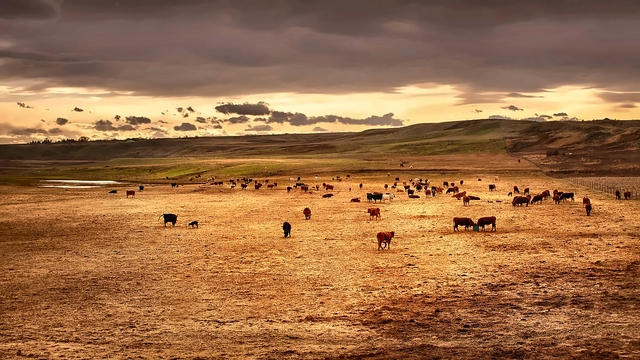
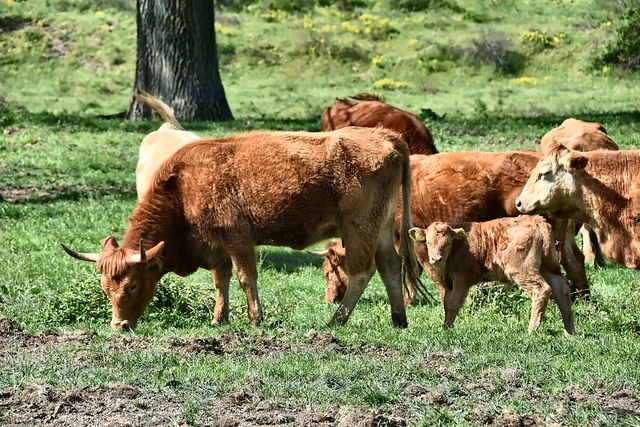
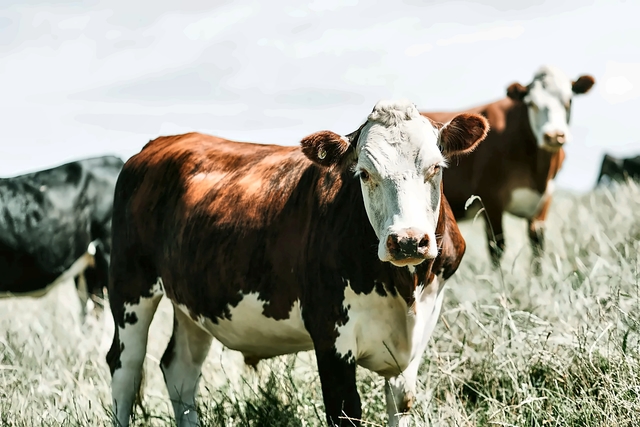
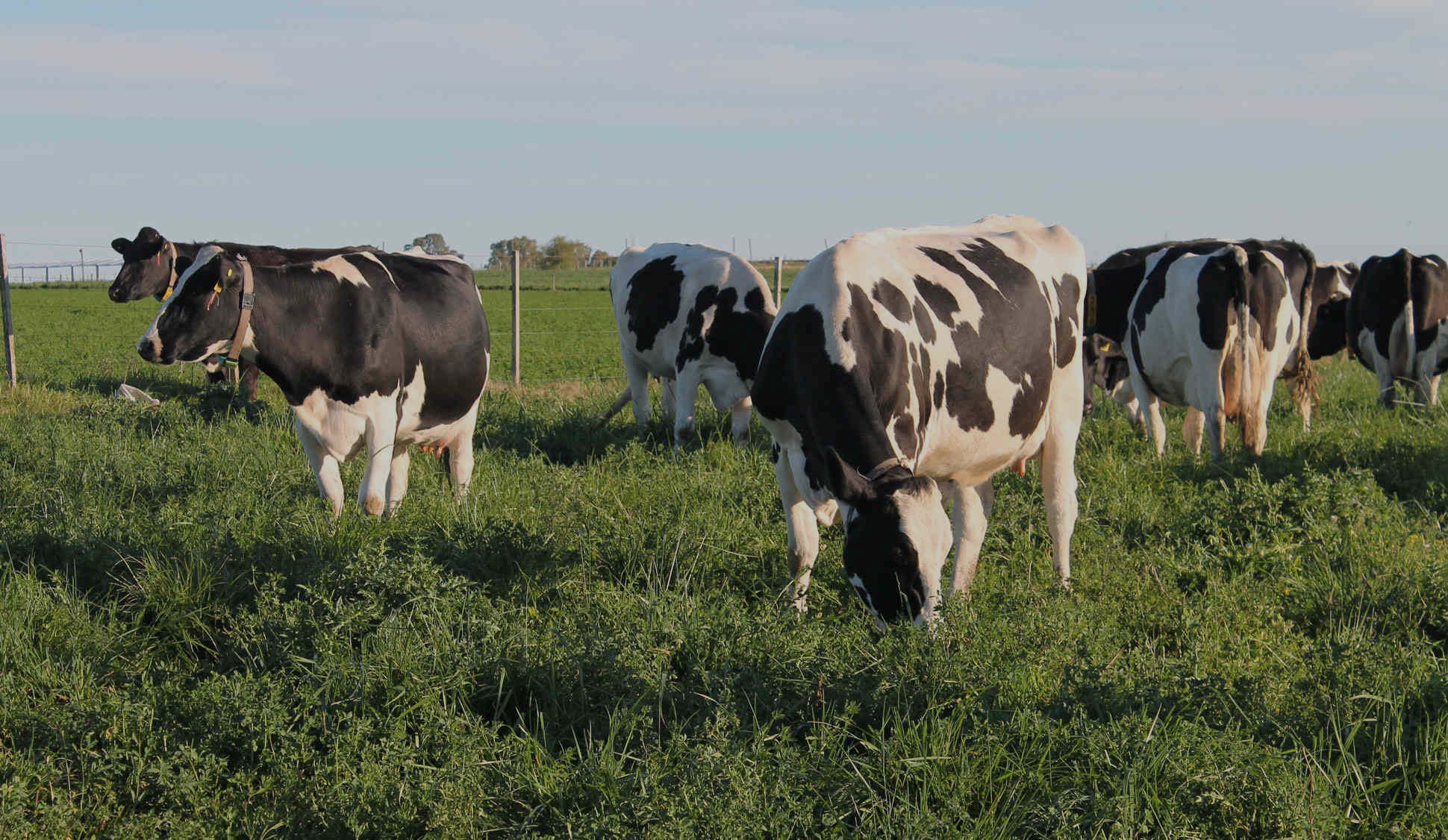
The natural grasslands of the Pampa Biome are the foundation of beef production and ecosystem services in Uruguay and in Argentina’s Entre Ríos province, where family livestock systems account for most farmers and most of the rural population. To boost their performance, Uruguay’s National Agricultural Research Institute (INIA), the Faculty of Agronomy of the University of the Republic (Udelar) and Argentina’s INTA launched the project “Innovation platform for the sustainability of family livestock systems in Uruguay and Argentina” (FTG/RF-15461-RG), with an investment of USD 1,038,992, including USD 397,292 from FONTAGRO.
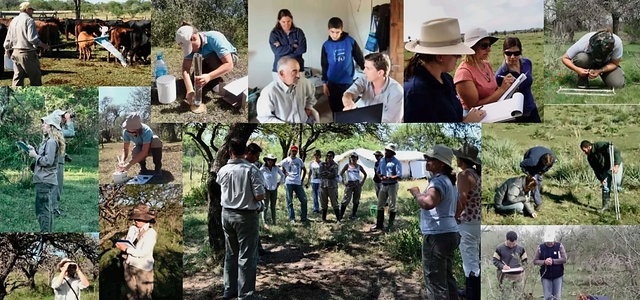
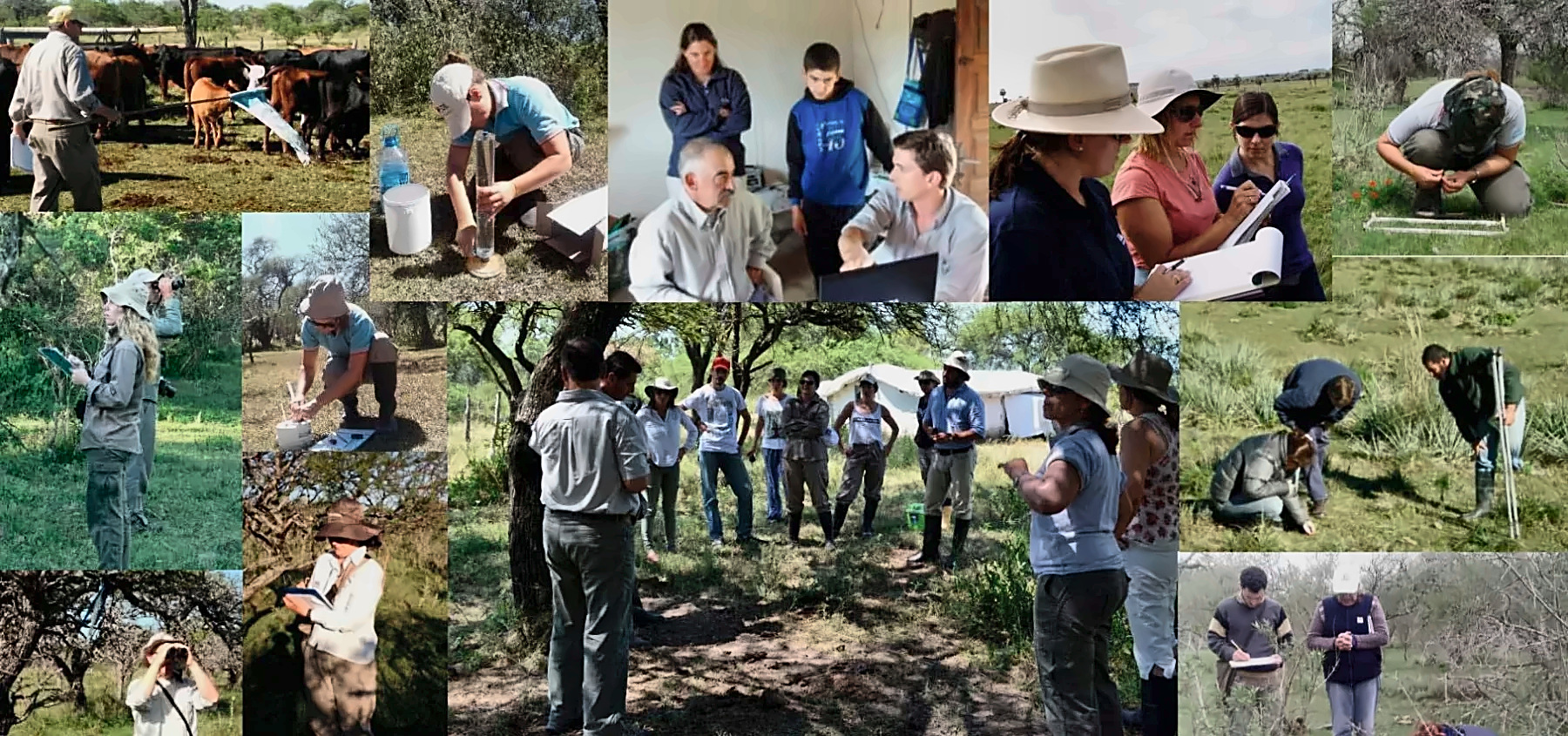
The three-year initiative starts from a simple yet powerful idea: better managing stocking rates and forage allowance over time and space makes it possible to produce more beef while caring for soil and biodiversity. To achieve this, the platform connects a network of long-term grazing experiments at experimental stations in Uruguay and Argentina with simulation models and a co-innovation approach with family ranchers in Basalto and Sierra del Este (Uruguay) and the Salado Basin and Southern Littoral (Argentina). The goal: a 40% improvement in farms’ physical and economic results.
🔗 Project page (in Spanish)
📄 Project proposal (PDF, in Spanish)
🔗 Impact story: Innovation platform for family livestock systems (in Spanish)