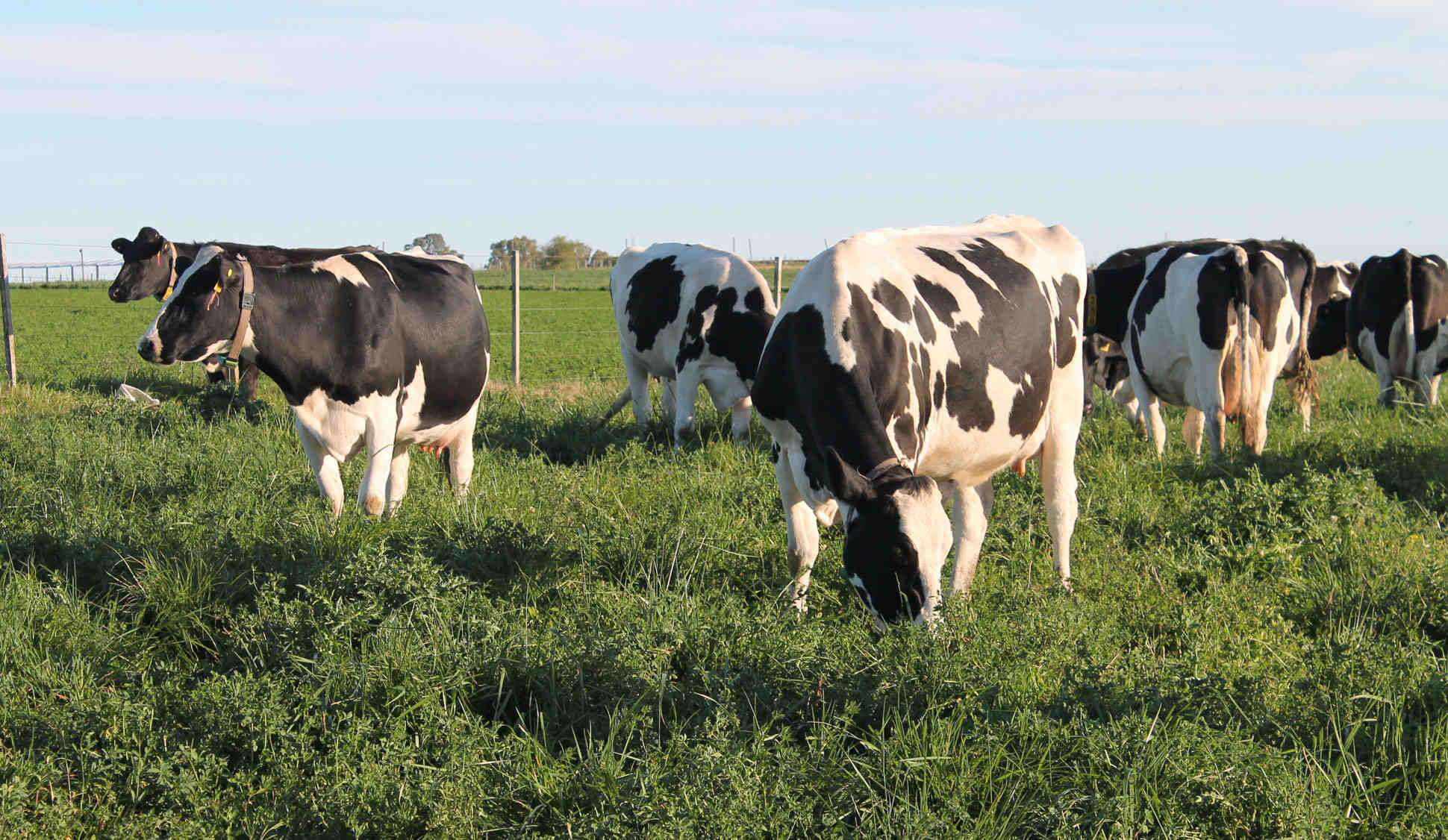
Innovation platform for natural pasture grazing and the sustainability of livestock systems

Improve the management of pasture stocking rate in order to couple increases in the physical-economic income and environmental performance.

"Livestock systems in natural pastures are the main economic and social activity of agriculture in Uruguay and the Province of Entre Ríos, Argentina."— Pablo Soca
 Agronomic PracticesClimate changeStrategy 1. Resilient farmsStrategy 2. Sustainables territoriesAppliedTechnological-Organizational-InstitutionalCattle raisingFamily agricultureGas emissionClimate smart agricultureAgricultural systems


Uruguay

Uruguay

Argentina

The Tangible Impact of Science and Technology in the Field

 Impact
 Initiatives
 Dashboard
 Alliances
 Impact
 Initiatives
 Dashboard
 Alliances