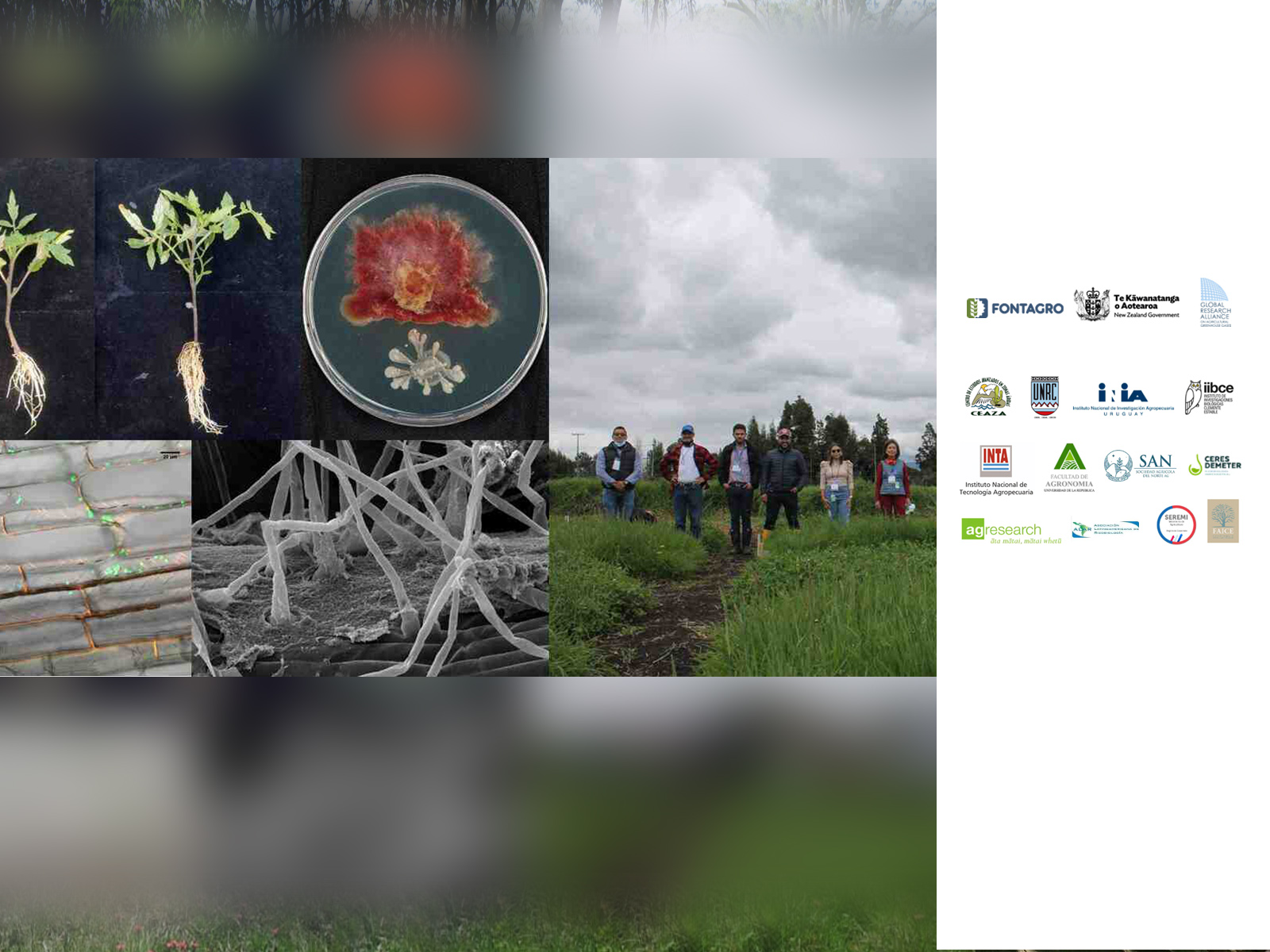
Develop a platform for connecting producers, technicians, scientists, and decision-makers to contribute to the development, transfer, and efficient use of biologicals, promoting sustainable agriculture.

Promote the development of sustainable biotechnologies based on microbial biologicals in agriculture among various stakeholders to reduce agrochemicals and mitigate the effects of climate change.
"Soil health is the cornerstone of plant health and, therefore, human health. Soil microbiology is essential for achieving sustainable agriculture."— Elaine Ingham (2006).
 Agronomic PracticesStrategy 1. Resilient farmsStrategy 3. Food, nutrition, and healthAppliedTechnologicalFamily agricultureBio-inputsCapacity building
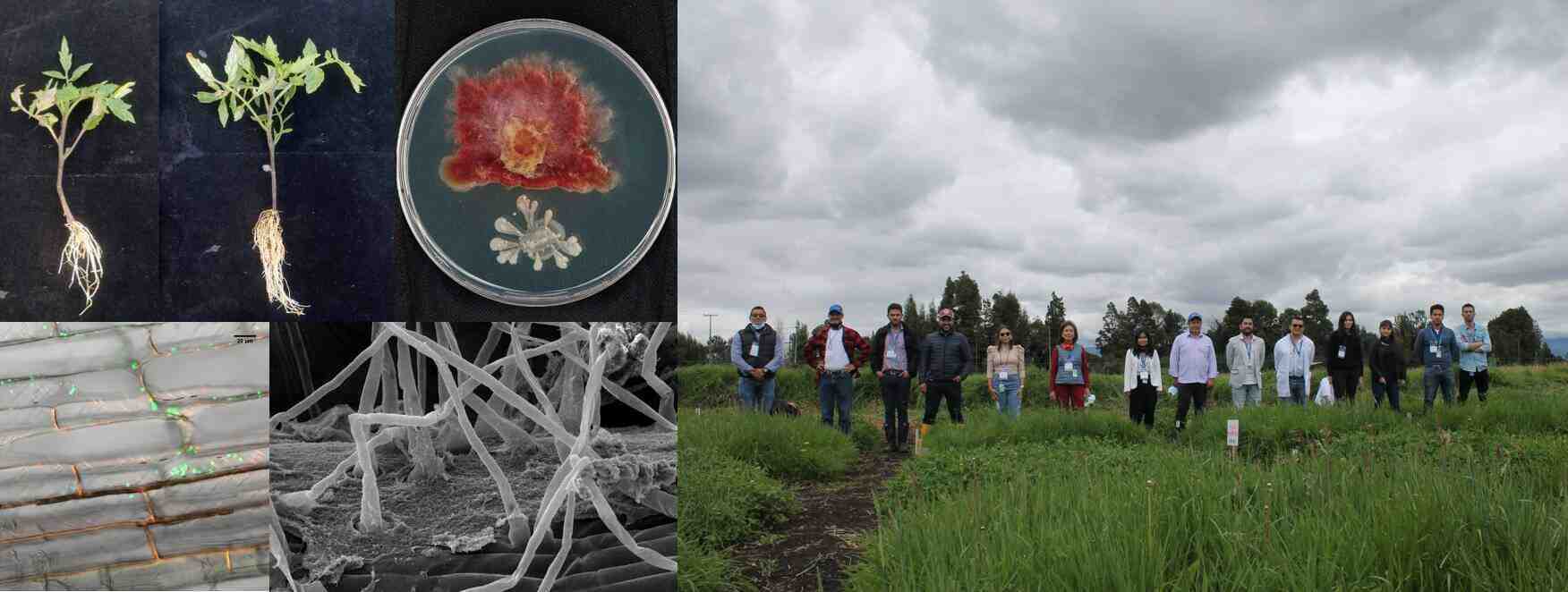
Mediante el desarrollo del proyecto se espera impactar sobre los distintos actores de la cadena productiva agrícola (academia-empresas-productores-tomadores de decisiones), y dar soluciones mediante la generación de conocimiento científico-tecnológico de alto nivel, sobre el uso de bioinsumos en el sector y su transferencia; con una concepción sustentable y participativa, generando cultura e innovación biotecnológica.






.png&w=640&q=75)
Chile

Argentina
Colombia
Uruguay
Uruguay

The Tangible Impact of Science and Technology in the Field

 Impact
 Initiatives
 Dashboard
 Alliances
 Impact
 Initiatives
 Dashboard
 Alliances


.jpeg&w=828&q=75)

c.jpeg&w=640&q=75)
.png&w=640&q=75)
.jpeg&w=640&q=75)





.png&w=750&q=75)