

 Agronomic PracticesStrategy 1. Resilient farmsStrategy 3. Food, nutrition, and healthAppliedTechnologicalFamily agricultureBio-inputsCapacity building
 2022
2022 Active
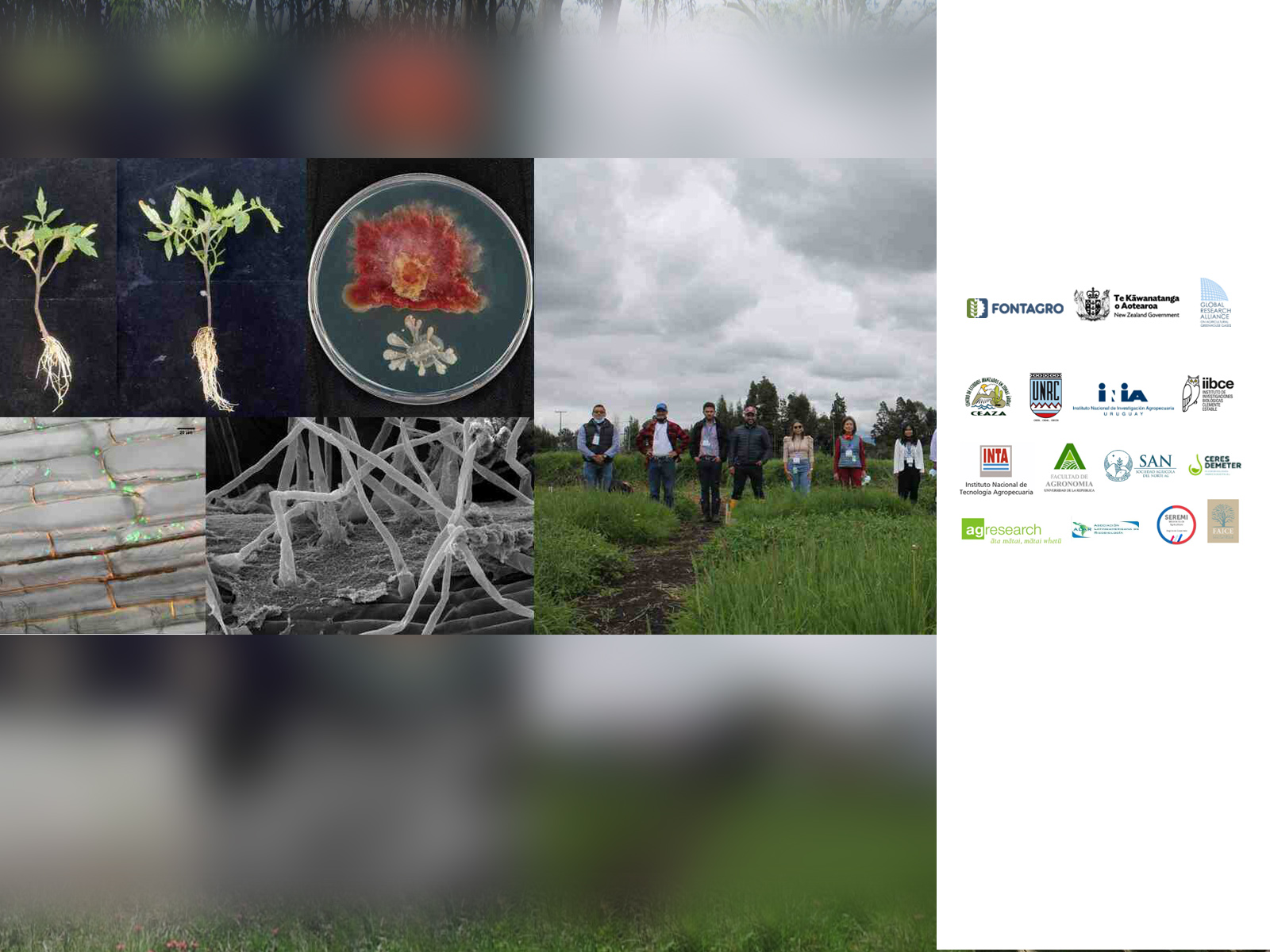
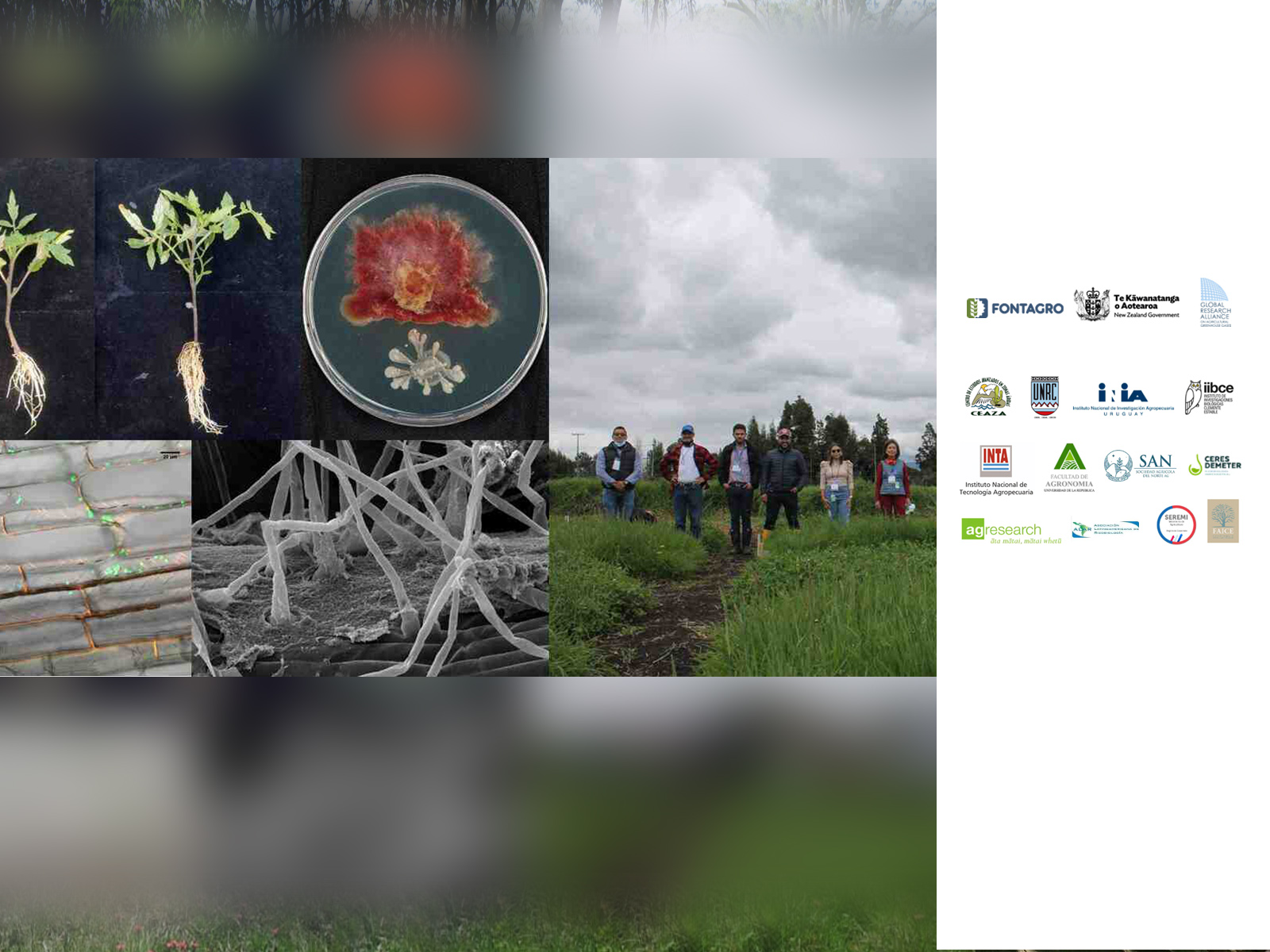
There is an urgent need for the implementation and development of more sustainable agricultural technologies. The use of bioinoculants (biofertilizers, biopesticides and biocontrollers) based on beneficial microbes which can promote plant growth and also plant protection is a promising technology that can be improved in efficacy, adoption and commercial registration for its use.
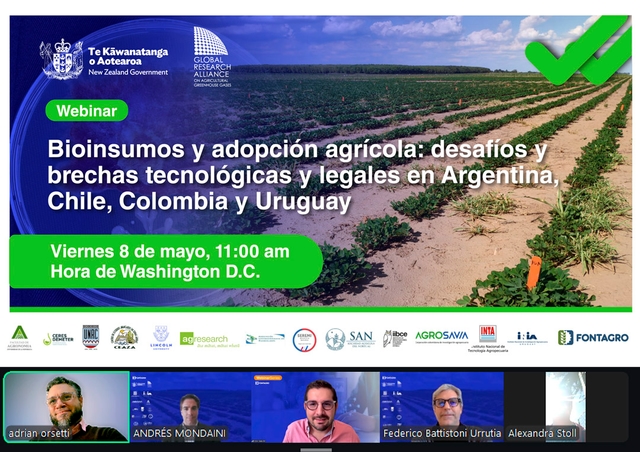
This proposal focuses on discerning gaps in the incorporation of bioinoculants in the technological toolboxes of agricultural farms in Latin America and the Caribbean (LAC) as an alternative to agrochemicals, in order to provide for the growing worldwide population and food demand. The project is funded by the New Zealand Government as part of its contribution to the Global Research Alliance on Agricultural Greenhouse Gases (GRA).
Coordinated actions are proposed at several levels:
Integration of information into bioinoculants application manuals and in a platform through a collaborative network of participating Latin American research institutes and farmers. Achievements will be actively communicated through different media to reach both specialized and general audiences. The proposed actions aim to provide innovative solutions for the development, transfer and use of bioinoculants in LAC, based on microorganisms with biofertilizing and bioprotecting capabilities.
For producers directly linked to field tests, the project aims to increase crop yield by at least 10% and improve phytosanitary control by at least 15%, depending on the crop and context of the test.
Thirty-eight biologicals companies, 12,007 small and medium-sized producers in each country, as well as those grouped in international associations such as PROCISUR and ALAR; ten academic institutions, four mixed academic-business-producer organizations/associations: one Latin American and three government agencies.
This project actively contributes to achieving the Sustainable Development Goals, promoting more equitable, resilient, and sustainable regional development.

Alexandra Stoll
ChileFederico Battistoni
UruguayGerman Estrada
ColombiaTania Taurian
ArgentinaFederico Rivas Franco
UruguayMáximo Gonzalez
ChileFabiana Pezzani
UruguayTrevor Jackson
Nueva ZelandaTravis Glare
Nueva ZelandaRaul Platero
UruguayWilliams Arancibia
ChileGabriela Toro Tobón
Andrés Costa
Enzo Calzada
Cecilia Taulé
The tangible impact of science and technology in the field
Sponsors


With the support of


May 8, 2026

 Impact
 Initiatives
 Dashboard
 Alliances
 Impact
 Initiatives
 Dashboard
 Alliances


.png&w=384&q=75)