
 Agronomic PracticesClimate changeStrategy 1. Resilient farmsStrategy 2. Sustainables territoriesAppliedTechnological-Organizational-InstitutionalFamily agricultureGas emissionClimate smart agricultureAgricultural systems
 2015
2015 Closed
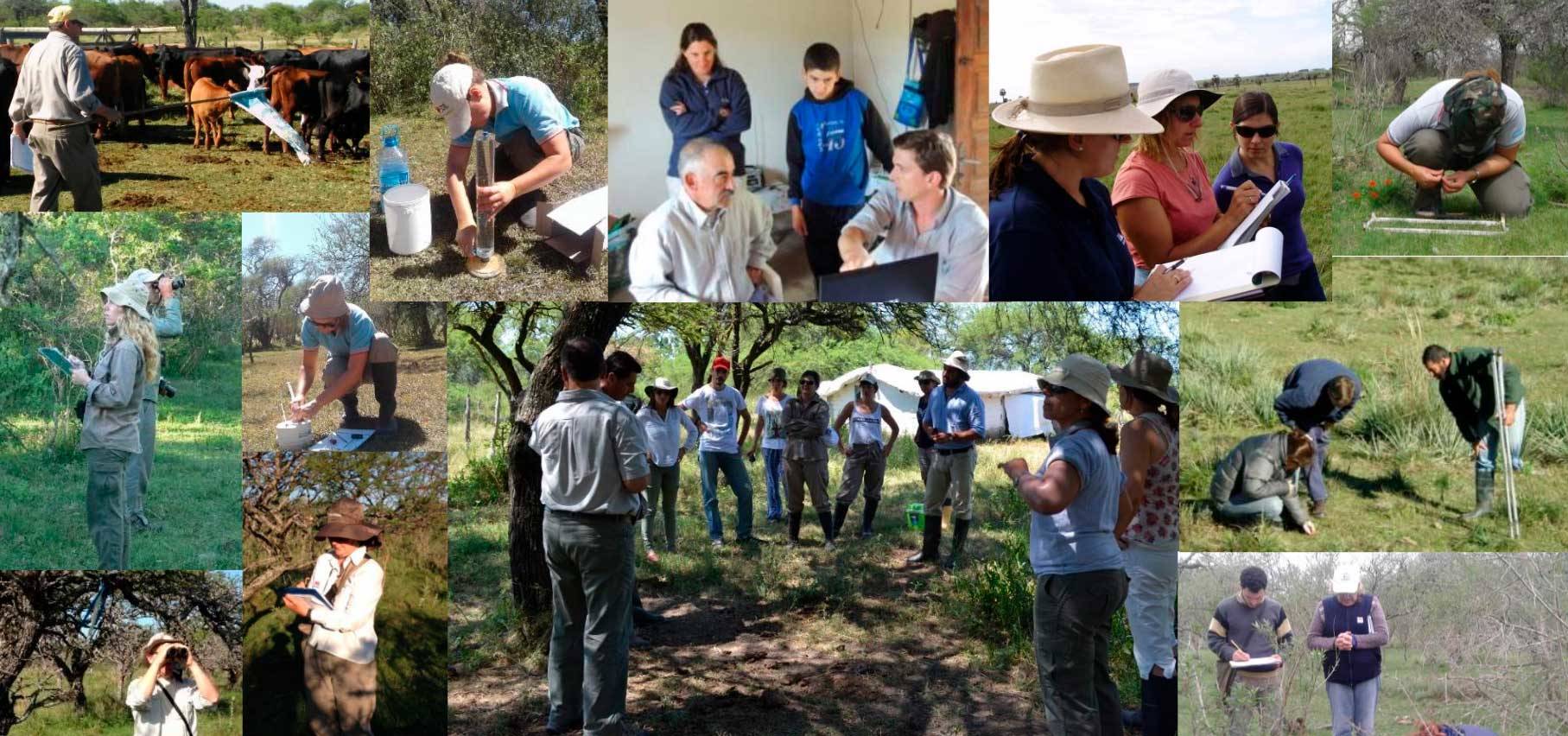
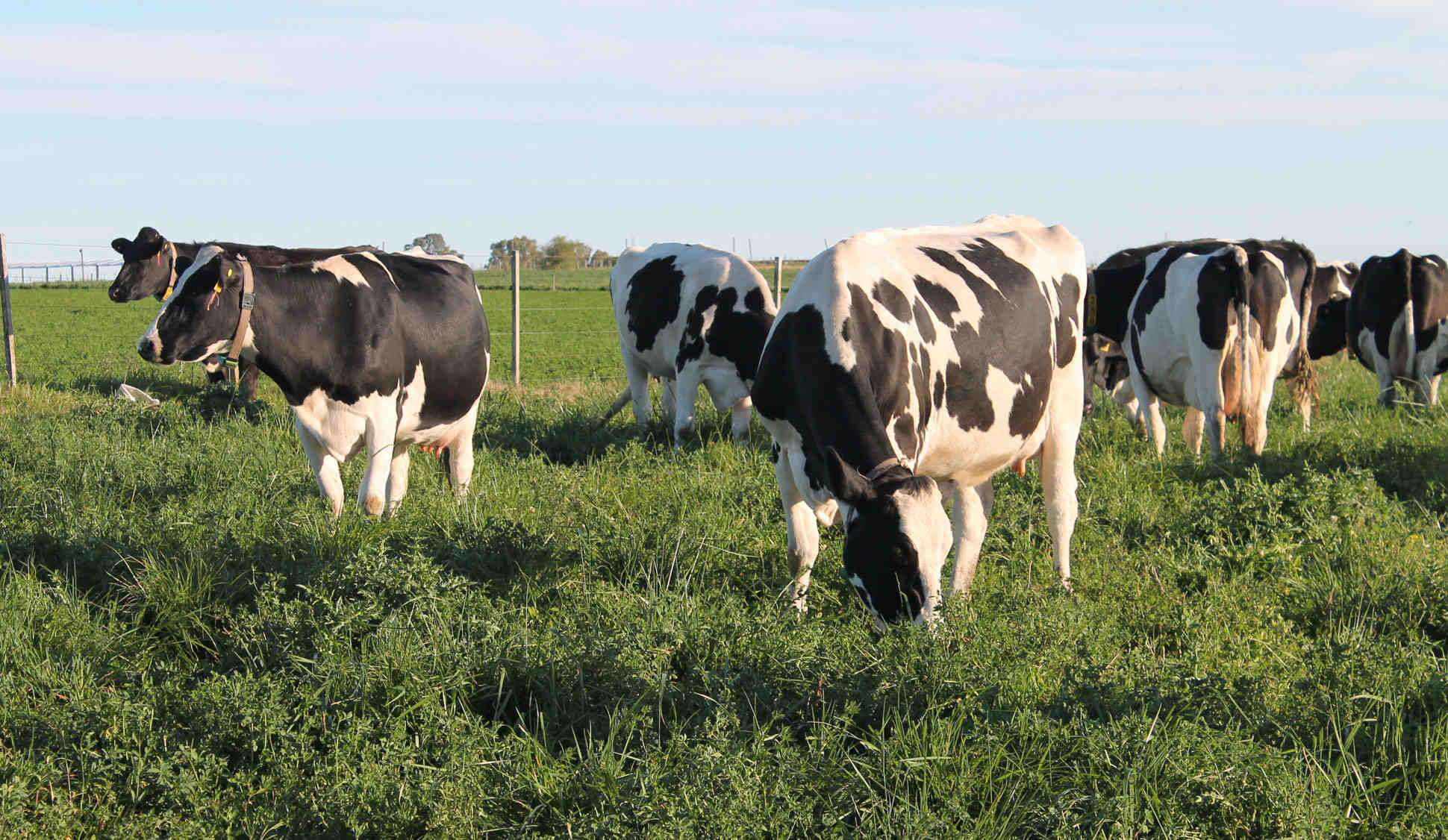
Family livestock systems based on meat production in natural pastures constitute the majority of cattle farmers and rural populations of Uruguay and Entre Ríos (Argentina). The high levels of stocking rate and/or the absence of spatial-temporal management cause overgrazing and poor spatial distribution, which, in combination with climatic variation, contribute to low levels of consumption, energy balance and percentage and weight at calf weaning. These production models with limited animal production and few contributions to ecosystem services are highly vulnerable to climatic and economic changes, which limits the economic result, positive interactions of producers with the commercial sector and the entire meat chain, and conditions the sustainability of family farming.
This project proposed to develop a support system for decisions on grazing management that allows coupling economy and environment at farm and landscape scale. The main hypothesis proposes that it is possible to improve the management of the pasture stocking rate in order to couple the increase of the physical-economic income and environmental performance. This will contribute to solving the problems of grazing distribution and environmental performance, improve economic income and reduce the vulnerability of family livestock producers in the study region.
A new conceptual model of natural field management at the farm and landscape scale will be formalized based on an interdisciplinary and inter-institutional innovation platform to model the relationships between grazing intensity, secondary production, economic results, biodiversity and environmental performance of family farmers in Uruguay and Argentina. Empirical models will be developed on the effect of forage supply on energy consumption, animal movement, forage species, methane production, water balance and biodiversity. These results will be incorporated into simulation models of the plant-animal relationship and will be used in the redesign and co-innovation of properties.
Alfredo Albín Ferreira
UruguayPablo Miguel Soca Peña
UruguayPablo Tittonell
ArgentinaSonia Beatriz Canavelli
ArgentinaIgnacio Narbondo
UruguayMilena Holmgren
HolandaLucrecia Lezana
ArgentinaAna Beatriz Wingeyer
ArgentinaRoxana Paola Eclesia
ArgentinaNoelia Cecilia Calamari
ArgentinaAlejandra Cecilia Kemerer
ArgentinaMarcelo Germán Wilson
ArgentinaCarolina Gregorutti
ArgentinaOctavio Caviglia
ArgentinaMaria Elena Zaccagnini
ArgentinaMaria Paula Barral
ArgentinaLaura Echarte
ArgentinaPatricia Ricci
ArgentinaJuan Esteban Fonseca
ArgentinaCarlos Schumacher
ArgentinaGabriela Posse
ArgentinaAndrea Goijman
ArgentinaYanina Vanesa Sica
ArgentinaOscar Blumetto
UruguayVeronica Aguerre Antía
UruguayGerónimo Cardozo Cabanelas
UruguaySantiago Scarlato García
UruguayMartín Durante
ArgentinaThe tangible impact of science and technology in the field
Sponsors


With the support of

This project actively contributes to achieving the Sustainable Development Goals, promoting more equitable, resilient, and sustainable regional development.


 Impact
 Initiatives
 Dashboard
 Alliances
 Impact
 Initiatives
 Dashboard
 Alliances