
 Value chainInnovationAppliedTechnologicalFamily agricultureRural ExtensionPovertyCapacity buildingProductive systemsPests y DiseasesGenetic improvementAgroindustryPostharvest
 2007
2007 Closed
The Project, a consortium led by Bioversity International (Costa Rica) with direct participation of banana producing countries in the region considered four components. They are listed below, including highlights of the main products and results:
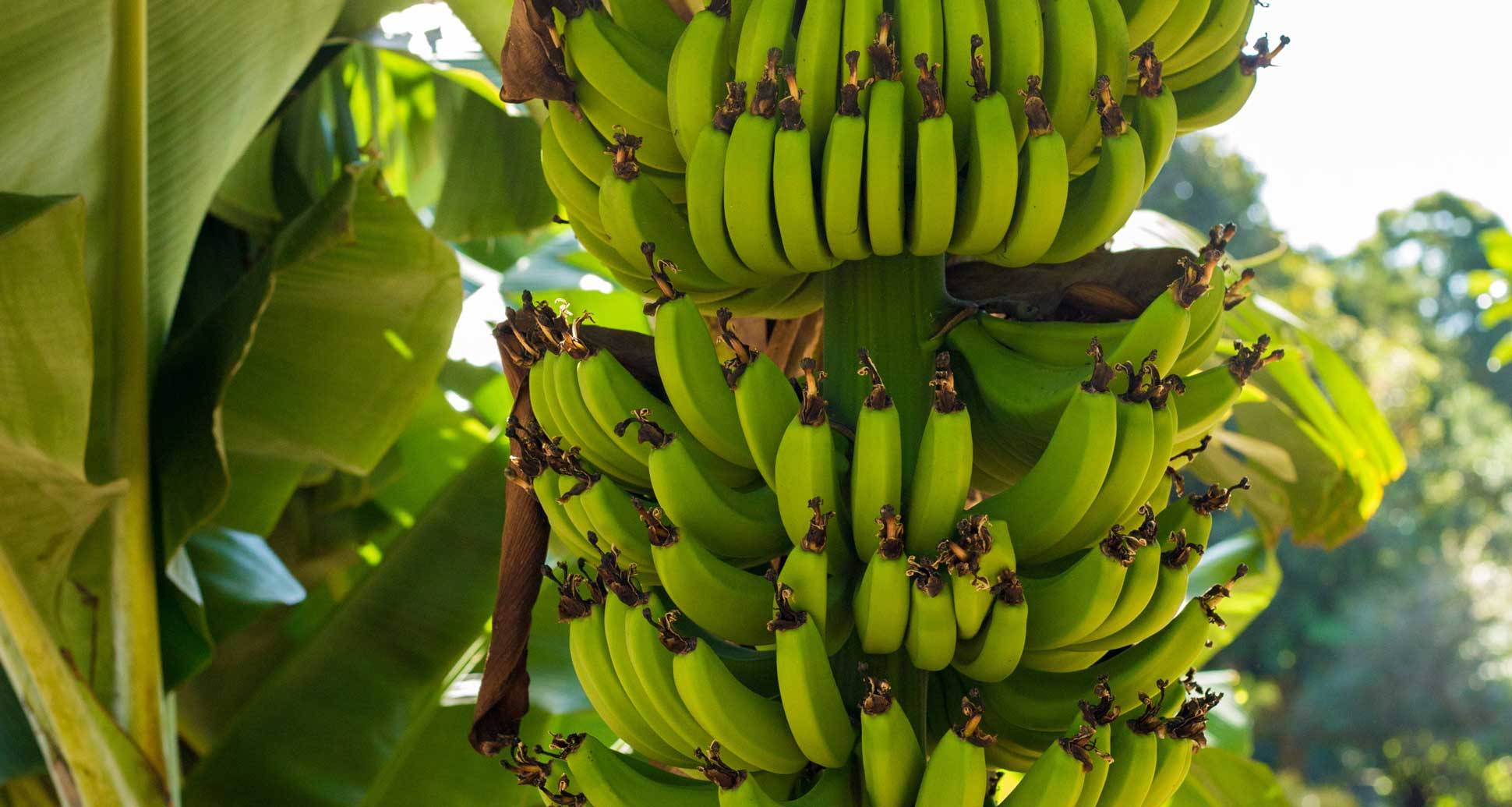
The technological solution in this project is multifunctional and applicable in very different environments with the necessary adaptations. It started from the need to have genetic resources of musaceae (plantain) of higher productivity and tolerance or resistance to the main biotic and abiotic threats, while emphasizing one of the forgotten elements for sustainable production: soil health. The regional deterioration that this resource has suffered is known and the project (with the results of a previous initiative) rescues it and puts it in the foreground of the interest of national programs.
When signaling a multifunctional solution, other significant components of the project must be added, in particular the characterization of post-harvest systems, the value-chain approach, the organization and dissemination of the knowledge generated, and strengthening capacities of producers and technicians.
A significant product of the project was the establishment of unified protocols in the 4 countries (Venezuela did not finally manage to participate in the consortium) on selection of superior/elite plants, cluster management, characterization of soil quality and health, water balance, the evaluation of endophytic antagonists and the establishment of integrated plots to show the best available technologies. Additionally, unified protocols were generated in the countries on inventory and characterization of post-harvest losses and training in good manufacturing practices.
In the context of institutional and professional strengthening, the execution of methodological workshops on the livelihoods approach and continuous improvement of agro-industrial processes stand out, as well as the design of an electronic platform to facilitate interaction and mutual learning among the participants. Finally, it is necessary to highlight the intense capacity building activities carried out by means of meetings and workshops with producers, which generated feedback on demands and options for sustainable production.
Miguel Angel Dita Rodriguez
Costa RicaRamón Jimenez
República DominicanaLiliam Marieth Marquínez Batista
PanamáRodrigo Alcides Morales Araúz
PanamáMaritza Domínguez Hernández
PanamáJose Angel Lezcano Barrozo
PanamáDomingo Rengifo
República DominicanaThe tangible impact of science and technology in the field
Sponsors


With the support of

Although the project did not carry out a quantification of the direct and indirect beneficiaries, they are numerous. First, they include producers in four countries that had direct access to new visions, technologies and superior germplasm. It also encourages capacity building for technicians and specialists who developed knowledge and skills, reflected in theses and publications of different kinds. Finally, the knowledge generated feeds new generations of producers and officials in national programs.
This project actively contributes to achieving the Sustainable Development Goals, promoting more equitable, resilient, and sustainable regional development.


 Impact
 Initiatives
 Dashboard
 Alliances
 Impact
 Initiatives
 Dashboard
 Alliances