 Impact
 Initiatives
 Dashboard
 Alliances


 Impact
 Initiatives
 Dashboard
 Alliances

 Technological-Organizational-Institutional
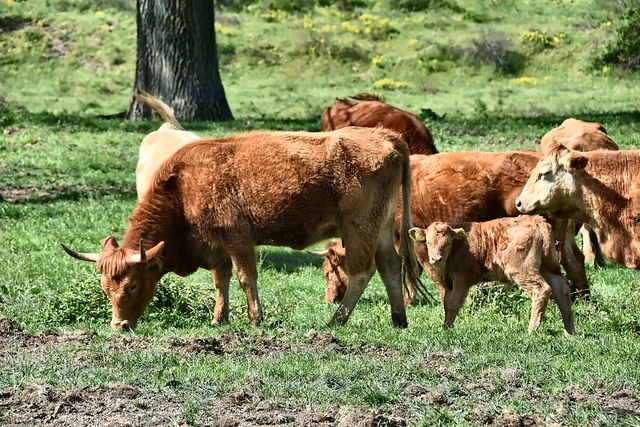
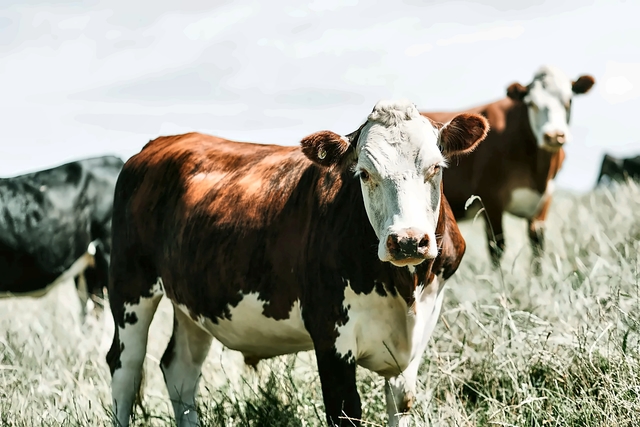
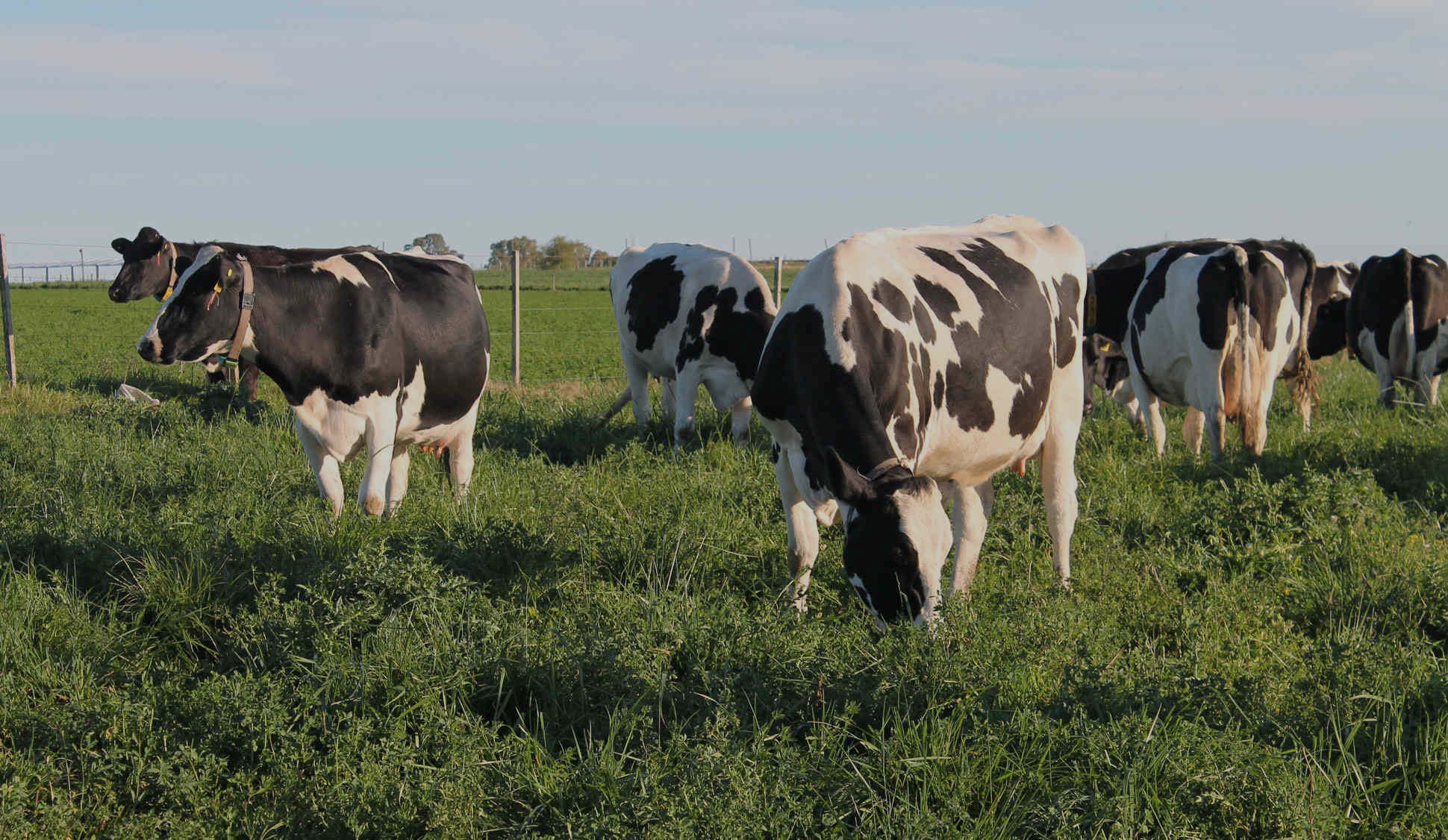
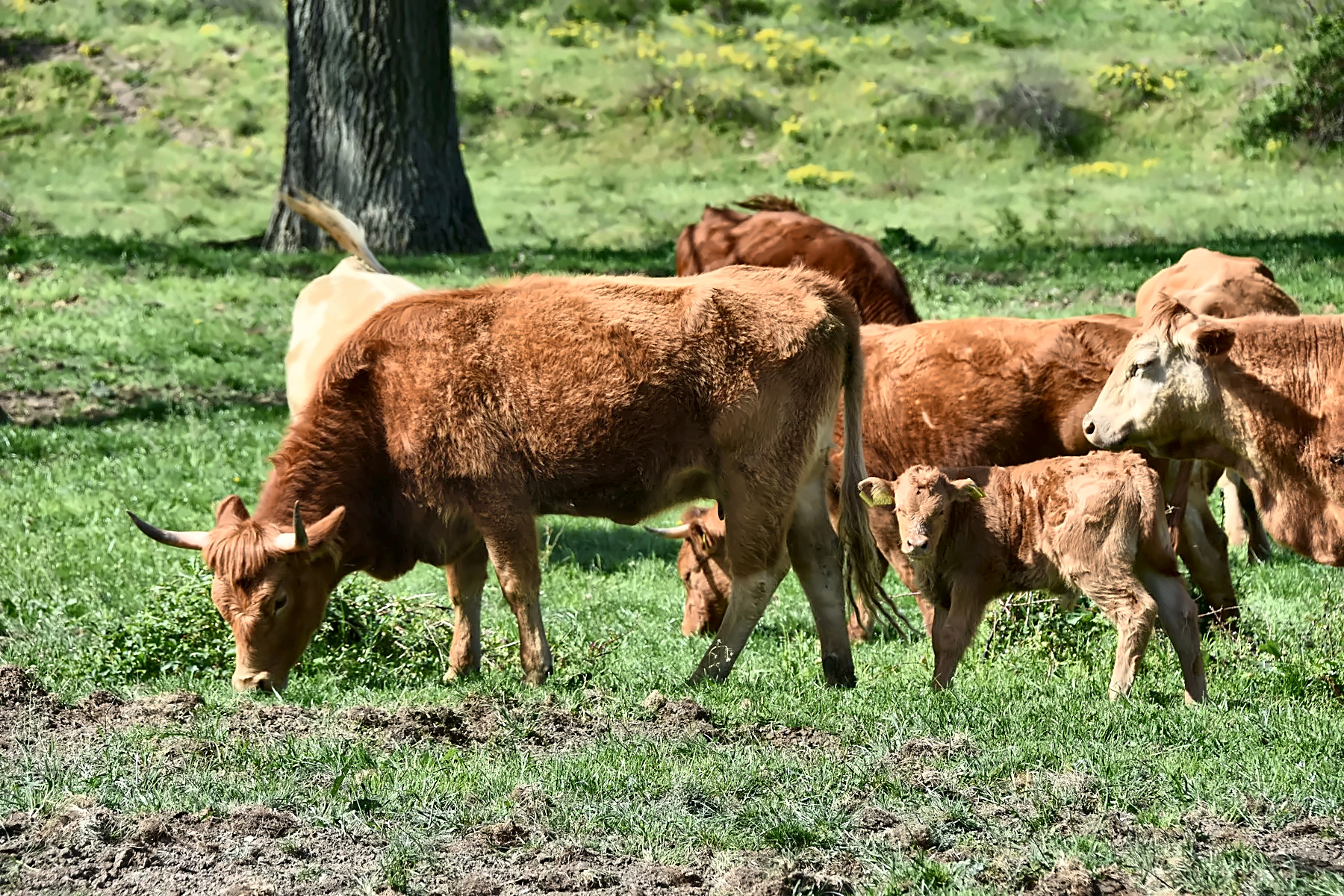
The long-term grazing experiments underpinning the Uruguay–Argentina innovation platform produced very promising results. Small changes in grass height and quantity, achieved by raising forage allowance from 2.5 to 5 kg of dry matter per kg of live weight, improved beef production per hectare by 30% for first-calf cows on natural grassland. With even higher allowances, the trials reached up to 200 kg of calf per hectare, and crossbred cows outperformed purebreds.
The improvements are explained by greater forage intake in autumn and better energy partitioning in the herd after calving, supported by simple practices such as temporary weaning and flushing. The project also found that taller grass favours typical grassland birds, such as the spotted nothura and the red-winged tinamou, which become good indicators of sustainable management. These data were incorporated into simulation models that help design farms that are more productive and environmentally friendly.
📄 Project poster 2018 (PDF, in Spanish)
📄 Final technical report (PDF, in Spanish)
🔗 Project page (in Spanish)