 Impact
 Initiatives
 Dashboard
 Alliances


 Impact
 Initiatives
 Dashboard
 Alliances


 Technological-Organizational-Institutional
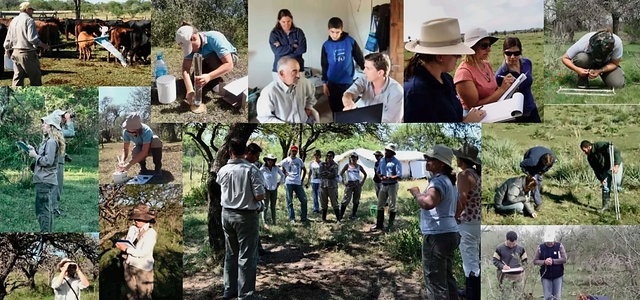
The project “Innovation platform for the sustainability of family livestock systems in Uruguay and Argentina” characterized the structure, management and output of 250 family livestock systems in northern and eastern Uruguay and 55 in Entre Ríos province (Argentina). The study, which grouped the farms into six types according to their structure and functioning, showed that farmers in both countries share similar characteristics and challenges, making it possible to design common solutions for the whole region.
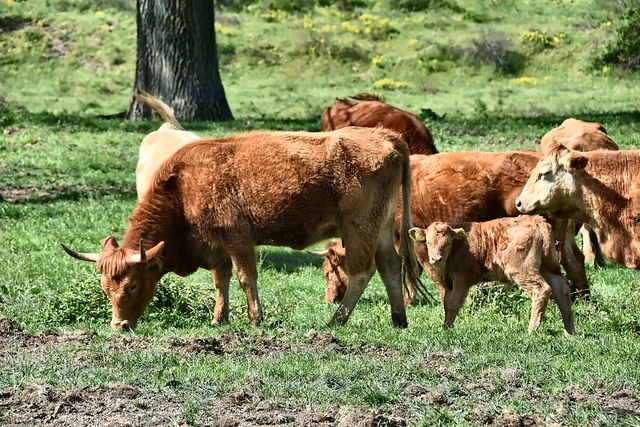
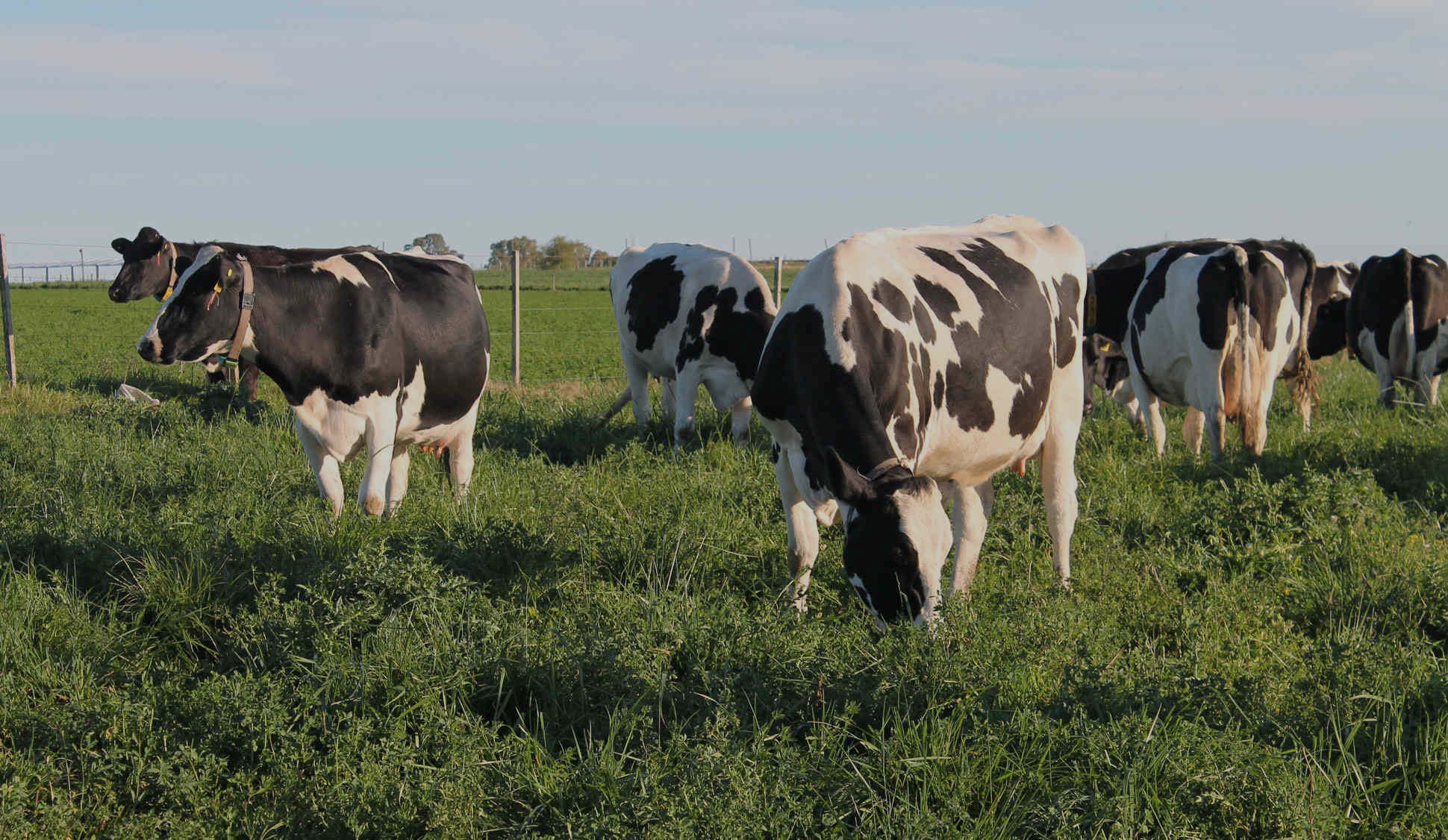
The most encouraging finding is that management makes the difference. Farms that manage grazing over time and space, the “spatio-temporal managers”, produce 92 kg of beef per hectare, compared with 66 kg on farms that do not. In other words, results can be greatly improved by adjusting forage allowance and herd organization, without large expenses. This knowledge, previously unavailable, is the foundation on which the project began its co-innovation work with farmers.
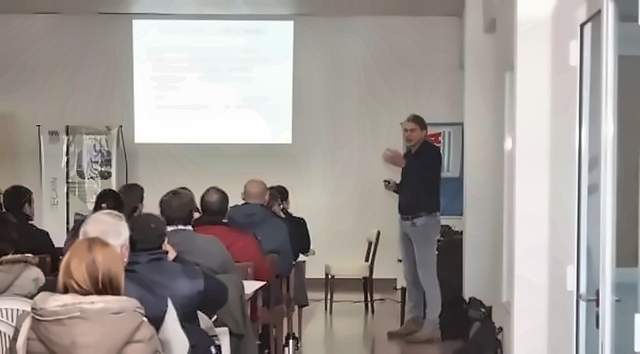
📄 Results presentation, 14th Annual Technical Monitoring Workshop 2019 (PDF, in Spanish)
📄 Project poster 2018 (PDF, in Spanish)
🔗 Project page (in Spanish)