 Impact
 Initiatives
 Dashboard
 Alliances

 Impact
 Initiatives
 Dashboard
 Alliances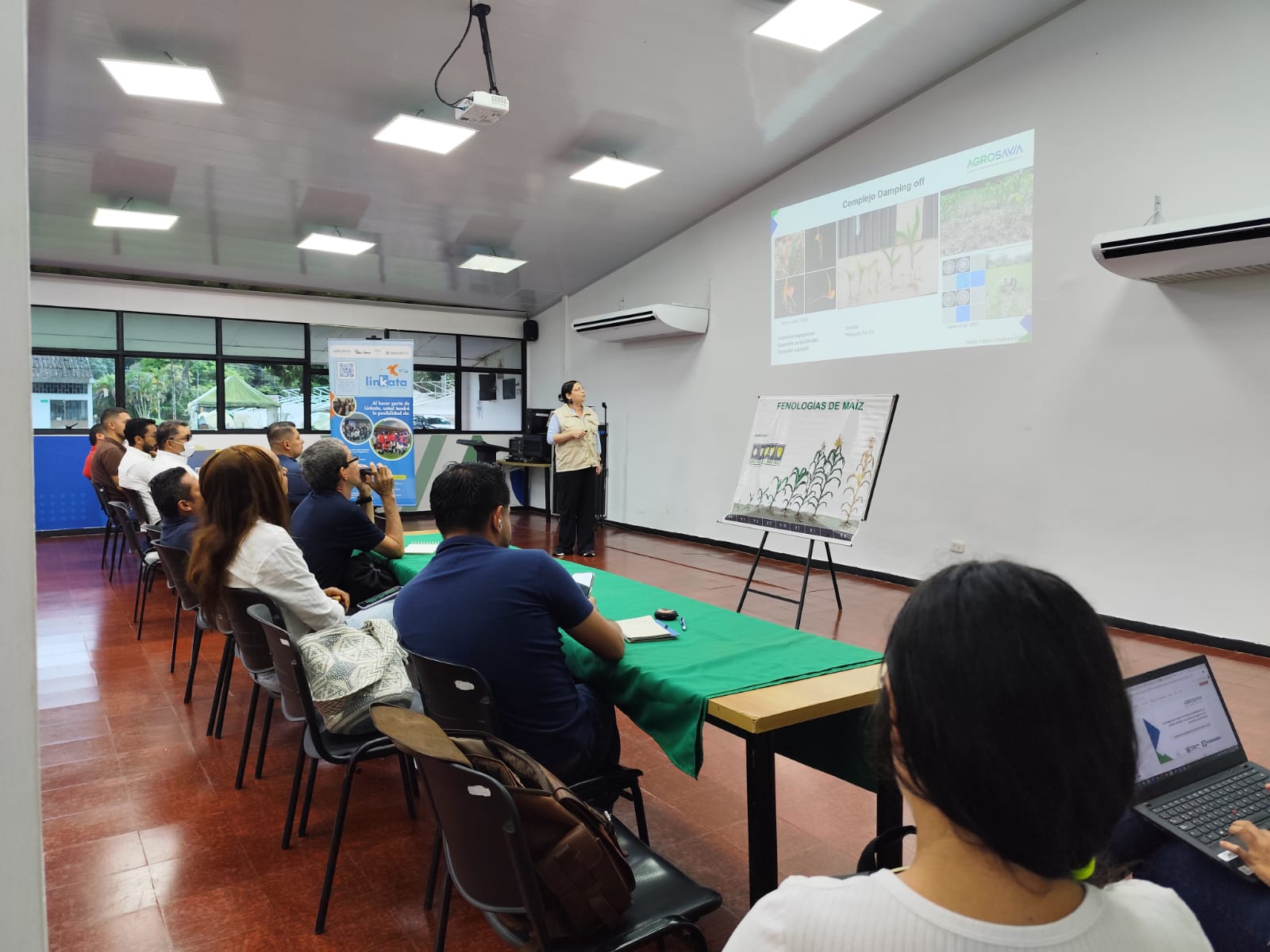

 Technological
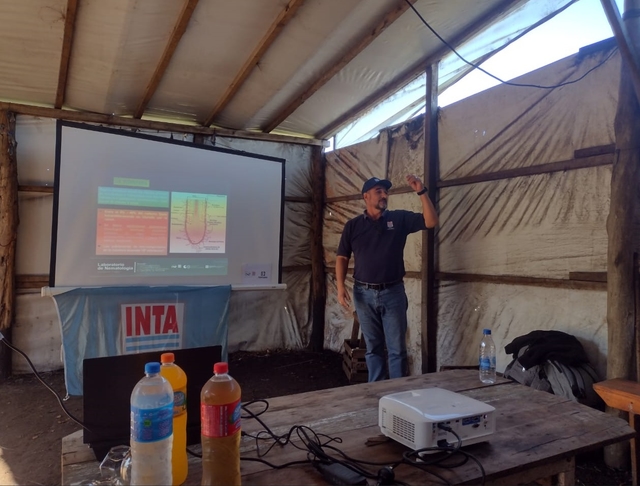
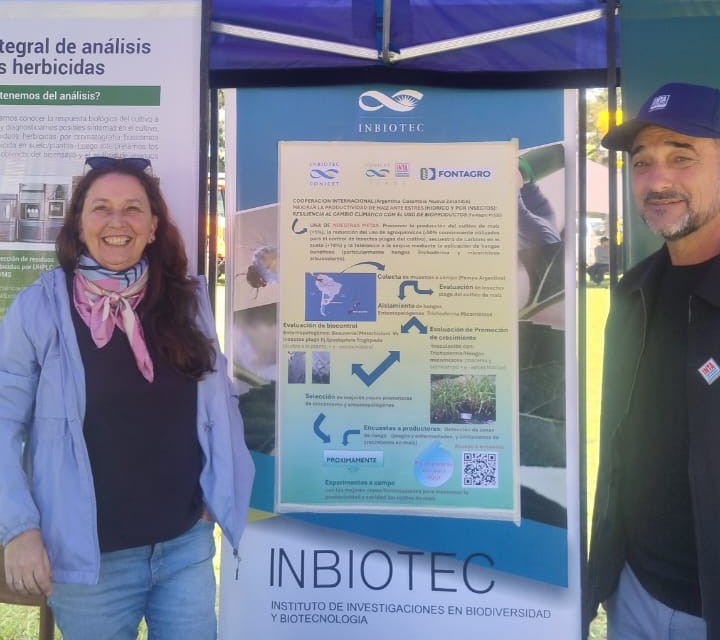
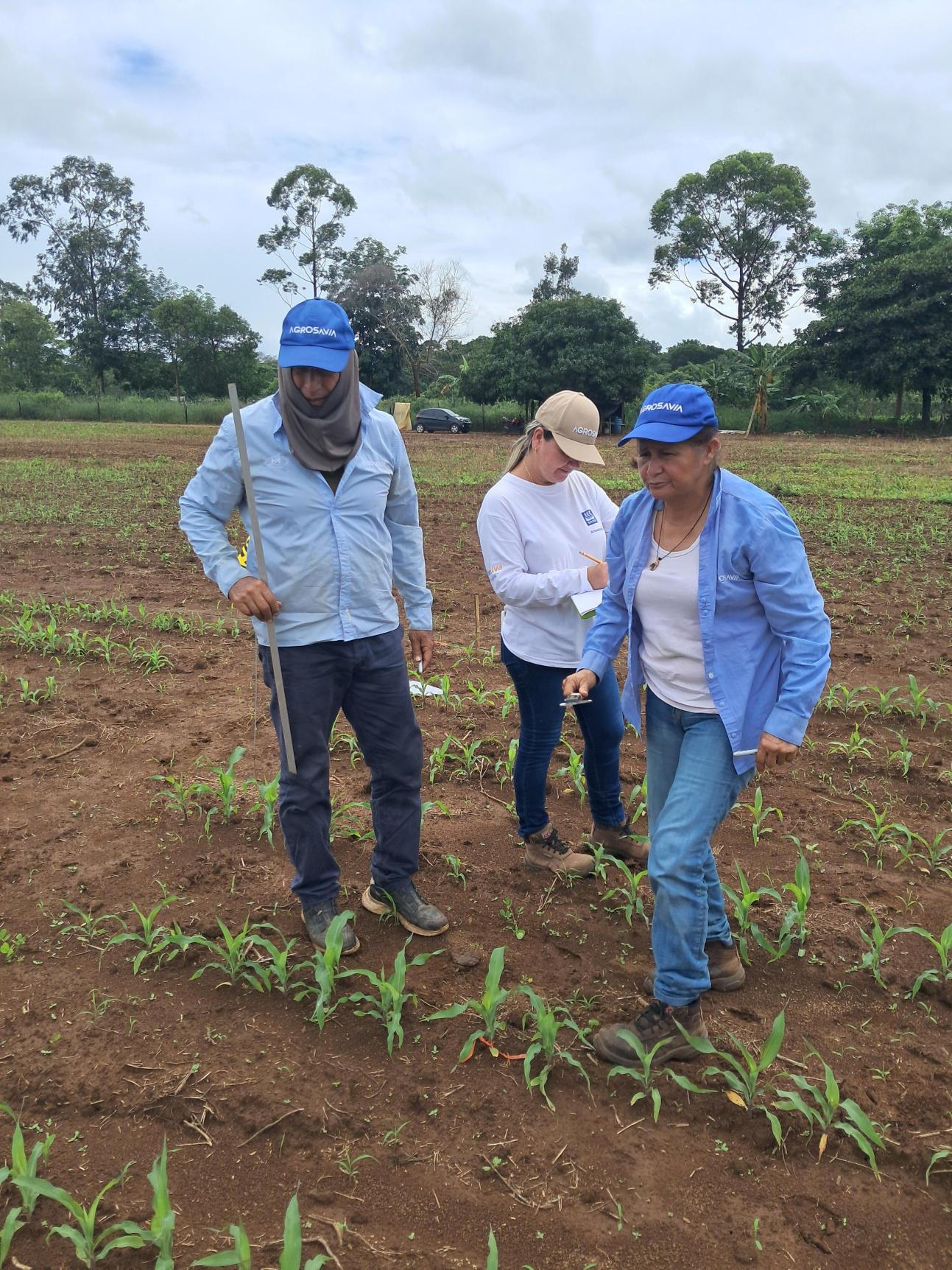
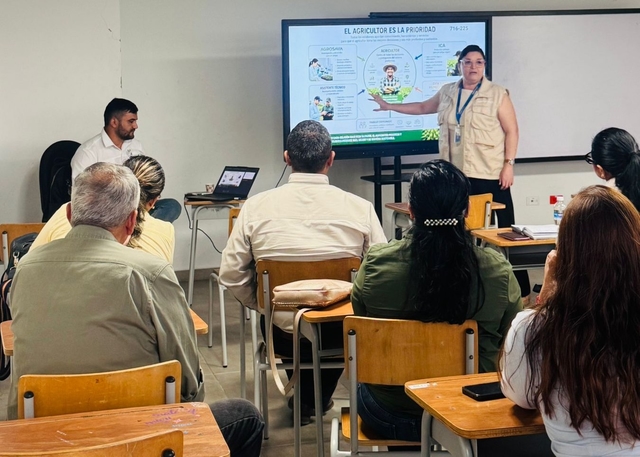
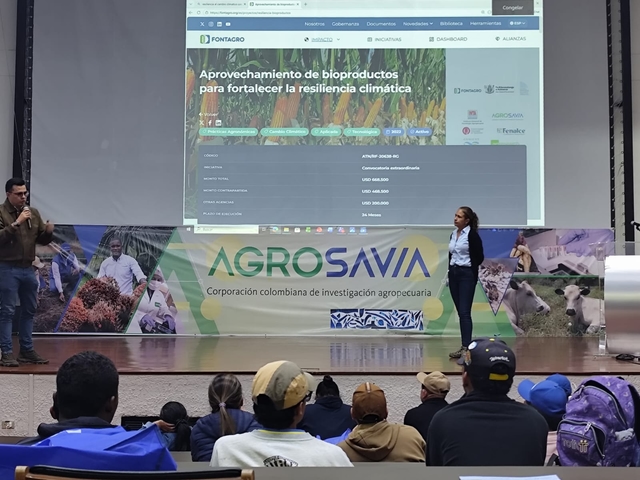
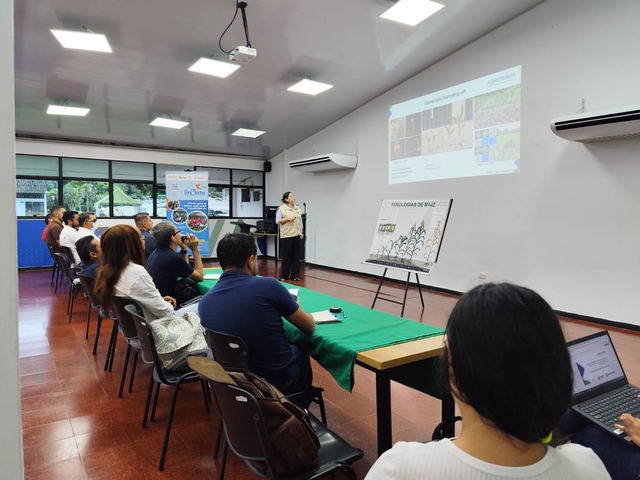
As part of the FONTAGRO project “Harnessing Bioproducts to Strengthen Climate Resilience”, three regional workshops were held in Colombia during May 2025: on May 9 at the Turipaná Research Center (Cereté, Córdoba), on May 16 at the La Libertad Research Center (Villavicencio, Meta), and on May 23 at the Nataima Research Center (El Espinal, Tolima).
The events brought together 72 participants, including farmers, technical advisors, extension agents, researchers, teachers, and students, who shared experiences and discussed the main challenges currently affecting maize production in different regions of the country.
Through participatory methodologies and knowledge-sharing activities, participants identified key constraints related to pest and disease incidence, soil degradation and fertility loss, nutritional deficiencies, and the increasingly evident effects of climate variability on agricultural production. Among the most important challenges highlighted were insect pests affecting different stages of crop development, including the fall armyworm (Spodoptera frugiperda), corn earworm (Helicoverpa zea), stalk borers (Diatraea spp.), and the corn leafhopper (Dalbulus maidis), which is recognized for its role in transmitting diseases that can cause significant yield losses. Participants also pointed to problems associated with fungal diseases, declining soil fertility, and the impacts of prolonged droughts and high temperatures.
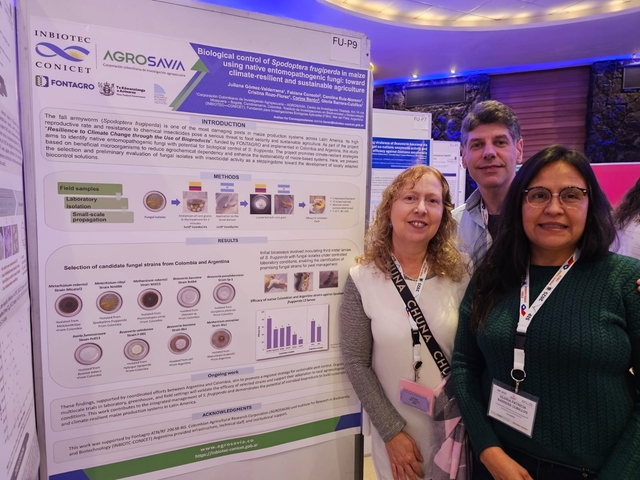
The outcomes of these workshops highlighted the importance of developing solutions through participatory approaches that integrate the knowledge and experience of farmers, technical specialists, and researchers. The FONTAGRO project reaffirms its commitment to the development and transfer of technologies based on beneficial microorganisms that can reduce dependence on chemical inputs, improve agroecosystem health, and strengthen the climate resilience of maize production systems. In doing so, the project contributes to advancing a more sustainable, productive, and climate-resilient agriculture capable of addressing future challenges.
.png&w=640&q=100)