 Impact
 Initiatives
 Dashboard
 Alliances

 Impact
 Initiatives
 Dashboard
 Alliances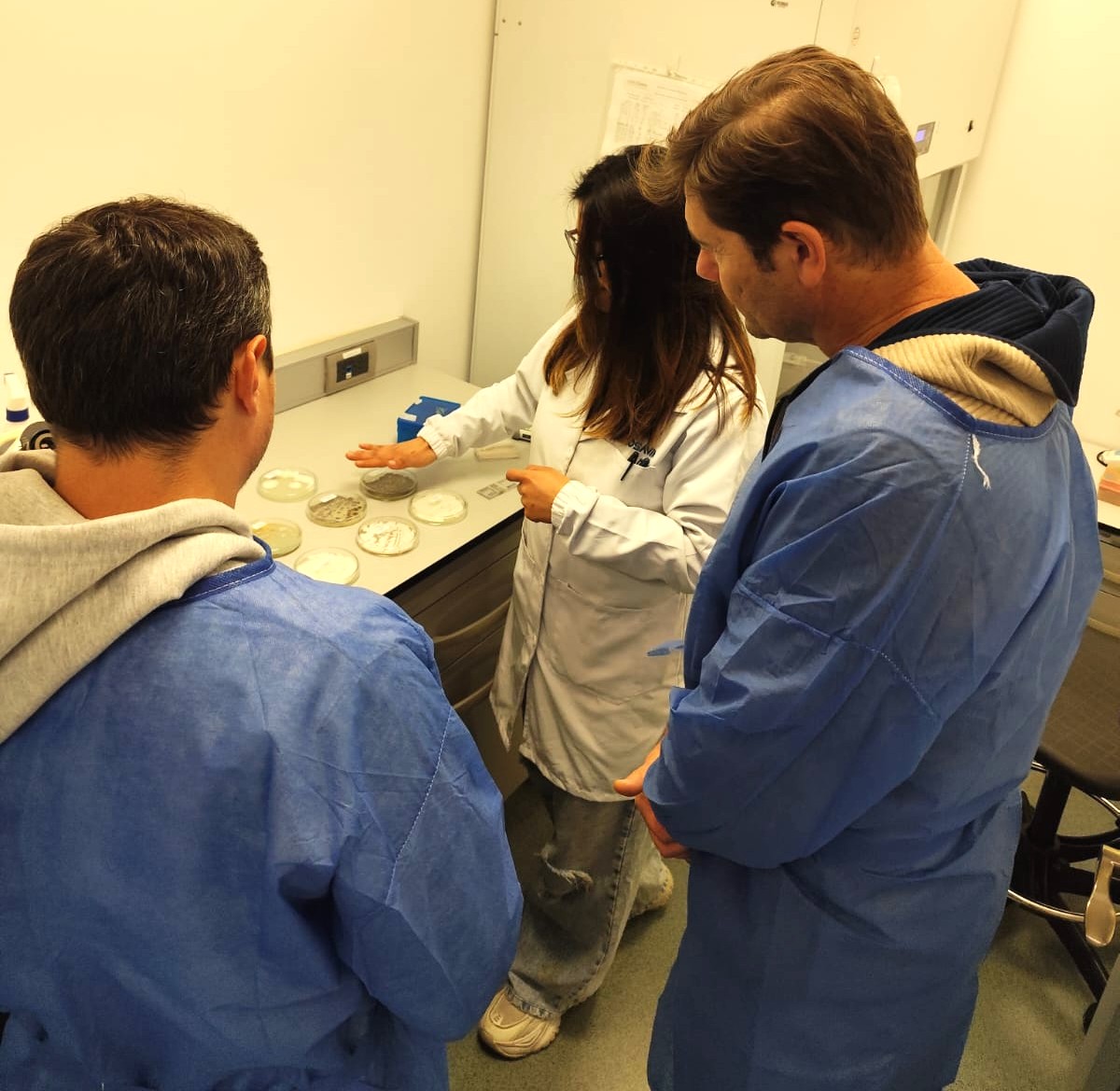

 Technological
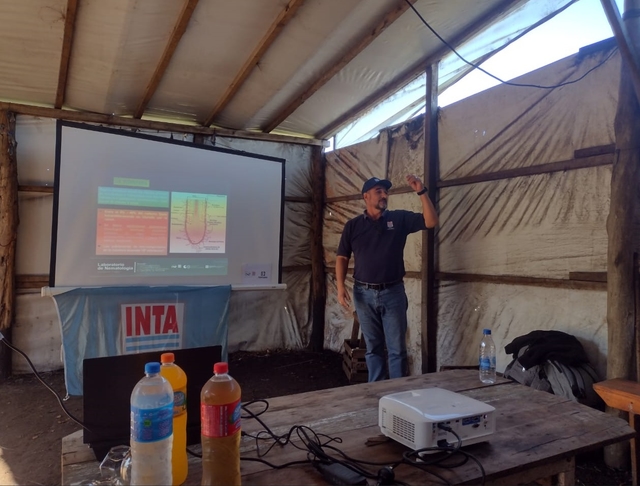
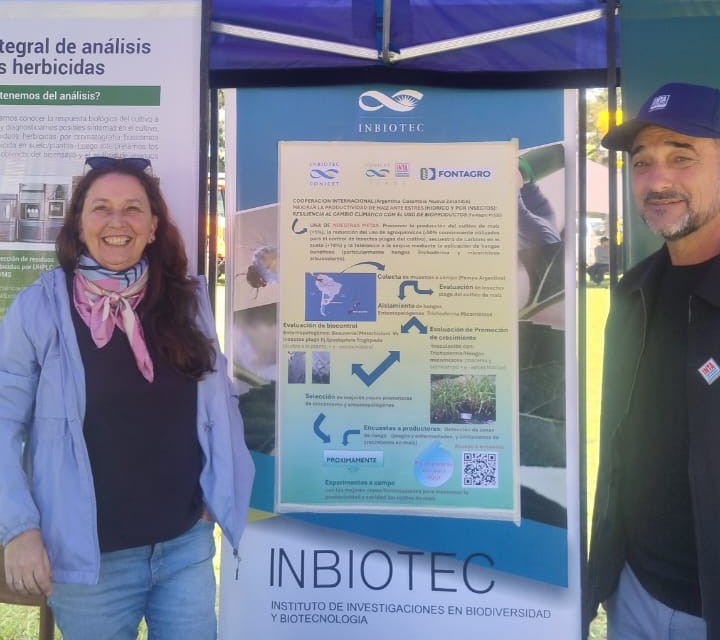
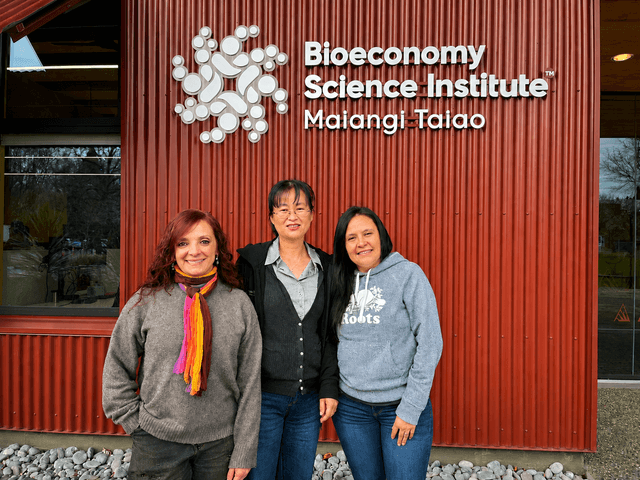
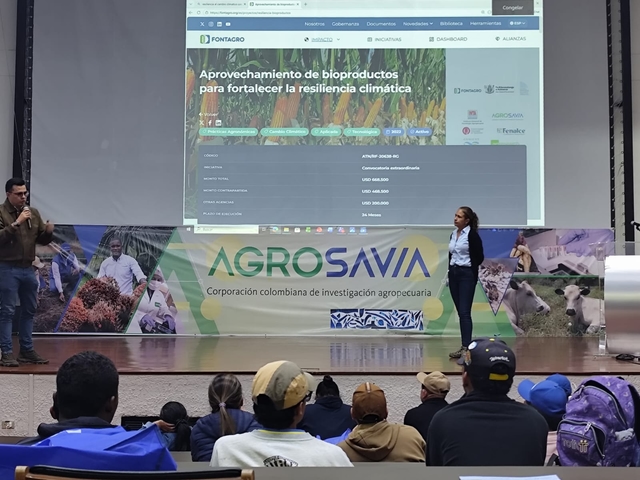
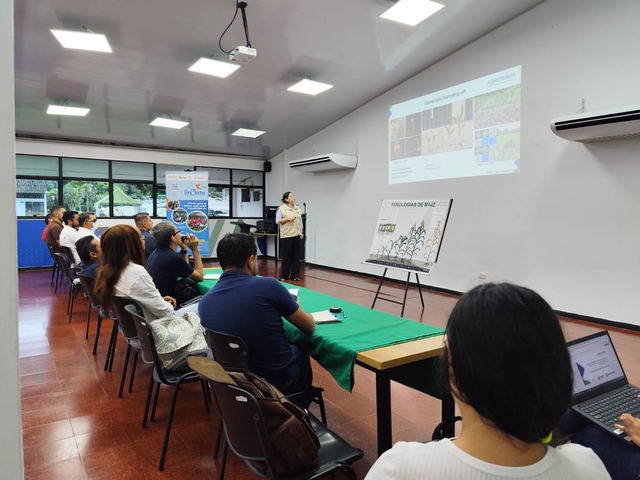
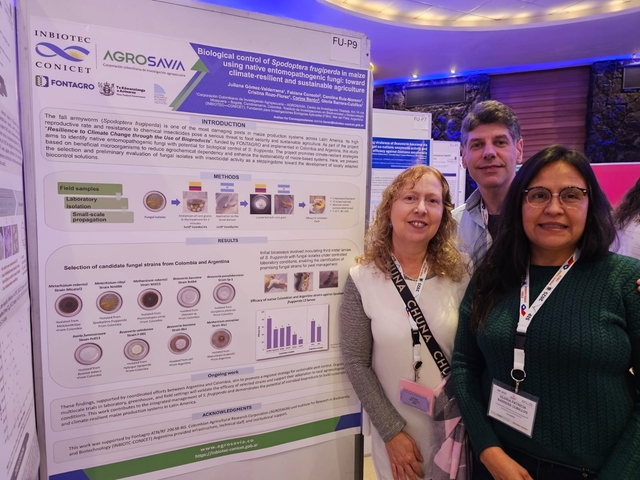
In April 2025, the FONTAGRO project “Harnessing Bioproducts to Strengthen Climate Resilience” welcomed representatives from New Zealand’s Agricultural Greenhouse Gas Research Centre in an activity aimed at strengthening knowledge exchange and showcasing the progress achieved by the research team in Colombia.
The visit took place within the framework of the collaboration between FONTAGRO and the Global Research Alliance on Agricultural Greenhouse Gases, organizations that support initiatives focused on developing innovative solutions for more climate-resilient agricultural systems.
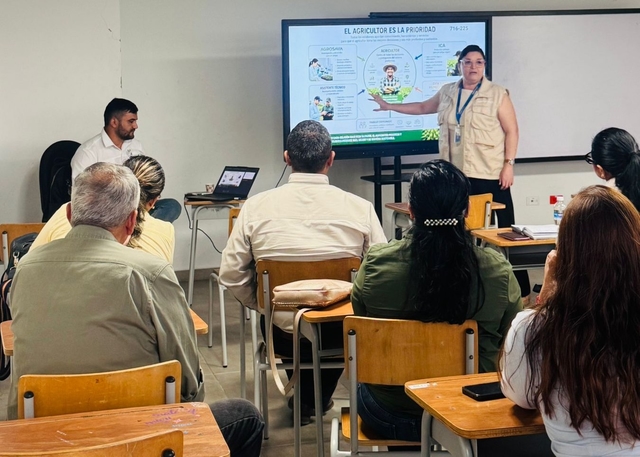
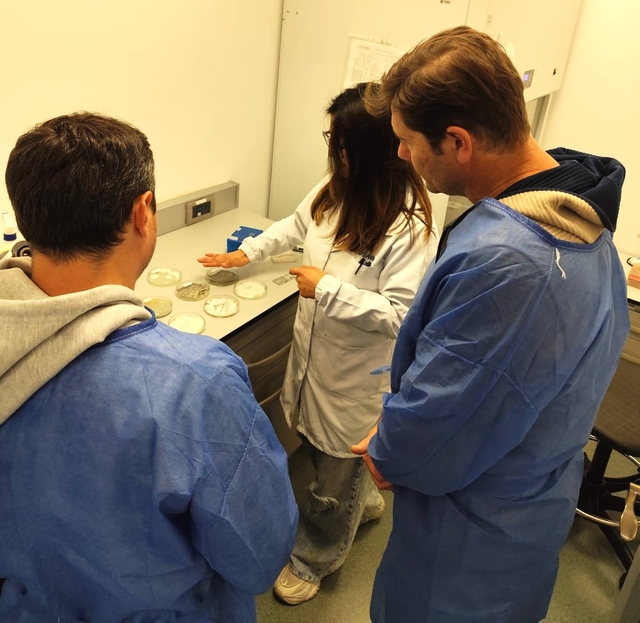
The agenda began on April 10 at AGROSAVIA’s Tibaitatá Research Center, where visitors met the project’s scientific and technical team and learned about the main research activities and achievements obtained in Colombia. The visit included a tour of the laboratories, where researchers presented work related to beneficial microorganisms, including entomopathogenic fungi and microorganisms with potential for crop disease management.
On April 14, the delegation visited the Nataima Research Center in El Espinal (Tolima), where they learned about the main plant health challenges currently affecting maize production in Colombia. One of the central topics was maize stunt disease, considered one of the most significant threats to maize productivity in several regions of Latin America.
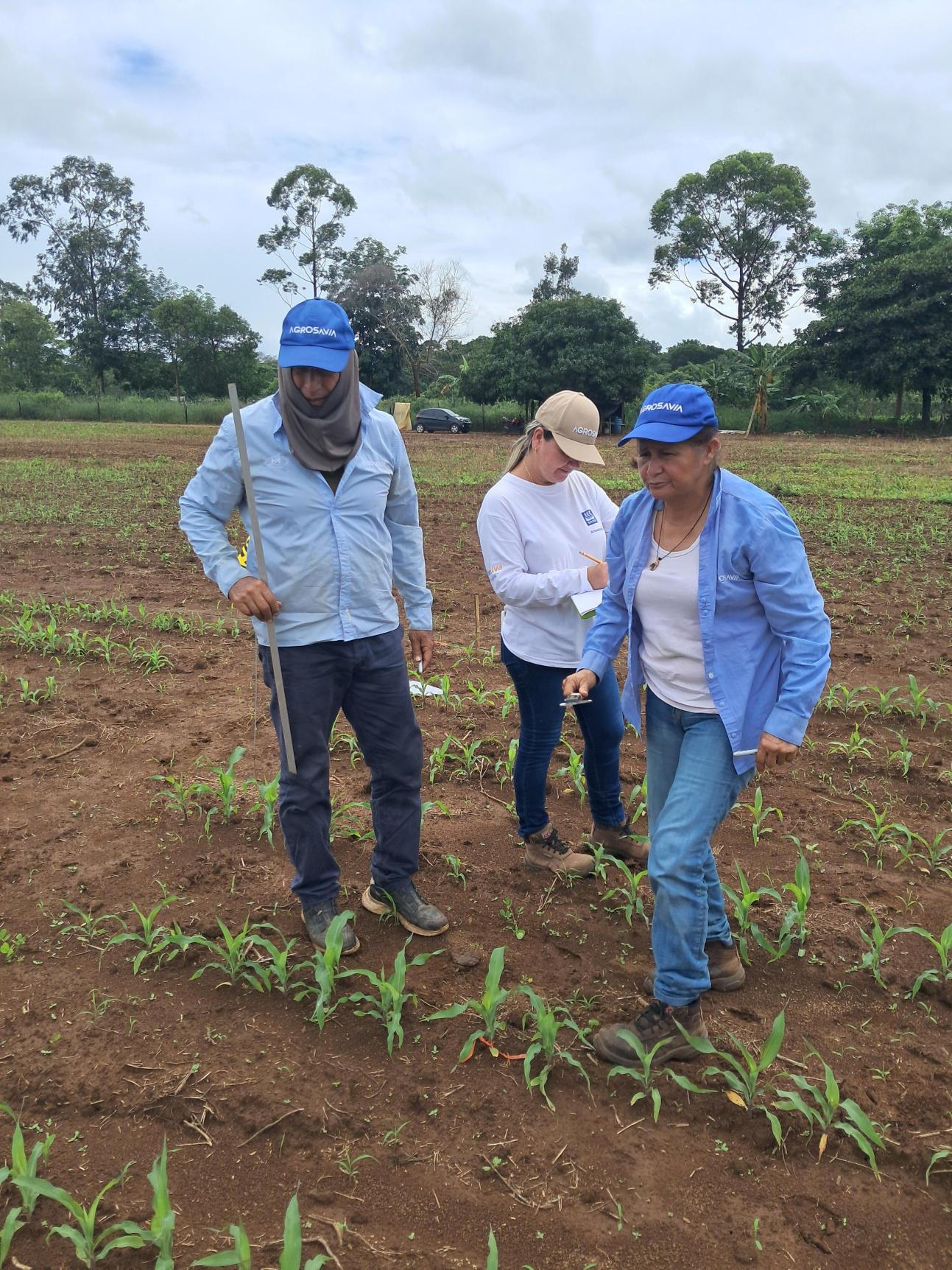
During the visit, researchers shared progress on studies involving Dalbulus maidis, the insect vector associated with this disease, and presented management strategies currently under evaluation. The visit concluded with a tour of field maize trials, allowing participants to observe firsthand the research and validation activities being carried out within the project.
This technical exchange highlights the importance of international cooperation in promoting agricultural innovation and developing sustainable solutions to current farming challenges. It also contributes to strengthening collaborative networks among researchers from different countries working toward more resilient, sustainable, and climate-ready agricultural systems.
.png&w=640&q=100)