Through the integration of entomopathogenic, antagonistic, and mycorrhizal fungi, the project is developing multifunctional biological solutions to enhance maize health, productivity, and resilience under climate change conditions.

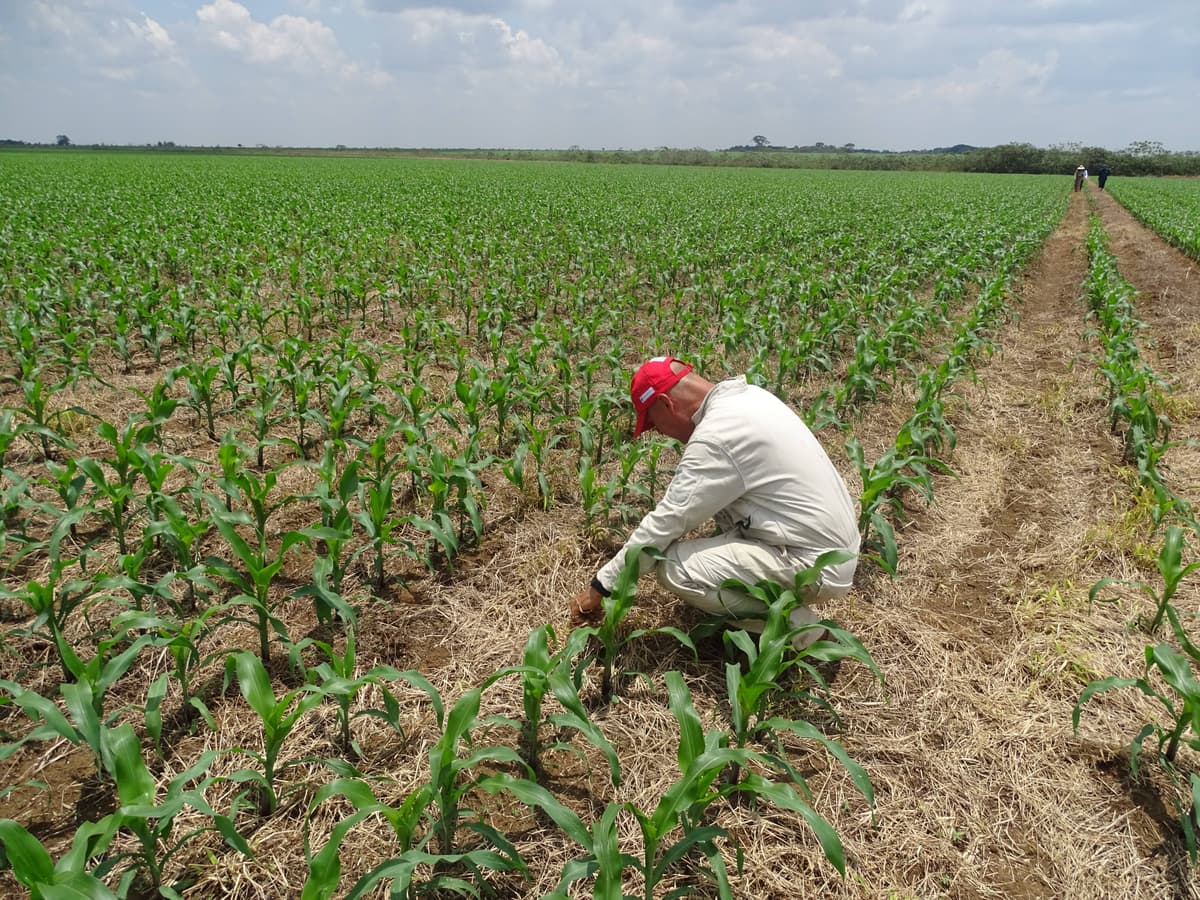
Maize faces increasing challenges associated with climate change, including more frequent droughts, changes in precipitation patterns, and a higher incidence of pests and diseases, all of which affect crop productivity and sustainability in Colombia and Argentina. These challenges are compounded by soil degradation and the growing dependence on chemical inputs, which increase production costs and environmental risks. In response, the project evaluates the integration of beneficial fungi with complementary functions to control pests and diseases, improve plant nutrition, and enhance tolerance to water stress, contributing to the development of more resilient and sustainable maize production systems.
Native Beneficial Fungi: Multifunctional Allies for Building Resilient and Sustainable Maize Production Systems
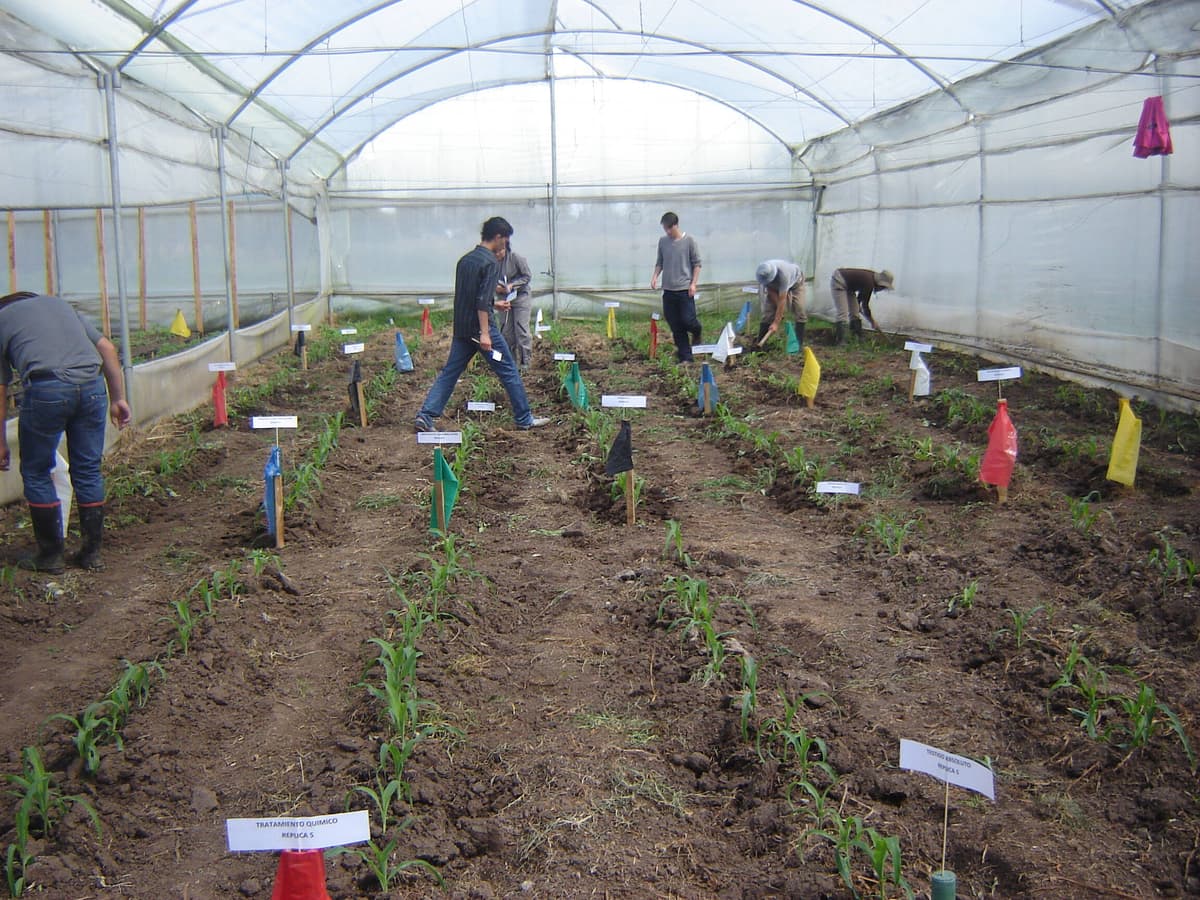
This project evaluates the integration of native beneficial fungi from Colombia and Argentina as a multifunctional strategy to strengthen maize resilience to climate change. Beneficial fungi were selected for insect pest control, disease management, improved plant nutrition, and enhanced tolerance to water stress. In addition, their potential to promote soil health and carbon stabilization is being explored. Results obtained under laboratory and greenhouse conditions demonstrate their capacity to improve crop health, productivity, and sustainability, while reducing dependence on agrochemicals and supporting the development of more resilient and environmentally friendly agricultural systems.
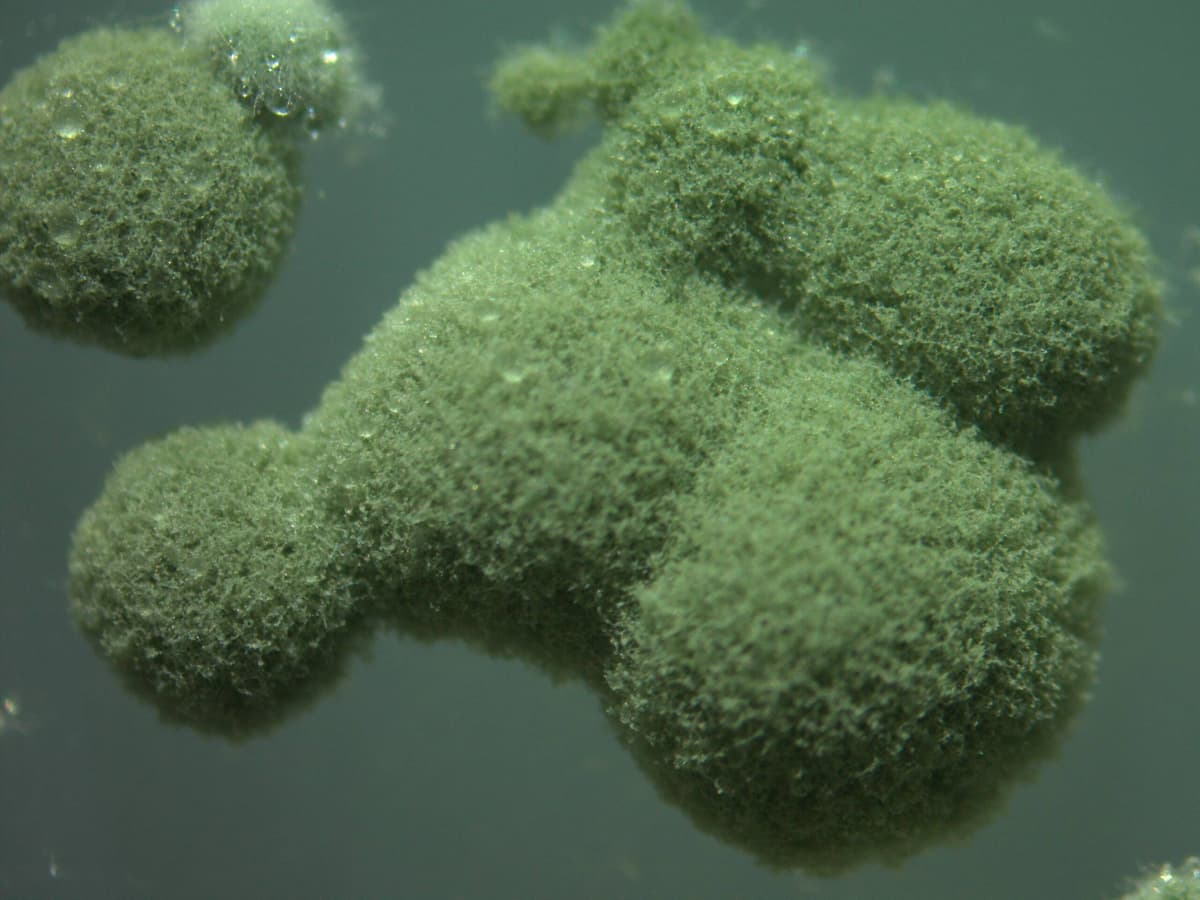
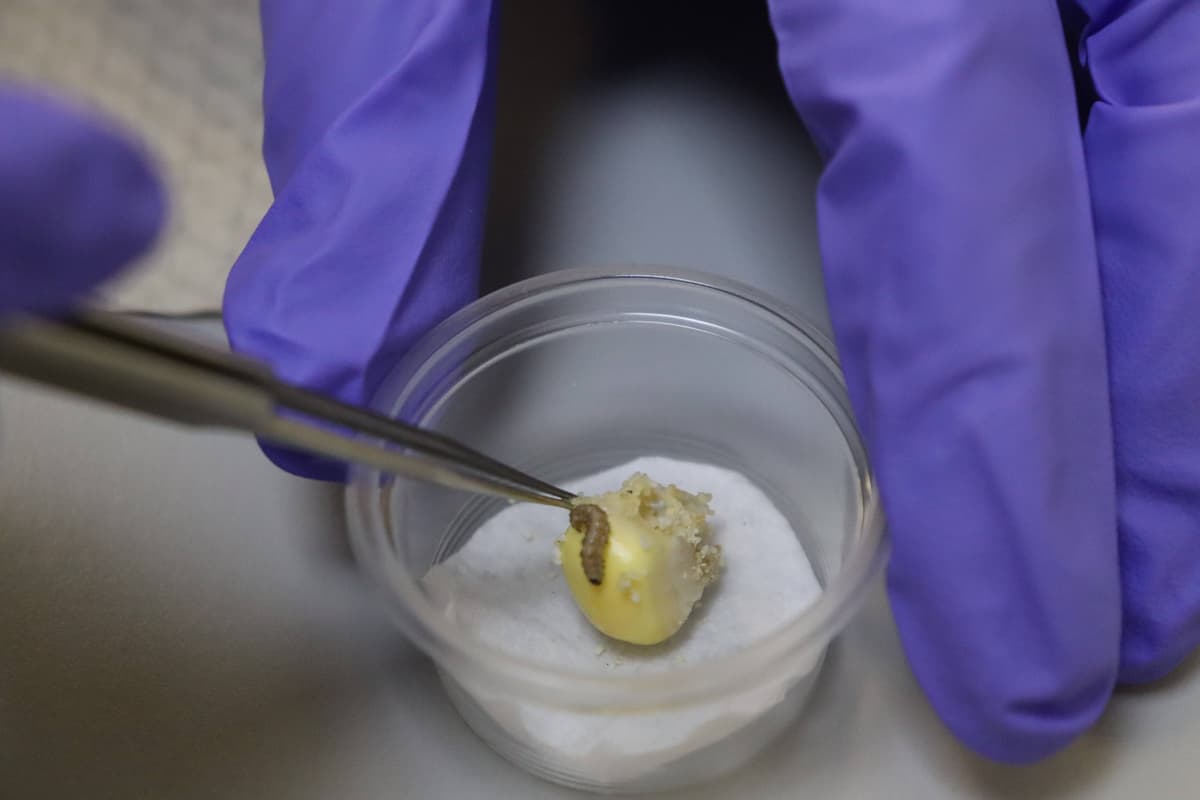
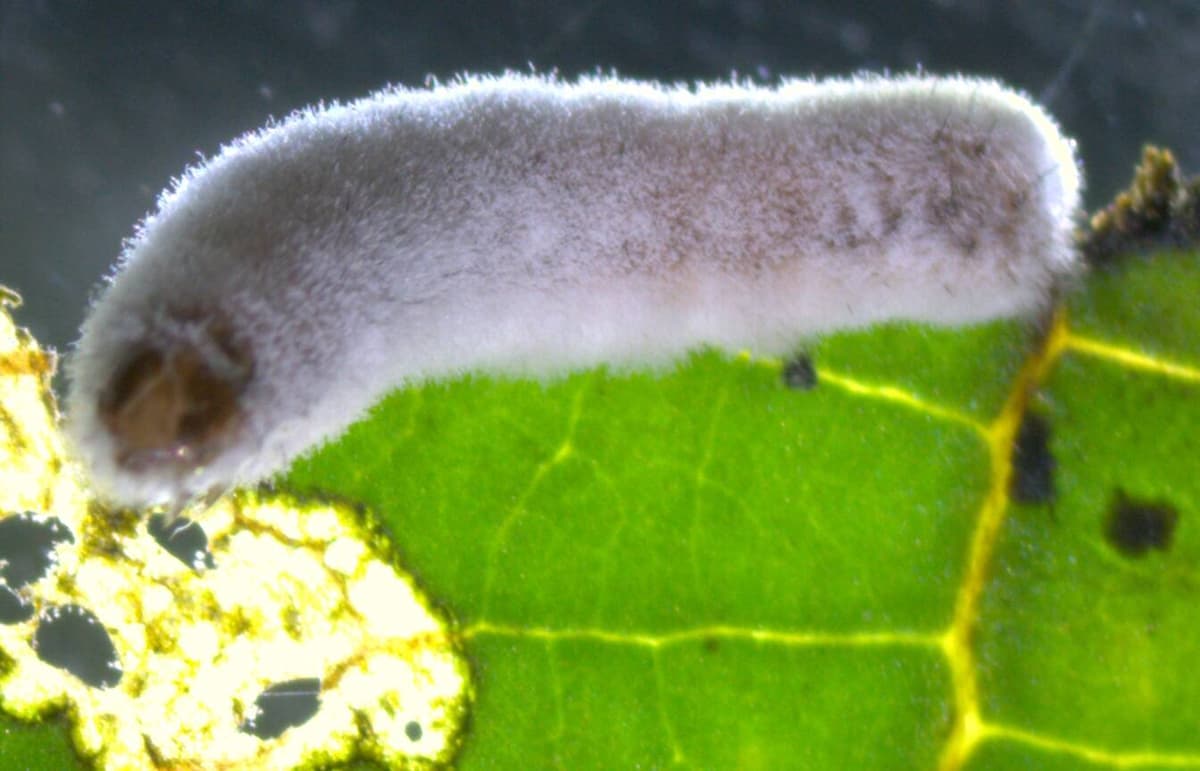
The proposed technological solution is based on the integration of beneficial fungi with complementary functions to address the main challenges affecting maize production. The project combines entomopathogenic fungi for the biological control of insect pests, antagonistic fungi for disease management, and arbuscular mycorrhizal fungi to improve plant nutrition and enhance tolerance to water stress. This multifunctional strategy aims to reduce dependence on agrochemicals, strengthen soil health, and increase the resilience of production systems to climate change. In addition, the project explores the potential of these microorganisms to contribute to carbon stabilization in soils, promoting a more sustainable and environmentally friendly agriculture.
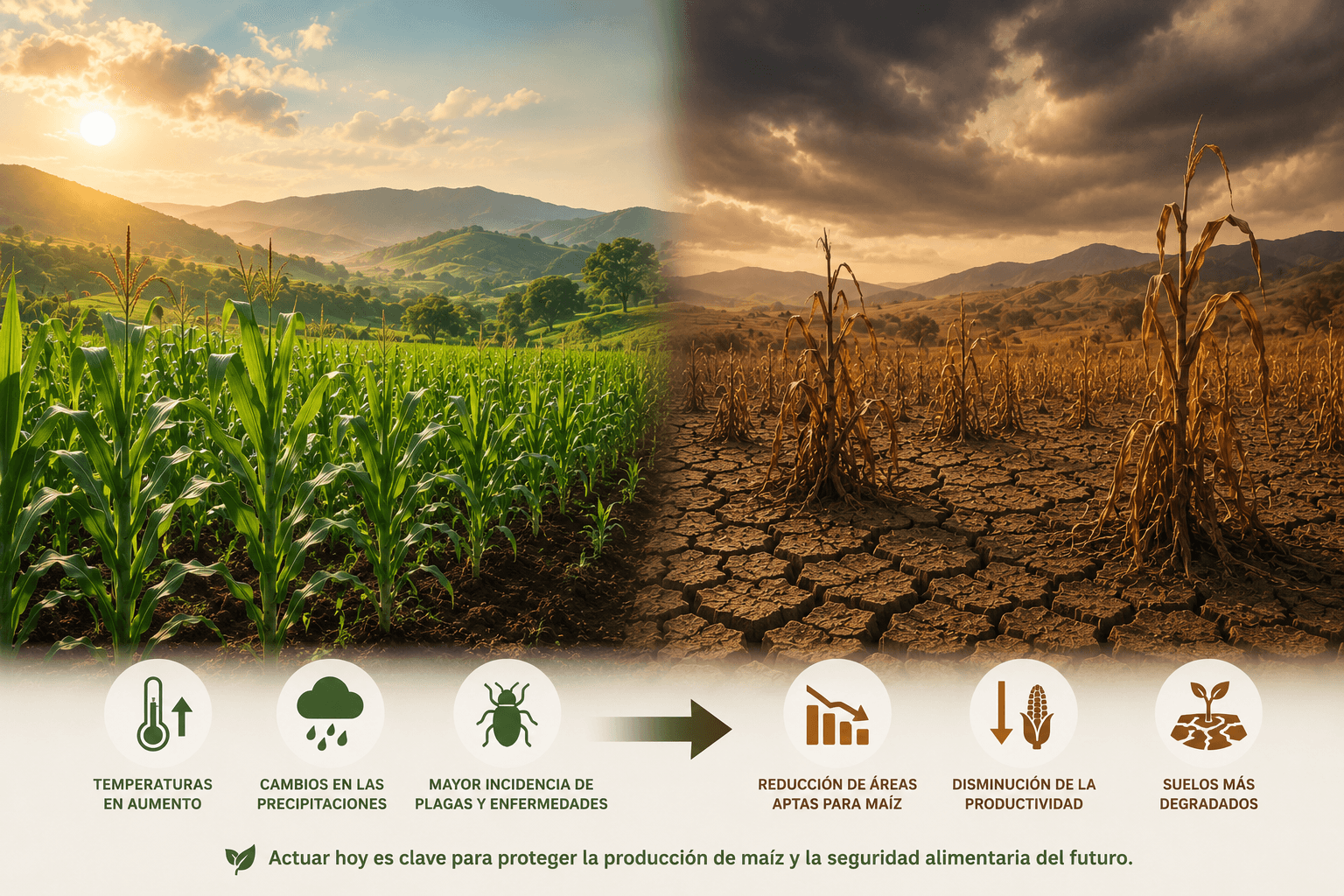
"If no actions are taken to mitigate the effects of climate change, it is estimated that by 2030 there will be a significant reduction in the areas suitable for maize production, as well as a decrease in crop productivity by up to 30 %."— Gómez et al., 2019. Maize for Colombia. Vision 2030
 Agronomic PracticesClimate changeAppliedTechnologicalCrops
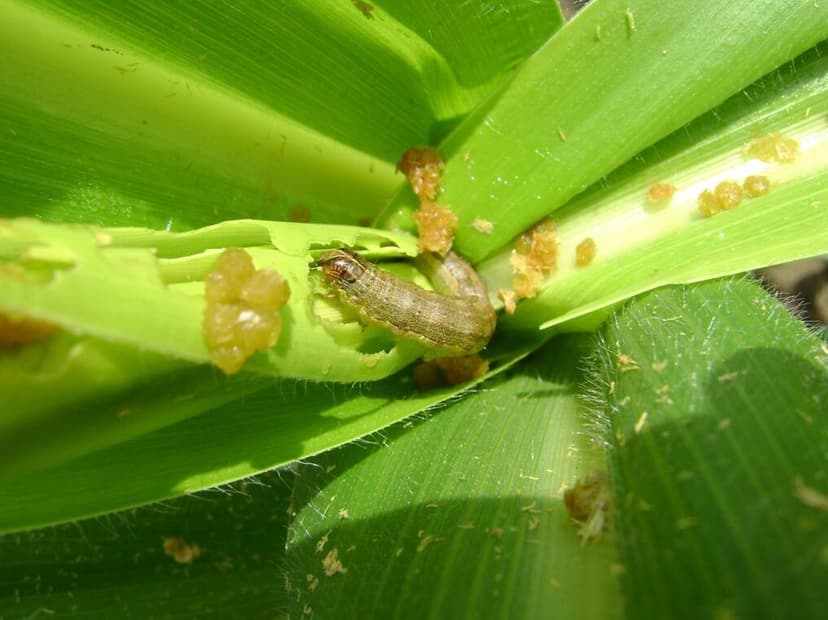
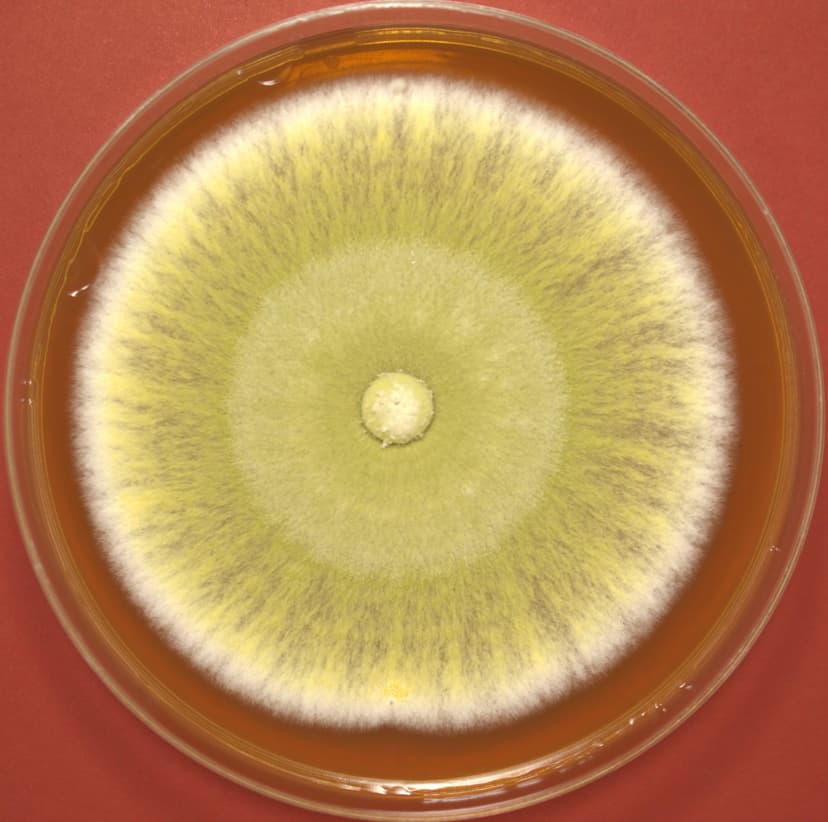
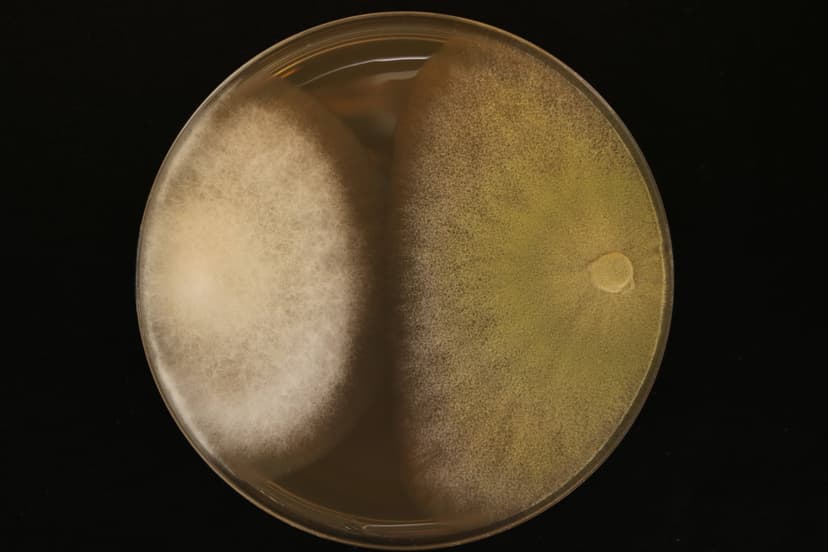
Native beneficial fungi from Colombia and Argentina were selected and characterized for pest and disease management and the promotion of plant growth in maize. In Colombia, isolates Bv064 (Beauveria bassiana) and Mtcatol2 (Metarhizium robertsii) showed high efficacy, while in Argentina the isolate Ma1 (Metarhizium anisopliae) stood out against Spodoptera frugiperda. The Trichoderma isolates Th406 and Th032 were highly effective against Macrophomina, Fusarium, and Stenocarpella. In addition, a combination of arbuscular mycorrhizal fungi (AMF) was selected for its potential to improve plant growth and tolerance to water deficit. Integrated greenhouse trials showed that combining these fungi enhances plant responses to pests, diseases, and drought stress, highlighting their potential to strengthen the resilience and sustainability of maize production systems.
Relevant data








Colombia

Argentina

Colombia

Nueva Zelanda

Argentina



The Tangible Impact of Science and Technology in the Field

 Impact
 Initiatives
 Dashboard
 Alliances
 Impact
 Initiatives
 Dashboard
 Alliances