 Impact
 Initiatives
 Dashboard
 Alliances

 Impact
 Initiatives
 Dashboard
 Alliances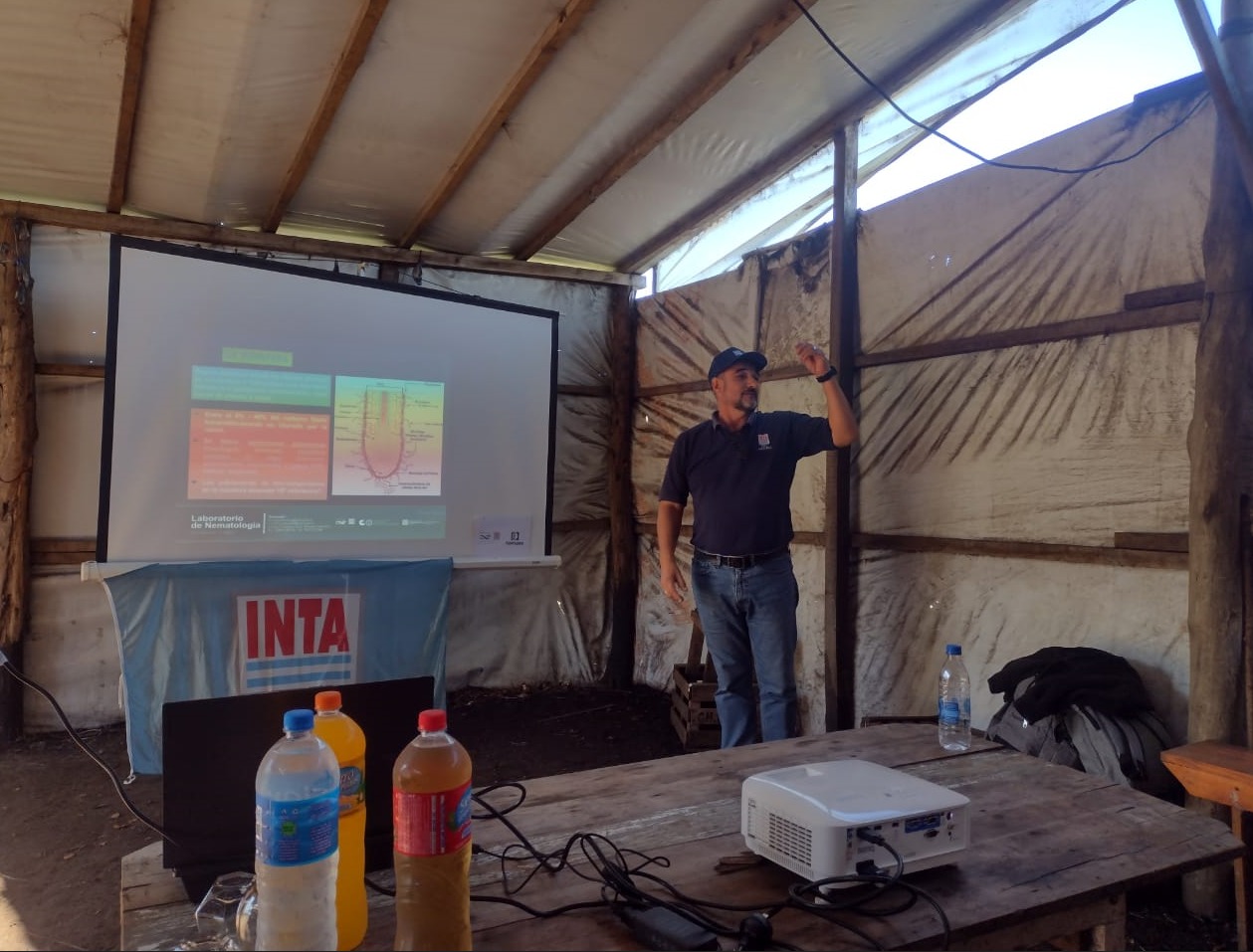

 Technological
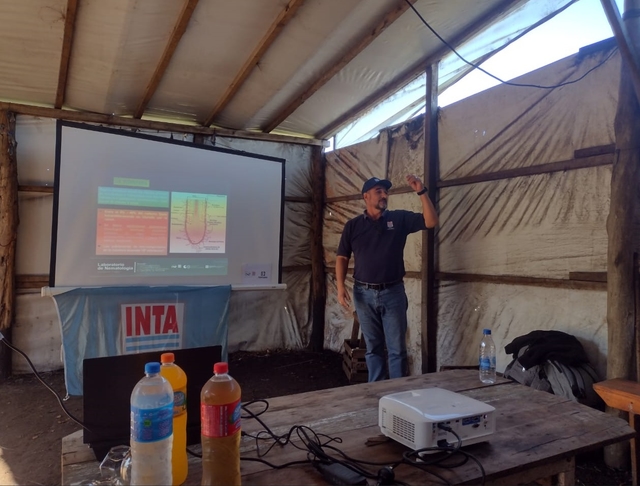
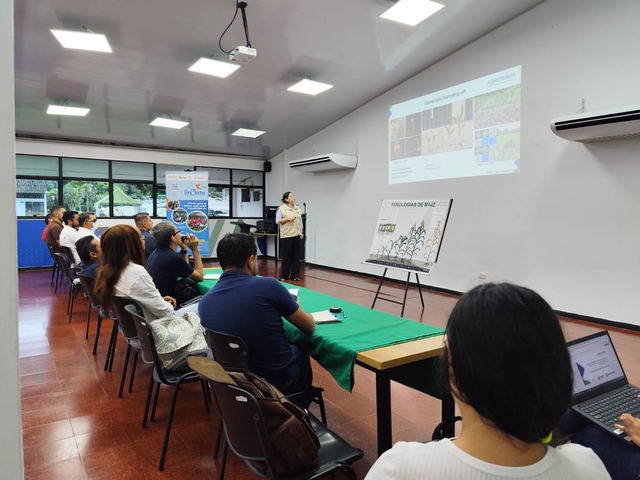
On May 4, 2026, the Technical Workshop for Local Agricultural Production was held in Necochea-Quequén, Buenos Aires Province, Argentina. The event brought together farmers and agricultural stakeholders interested in strengthening sustainable production practices and promoting soil health and plant disease management.
During the workshop, Dr. Eduardo Mondino, a specialist from the Institute of Plant Pathology (IPADS-INTA) and the Balcarce Agricultural Experimental Station, delivered a presentation focused on the importance of soil health as a key component of agricultural productivity and sustainability.
The presentation addressed the physical, chemical, and biological characteristics of soils, with special emphasis on the rhizosphere, the zone where plant roots interact with microorganisms. Participants also learned about the environmental conditions that favor the development of pathogens capable of affecting crop growth and productivity.
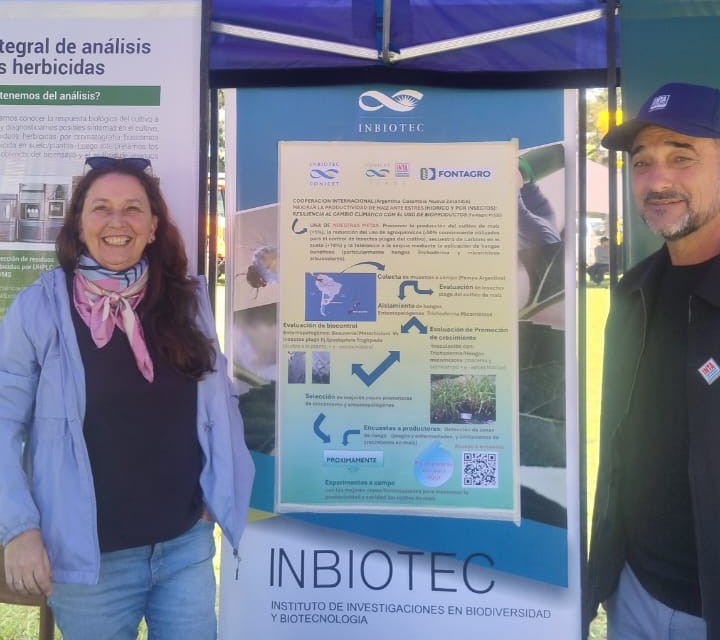
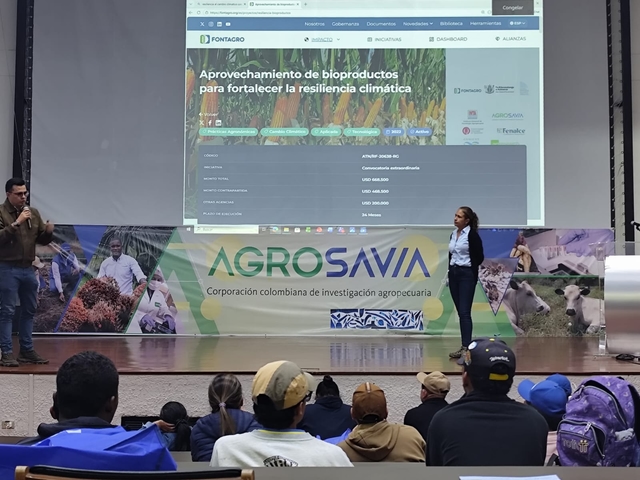
Within this framework, Dr. Mondino presented the objectives and scope of the FONTAGRO project ATN/RF-20638-RG “Harnessing Bioproducts to Strengthen Climate Resilience,” highlighting the potential of biological inputs based on native microorganisms to help mitigate both biotic and abiotic stresses affecting agricultural crops. Discussions with participants provided valuable insights into current experiences with biological inputs, their level of adoption, and producers’ interest in incorporating these technologies into their production systems.
A second session focused on best practices for agricultural machinery management, emphasizing measures to preserve soil quality and reduce the risk of spreading harmful organisms between fields. Particular attention was given to preventing cross-contamination through proper cleaning and handling of agricultural equipment.
The workshop also provided an opportunity to discuss the incidence of crop diseases affecting the region and to strengthen dialogue between researchers and producers regarding preventive disease management strategies.
Activities such as this contribute to knowledge transfer and promote sustainable practices that support soil health, agricultural productivity, and the resilience of farming systems in the face of current environmental and climate-related challenges.
.png&w=640&q=100)