 Impact
 Initiatives
 Dashboard
 Alliances

 Impact
 Initiatives
 Dashboard
 Alliances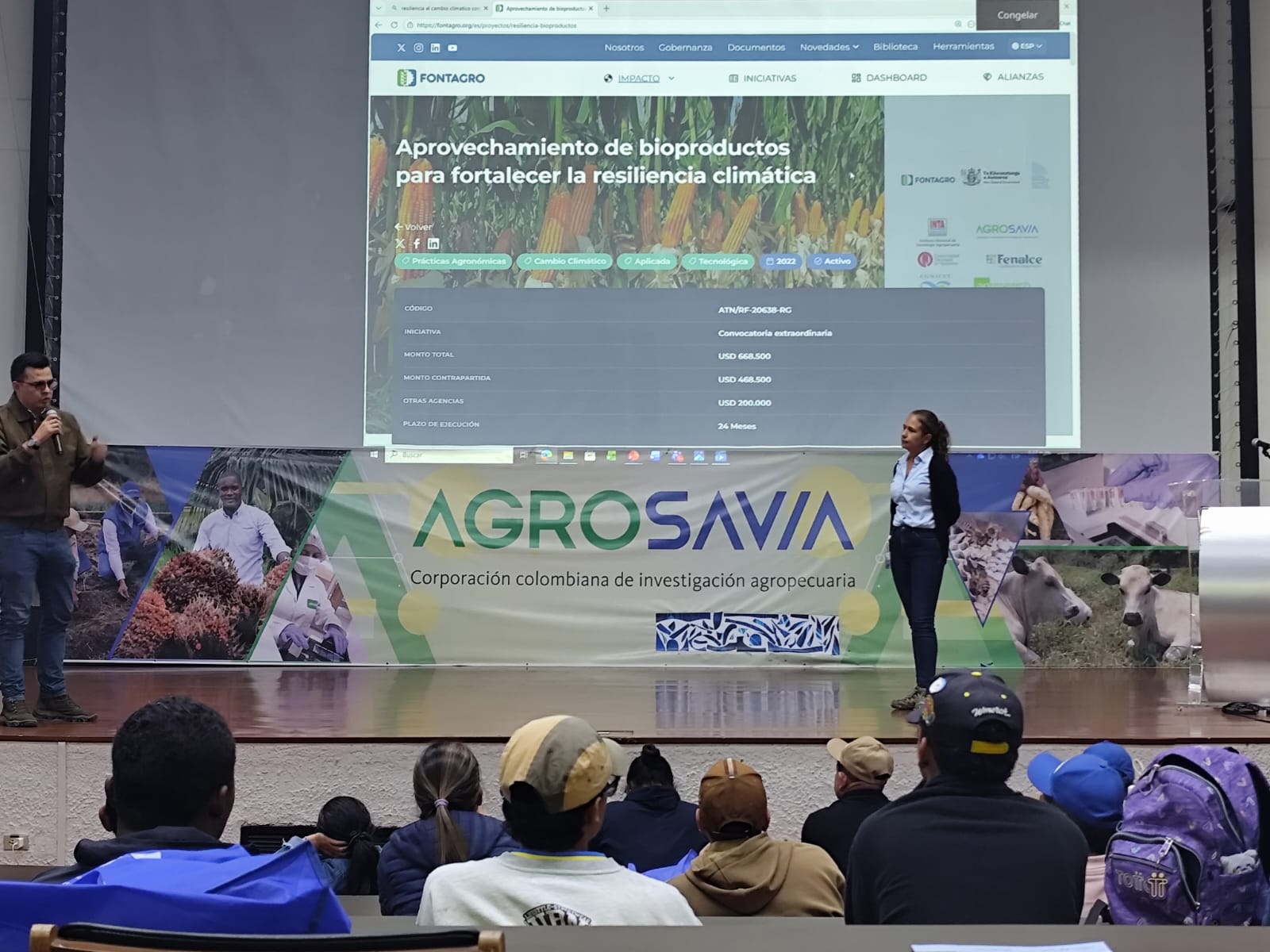

 Technological
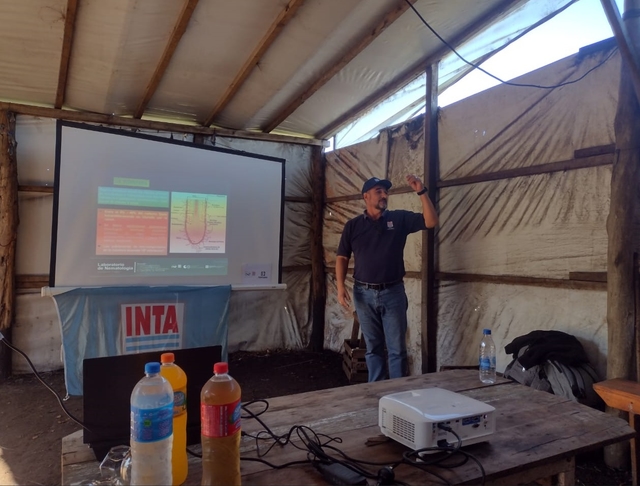
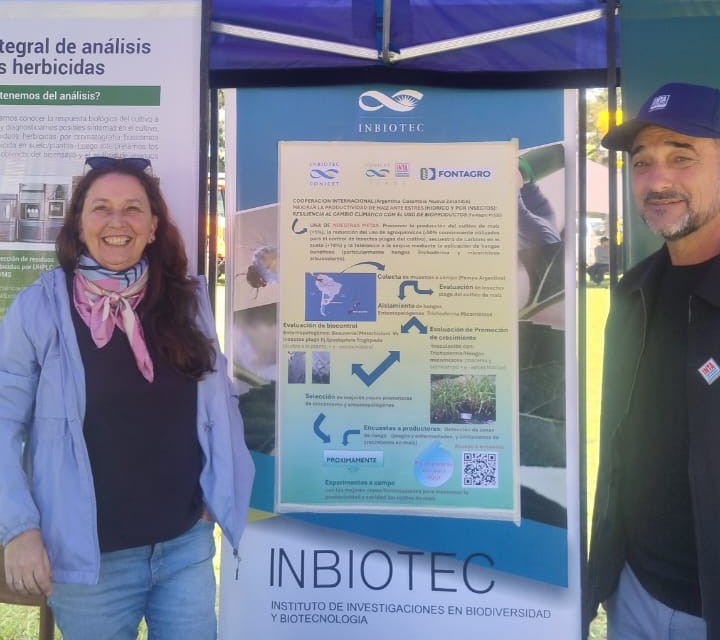
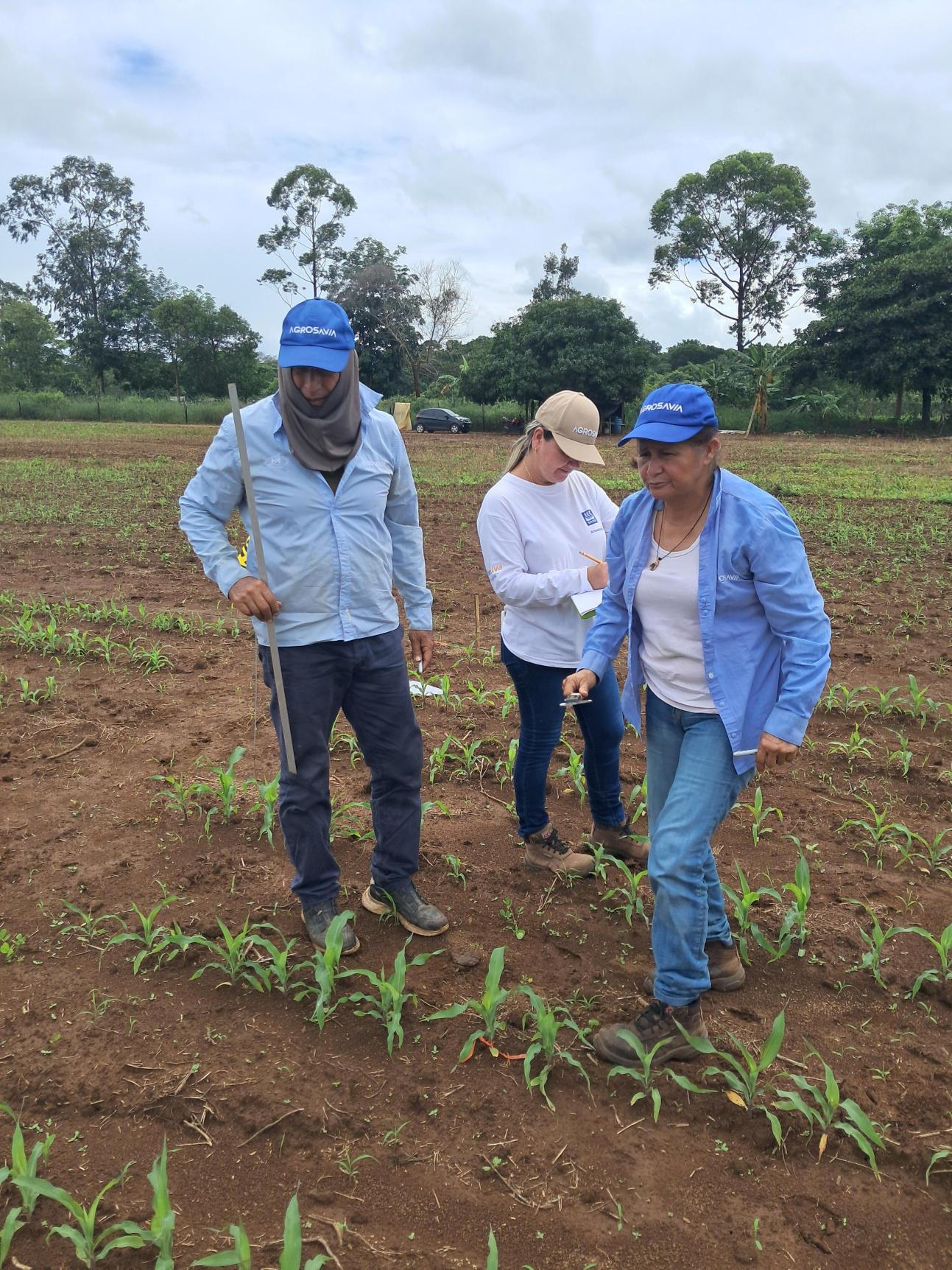
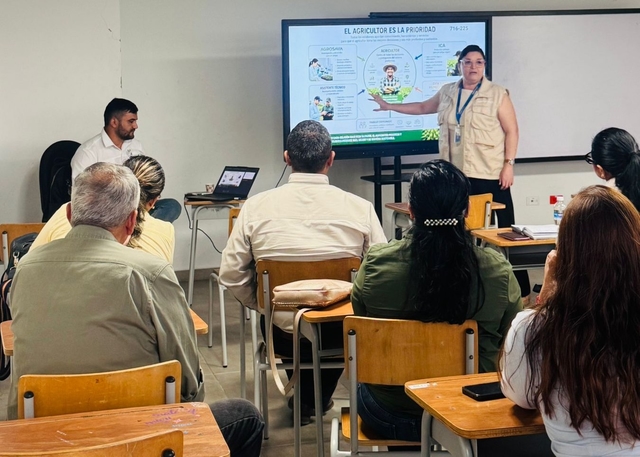
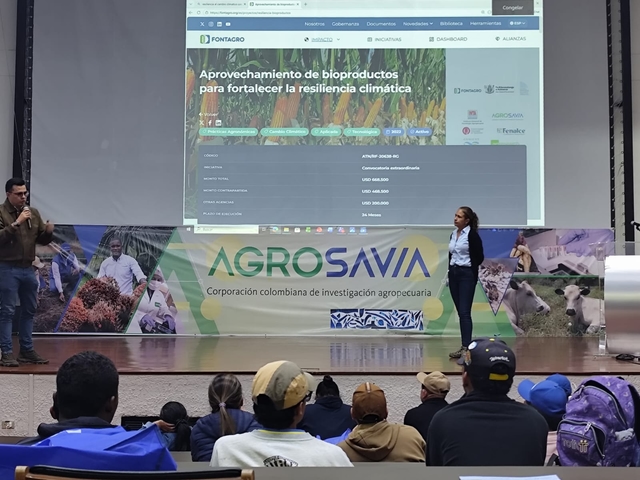
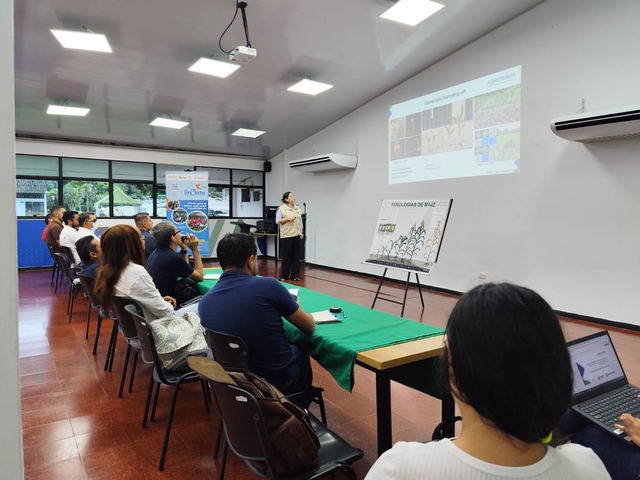
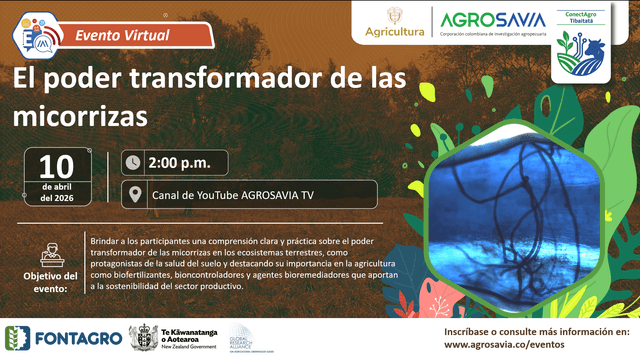
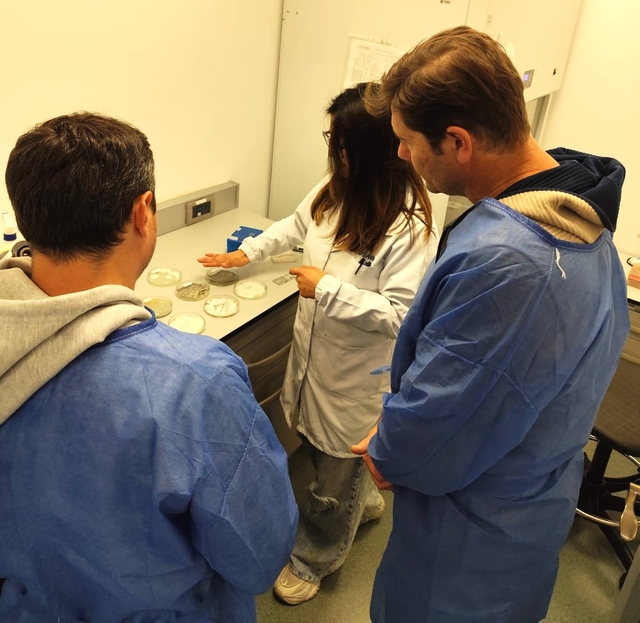
The workshops, held on June 3 and July 3, 2026, at AGROSAVIA’s Tibaitatá Research Center in Mosquera, Cundinamarca, promoted knowledge exchange on the use of microorganisms and other biological strategies to support more sustainable and climate-resilient agriculture, in line with the objectives of the FONTAGRO project "Harnessing Bioproducts to Strengthen Climate Change Resilience."
During both workshops, participants attended presentations and training sessions focused on sustainable agricultural practices. Topics included the principles of biological pest control, the use of beneficial microorganisms in agriculture, bioinputs as an alternative to reduce dependence on synthetic chemical pesticides, and the contribution of these organisms to soil health, crop productivity, and the adaptation of agricultural systems to climate change.
As part of the activities, the booklet Microorganism-Based Strategies for Pest Control, developed by AGROSAVIA’s Biological Control Research Group, was presented. This outreach publication was designed to make scientific knowledge more accessible to farmers, extension officers, and students through clear and practical language. The booklet explains the principles of biological control, how biopesticides work, the main groups of microorganisms used in agriculture, and the multiple benefits they provide for agricultural systems, including plant growth promotion, protection against abiotic stress, bioremediation, and their contribution to climate change mitigation.
The booklet serves as a practical resource to support knowledge dissemination and encourage the adoption of microorganism-based strategies for sustainable pest management. It also promotes agricultural practices that help reduce reliance on chemical inputs while fostering more efficient and environmentally responsible production systems.
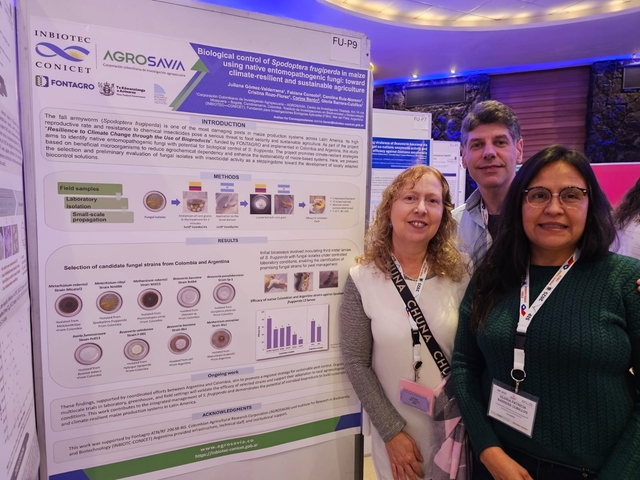
These activities contribute to the knowledge transfer and capacity-building objectives of the FONTAGRO project "Harnessing Bioproducts to Strengthen Climate Change Resilience" by promoting the use of bioproducts and beneficial microorganisms as tools to enhance the resilience of agricultural systems. Through the dissemination of technical resources and the exchange of experiences, farmers, extension officers, and students are better equipped to adopt more sustainable production practices and address the challenges posed by climate change.
.png&w=640&q=100)