 Impact
 Initiatives
 Dashboard
 Alliances

 Impact
 Initiatives
 Dashboard
 Alliances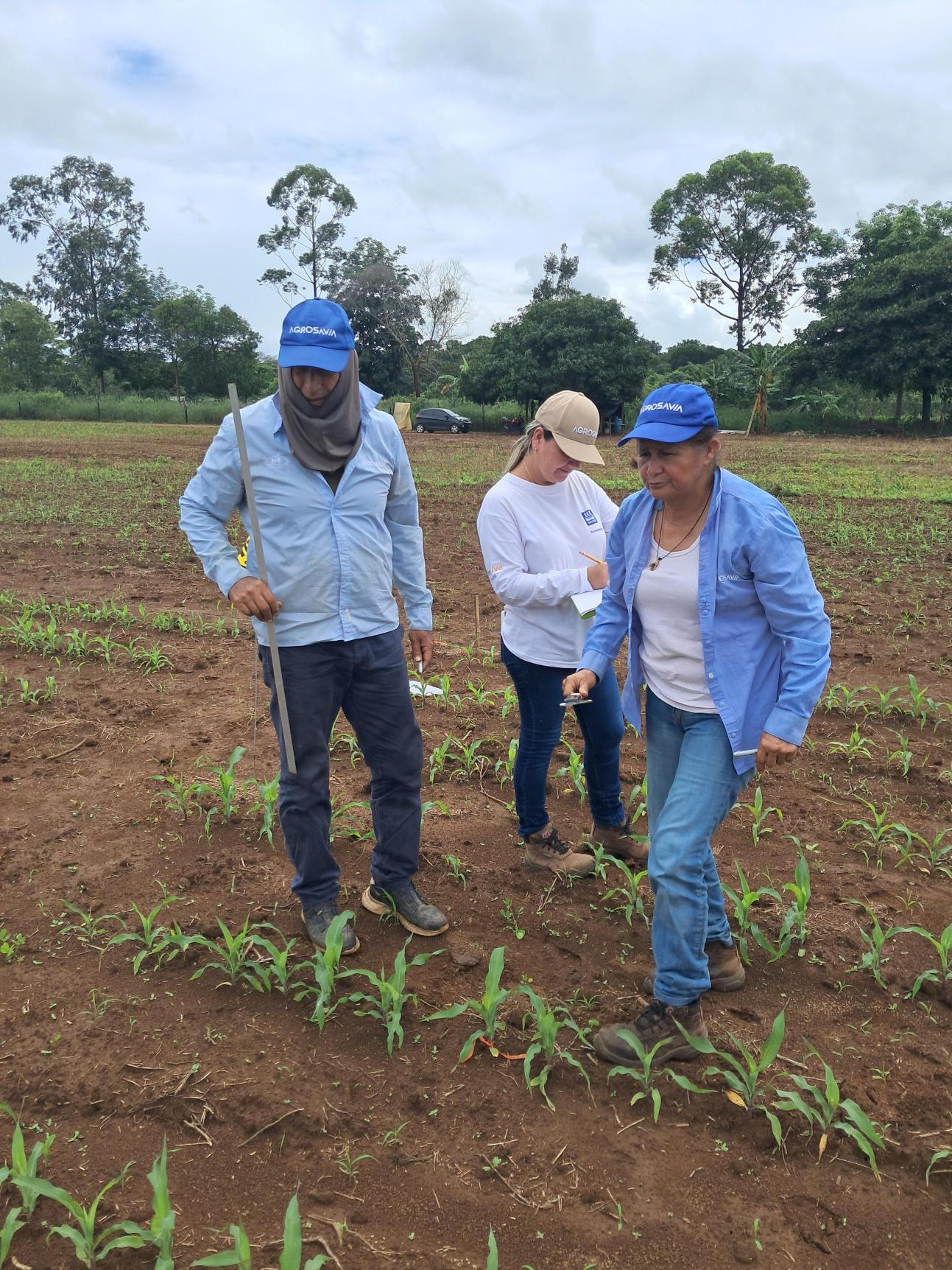

 Technological
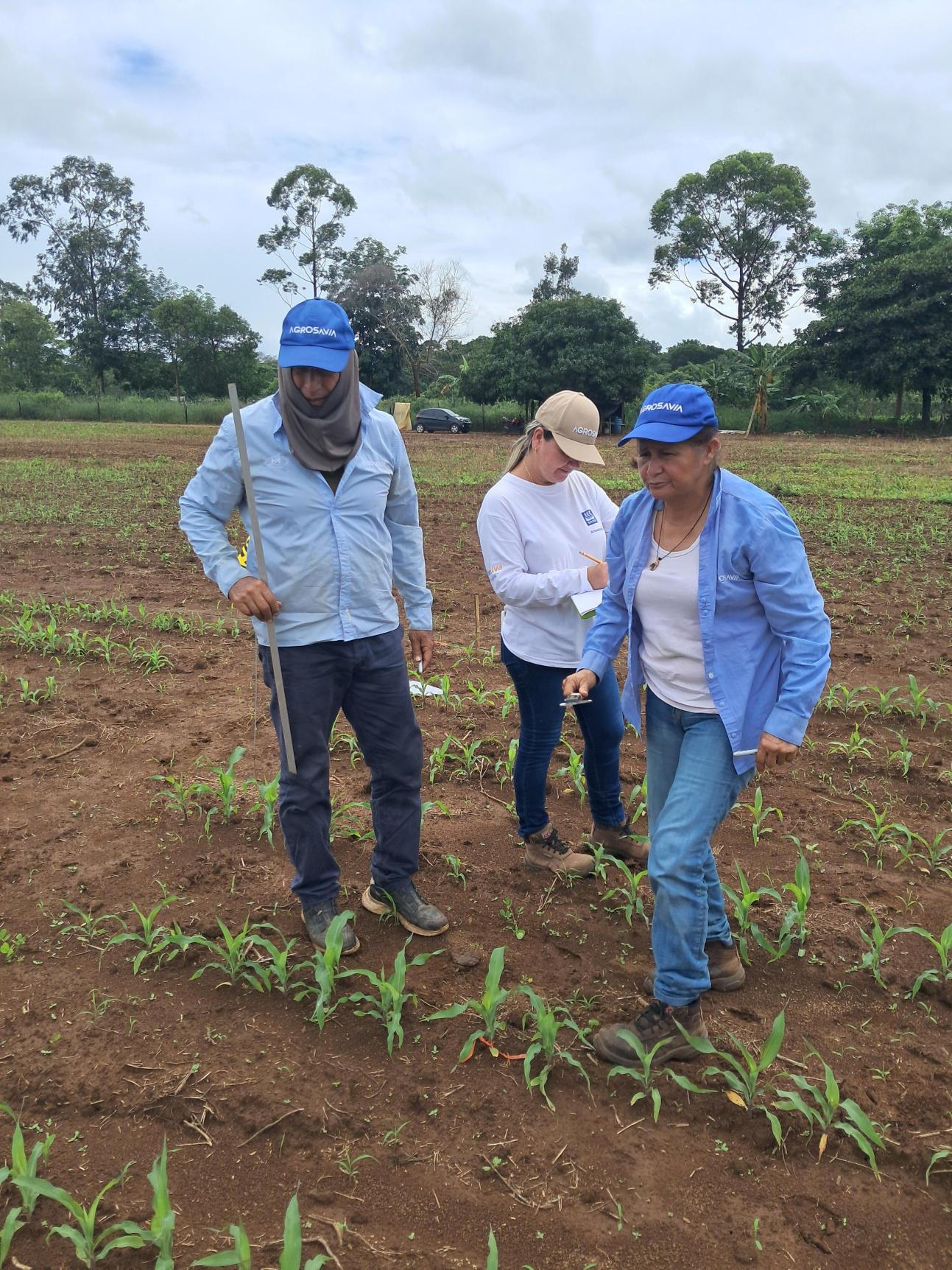
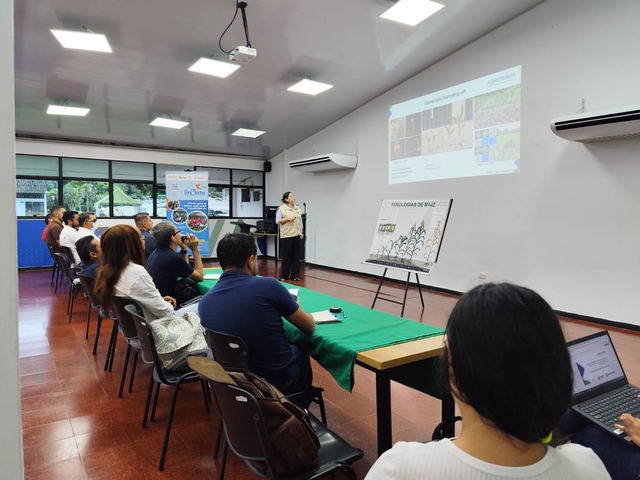
The FONTAGRO project “Harnessing Bioproducts to Strengthen Climate Resilience” has reached an important milestone with the start of field evaluations of beneficial microorganisms previously selected based on their promising performance in laboratory and greenhouse trials. This stage is led by AGROSAVIA in collaboration with the National Federation of Cereal, Legume and Soybean Growers of Colombia (FENALCE), with support from FONTAGRO, and aims to generate evidence on the performance of these biological technologies under real production conditions.
Field evaluations are being conducted at the La Libertad Research Center in Villavicencio (Meta) and the Nataima Research Center in El Espinal (Tolima), two of Colombia’s main maize-producing regions. The selection of these sites will allow researchers to assess the performance of the microorganisms under agroecological conditions representative of important maize-growing areas of the country.
The microorganisms being evaluated were selected by AGROSAVIA. The most promising strains were assessed under laboratory and greenhouse conditions, allowing researchers to identify those with the greatest potential to contribute to the productivity and sustainability of maize production systems.
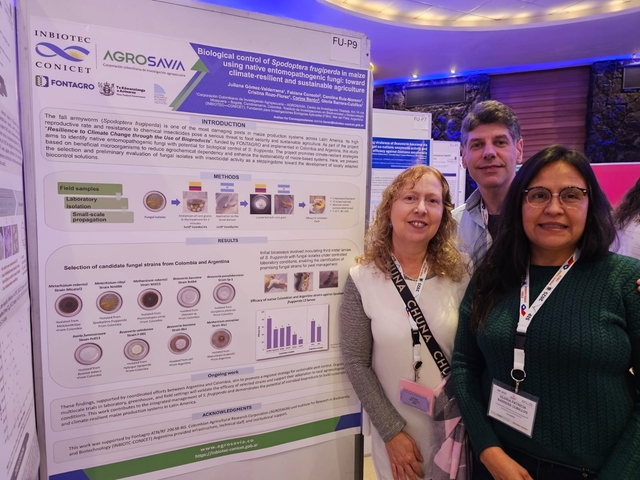
One of the most innovative aspects of this initiative is the integration of microorganisms with complementary functions within a single management strategy. The trials include entomopathogenic fungi (EPF), which contribute to the biological control of insect pests; antagonistic fungi (AF), mainly belonging to the genus Trichoderma, with potential for disease management and plant growth promotion; and arbuscular mycorrhizal fungi (AMF), recognized for enhancing water and nutrient uptake and increasing plant tolerance to water stress.
The combined evaluation of these three functional groups represents a novel approach for agriculture in Latin America, as it seeks to simultaneously harness the benefits associated with biological pest control, disease suppression, improved soil health, and enhanced plant nutrition. Through this strategy, the project is advancing the development of multifunctional biological solutions aimed at strengthening the resilience of agricultural systems to both biotic and abiotic stresses associated with climate change.
The participation of FENALCE is a key component of the project, facilitating engagement with maize producers and ensuring that the technologies being developed respond to the real needs of the agricultural sector. It also reflects the commitment of Colombia’s maize-growing community to adopting sustainable alternatives that can improve productivity, reduce dependence on conventional inputs, and strengthen the resilience of production systems to climate variability.
The implementation of these field trials represents the convergence of scientific research led by AGROSAVIA, international cooperation promoted through FONTAGRO, and the active participation of FENALCE as Colombia’s leading maize producers’ organization. This collaboration strengthens the potential for transforming research outcomes into practical technological solutions with real impact for farmers, contributing to the development of more sustainable, competitive, and resilient agricultural systems in Colombia and across Latin America.
.png&w=640&q=100)