 Impact
 Initiatives
 Dashboard
 Alliances

 Impact
 Initiatives
 Dashboard
 Alliances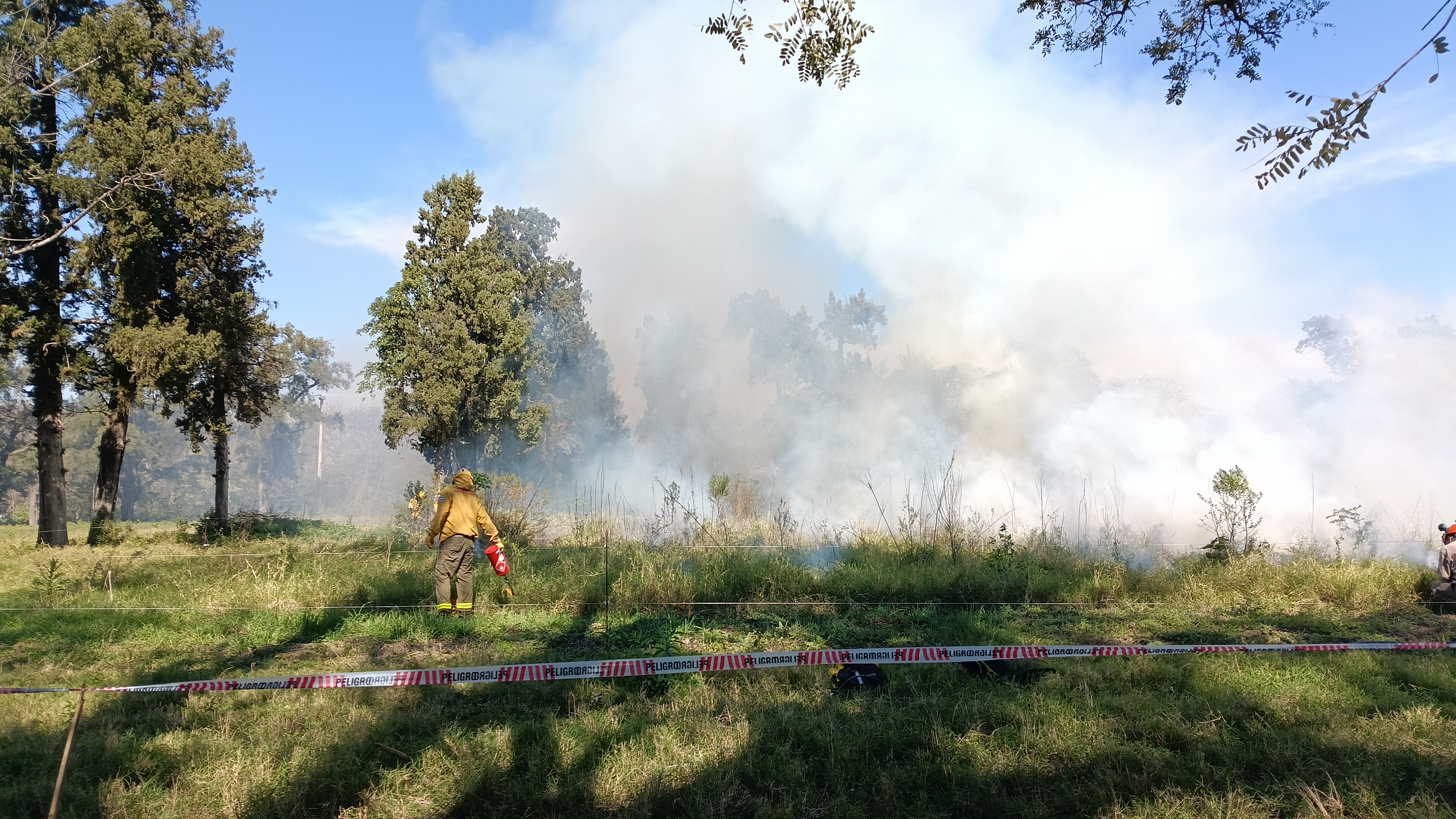

 Technological
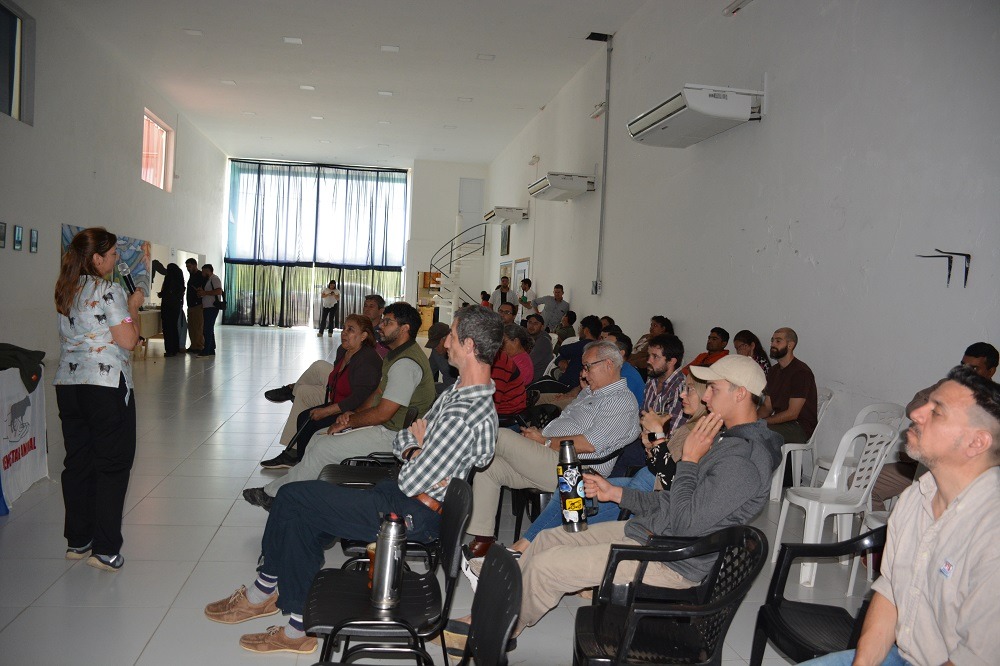
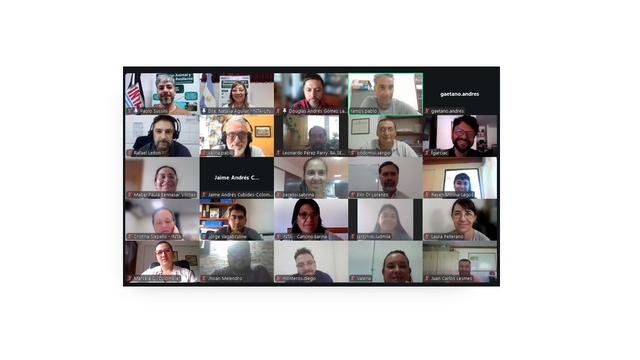
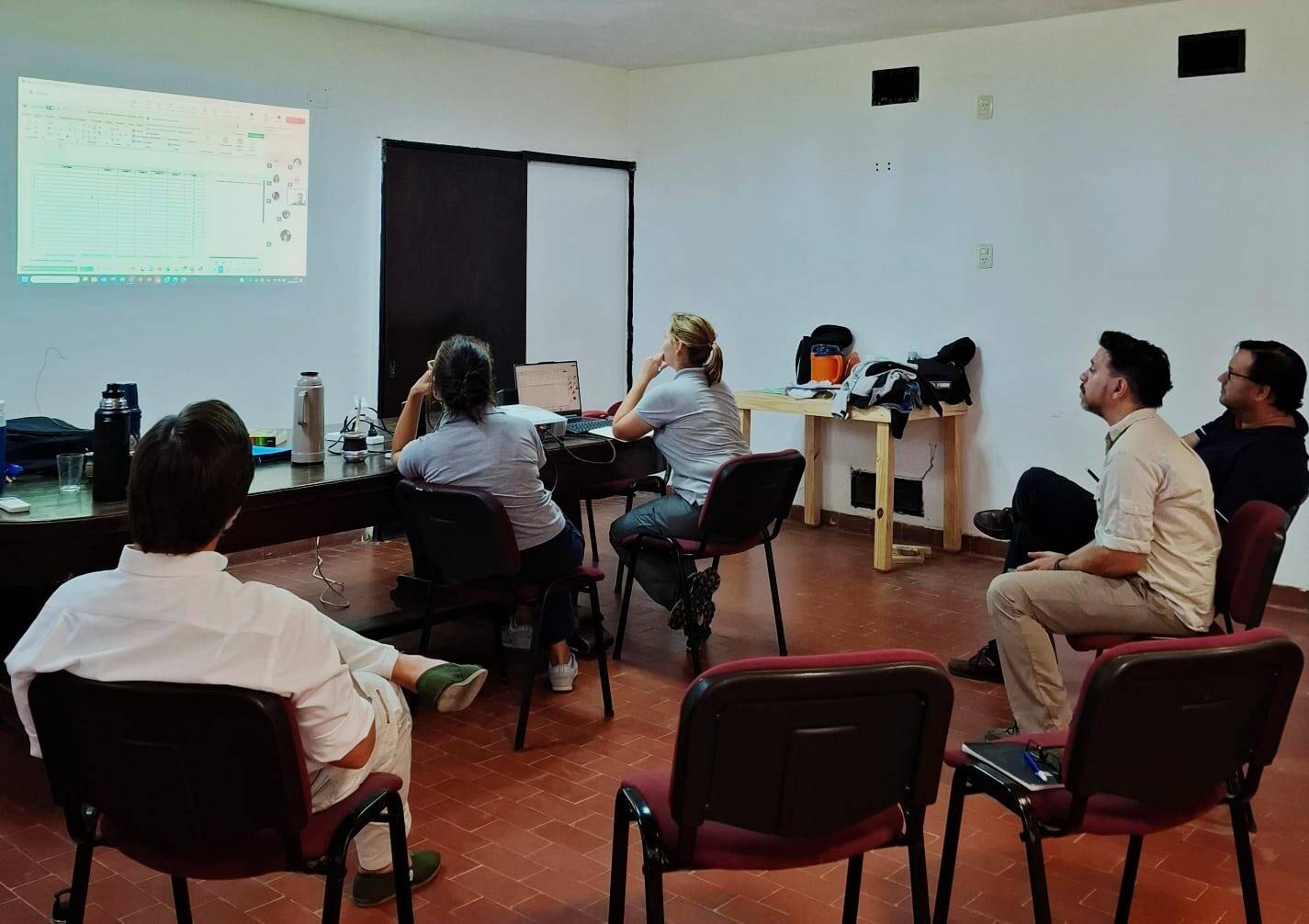
On Wednesday, August 26 of this year, the INTA Colonia Benítez Experimental Agricultural Station hosted the technical workshop “Responsible Use of Fire as a Management Tool in Livestock Systems,” which brought together producers, technicians, and representatives from institutions involved in livestock production, conservation, and fire prevention.
The event aimed to raise awareness and promote the exchange of knowledge regarding the planned and responsible use of fire, distinguishing between a prescribed burn—conducted with defined objectives, under appropriate conditions, and by trained personnel—and an uncontrolled fire.
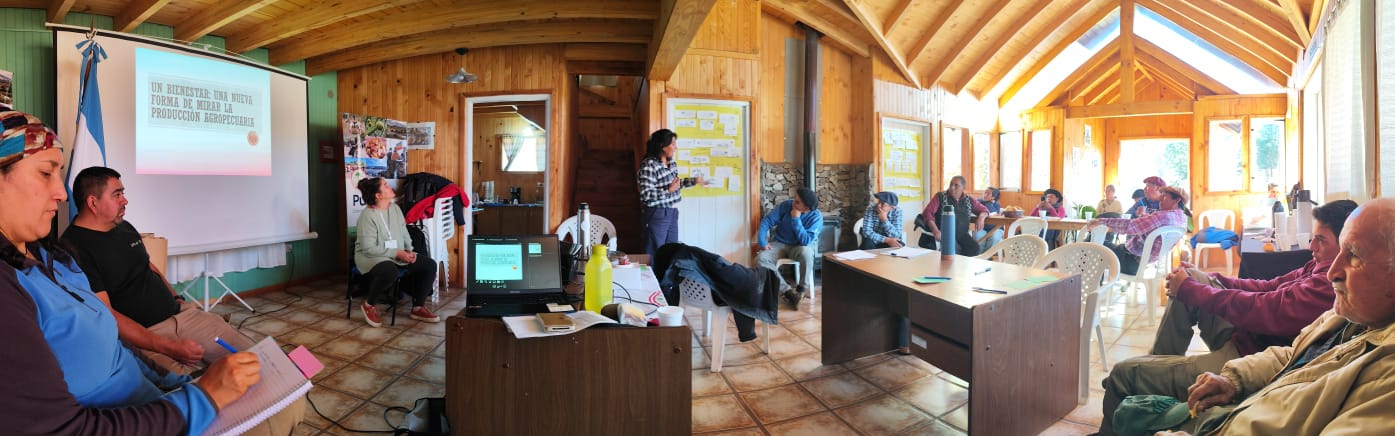
Throughout the morning, perspectives on production, the environment, animal welfare, and safety were integrated. The session addressed fire’s potential to promote forage regeneration, control shrub encroachment, maintain heterogeneous environments, redistribute grazing, and reduce the accumulation of combustible material, along with the necessary precautions to protect animals, people, biodiversity, and rural infrastructure.
Paolo Adrián Sussini, a researcher at INTA, presented fire as a management tool and analyzed its ecological role in subtropical grasslands. He highlighted the importance of plant diversity for the resilience of these environments and how changes in fire regimes can alter their structure and dynamics.
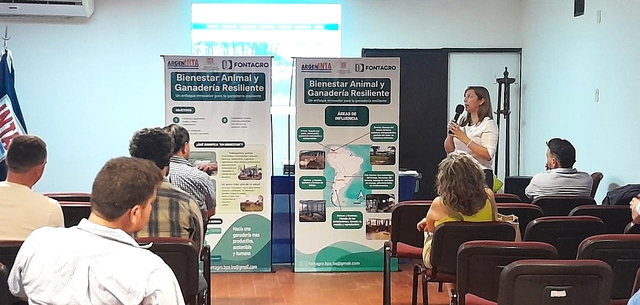
From the perspective of animal welfare, Natalia Aguilar, a researcher at INTA, explained how animals perceive smoke, heat, and other environmental changes, and stressed the importance of considering their welfare before, during, and after a burn. Her presentation helped link fire management to the “One Welfare” approach, which recognizes the interconnectedness of the welfare of animals, people, and the environment.
For his part, Andrés Lanfiutti, a park ranger with the National Parks Administration (APN), shared experiences and lessons learned regarding the use of fire in protected areas, particularly in Chaco National Park. Patricio Cowper-Coles, from Alianza del Pastizal, Aves Argentinas, and BirdLife International, addressed the relationship between biodiversity and fire, highlighting the importance of considering intensity and severity, weather conditions, wildlife protection, and the creation of mosaics that help maintain heterogeneous environments.
From Theory to the Field
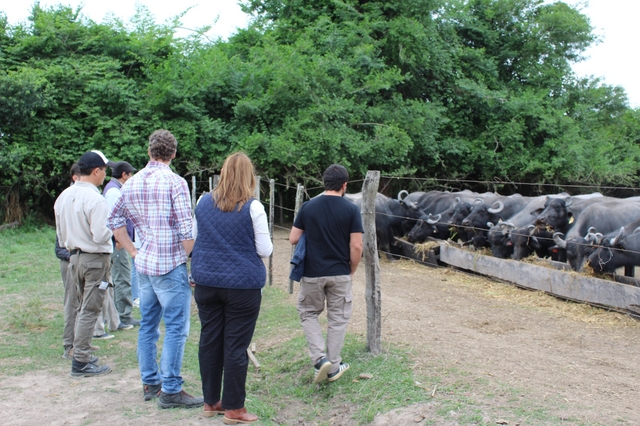
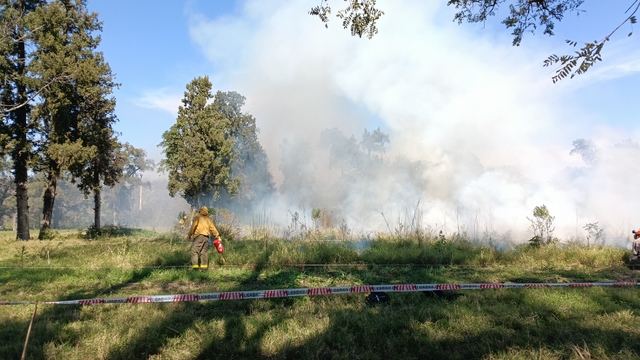
The workshop continued with a hands-on session at an experimental plot at the Colonia Benítez Agricultural Experiment Station. Omar Belazque, from INTA and the Colonia Benítez Volunteer Fire Department, along with Yanina Cutro and Emilio Jara, firefighters from the National Parks Administration, presented the equipment, instruments, and procedures used to assess environmental conditions, organize the operation, and safely carry out a low-intensity prescribed burn.
The demonstration allowed participants to apply the concepts discussed during the presentations in the field and to observe aspects related to planning, weather conditions, safety measures, ignition techniques, fire behavior, and subsequent fire control.
During the closing session, participants highlighted the relevance of the topic to the region’s agricultural systems. The exchange helped participants recognize both the opportunities that the planned use of fire can offer and the risks associated with its use without technical criteria, planning, or adequate conditions. Furthermore, the need arose to continue strengthening local capacities and frameworks that enable these practices to be carried out safely and responsibly.
A Perspective from “One Welfare”
The event took place as part of the FONTAGRO project “One Welfare for the Resilience of Livestock Farms,” which promotes the adoption of Good Livestock Practices from a perspective that integrates animal, human, and environmental well-being.
The event was organized by the INTA Colonia Benítez Experimental Agricultural Station and the National Parks Administration, with the participation of Alianza del Pastizal and the Colonia Benítez Volunteer Firefighters Association, and the support of FONTAGRO and the ArgenINTA Foundation.
The collaboration among institutions, specialists, and local stakeholders created a space for learning and exchange and opens new opportunities to continue building common standards and local capacity for safe, responsible, and sustainable fire management.

.jpeg&w=640&q=100)