Impact
 Initiatives
 Dashboard
 Alliances

 Impact
 Initiatives
 Dashboard
 Alliances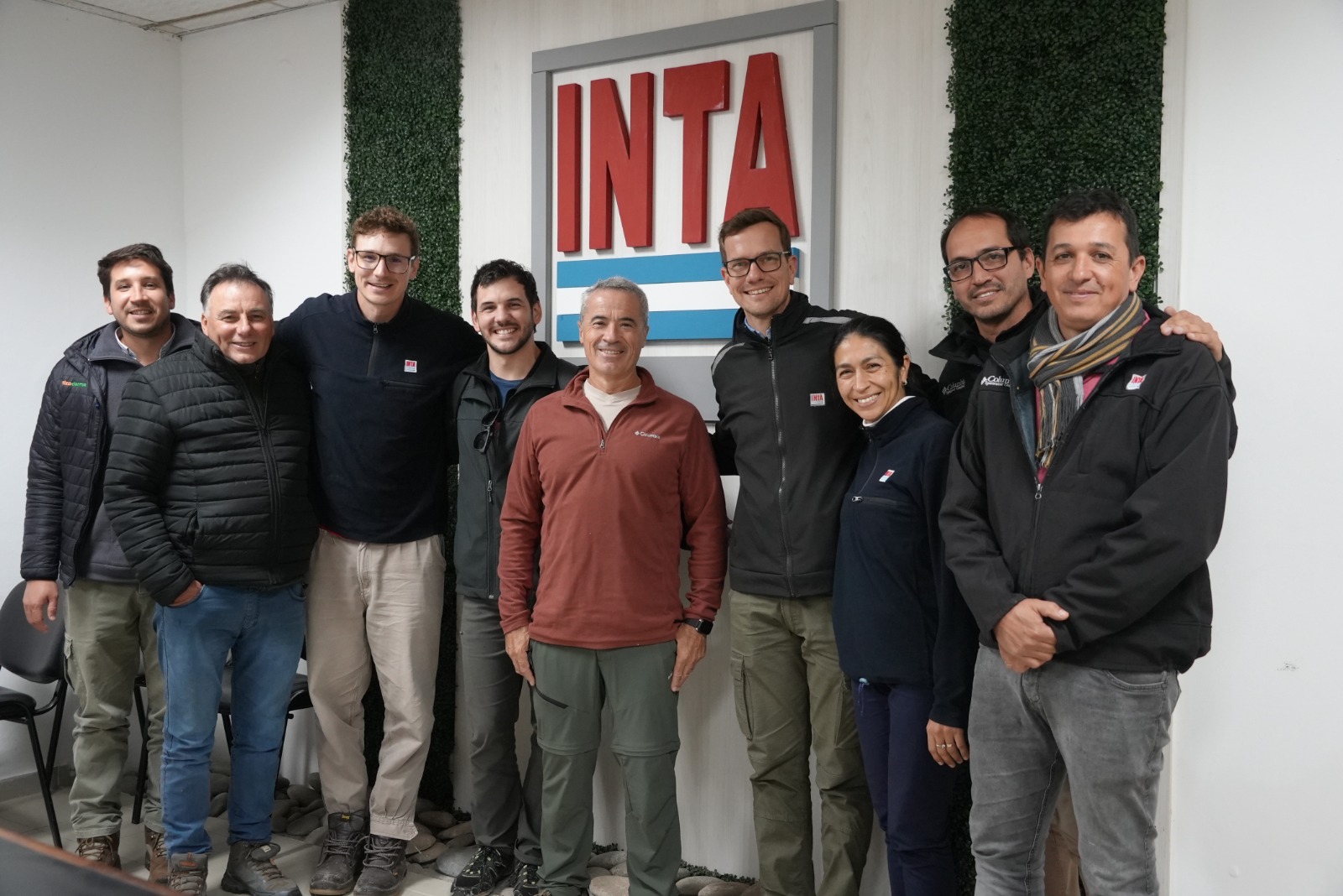

 Technological
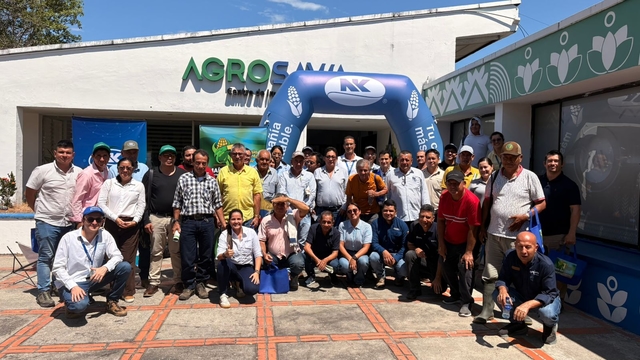
The activity included a visit from researcher Dr. Gustavo Maddonni, professor at the Faculty of Agronomy, University of Buenos Aires (UBA), and director of the Study and Work Group (GET) “Ultra-Low Density Maize Network,” who was accompanied by Eng. Franco Espelet. The objective was to survey ongoing trials and share progress in the study of maize hybrids under different agronomic conditions.
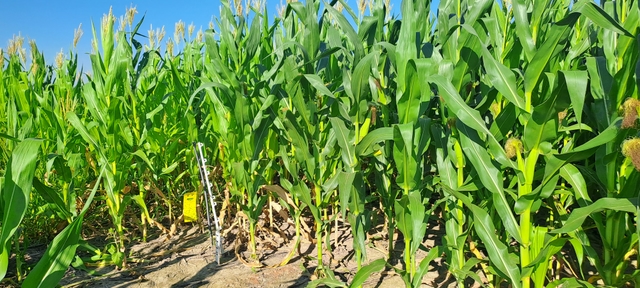
The day began with a field tour of the experimental trials at the Experimental Station, where the performance of different maize hybrids under multiple agronomic variables was presented. During the activity, participants learned about the working methodology, the evaluated indicators, and the preliminary results obtained, generating strategic information for planning and managing regional production systems.
The event continued with an office-based working session, where technical progress and an update on the operation of the Maize Network were presented. In addition to analyzing the results achieved, participants exchanged experiences and discussed the main production challenges, consolidating a shared work agenda aimed at strengthening the generation and exchange of information for decision-making.
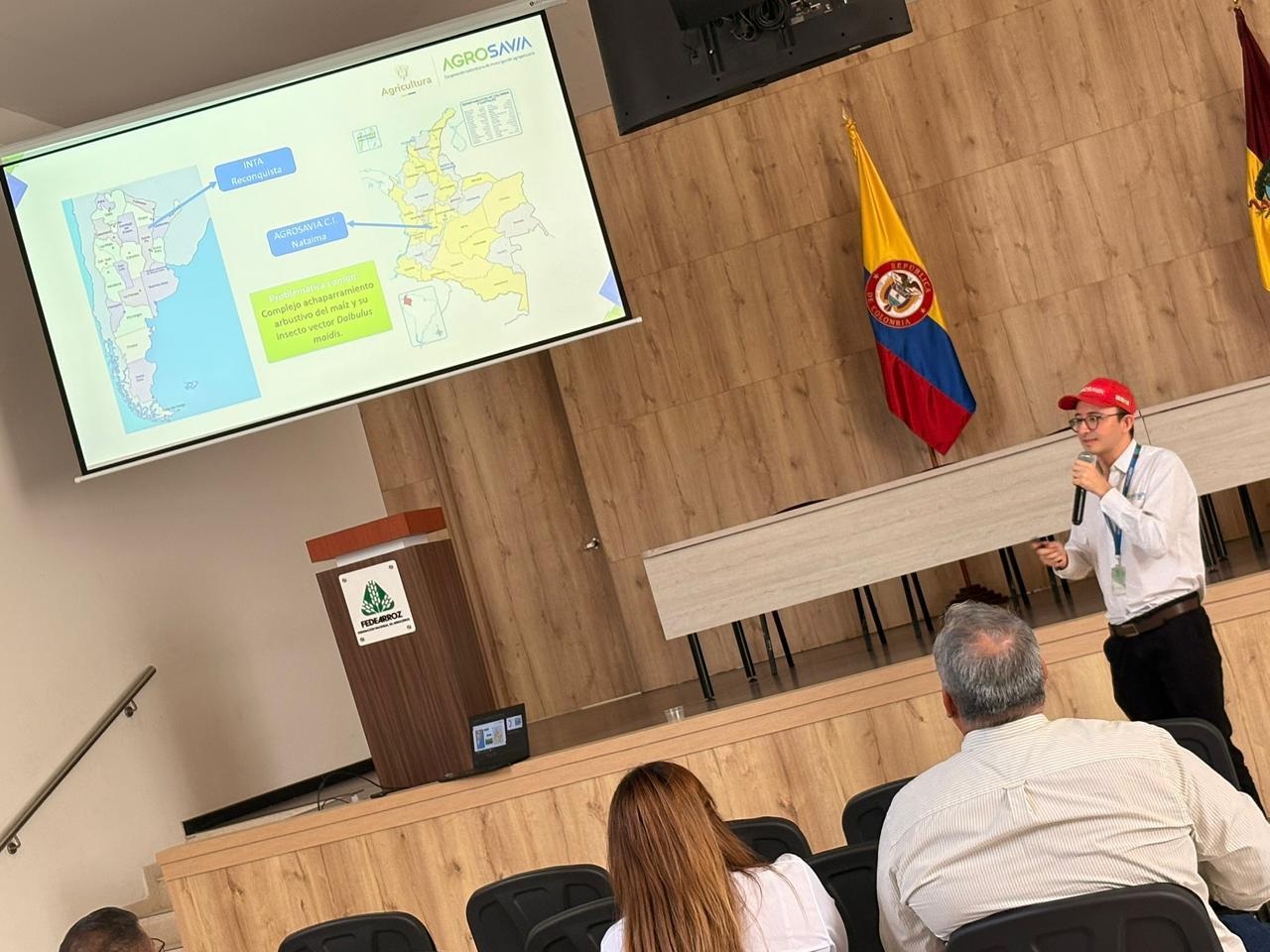
INTA Reconquista’s participation was also linked to the initial actions of the Resilient Maize Project: Innovation and Sustainable Management of Stunting. In this context, professionals from the Crop Management and Entomology groups took advantage of the meeting to identify possible areas of collaboration with the Maize Network, especially regarding the study of management strategies for Dalbulus maidis (corn leafhopper), a pest that has become one of the main phytosanitary challenges for the crop in the region and the country.
Participation in these types of spaces strengthens collaboration among research groups and supports the development of shared work agendas. In this sense, the exchange generated during the meeting provides valuable inputs for the Resilient Maize Project, which aims to develop tools and management strategies adapted to the current challenges faced by maize production.
The meeting, which brought together different stakeholders from the production sector, was positively evaluated by participants. The technical level of the discussions, as well as the opportunity to project future lines of joint research, were particularly highlighted.
.jpg&w=3840&q=100)