 Impact
 Initiatives
 Dashboard
 Alliances


 Impact
 Initiatives
 Dashboard
 Alliances

 Technological
Decisions That Build Yield: Key Insights for Wheat and Late-Sown Maize
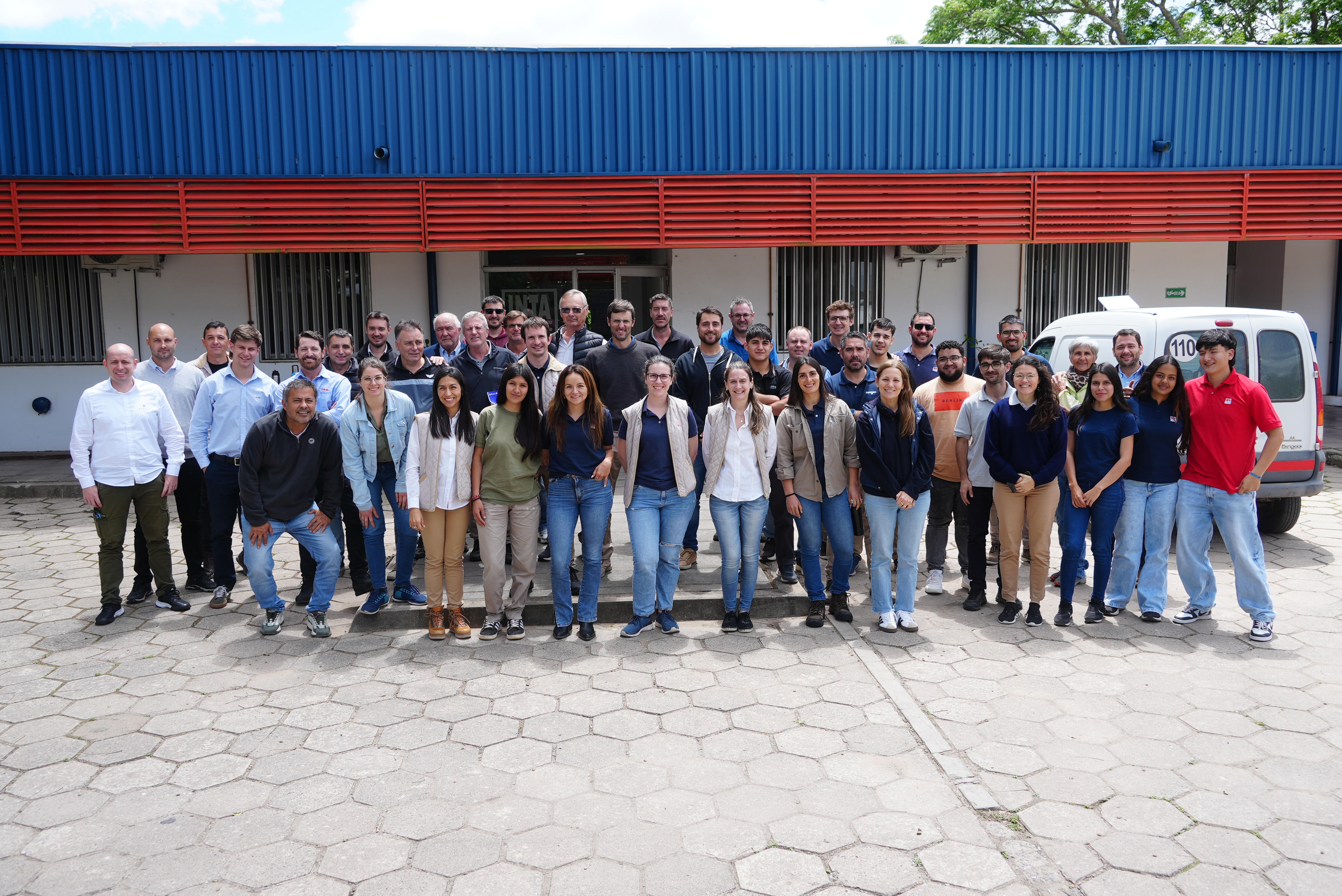
With a strong turnout at INTA Reconquista, technical experts, producers, and industry leaders analyzed the agronomic challenges facing wheat and late-sown maize. The gathering combined updates on pests and crop rotations with a field demonstration focused on soil physics.
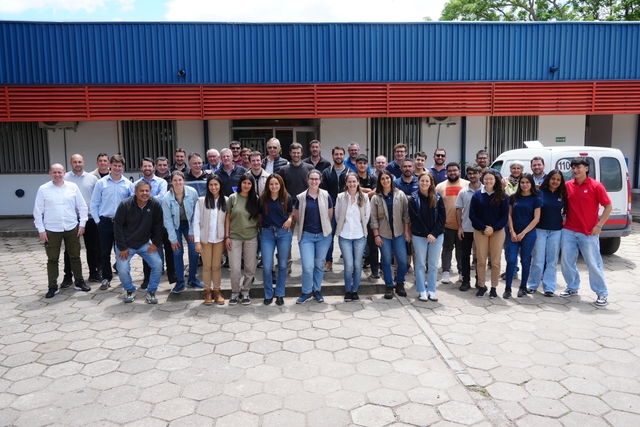
Under the theme "Decisions That Build Yield," a technical workshop dedicated to winter and summer crops was held at INTA’s Reconquista Agricultural Experimental Station (EEA). The event—organized through a collaborative effort between the CREA North Santa Fe region, the Avellaneda Agricultural Union (UAA), FONTAGRO, and INTA—brought together producers and advisors for a session focused on professional exchange and knowledge updates.
From Monitoring to Phytosanitary Surveillance in Maize
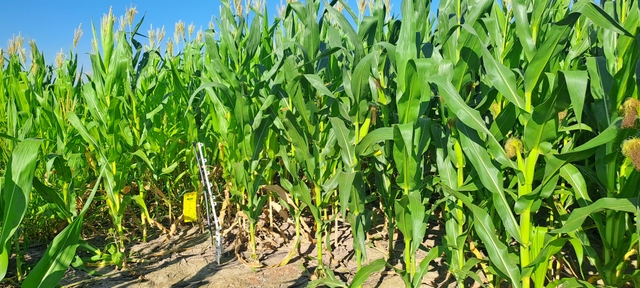
The first thematic segment focused on an issue of critical concern in northern Santa Fe: the dynamics of the maize leafhopper (*Dalbulus maidis*) and the complex of pathogens associated with "stunting" disease (*achaparramiento*).
Specialists Roxana Roeschlin and Melina Almada, from the INTA Reconquista entomology and biotechnology laboratory, presented findings from an ongoing regional monitoring program that began in January 2025. Using yellow sticky traps and sentinel sites within the experimental station’s area of influence, the team analyzed not only the abundance of the insect vector but also the concurrent presence of Spiroplasma kunkelii and the maize rayado fino virus (MRFV).
Following this, Diego Szwarc, from INTA Montecarlo, discussed new scenarios and decision-making strategies regarding the fall armyworm and the maize leafhopper. Subsequently, Gonzalo Scarpin and Robertino Muchut, from INTA Reconquista, addressed site-specific agronomic management strategies for late-sown maize and wheat. The series of presentations concluded with a talk by Luciano Mieres, who summarized the lessons learned from 20 years of crop rotations and tillage practices, highlighting the production stability that diversified, long-term systems provide.
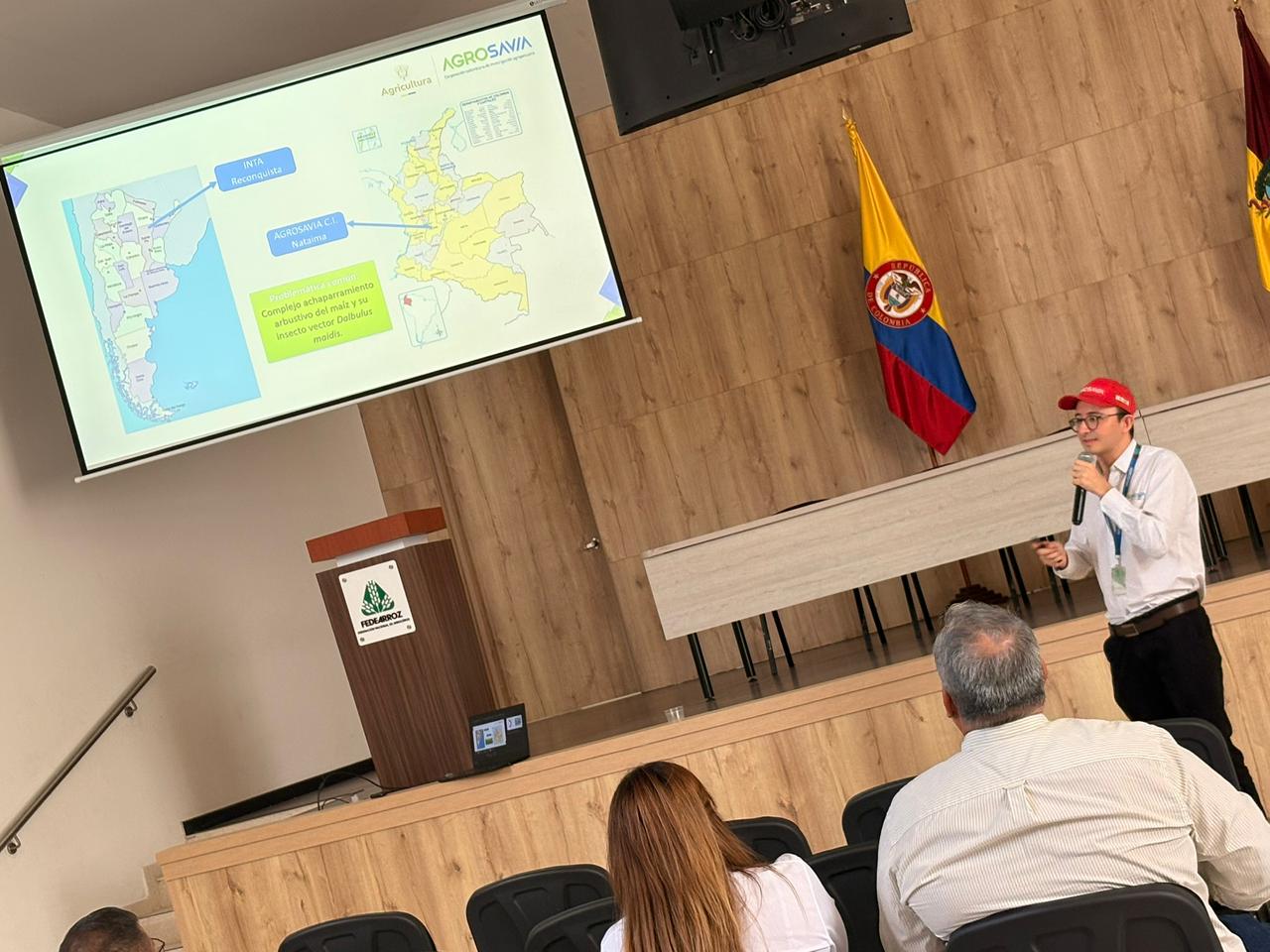
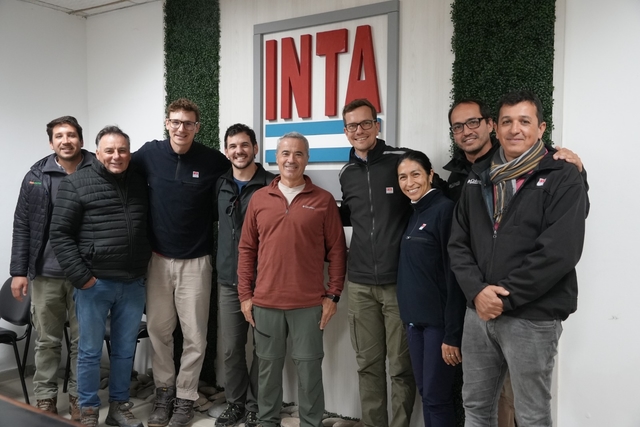
The event was supported by the FONTAGRO project, "Resilient Maize: Innovation and Sustainable Management of Stunting Disease"—an international cooperation initiative involving INTA (Argentina) and AGROSAVIA (Colombia)—which aims to foster innovation and sustainability in addressing this phytosanitary challenge. Furthermore, as part of the project’s planned activities, attendees were invited to participate in a digital regional survey designed to gather agronomic and socio-organizational data related to maize cultivation.
In the field: soil structure (cultural profile) and soil health
Robertino Muchut, from INTA Reconquista, led a tour of the Wheat Cultivar Network and fertilization trials, allowing technical experts to evaluate how different varieties perform under regional conditions.
Subsequently, Emanuel Gabioud, from INTA Paraná, explored the importance of diagnosing soil structure in no-till systems using techniques such as the "cultural profile" (soil structural analysis). The researcher emphasized that, given climate scenarios characterized by alternating periods of water excess and deficit, proper soil structure—enhanced by the use of grasses and cover crops that maintain an abundance of living roots—is vital. These practices improve soil porosity and facilitate root exploration by cash crops. The addition of organic amendments and carbon to the production system aligns with circular economy principles and is essential in environments like those found in northern Santa Fe.
Watch the full event here: Field Day – Wheat and Late-Season Maize.