Impact
 Initiatives
 Dashboard
 Alliances

 Impact
 Initiatives
 Dashboard
 Alliances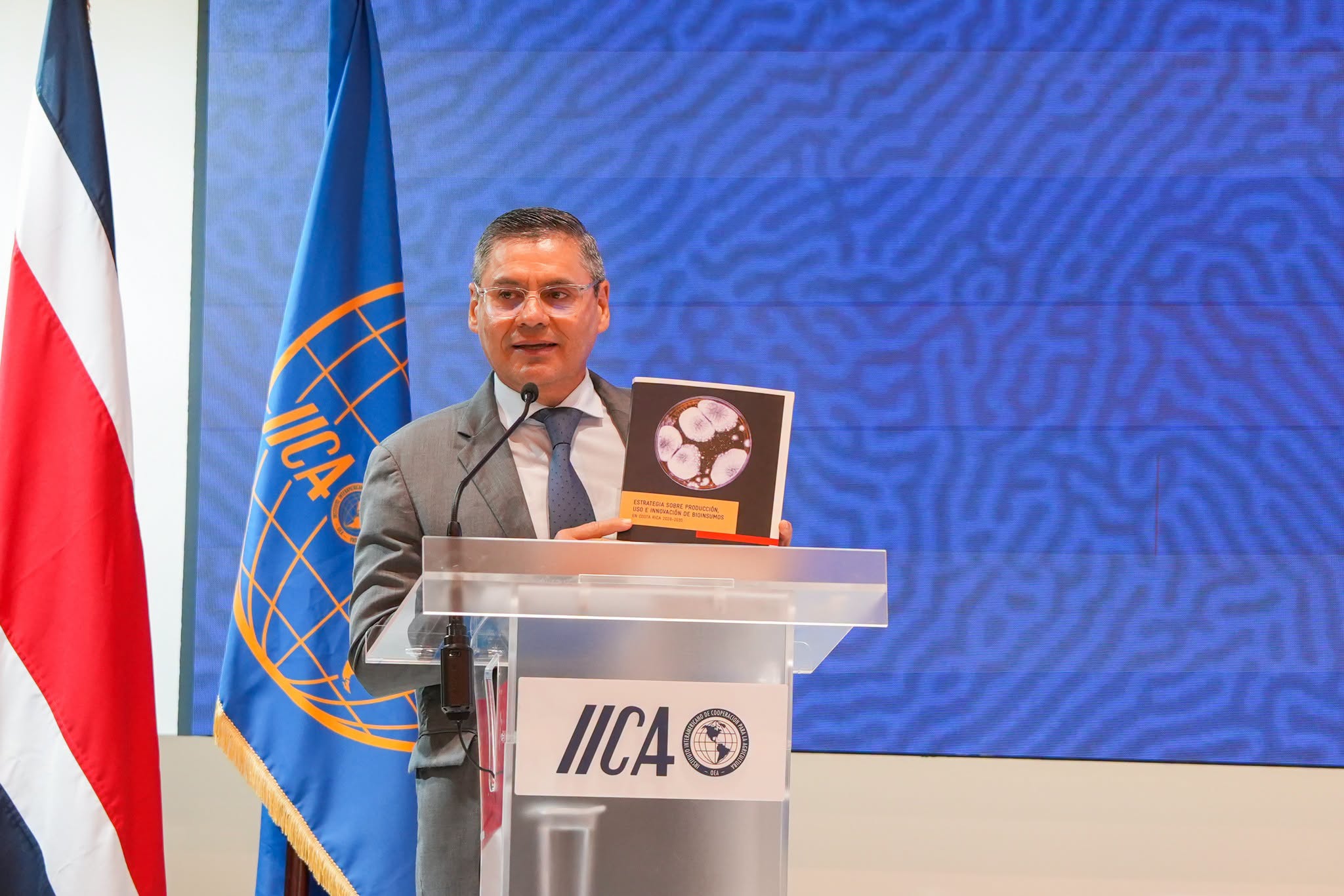

 Technological
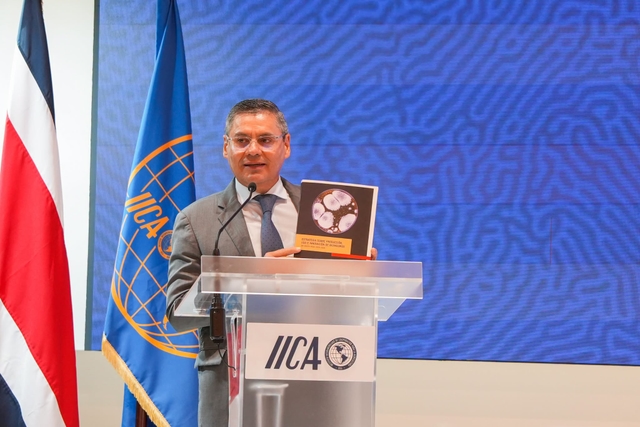
San José, Costa Rica – September 22, 2026. Costa Rica took an important step toward strengthening sustainable agriculture with the official launch of its first Strategy for the Production, Use and Innovation of Bioinputs in Costa Rica 2026–2035.
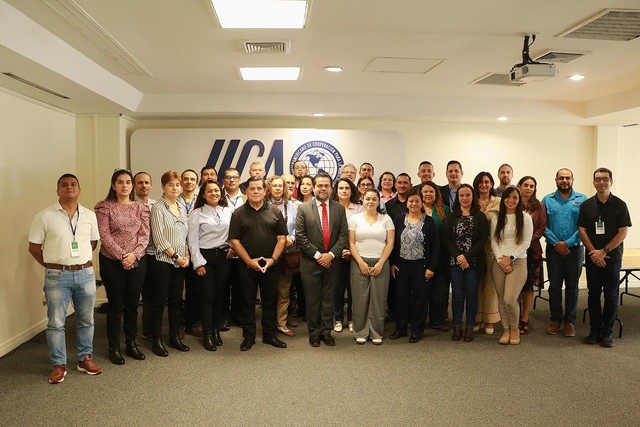
The Strategy was presented during the opening of the IV Pan-American Bioinputs Forum, which brought together representatives from the public sector, producers, academia, research institutions, the private sector, international organizations and other stakeholders involved in the development of bioinputs in the region.
The new Strategy establishes a national vision for the next ten years and seeks to coordinate existing capacities in Costa Rica to strengthen knowledge, research, innovation, production, use and commercialization of bioinputs, while creating favorable conditions for their development and adoption within agricultural production systems.
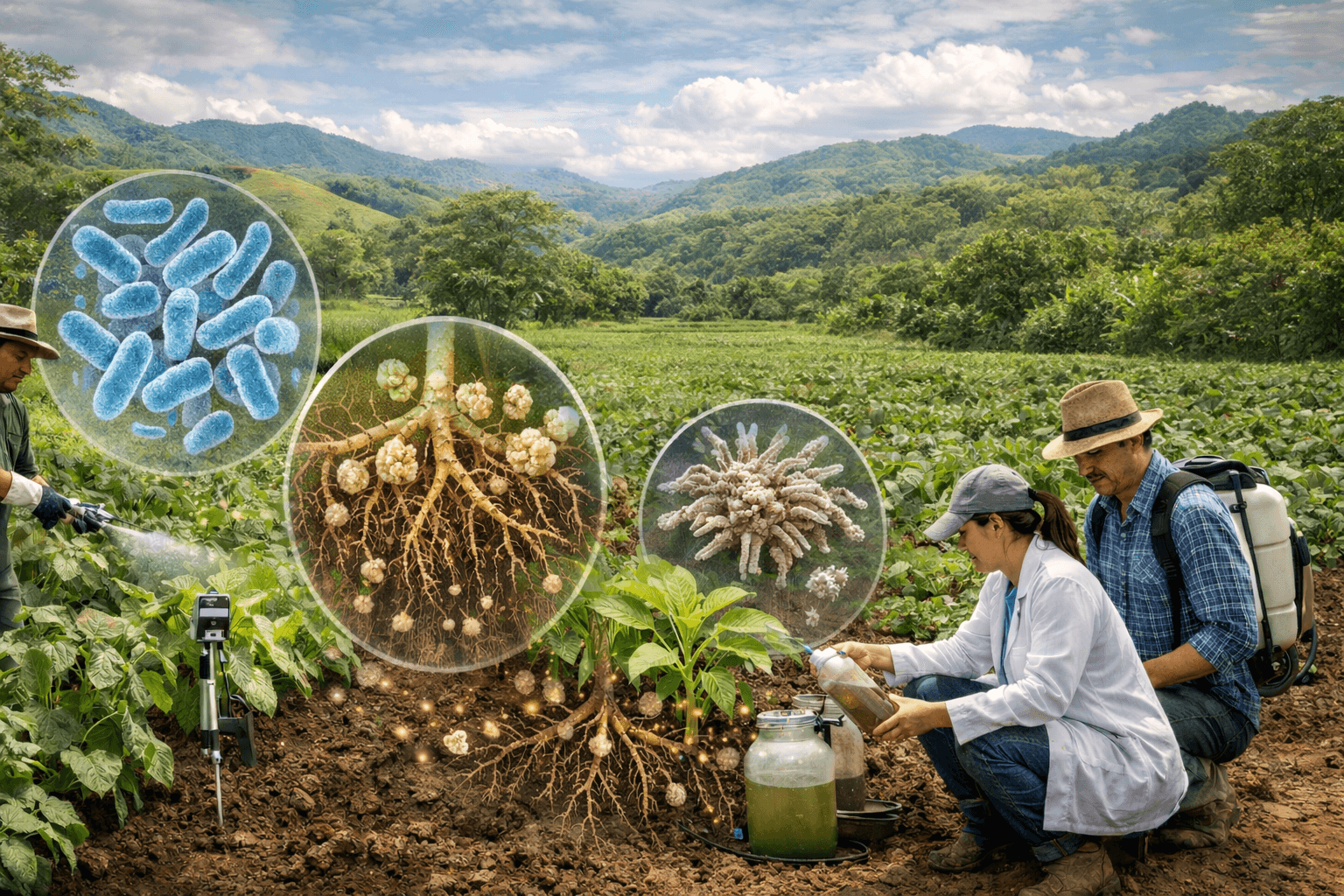
Bioinputs, which are based on microorganisms, macroorganisms, plant extracts and other biological components, represent an important technological alternative to support crop nutrition and health, pest and disease management, and soil improvement.
A Participatory Strategy-Building Process
The Strategy is the result of a participatory development and consultation process involving public institutions, producer organizations, academia, research centers, the private sector and international cooperation organizations.
This process helped identify national priorities and establish a roadmap focused on strengthening governance, research and innovation, bioinput production and quality, capacity building, market development and the conditions required to promote their adoption by producers.
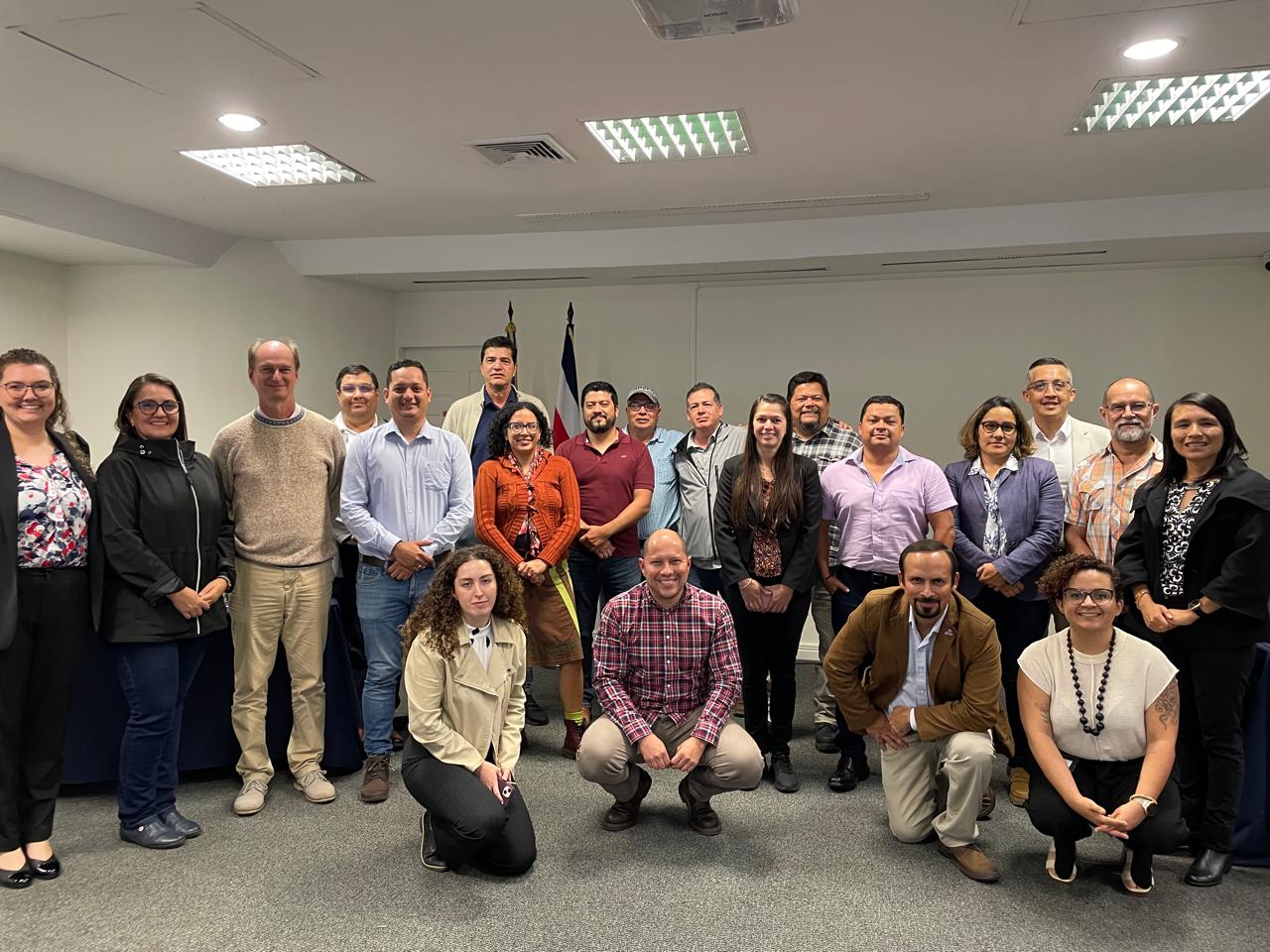
The launch represents the continuation of a process that began with the formulation and participatory validation of the Strategy and its Action Plan. In February 2026, stakeholders from the agricultural sector participated in the consultation and validation process for the Action Plan, addressing key areas such as governance, innovation and regulatory frameworks to support its implementation.
Contribution of the FONTAGRO Project
The development and strengthening of Costa Rica's National Bioinputs Strategy is closely linked to the objectives of the FONTAGRO project “Development and Use of Bioinputs for Sustainable Agriculture in Latin America.”
The project, which involves Costa Rica, Honduras, Panama and Venezuela, seeks to promote the availability and efficient use of bioinputs through the development and evaluation of technologies, standardization of quality protocols, implementation of agricultural management approaches and knowledge management.
In Costa Rica, the project has contributed to creating spaces for dialogue and coordination among institutions, researchers, producers and other stakeholders involved in the bioinputs sector. It has also provided technical knowledge and experiences that contribute to strengthening the national process.
In this context, the National Strategy provides a framework for coordinating and strengthening initiatives related to research, innovation, technological development, training and knowledge transfer in the field of bioinputs.
Towards More Sustainable Agriculture
The implementation of the 2026–2035 Strategy aims to contribute to a more sustainable, competitive and resilient agricultural sector in Costa Rica by strengthening national capacities and creating conditions that facilitate greater access to and use of quality bioinputs.
The Strategy also seeks to contribute to reducing dependence on imported agricultural inputs, promoting national innovation and supporting the country's efforts related to decarbonization, climate change adaptation and the development of the bioeconomy.
The launch of the Strategy represents a new starting point for consolidating Costa Rica's bioinputs ecosystem and strengthening cooperation among public institutions, the productive sector, academia, research organizations and international cooperation partners.
For the FONTAGRO project “Development and Use of Bioinputs for Sustainable Agriculture in Latin America,” this milestone represents a significant outcome in terms of coordination and knowledge management, contributing to the creation of a national environment that supports the development, validation, adoption and scaling-up of bioinput technologies.
Costa Rica is therefore moving forward with a long-term vision for bioinputs, strengthening innovation and cooperation as key tools for more sustainable and resilient agriculture.
.jpg&w=640&q=100)