 Impact
 Initiatives
 Dashboard
 Alliances
 Impact
 Initiatives
 Dashboard
 Alliances


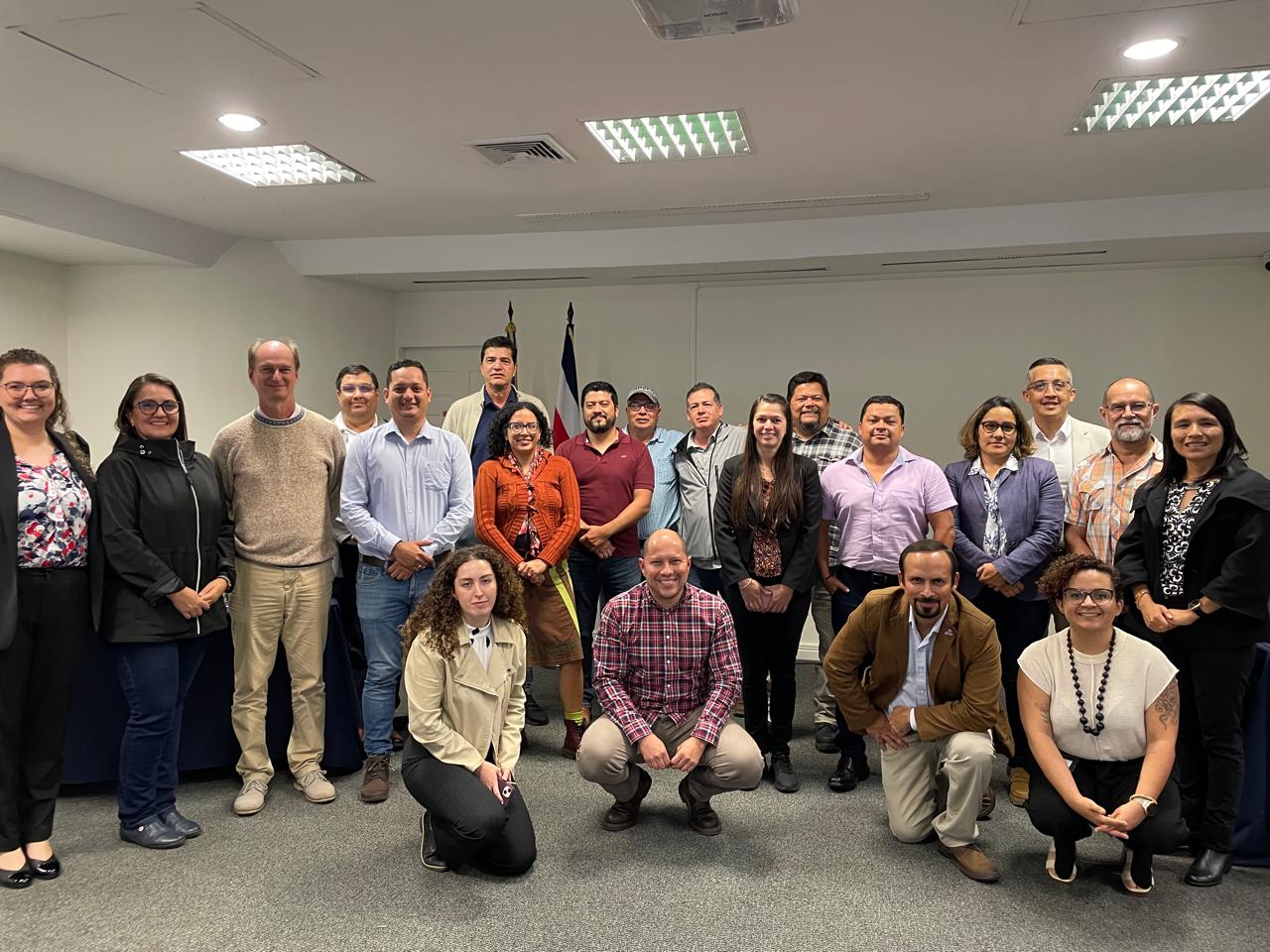
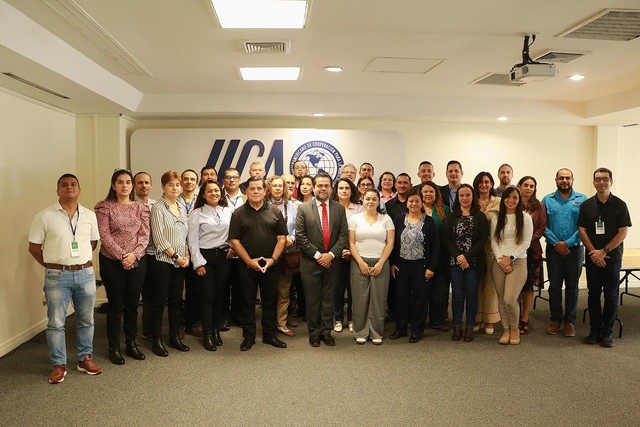
Learn more about this story
Project Webstory
Go to webstory




 Integrated Pest ManagementAppliedTechnological
 2024
2024 Active
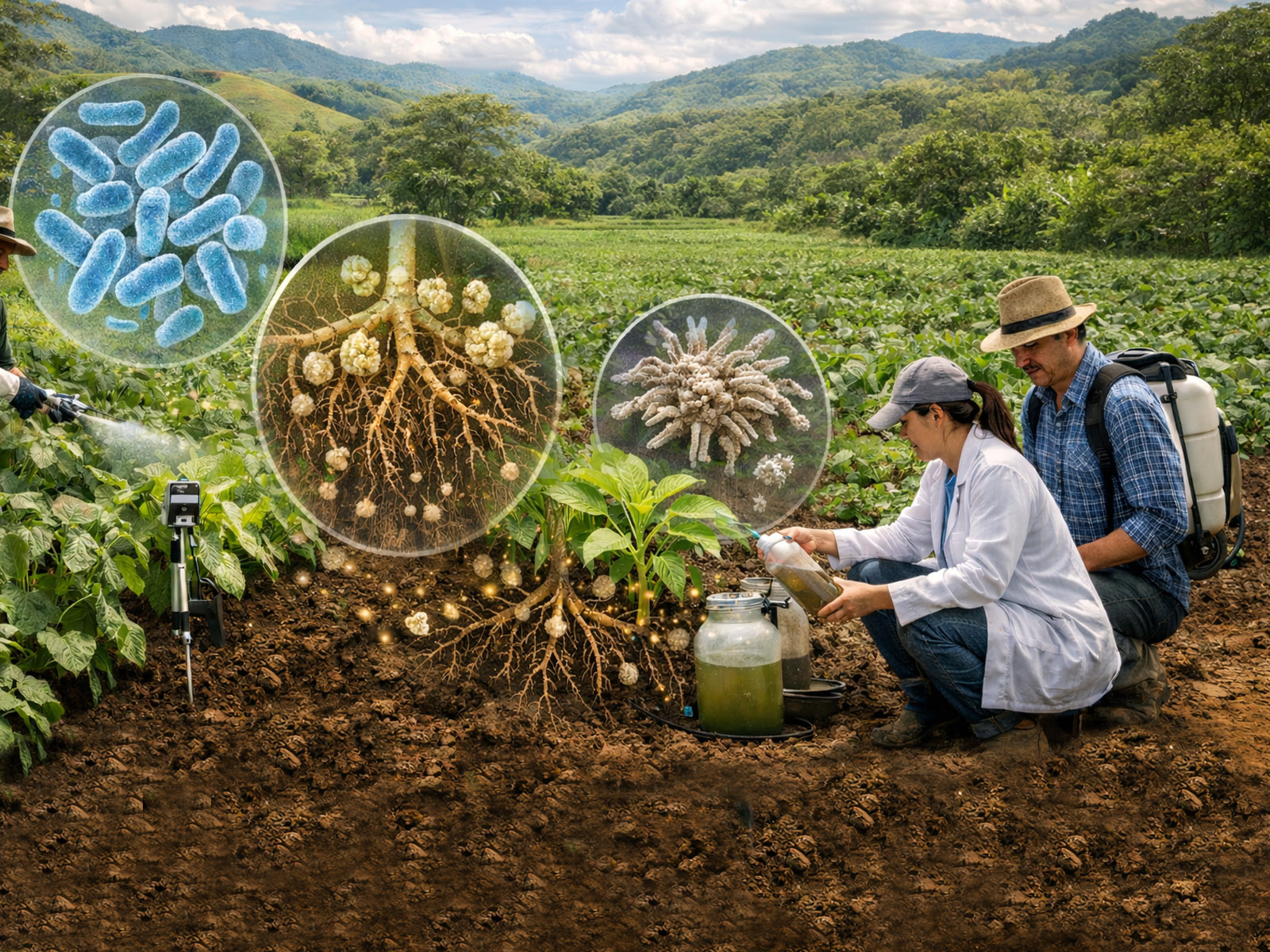
The project "Development and use of biologicals for sustainable agriculture in Latin America" aims to promote the sustainability of agricultural systems by making biologicals more available and efficiently utilized, helping to address the current economic and climate challenges in the region's agriculture. With a comprehensive approach, the project focuses on four main components:
With the participation of Costa Rica, Honduras, Panama, and Venezuela and the support of institutions such as INTA, DICTA, IDIAP, and INIA, the project aims to benefit 2,000 producers directly and another 7,600 stakeholders indirectly across the region. Active participation from women, youth, and farming families is also encouraged. With an estimated duration of 42 months and a total cost of USD $408,650, of which $200,000 is funded by FONTAGRO and the remainder provided by local contributions, the project aligns with the Sustainable Development Goals, seeking not only to improve productivity and sustainability in agricultural systems but also to reduce environmental impact and enhance climate resilience in Latin America.
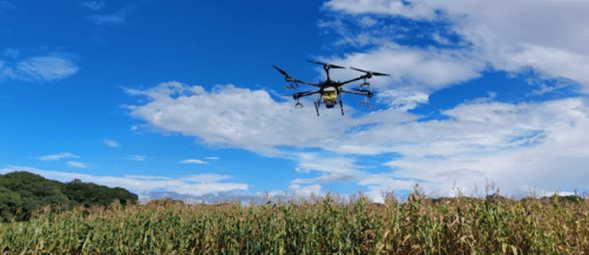
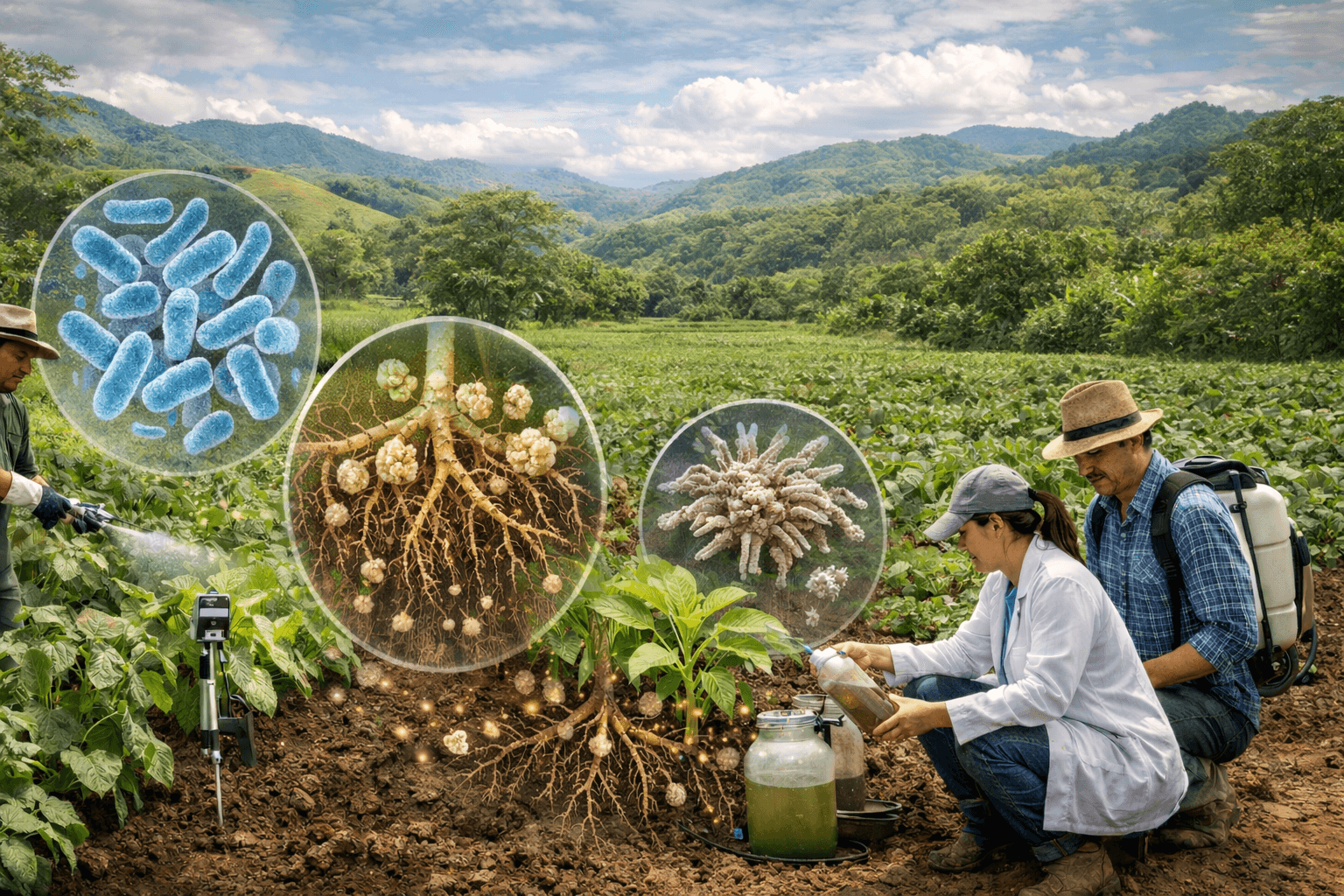
The technological solution of the project focuses on the development and use of effective and sustainable biologicals for agriculture, specifically targeting small and medium-sized producers. These biologicals include microorganisms for nitrogen fixation and phosphorus solubilization, as well as biocontrol agents for specific pests and biofertilizers. The initiative promotes the creation of environmentally friendly products that optimize crop productivity by reducing dependence on synthetic chemicals. Additionally, the project aims to scale these technologies through field validation and quality protocol harmonization. This approach facilitates adoption by producers and enables local institutions and startups to replicate and commercialize these alternatives, thereby strengthening the resilience of agricultural systems and generating economic opportunities in rural areas.
The expected results of the project include several key outcomes: a 20% reduction in the use of synthetic fertilizers and pesticides, alongside increased productivity; biofertilizers that enhance nutrient availability, achieving a 30% increase in phosphorus availability and a 20% increase in nitrogen fixation in treated soils; and biocontrol agents projected to reach a mortality rate of over 50% for Spodoptera frugiperda larvae and 70% for Diaphorina citri under controlled conditions. The project will establish experimental plots in each participating country to implement and adapt integrated management schemes, allowing for adjustments and improvements, with a minimum of one tailored scheme per crop per country. Capacity building will be a core focus, with at least 60 researchers and technicians trained, regional workshops conducted to facilitate knowledge sharing, and the development of technical notes, training materials, and informative videos for broad dissemination. Furthermore, the project aims to make biological technologies accessible as public goods via FONTAGRO and other platforms, enabling biofactories and startups to replicate and commercialize these biological solutions, thereby promoting sustainability and economic opportunities in rural areas.
The direct beneficiaries will be at least 2,000 agricultural producers (500 from Costa Rica, 400 from Honduras, 550 from Panama, and 550 from Venezuela) and 6,600 indirect beneficiaries (1,000 from Costa Rica, 2,500 from Honduras, 1,900 from Panama, and 1,200 from Venezuela). Additionally, the project will reach a minimum of 60 researchers and technicians from public institutions and other private sector actors in the participating countries. The work will be carried out in coordination with local organizations, public institutions, academia, and private organizations, ensuring the participation of women, youth, and families involved in agricultural production.
This project actively contributes to achieving the Sustainable Development Goals, promoting more equitable, resilient, and sustainable regional development.

September 29, 2026
May 11, 2026
.jpg&w=640&q=100)
April 15, 2026
Hugo Yoel Montero González
Costa RicaVidal Aguilera Cogley
PanamáAlba Ochoa Camacho
HondurasKatherine Bonilla Mora
Ruth M. Castro Vásquez
Stephanie Quirós Campos
Melvin Madrigal
Belkys Vásquez
The tangible impact of science and technology in the field
Sponsors


With the support of



.jpg&w=384&q=75)