 Impact
 Initiatives
 Dashboard
 Partnerships

 Impact
 Initiatives
 Dashboard
 Partnerships

 Technological-Organizational-Institutional
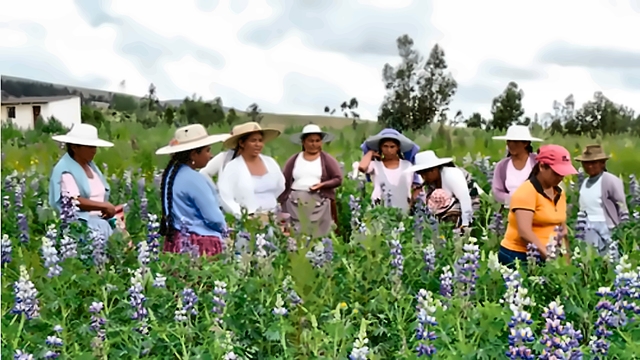
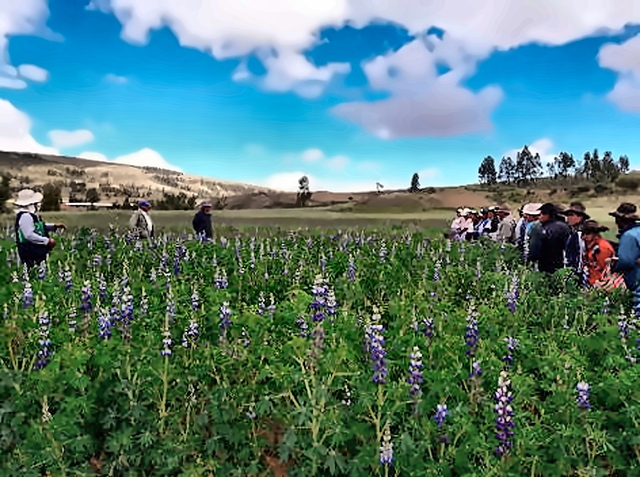
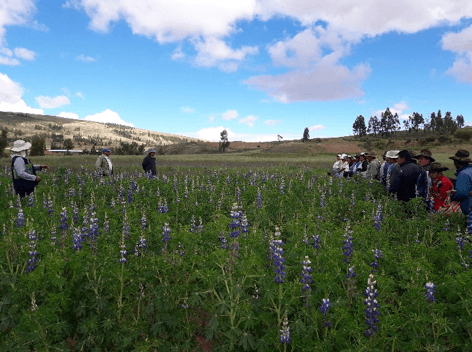
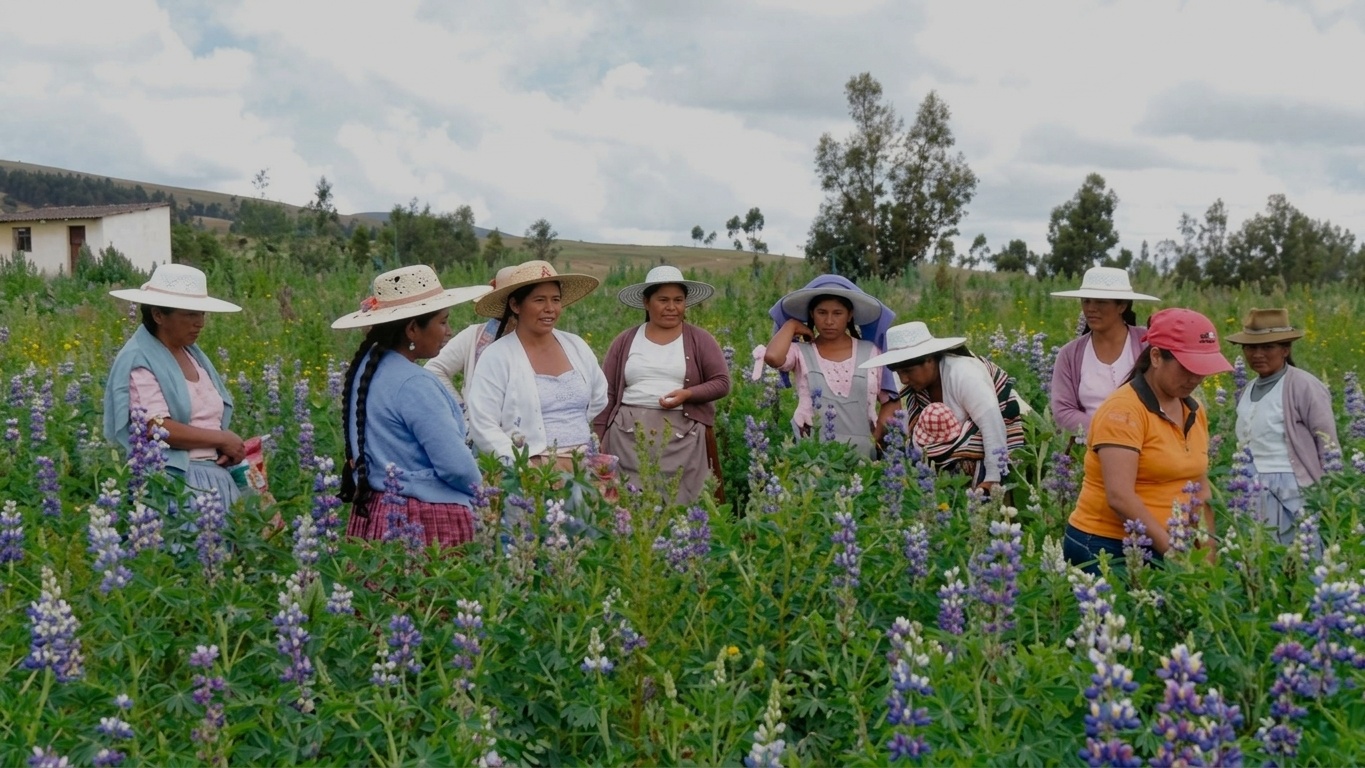
Legumes of the genus Lupinus, known as tarwi in Bolivia, chocho in Ecuador and lupino in Chile, adapt very well to difficult climates and soils. They also have a high content of protein, calcium, iron and zinc. To give this Andean crop the place it deserves, the project "Promoting the Resilience of Production Systems to Reduce the Vulnerability of Smallholder Families through the Revaluation of Neglected Crops of the Genus Lupinus" (FTG/RF-14893-RG) is launched. It is executed by the Foundation for the Promotion and Research of Andean Products (PROINPA) of Bolivia, together with Chile's Agricultural Research Institute (INIA) and Ecuador's National Institute of Agricultural Research (INIAP).
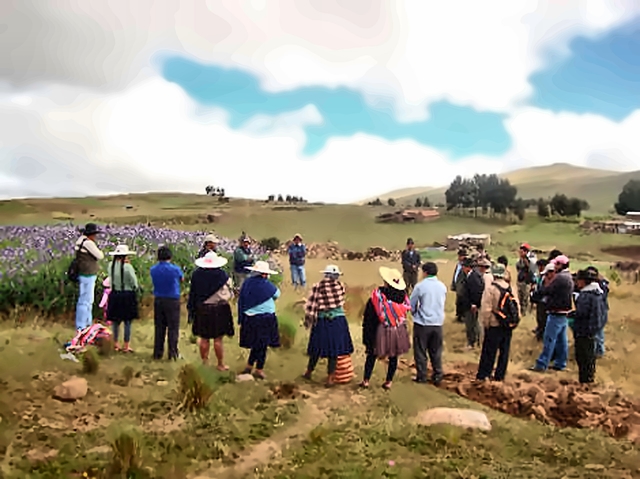
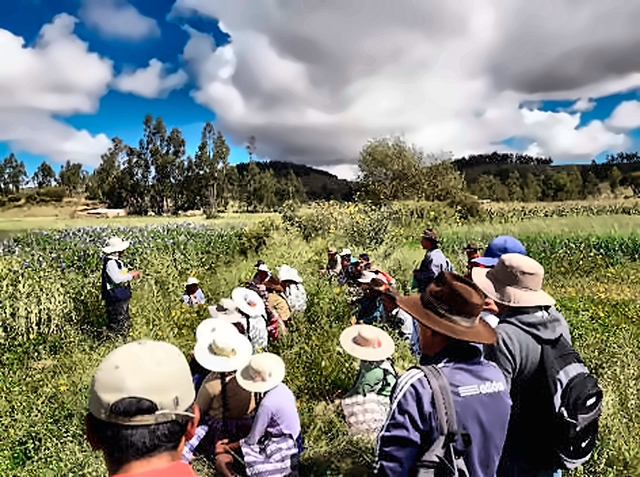
The project works in the high Andean areas of Bolivia and Ecuador and in the Araucanía region of southern Chile. There, lupin already covers thousands of hectares: about 1,500 in Bolivia, nearly 6,000 in Ecuador and between 4,600 and 12,300 of bitter lupin in Chile. Over 36 months, the initiative is organized into four components:
increase the productivity of the production system;
promote local use and consumption of lupin for a balanced diet;
develop postharvest processing and access to new local and national markets;
manage the project through an innovation platform.
🔗 Project page (in Spanish) · 🔗 Impact story (in Spanish)