 Impact
 Initiatives
 Dashboard
 Partnerships

 Impact
 Initiatives
 Dashboard
 Partnerships

 Technological-Organizational-Institutional
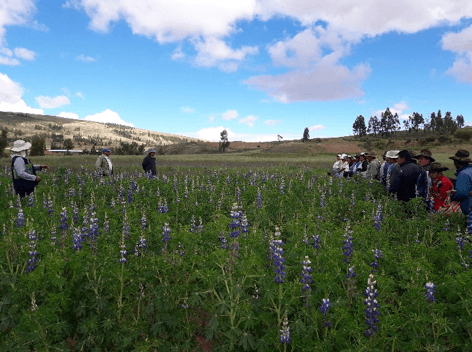
Bitter lupin is highly nutritious, but its alkaloids must be removed before it can be eaten. Traditionally, this debittering process takes several days and requires large amounts of water. The FONTAGRO-supported project on the revaluation of neglected Lupinus crops validated new techniques that make the process more efficient:
Bolivia: a debittering technology reduced water use from 80 to 40 liters per kilo of grain.
Ecuador: a new technique shortened the process from 84 to 58 hours and reduced water from 96 to 66 liters per kilo of grain.
"Now we need less water to debitter tarwi and we do it in less time," sums up a testimony gathered in the project's impact story.
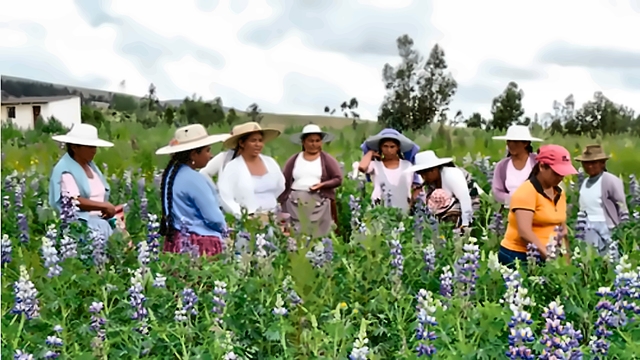
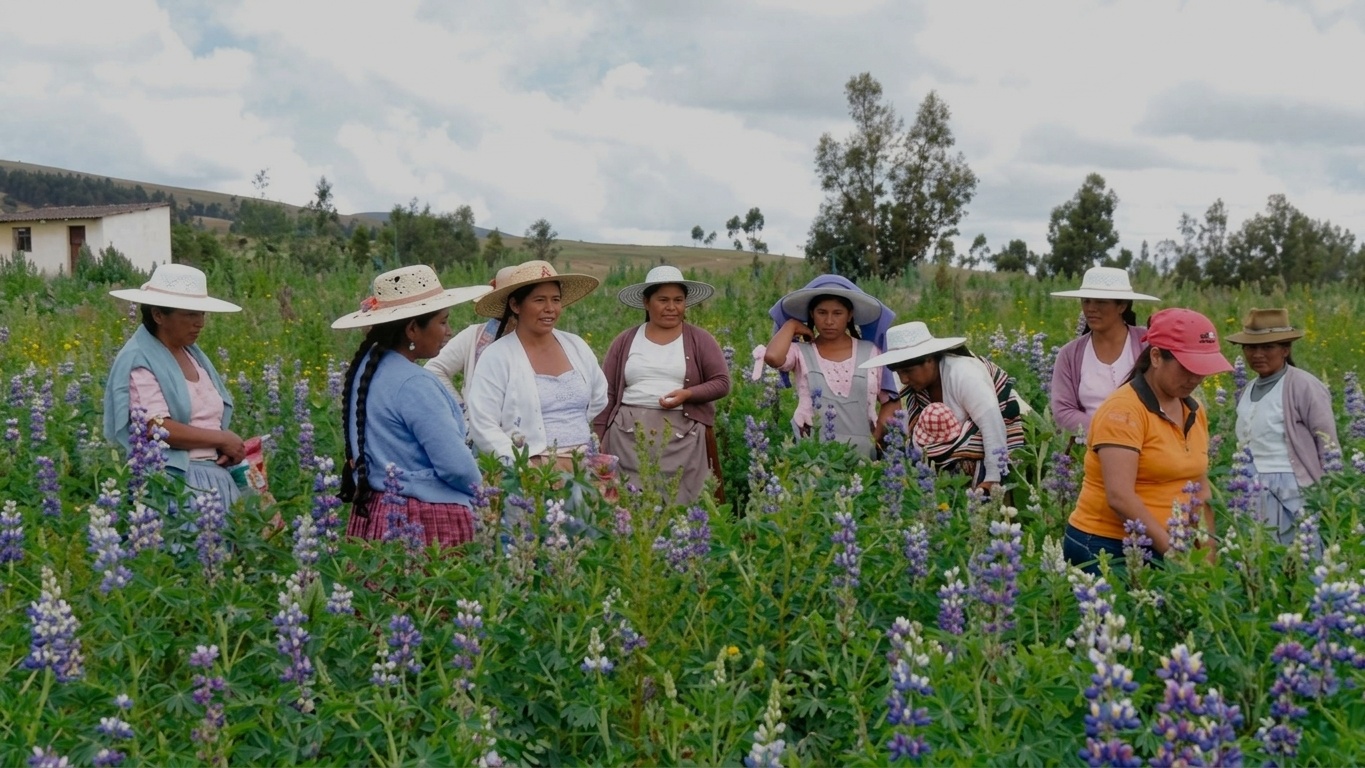
The project also promoted lupin consumption for a more balanced diet. In Bolivia, a recipe book of tarwi dishes based on local knowledge was produced, and 60 mothers were trained to prepare new meals, which they then shared with other families in their communities. Protocols were also developed to make toasted tarwi in different flavors. In Ecuador, a study showed how rooted chocho is in the diet: it is eaten by 71% of families in the Highlands and 87% in the Amazon region, at about 4 kg per person per year in both regions.
🔗 Impact story (in Spanish) · 📄 2018 poster (in Spanish) · 📄 Final technical report (in Spanish)