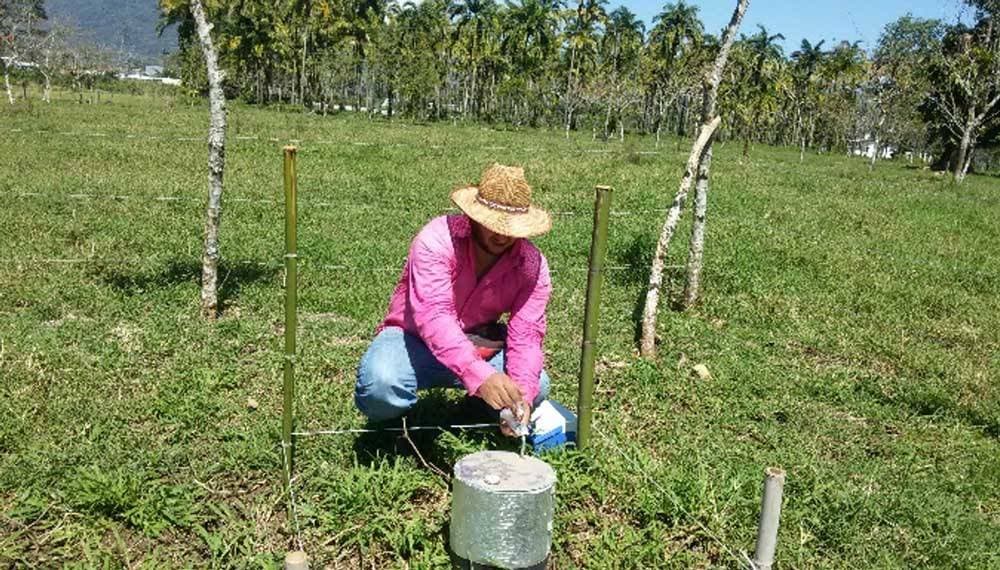
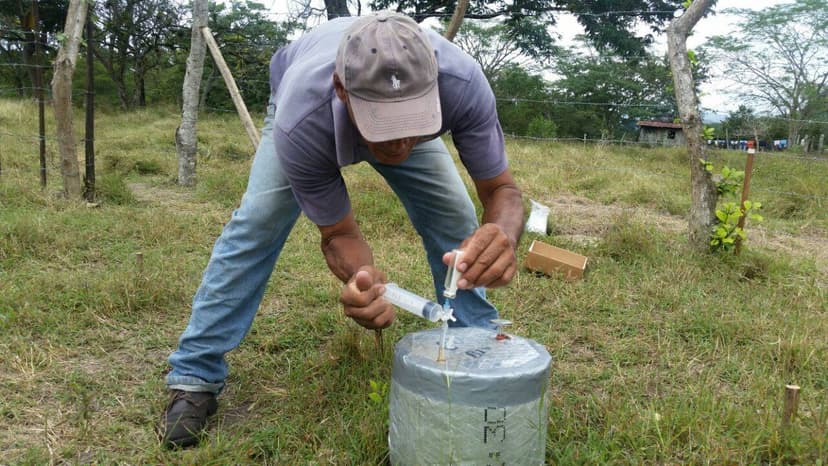
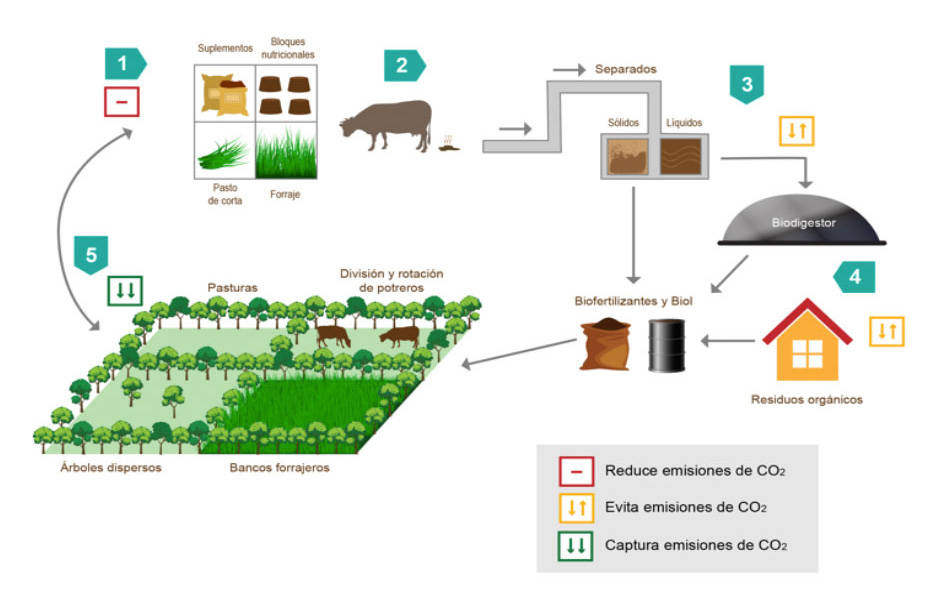
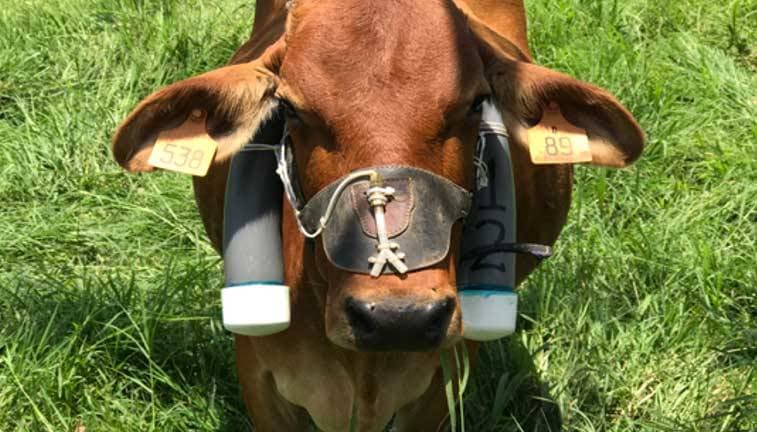
Enteric fermentation (methane) is the main source of GHG emissions. The most productive farms had lower emissions due to their mitigation strategies, such as supplementing with high-quality forage and using improved pastures. Although 88% of producers do not have any manure management plan at all, some farms use it for biogas or biofertilizer production. These strategies are especially important in the current context where there is no differentiated price for products produced in a more environmentally friendly manner.
Farms with lower intensification only have grazing systems and generate more CH4 emissions than greater intensification farms. In contrast, farms with greater intensification systems have feeding strategies such as supplementing lactating cows with commercial concentrates, minerals, and silage. Furthermore, they tend to implement more management strategies such as pasture management plans, soil analysis, technical fertilization recommendations, rest periods, proper animal load and type of grasses and legumes usage. All these strategies result in greater milk production per cow and lower CH4 emissions per liter of milk produced.
Enteric fermentation is the main source of livestock emission. Farms less intensified only have grazed animals and generate 103% more methane emissions than more intensified farms that supplement with forage banks and concentrates. Furthermore, more intensified farms produce an average of 2.1 more liters of milk per cow.
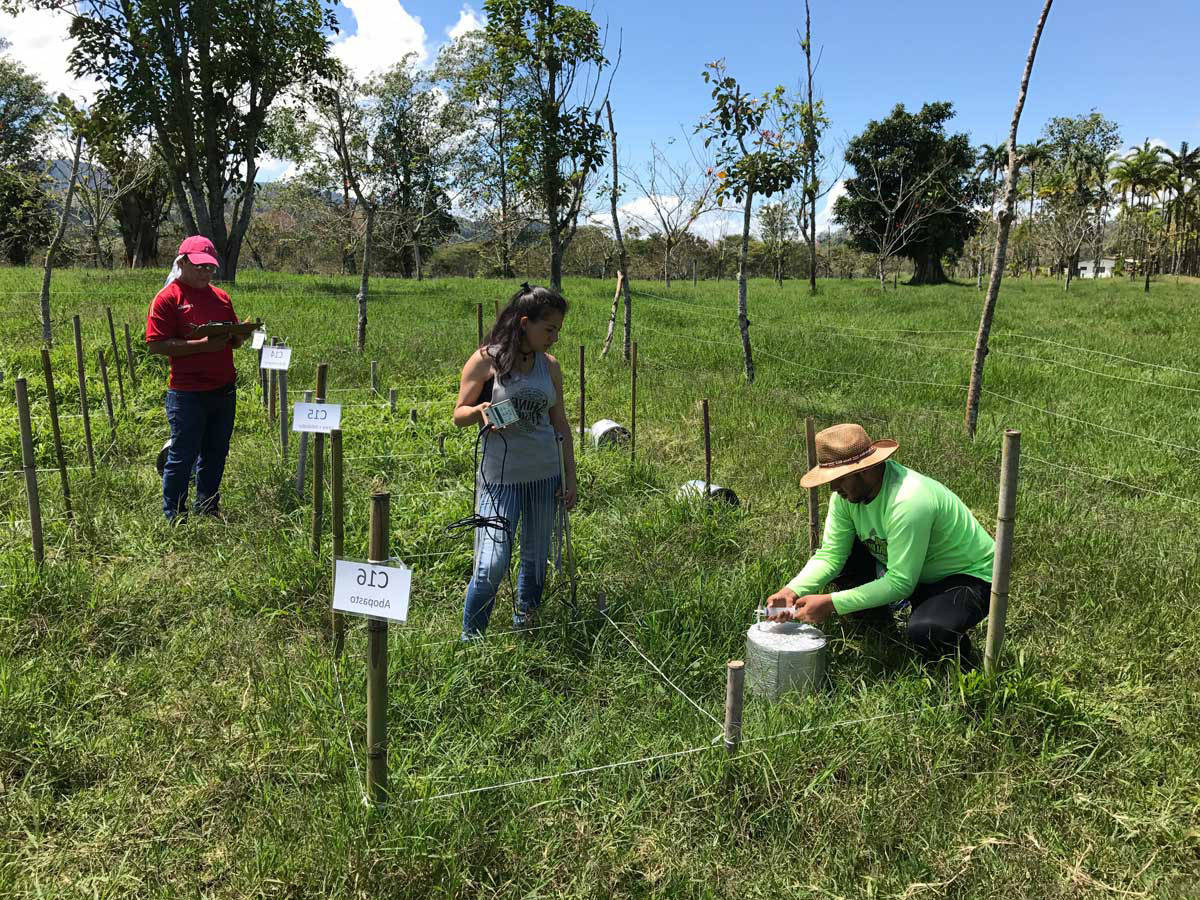
Better management practices and silvopastoral systems




 Diagnostic Method










 Impact
 Initiatives
 Dashboard
 Alliances
 Impact
 Initiatives
 Dashboard
 Alliances