



.png&w=3840&q=100)

 Diagnostic MethodClimate changeStrategy 1. Resilient farmsStrategy 2. Sustainables territoriesAdaptativeTechnologicalGas emissionClimate smart agricultureAgricultural systems
 2014
2014 Closed
Farms with lower intensification only have grazing systems and generate more CH4 emissions than higher intensified farms. In contrast, farms with greater intensification systems have feeding strategies such as supplementing lactating cows with commercial concentrates, minerals, and silage. Furthermore, they tend to implement more management strategies such as pasture management plans, soil analysis, technical fertilization recommendations, rest periods, proper animal load and type of grasses and legumes usage. All these strategies result in greater milk production per cow and lower CH4 emissions per liter of milk produced. Enteric fermentation is the main source of livestock emissions. Less intensified farms only have grazed animals and generate 103% more methane emissions than more intensified farms that supplement with forage banks and concentrates. Furthermore, more intensified farms produce an average of 2.1 more liters of milk per cow. The project was funded by the New Zealand Government as part of its contribution to the Global Research Alliance on Agricultural Greenhouse Gases (GRA).
Farms with lower intensification only have grazing systems and generate more CH4 emissions than higher intensified farms. In contrast, farms with greater intensification systems have feeding strategies such as supplementing lactating cows with commercial concentrates, minerals, and silages.
Furthermore, they tend to implement more management strategies such as pasture management plans, soil analysis, technical fertilization recommendations, rest periods, proper animal load and type of grasses and legumes usage. All these strategies result in greater milk production per cow and lower CH4 emission per liter of milk produced.
Enteric fermentation (methane) is the main source of greenhouse gas (GHG) emissions. The most productive farms had lower emissions due to their mitigation strategies, such as supplementing with high-quality forage and using improved pastures. Methane emissions (CH4) constitute between 80 and 93% of GHG emissions. The remaining 20 to 7% comes from manure, electricity, fertilization and fuels. Farms with lower intensification only have grazing systems and generate more CH4 emissions than higher intensified farms. Medium and higher intensification farms implemented feeding (i.e., supplementing lactating cows with commercial concentrates) and management (i.e., rest periods and proper animal load) strategies. These result in greater milk production per cow and lower CH4 emissions per liter of milk produced. More intensified farms produced an average of 2.1 more liters of milk per cow. Furthermore, farms less intensified only have grazed animals and generate 103% more methane emissions than more intensified farms.
Competitive livestock systems in the context of climate change
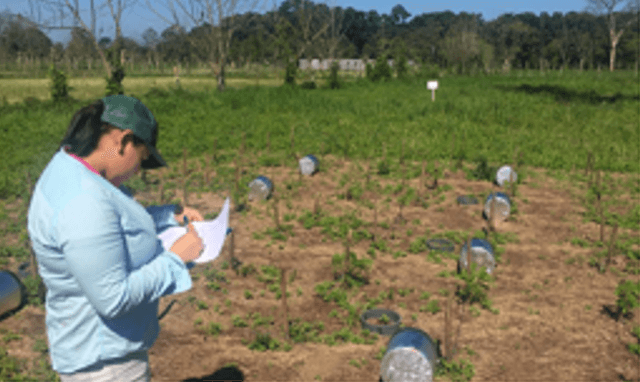
Gas chromatography methodology for the measurement of Greenhouse Gases
Methodology for the measurement of nitrous oxide in livestock systems
Livestock systemas with low emissions of greenhouse gases in Central America
John Beer
Costa RicaDiego Tobar
Costa RicaDomiciano Herrera Dominguez
PanamáEnrique Martínez Vargas
Costa RicaLuis Urbina Abaunza
NicaraguaLuis Alberto Fonseca
HondurasCristóbal Villanueva
Costa RicaClaudia Sepúlveda
Costa RicaAndrés Vega Fonseca
Costa RicaRoberto Soto Blanco
Costa RicaJessica Hassan
PanamáSergio Abarca Monge
Costa RicaThe tangible impact of science and technology in the field
Sponsors


With the support of

This project actively contributes to achieving the Sustainable Development Goals, promoting more equitable, resilient, and sustainable regional development.






October 3, 2019

 Impact
 Initiatives
 Dashboard
 Alliances
 Impact
 Initiatives
 Dashboard
 Alliances


