 Impact
 Initiatives
 Dashboard
 Alliances
 Impact
 Initiatives
 Dashboard
 Alliances


1.jpg&w=640&q=100)
.jpeg&w=640&q=100)
.jpg&w=640&q=100)
.jpeg&w=640&q=100)
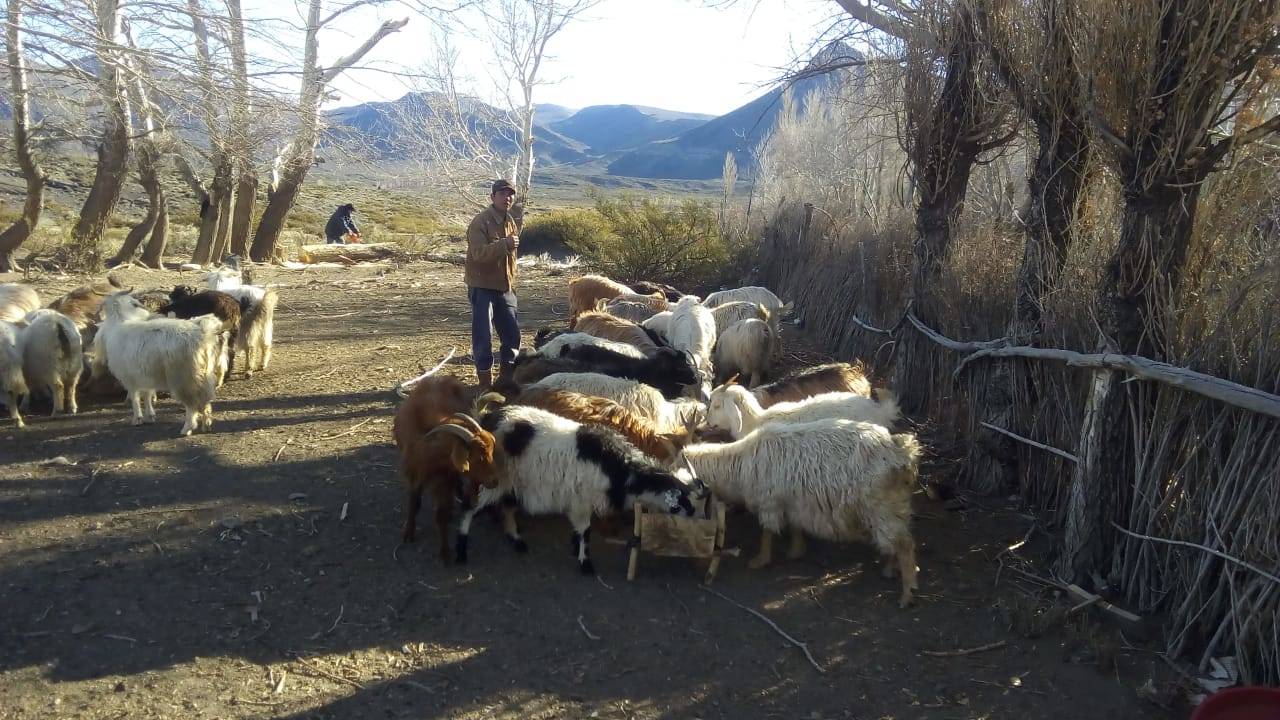
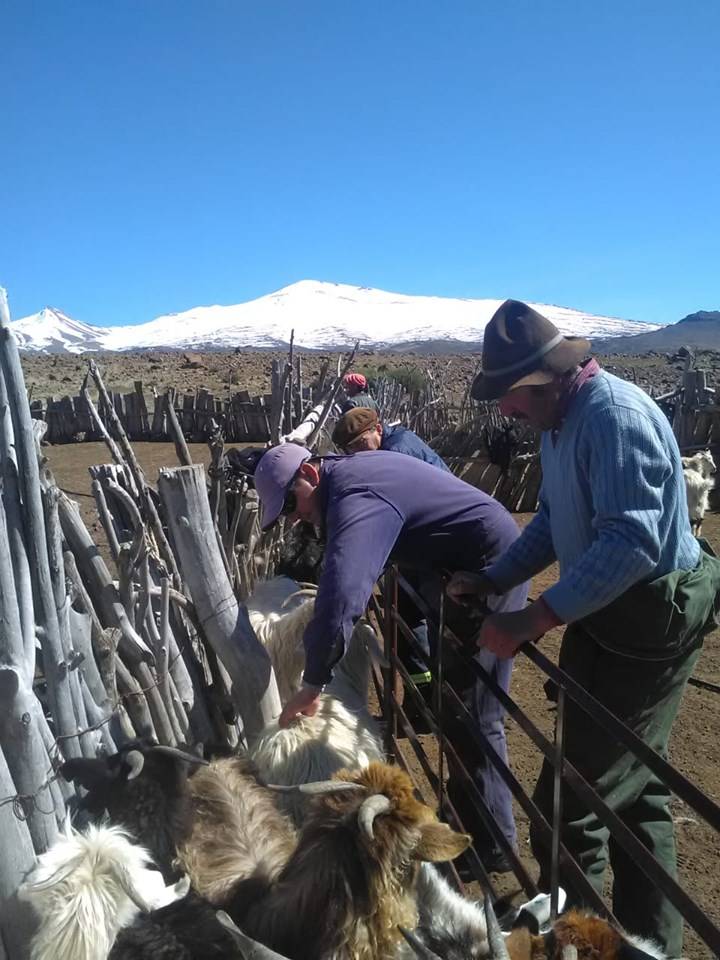
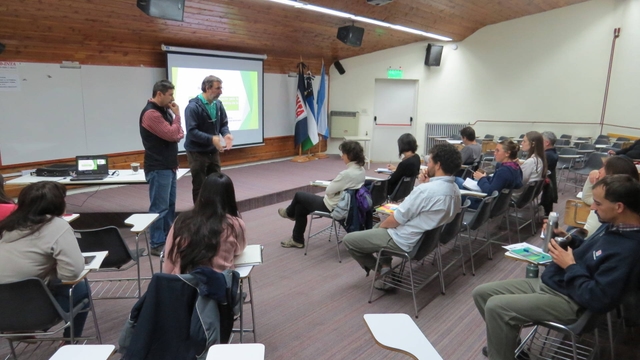
Learn more about this story
Project Webstory
Go to webstory




 Agronomic PracticesClimate changeAdaptativeTechnological
 2017
2017 Closed
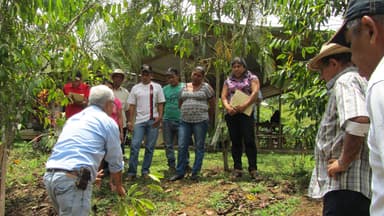
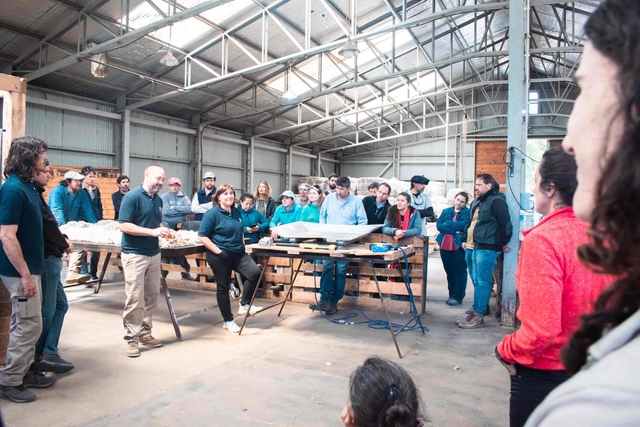
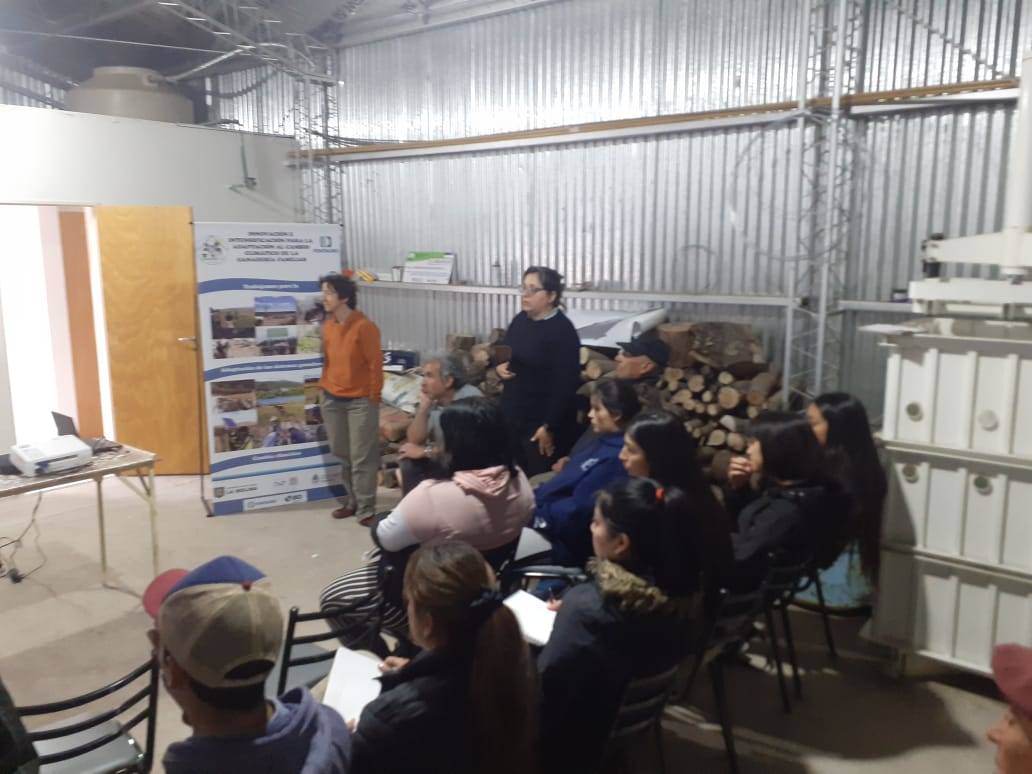
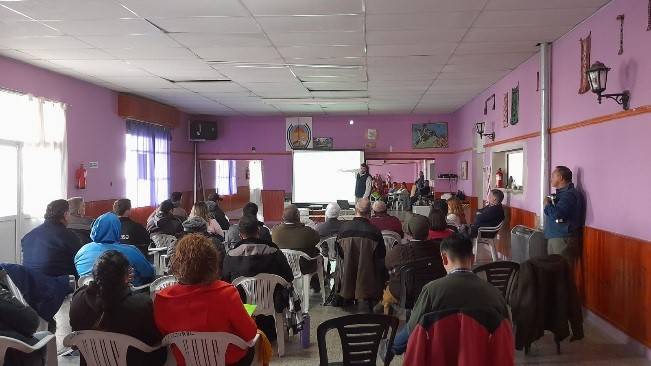
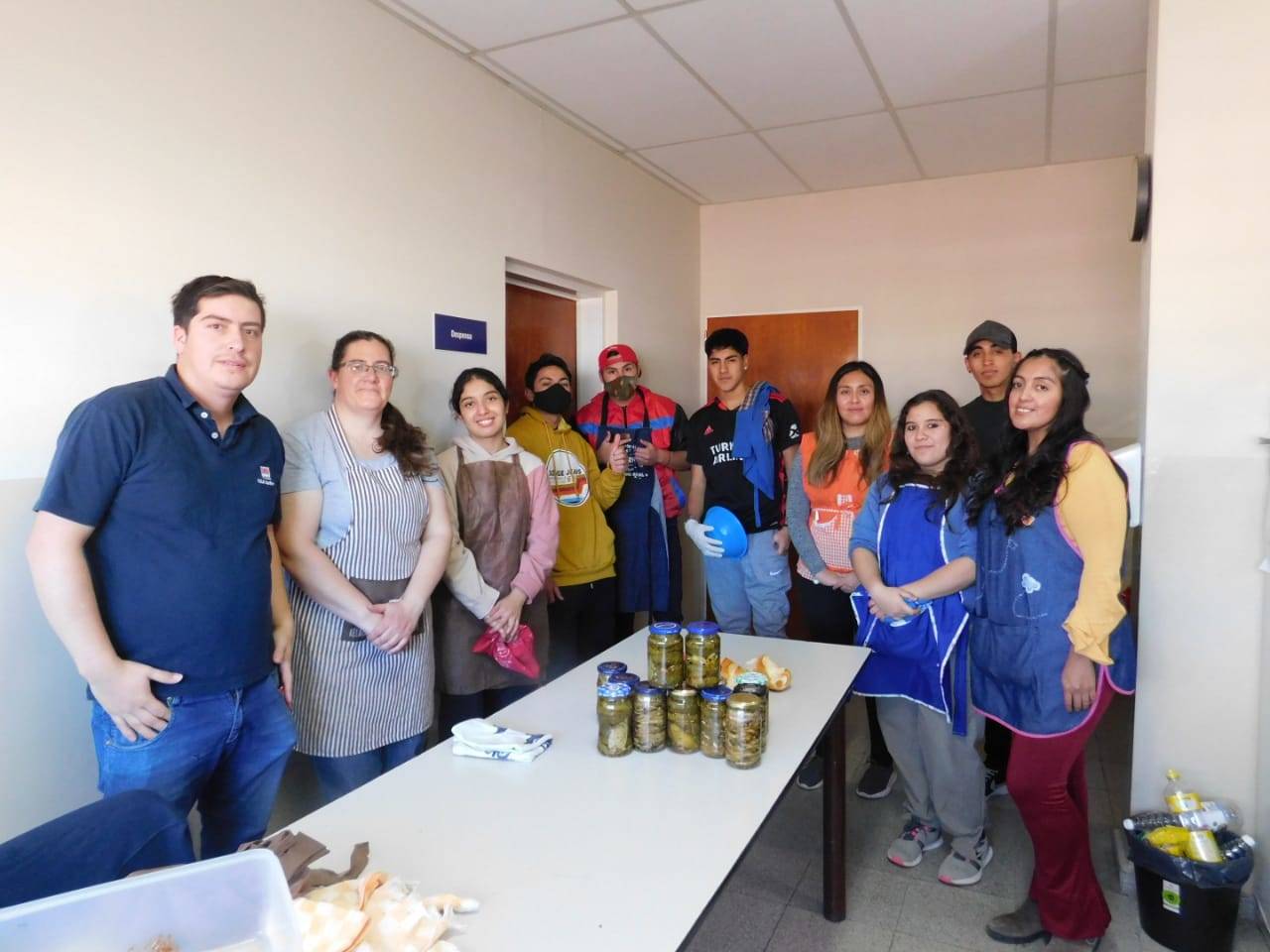
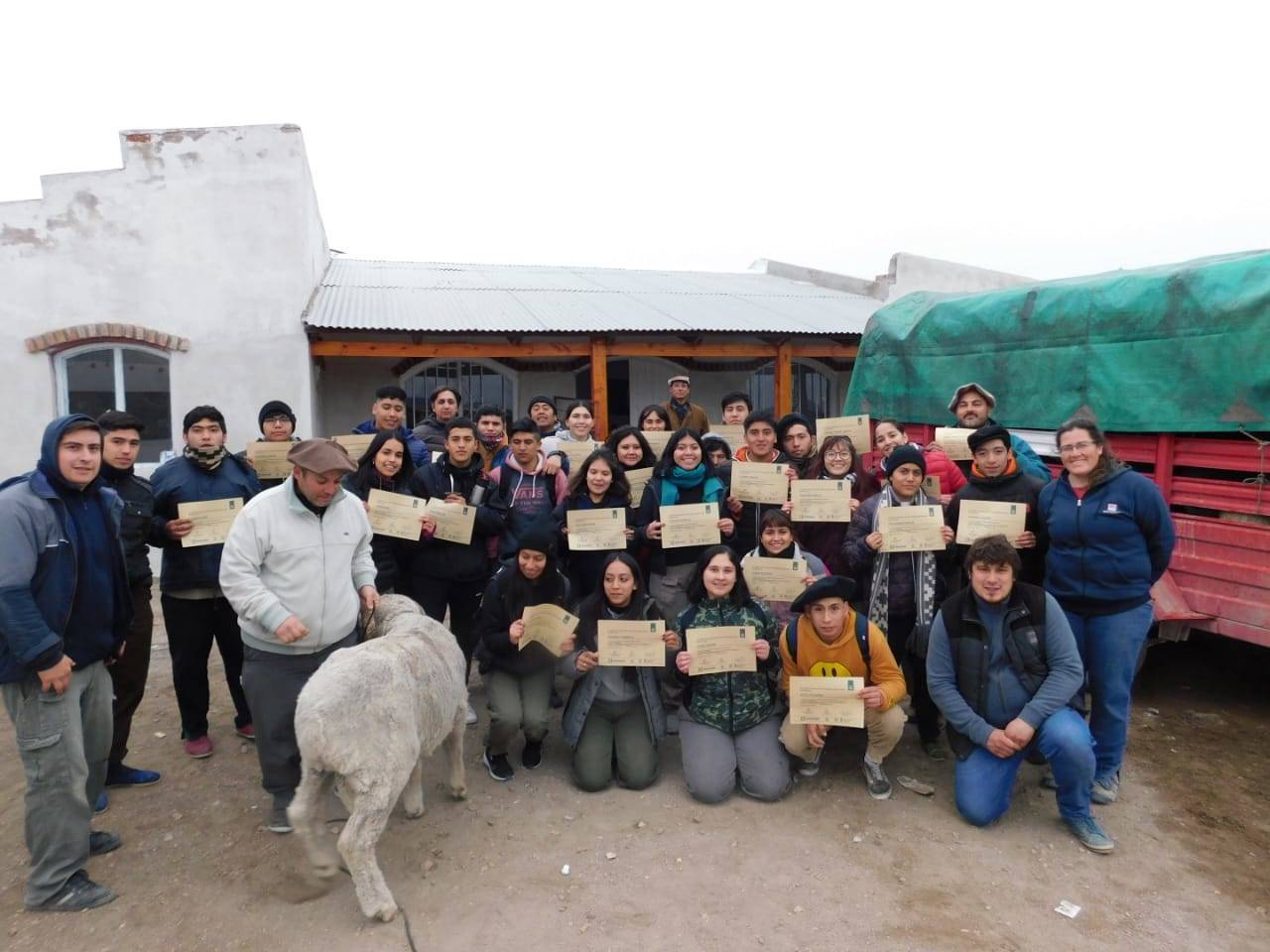
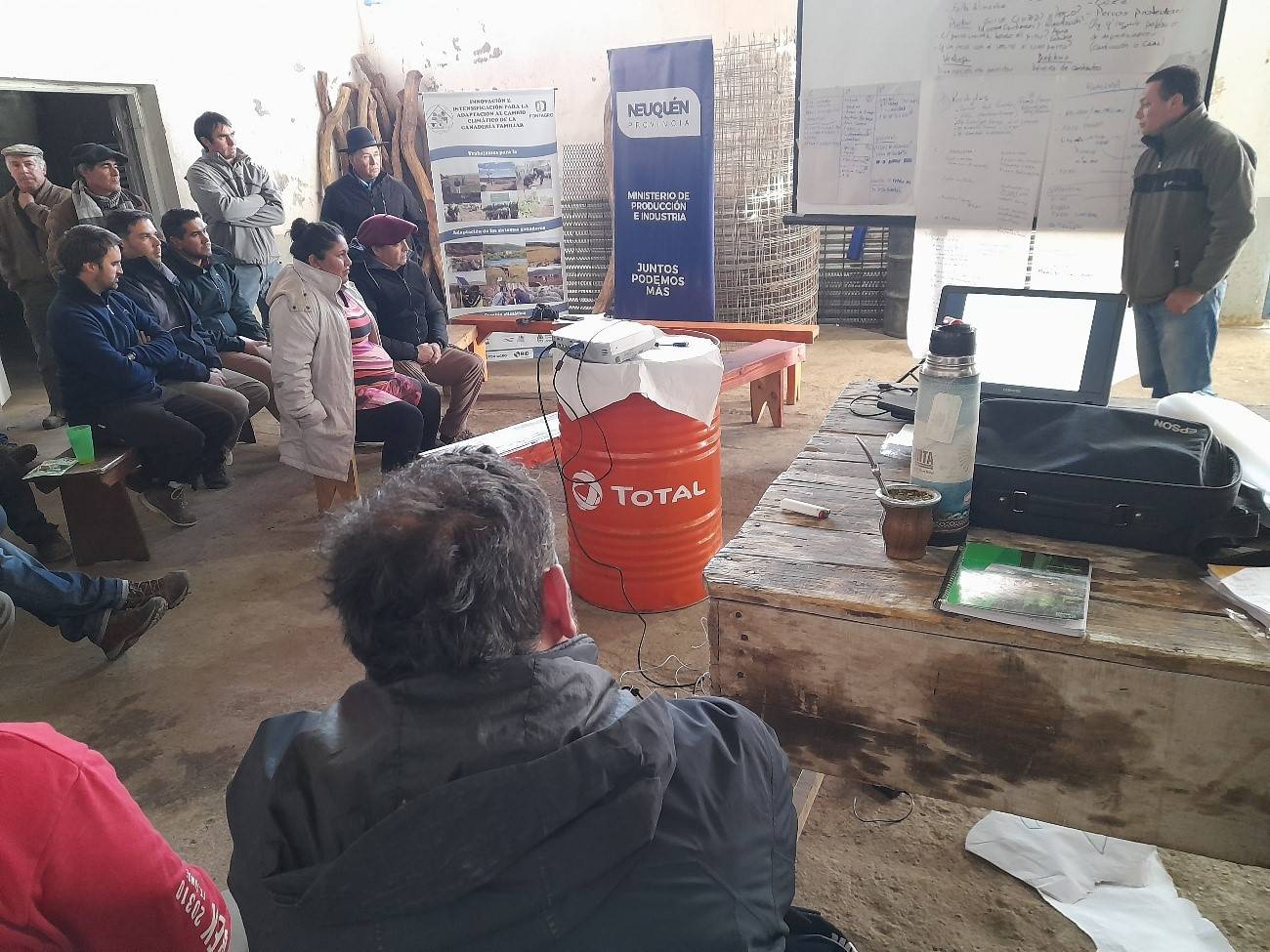
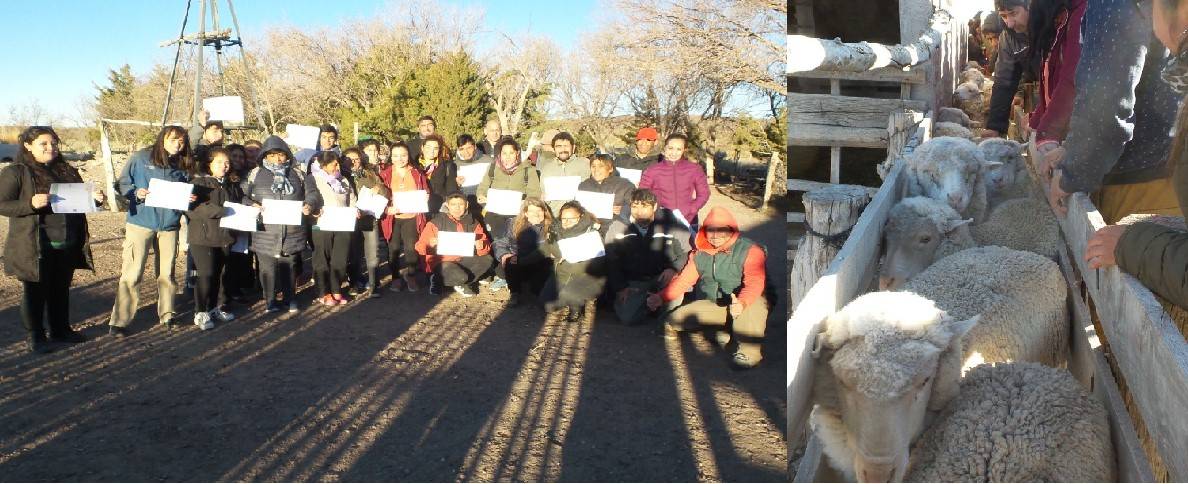
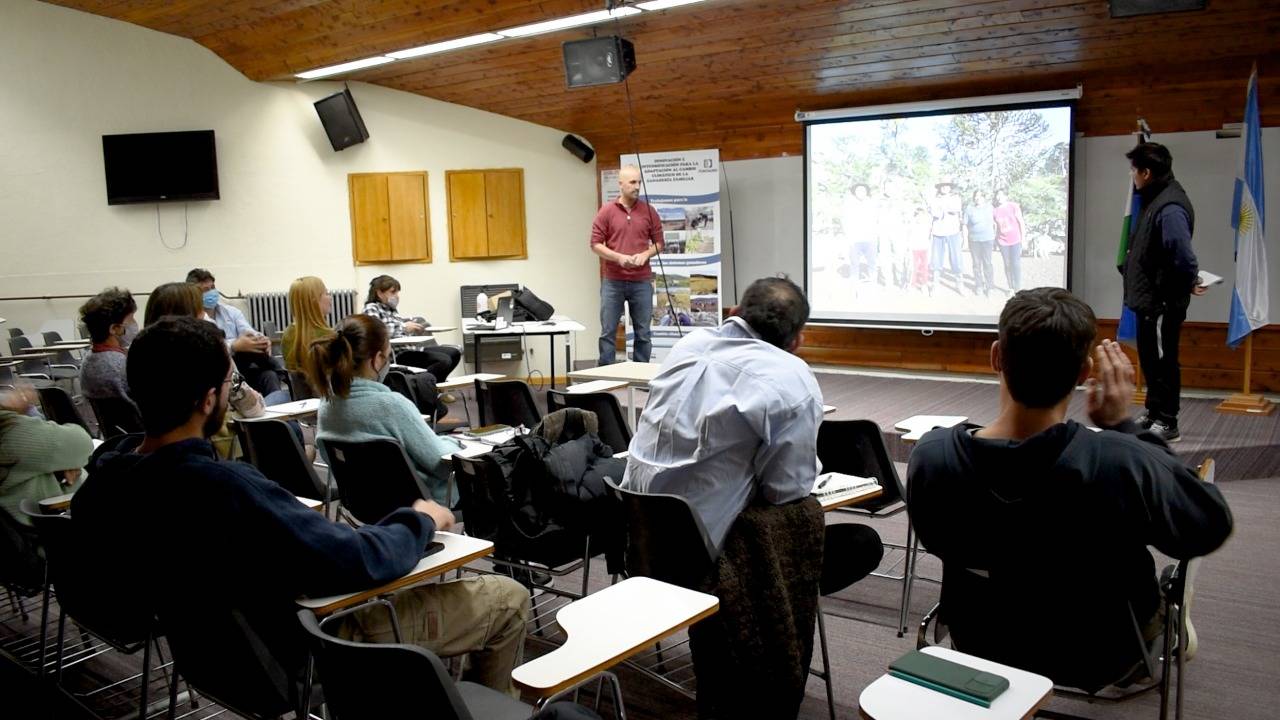
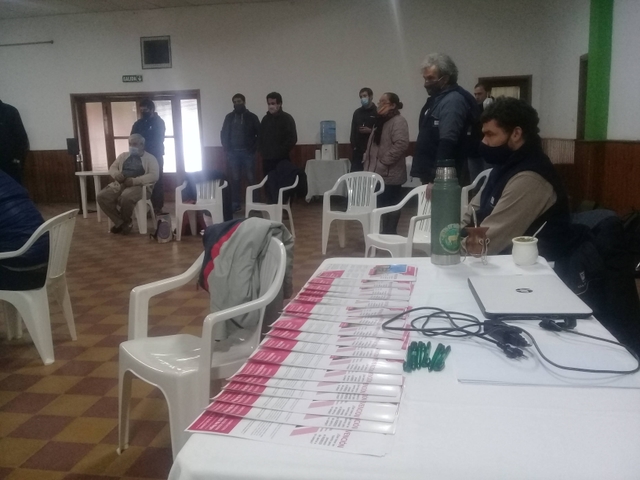
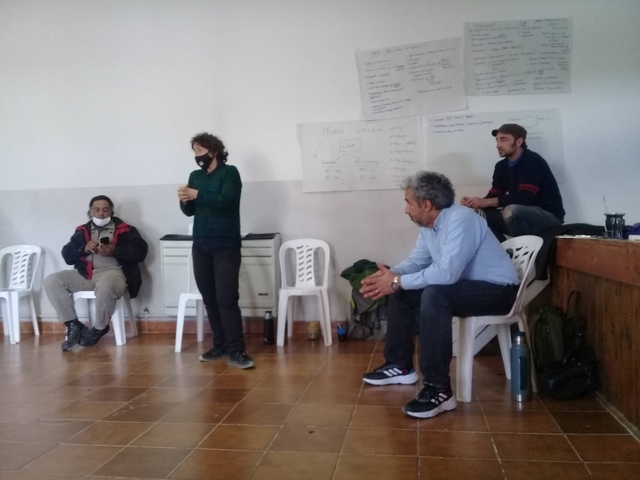
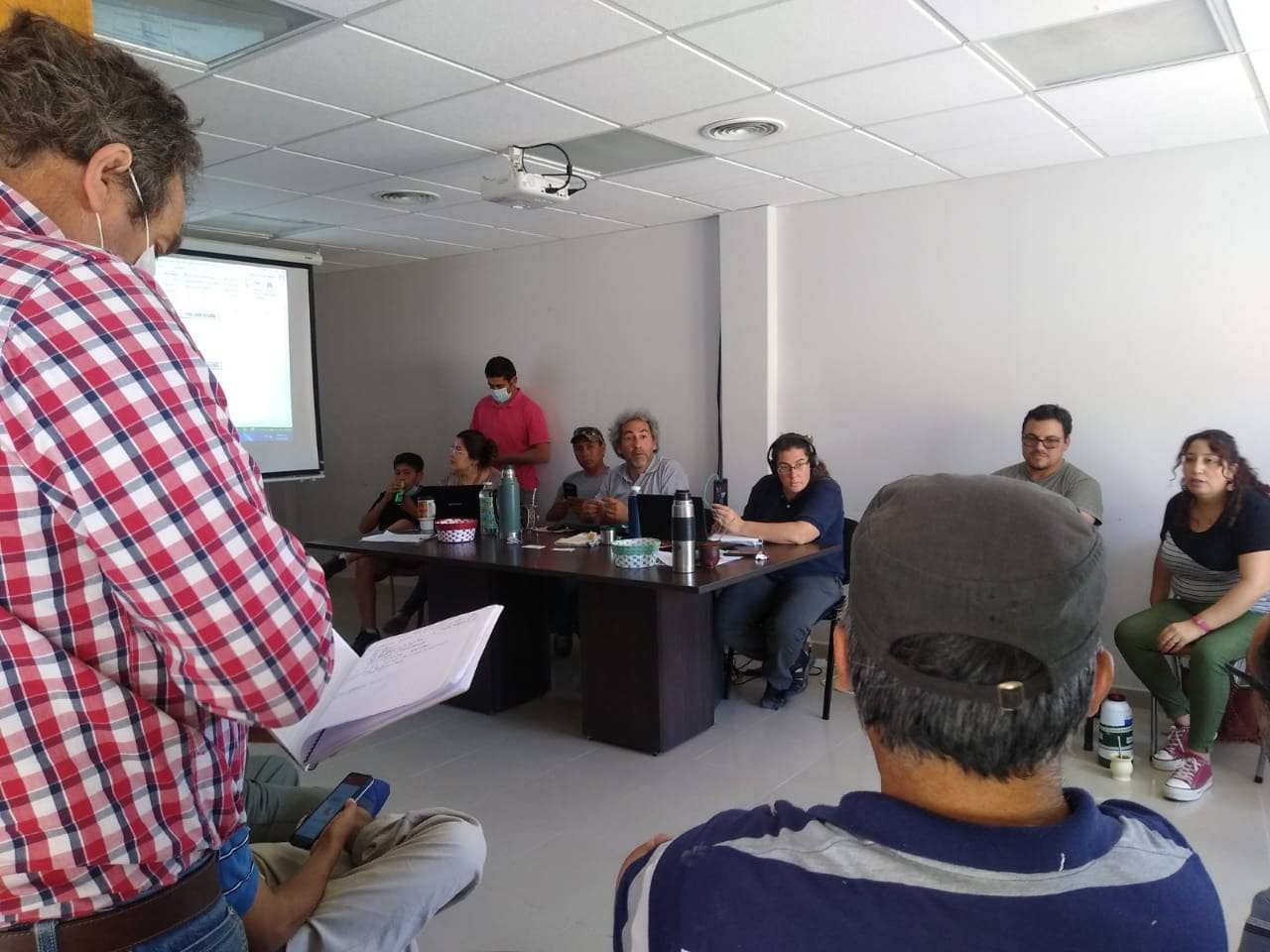
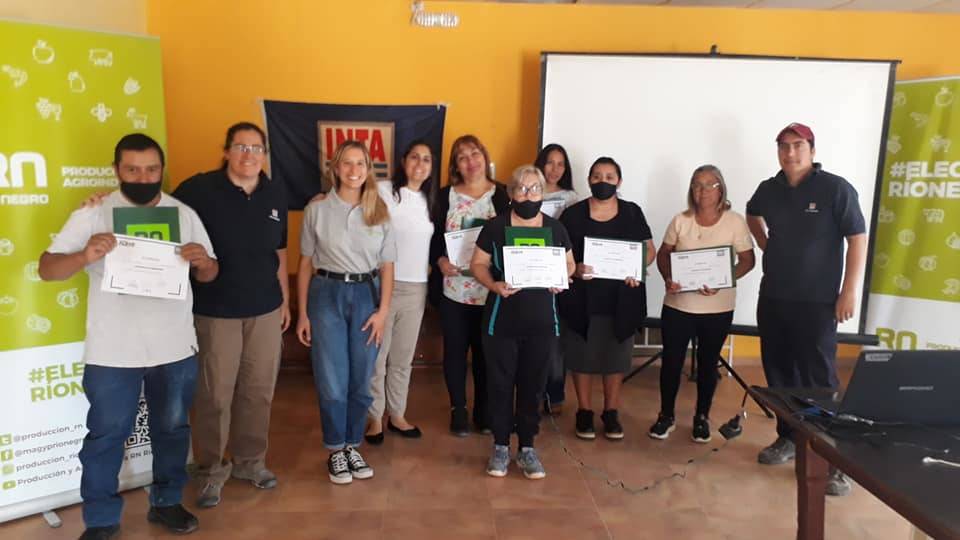
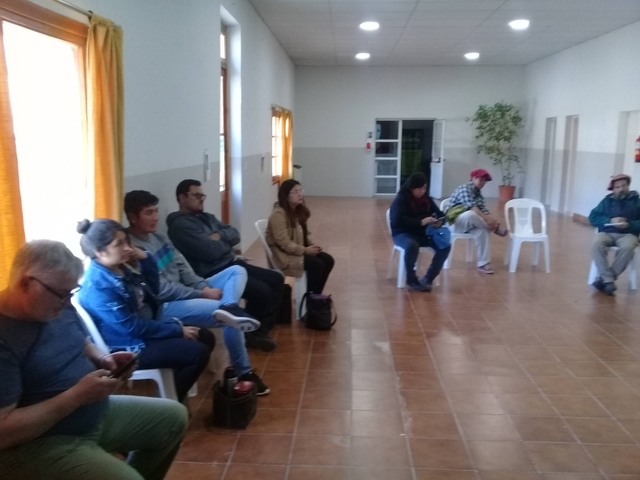
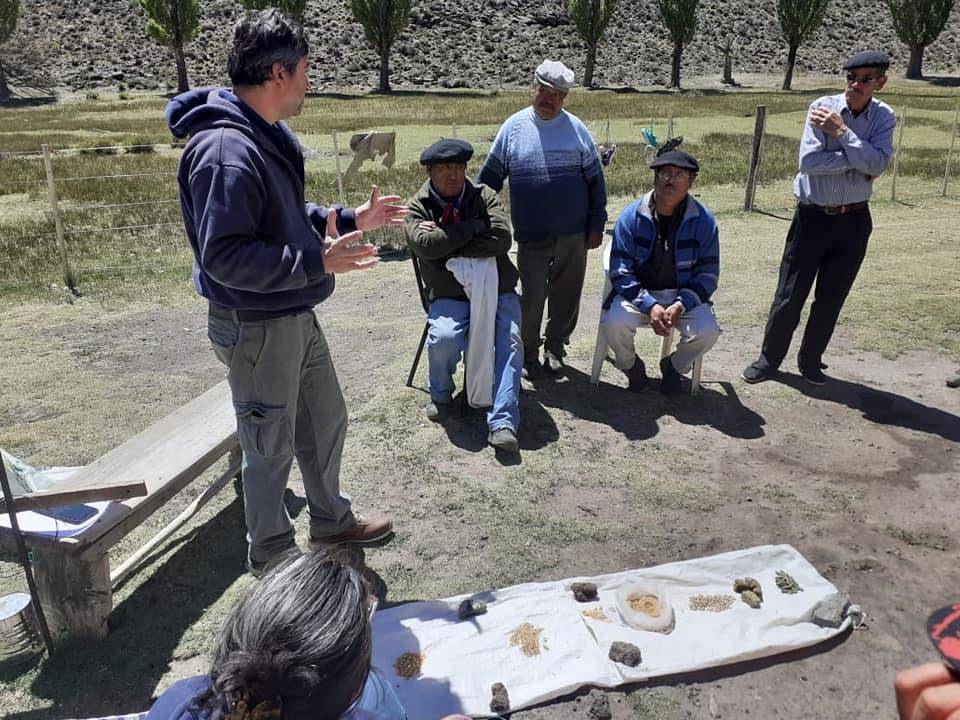
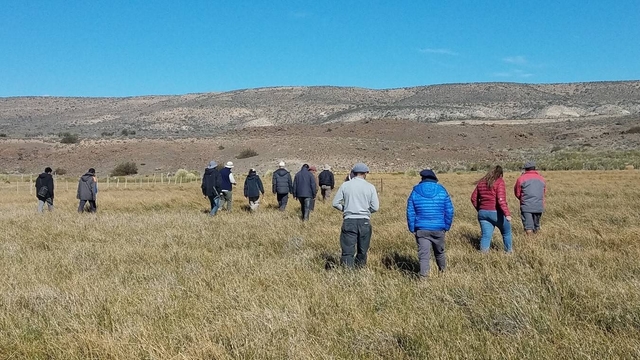
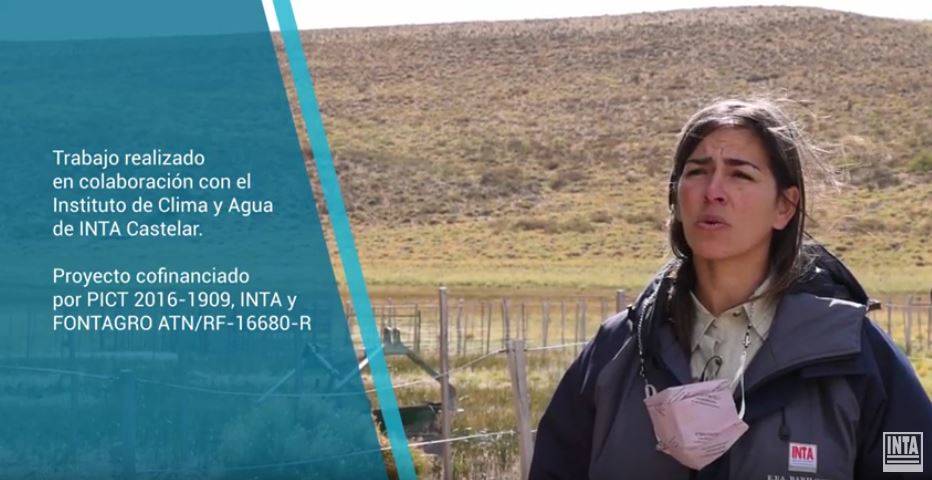
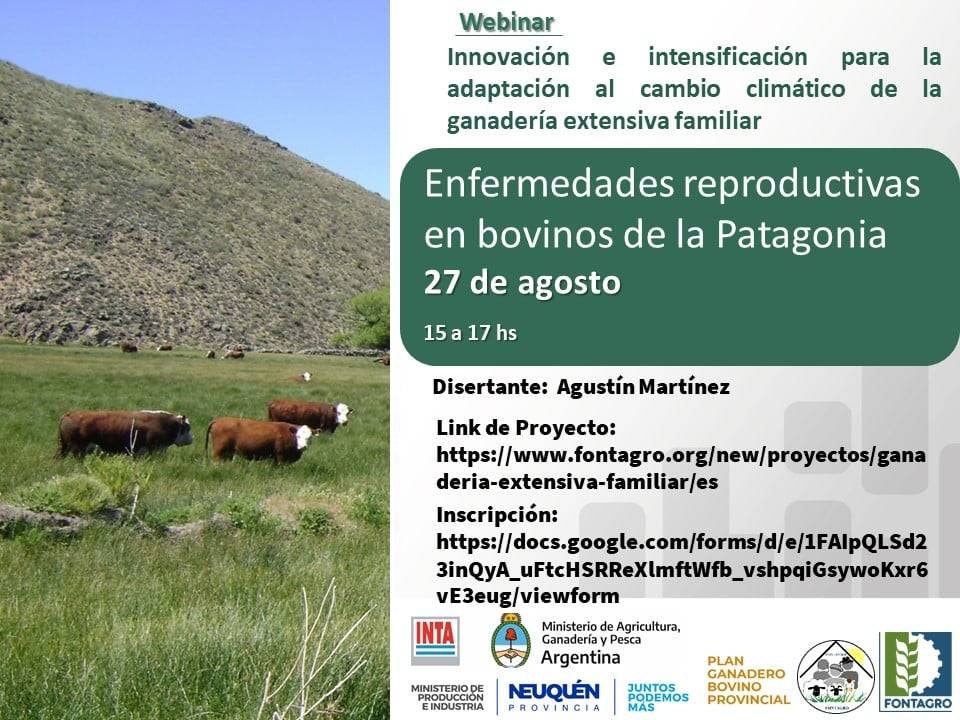
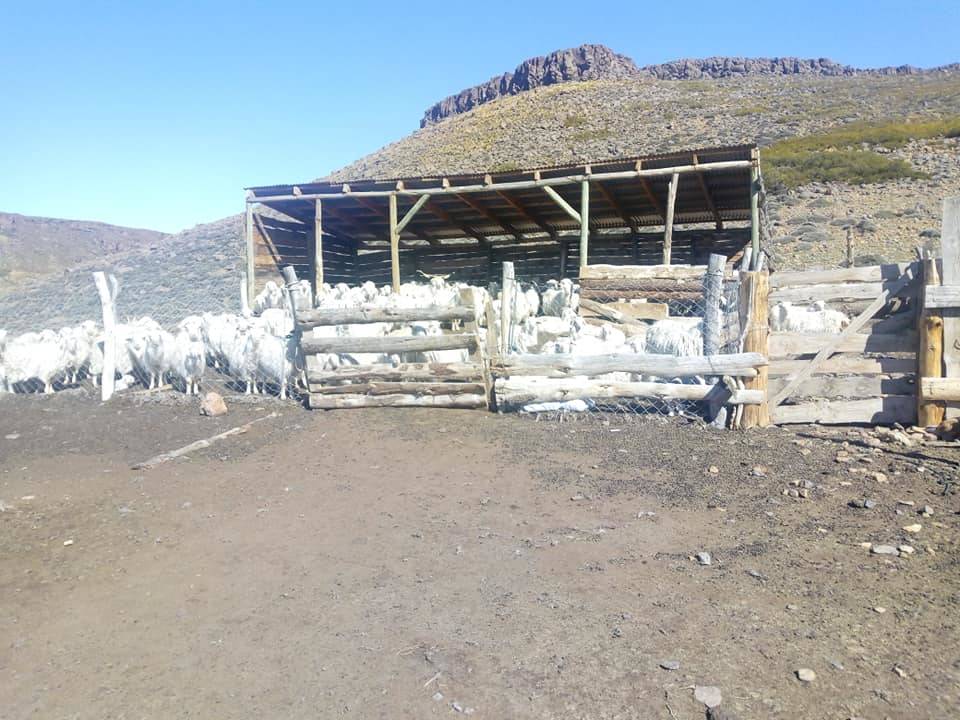
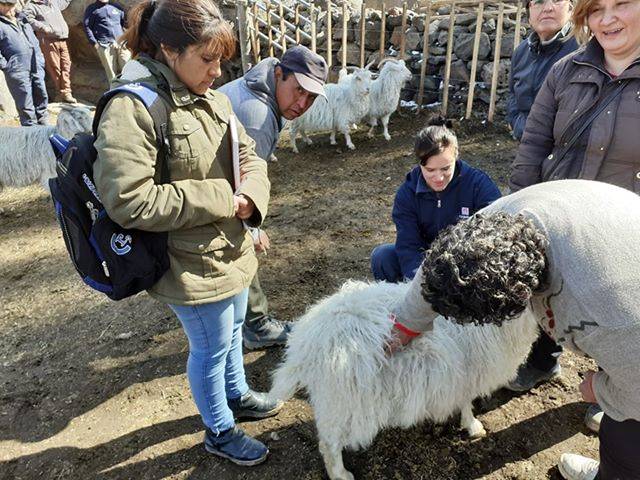
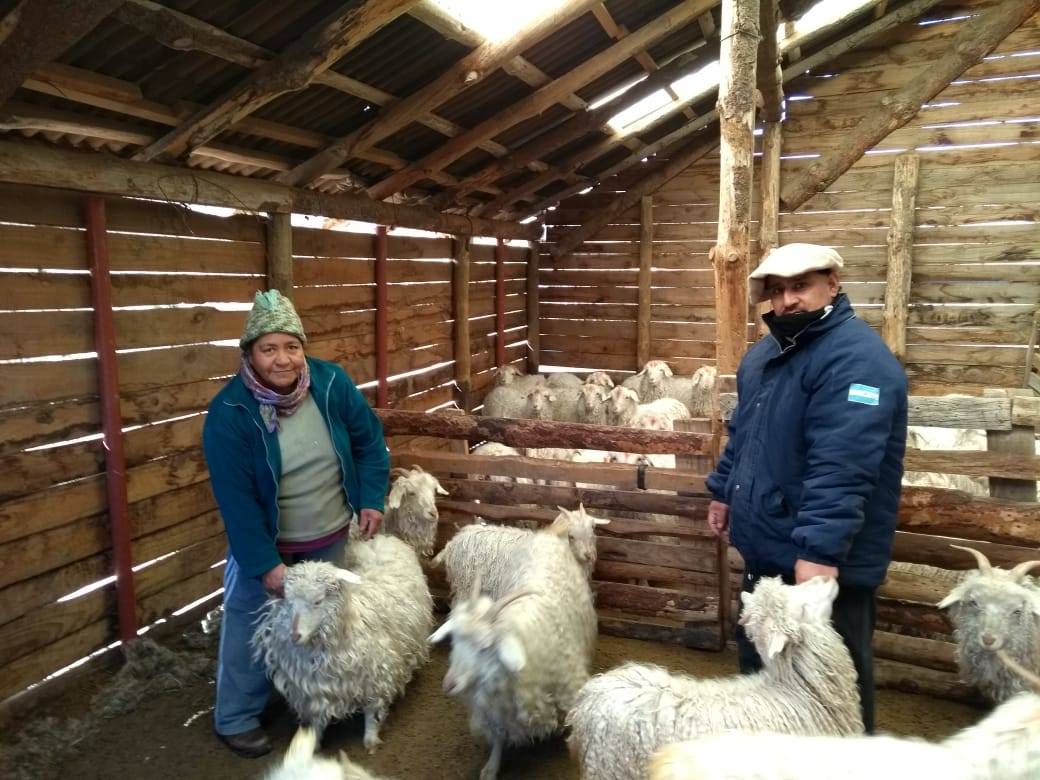
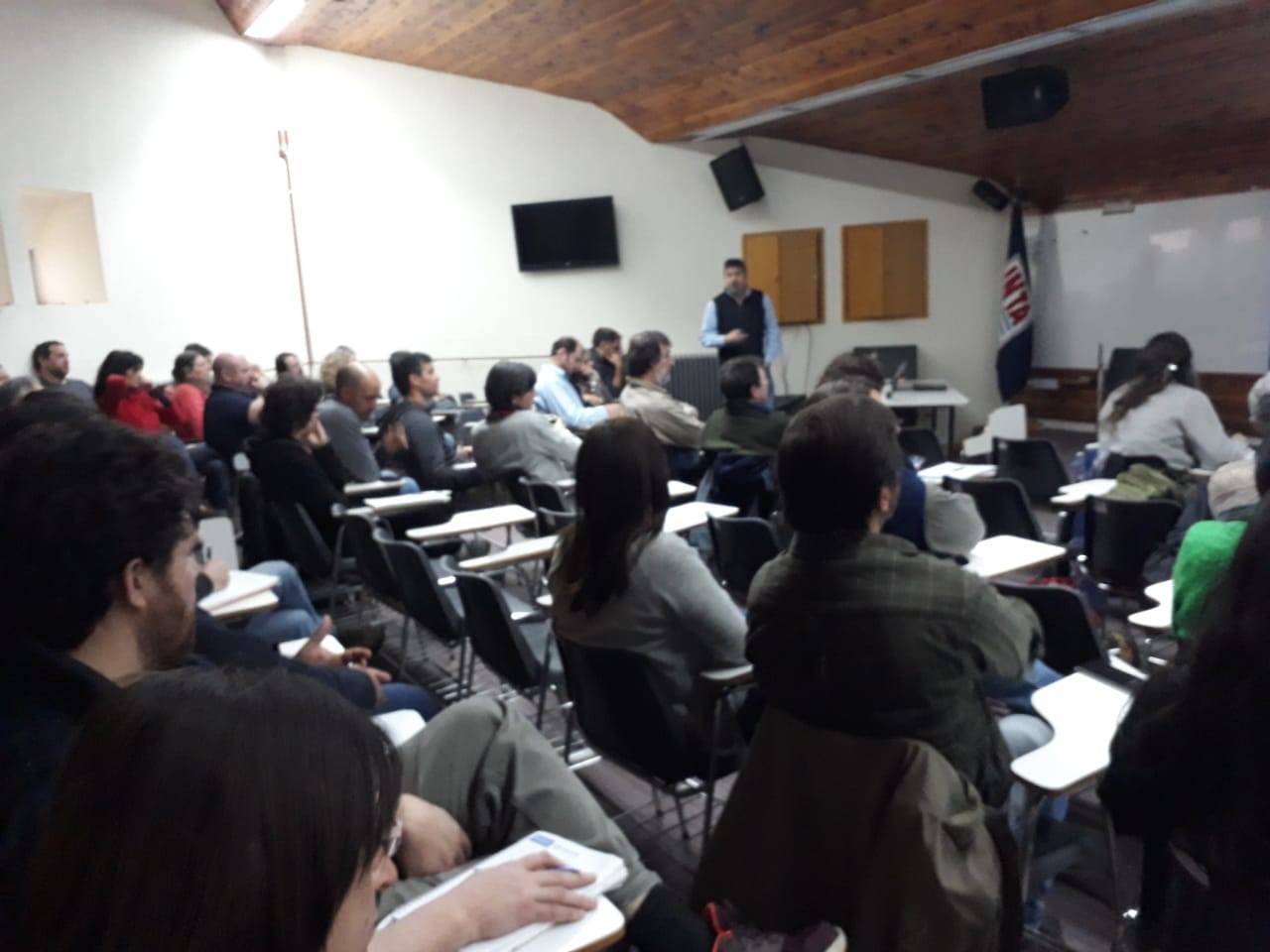
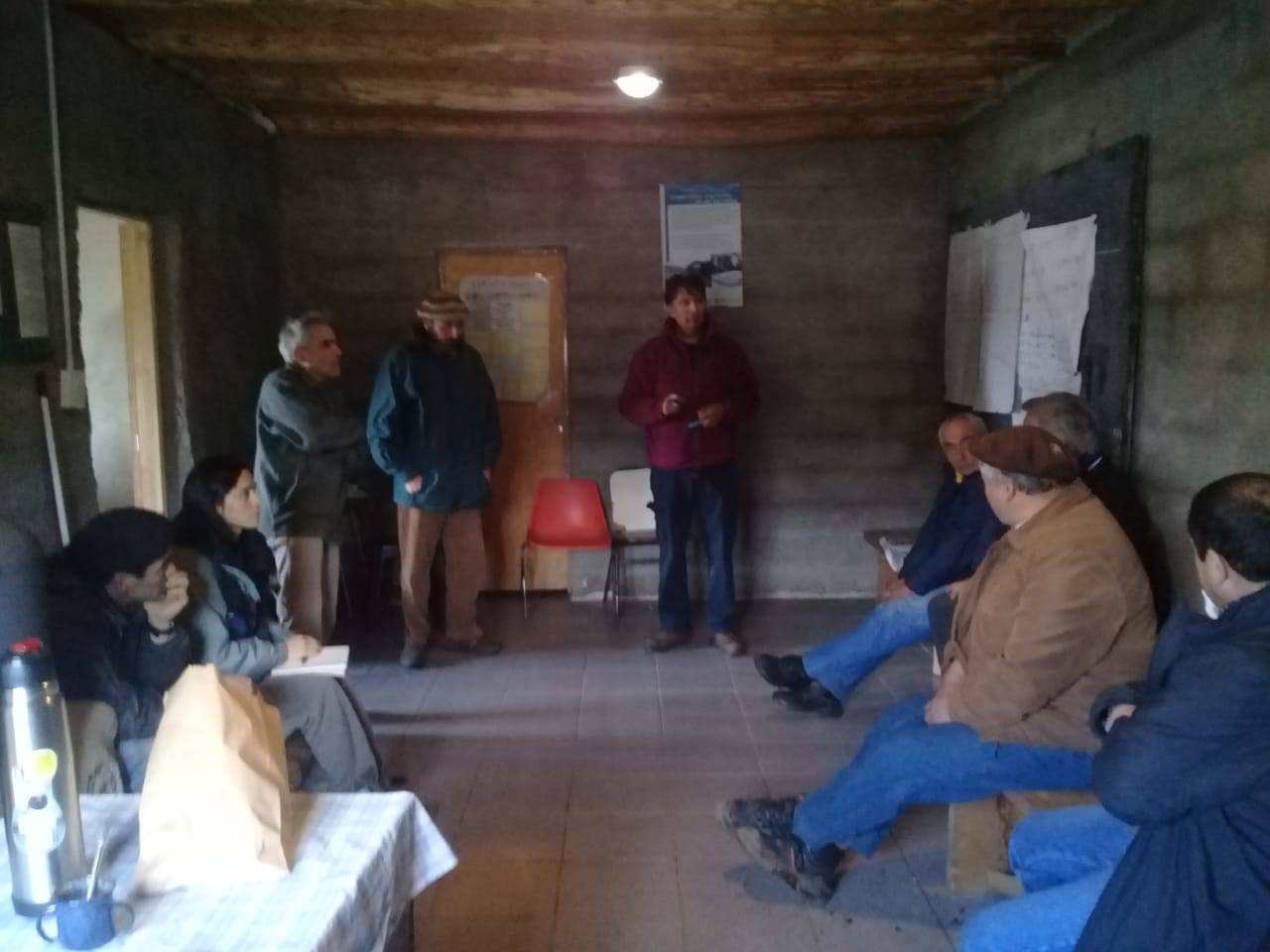
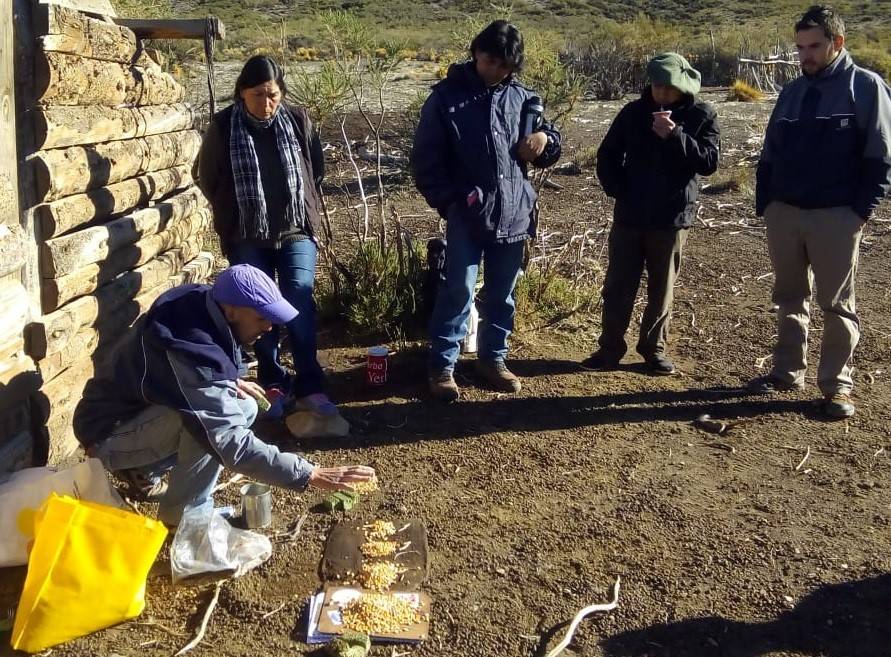
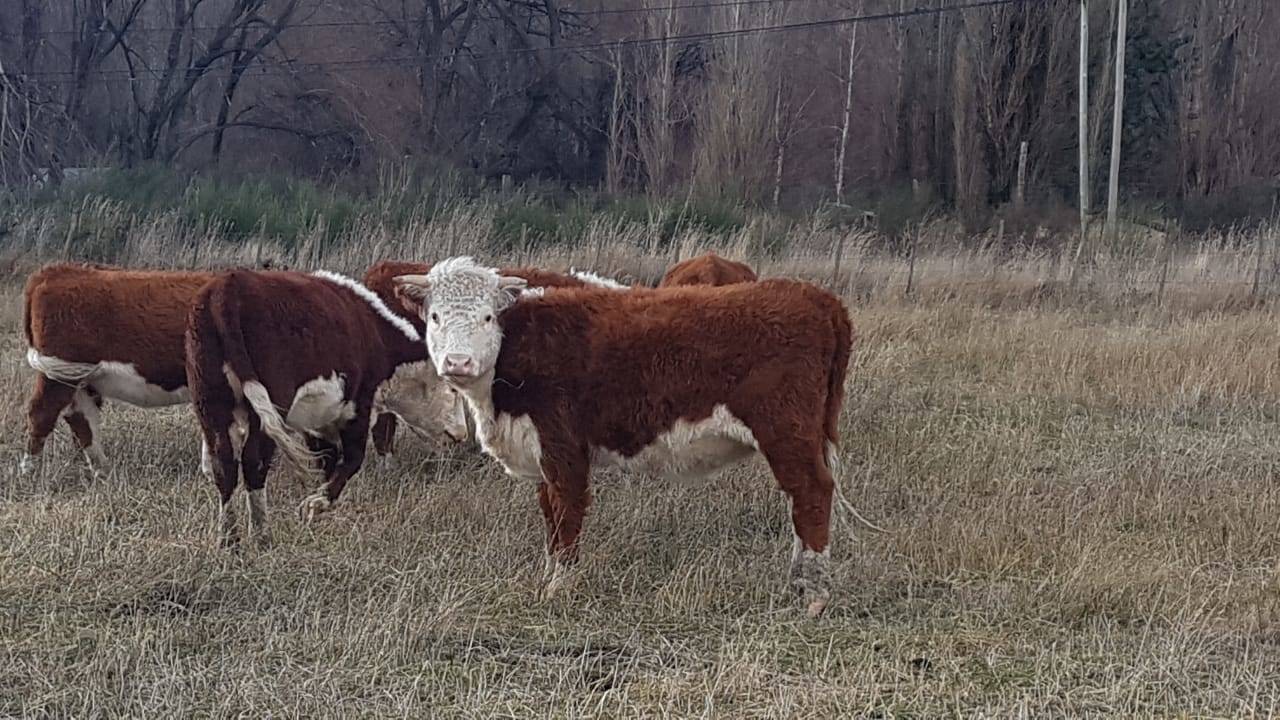
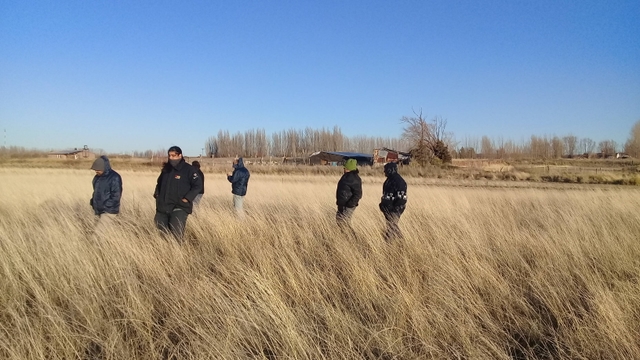
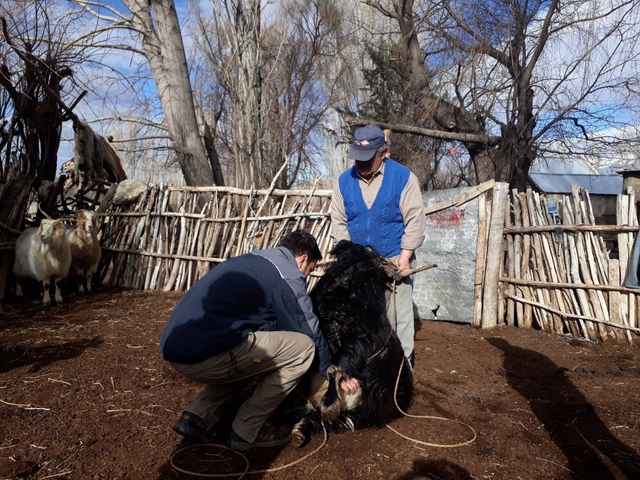
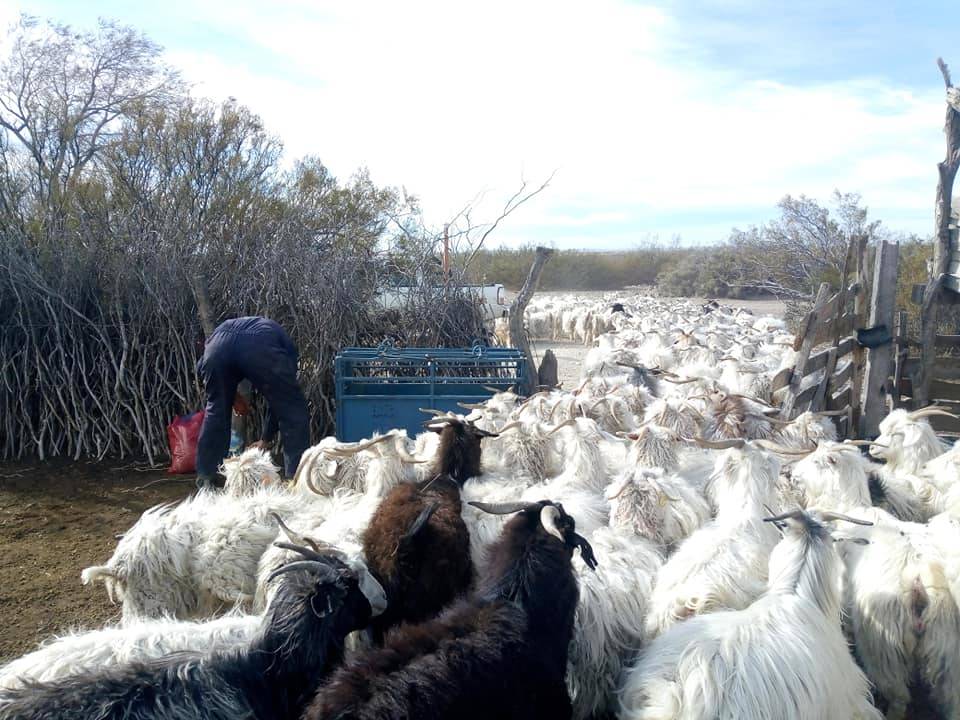
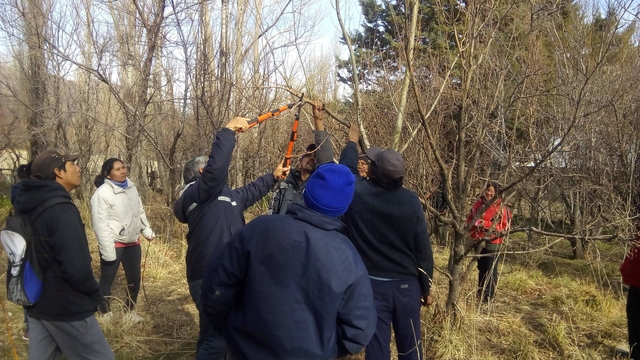
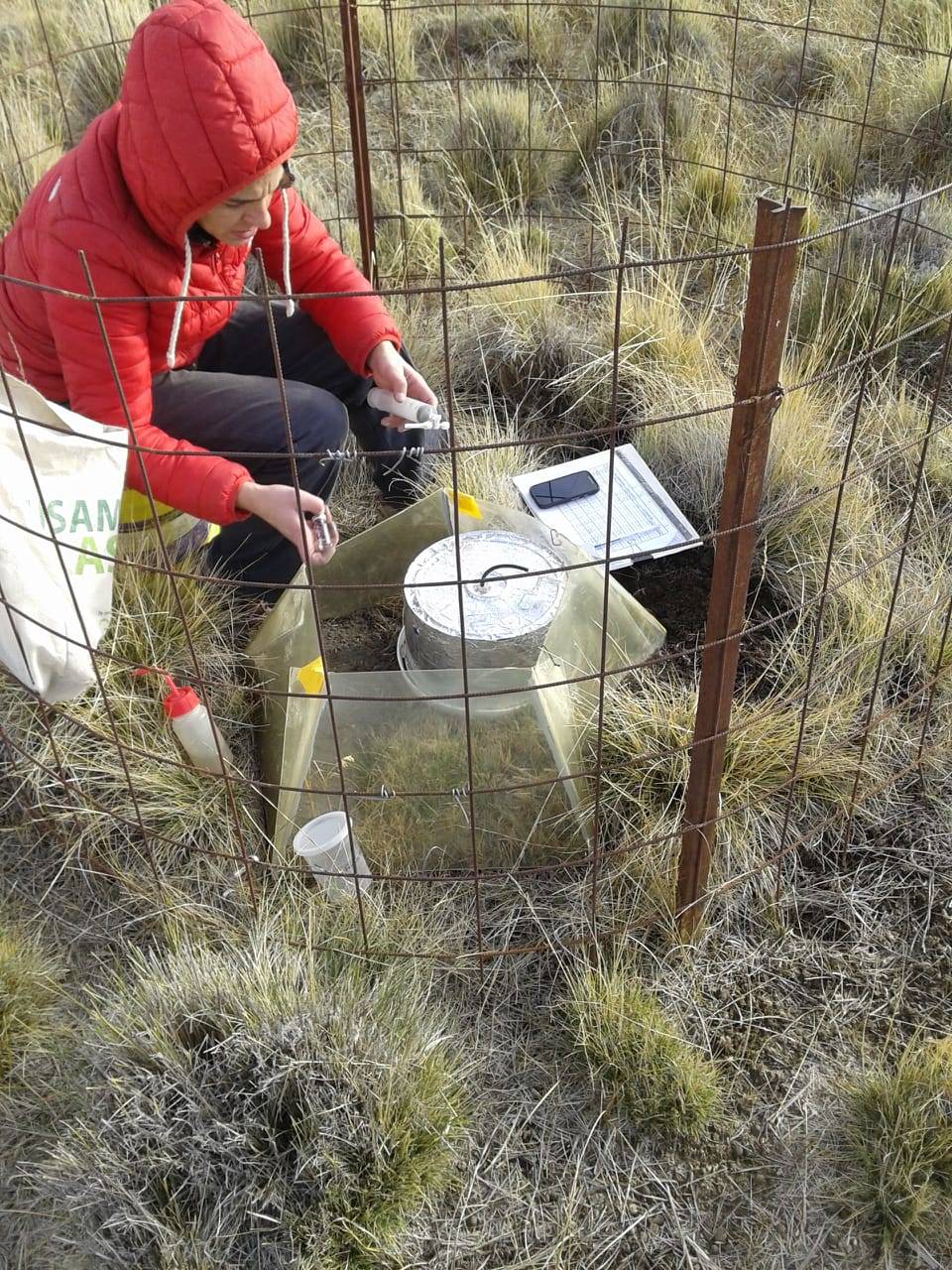
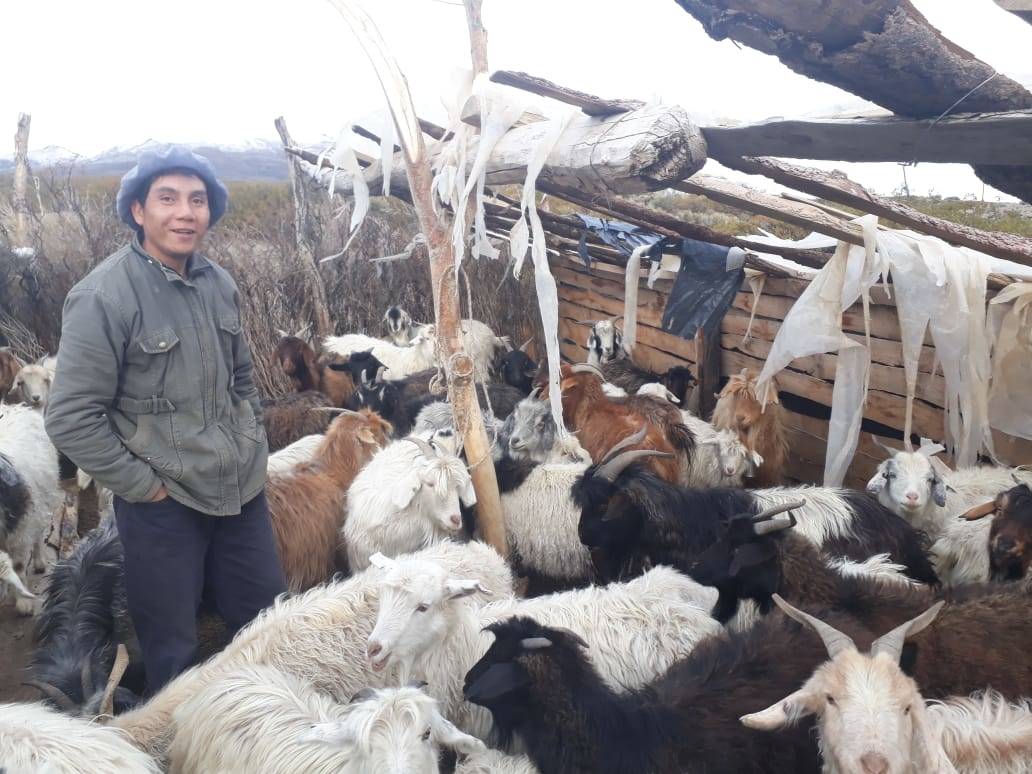
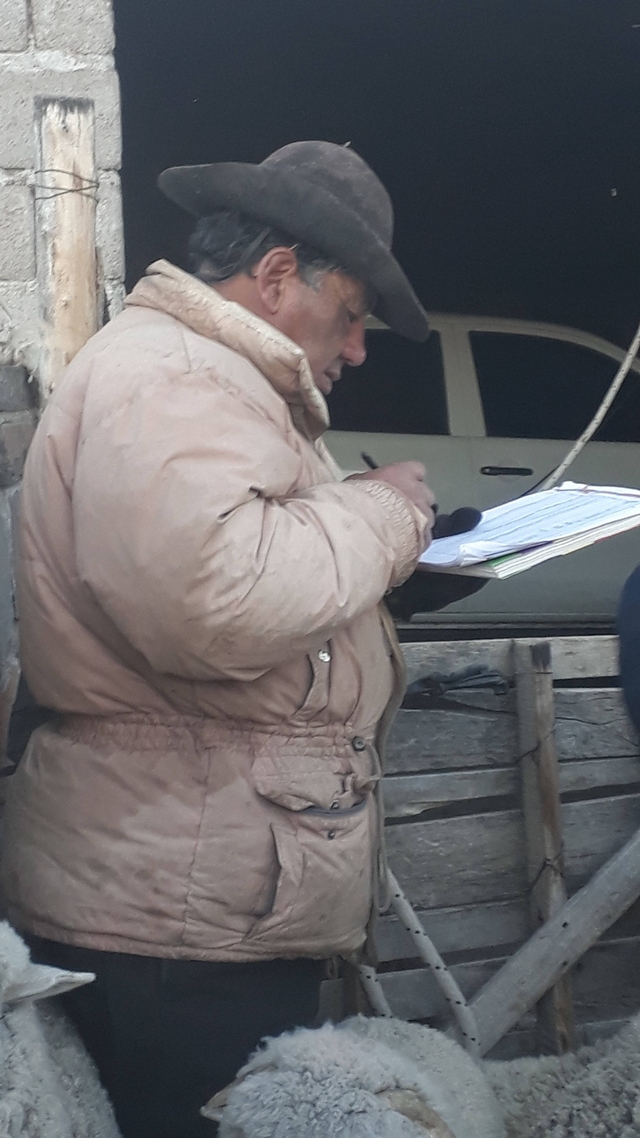
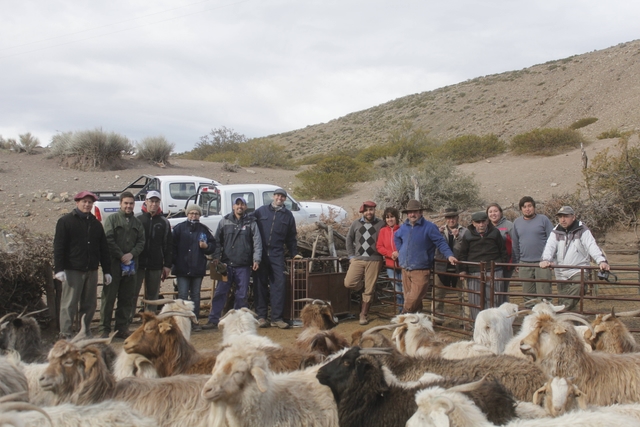
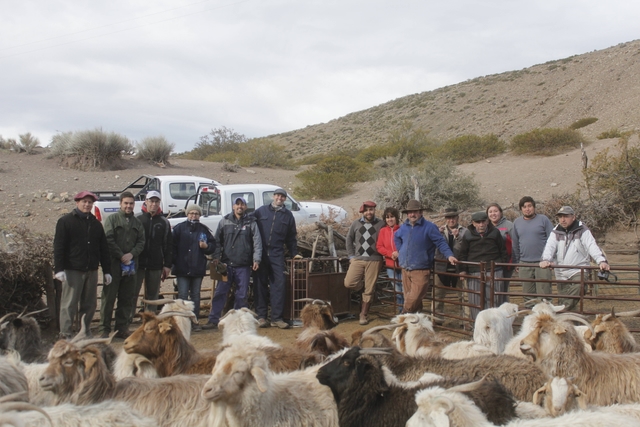
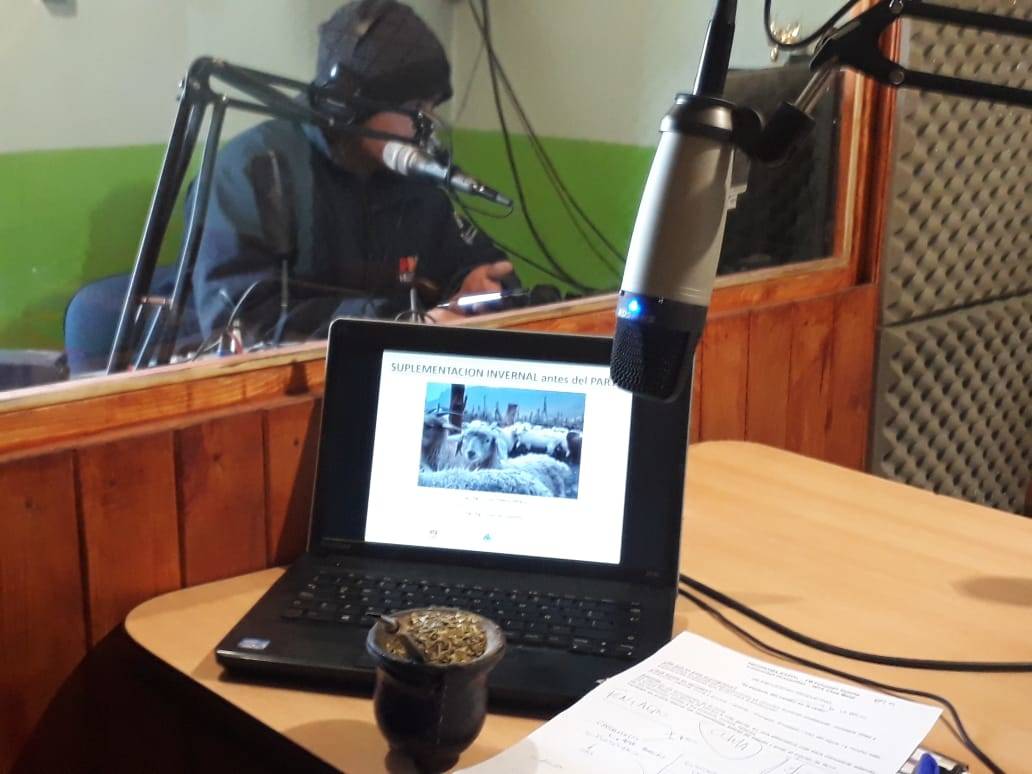
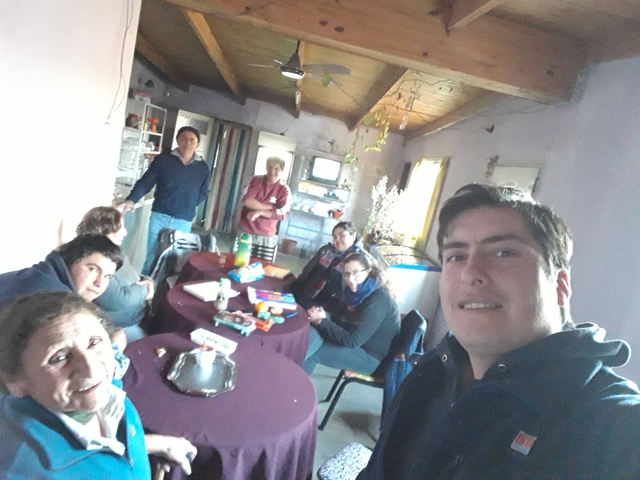
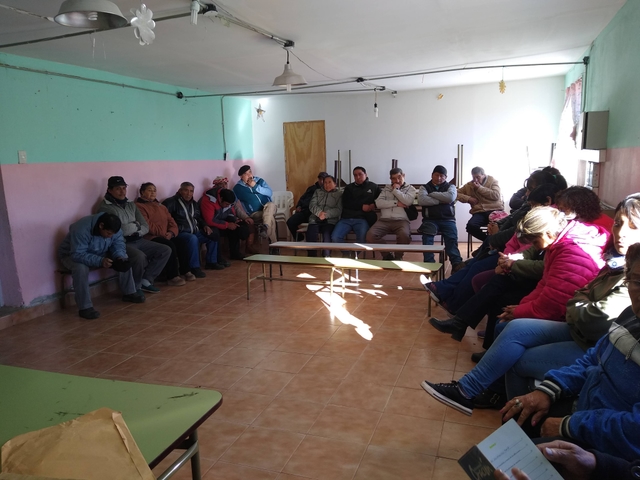
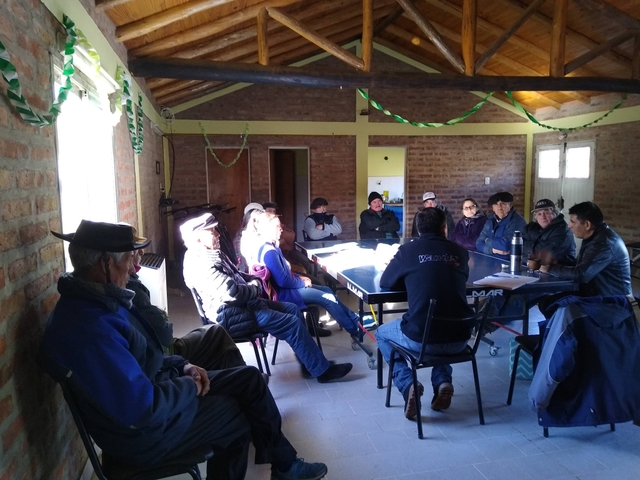
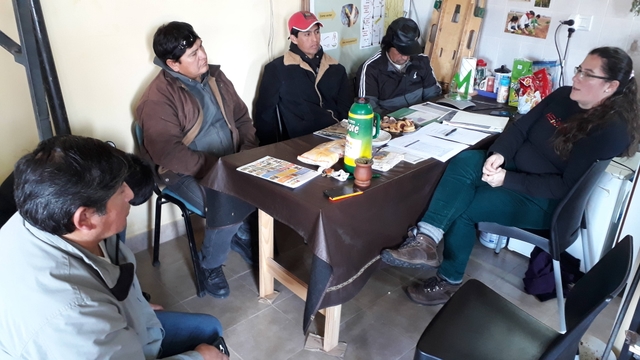
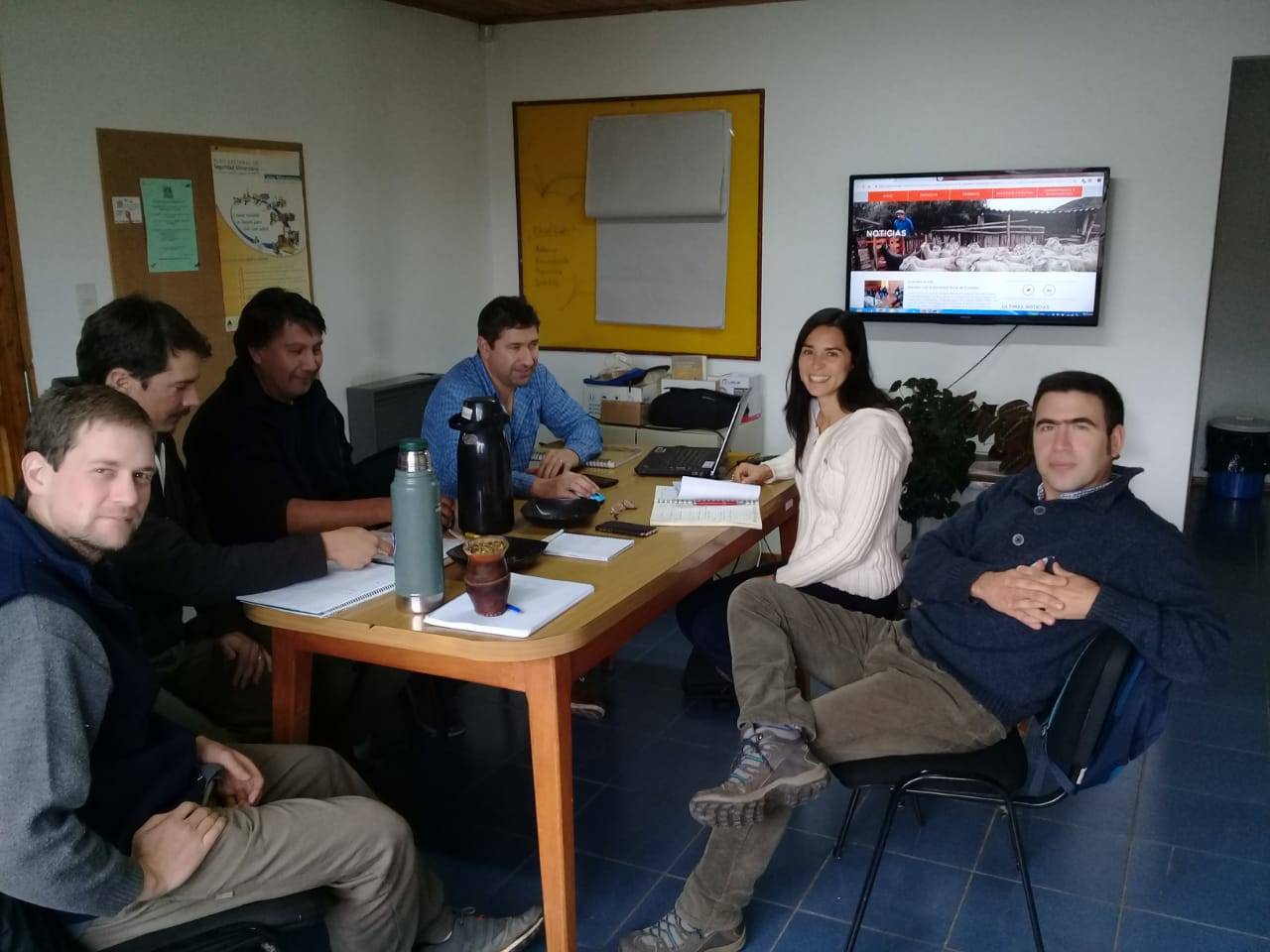
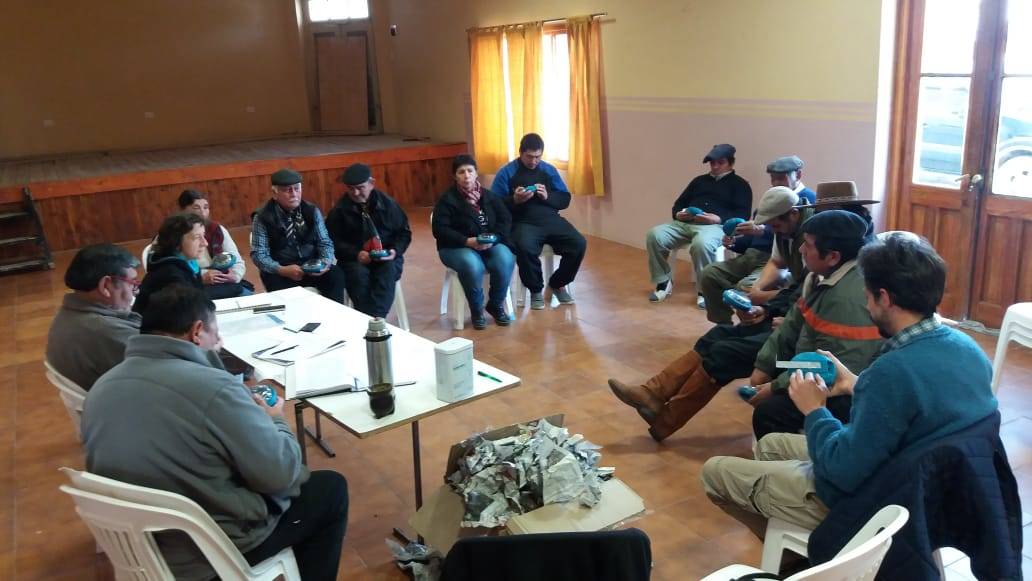
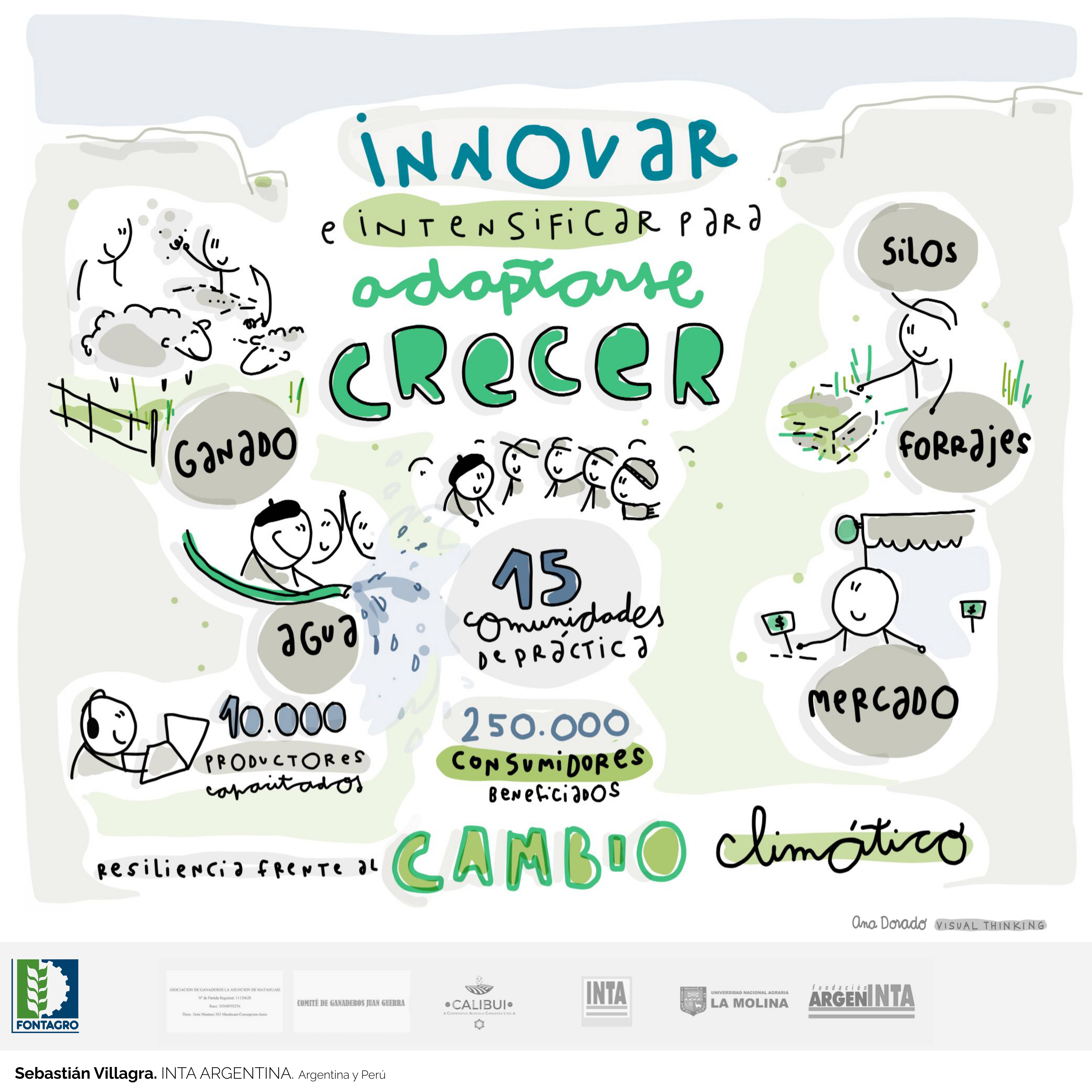
More than 16,000 producers have been trained in management practices for climate change adaptation through different means of dissemination in the 4 regions of the project.
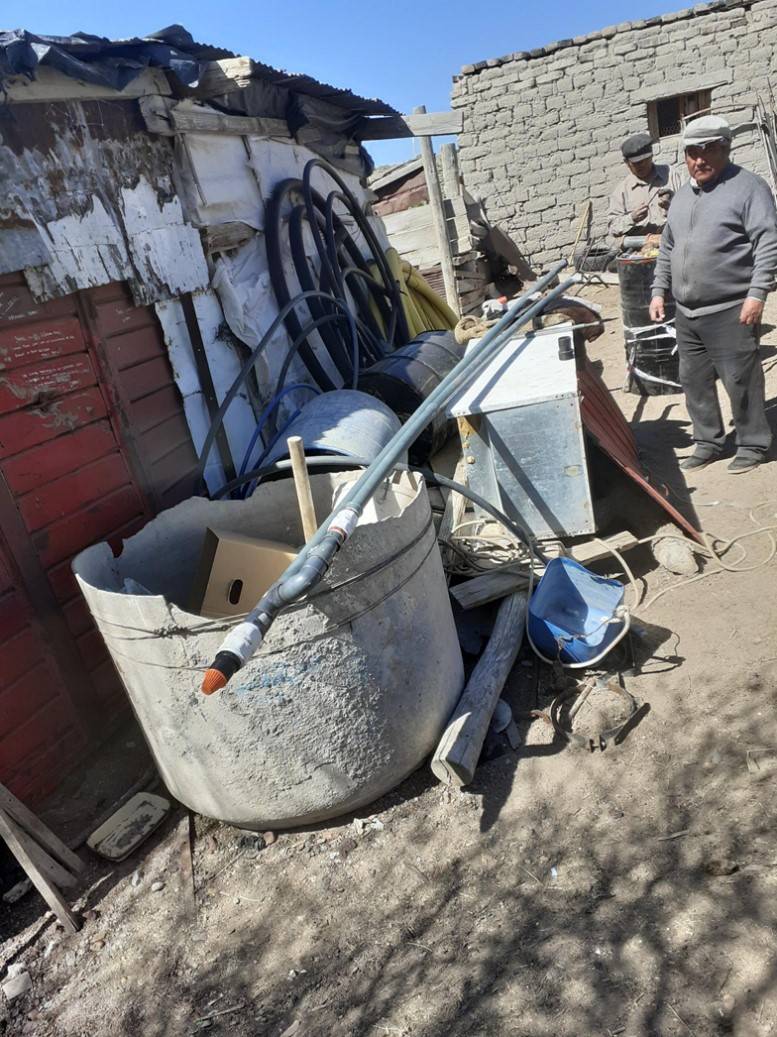
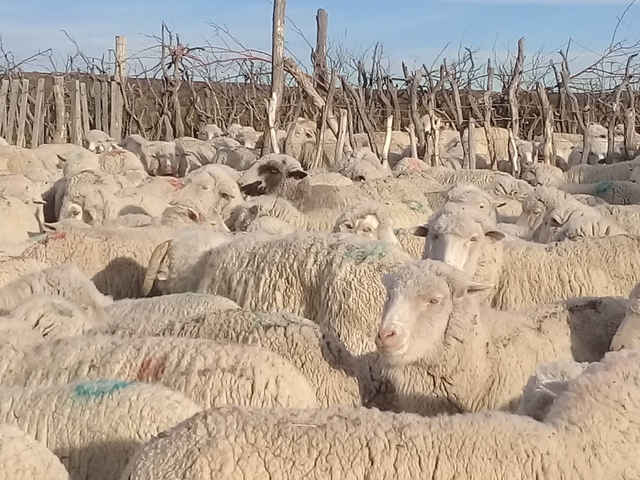
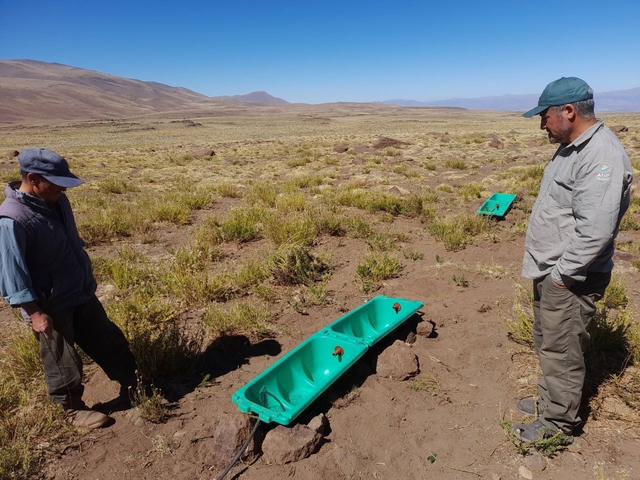
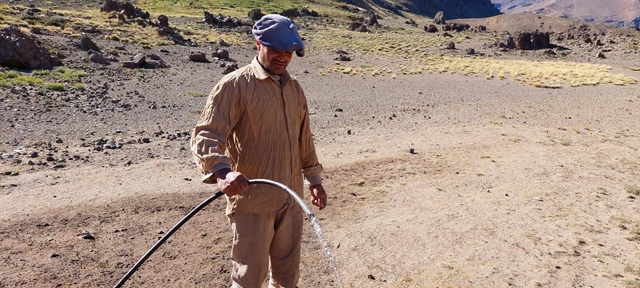
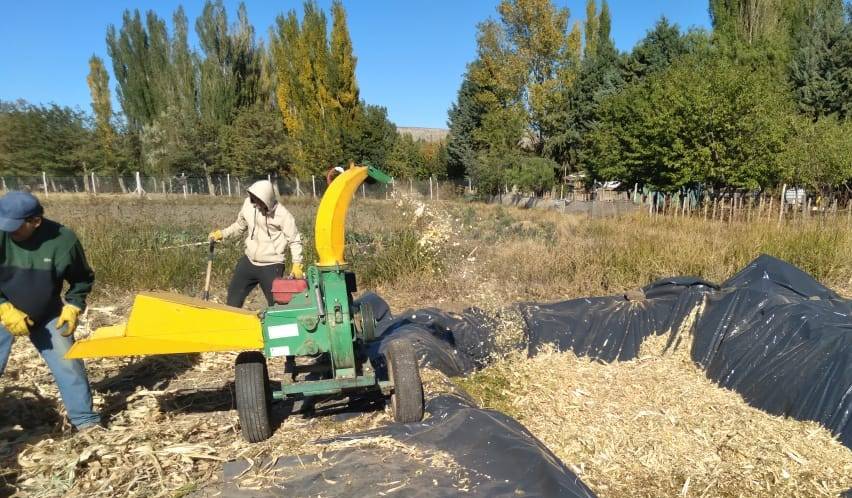
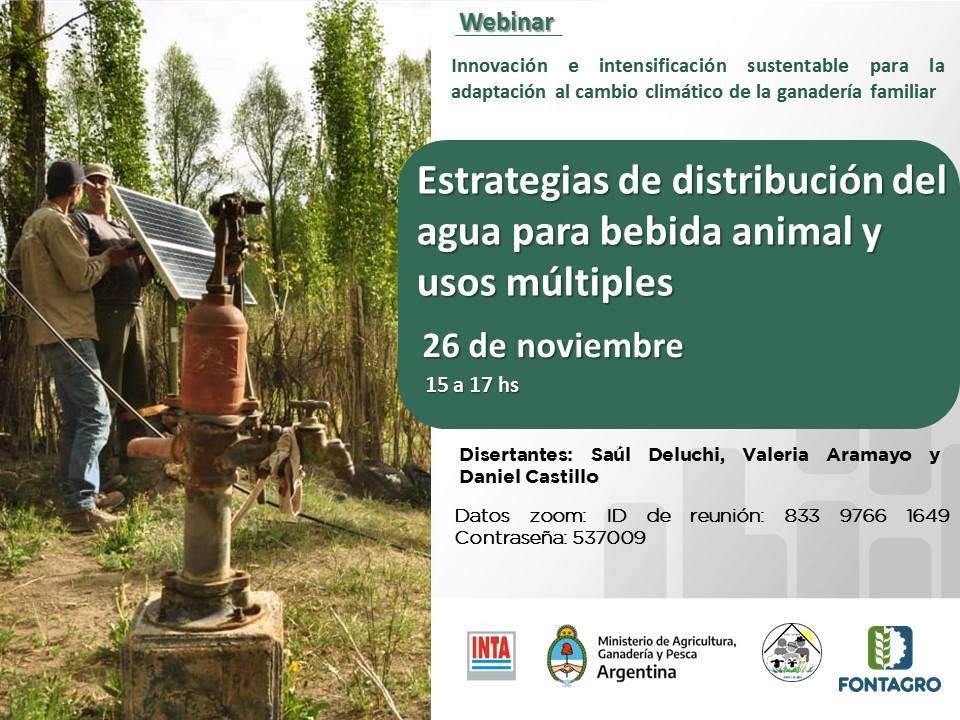
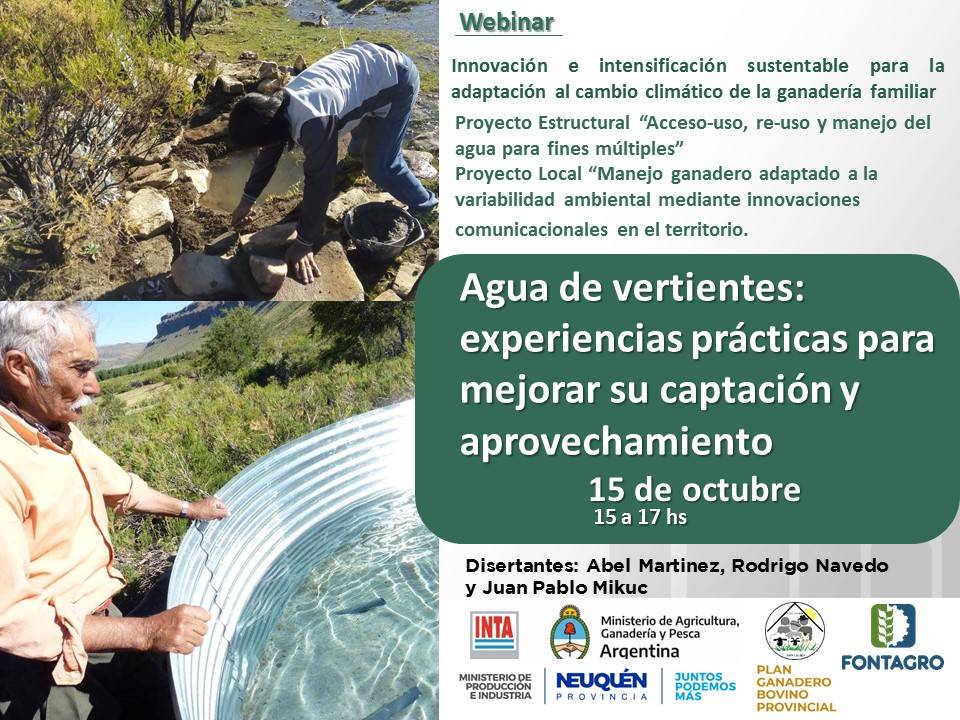
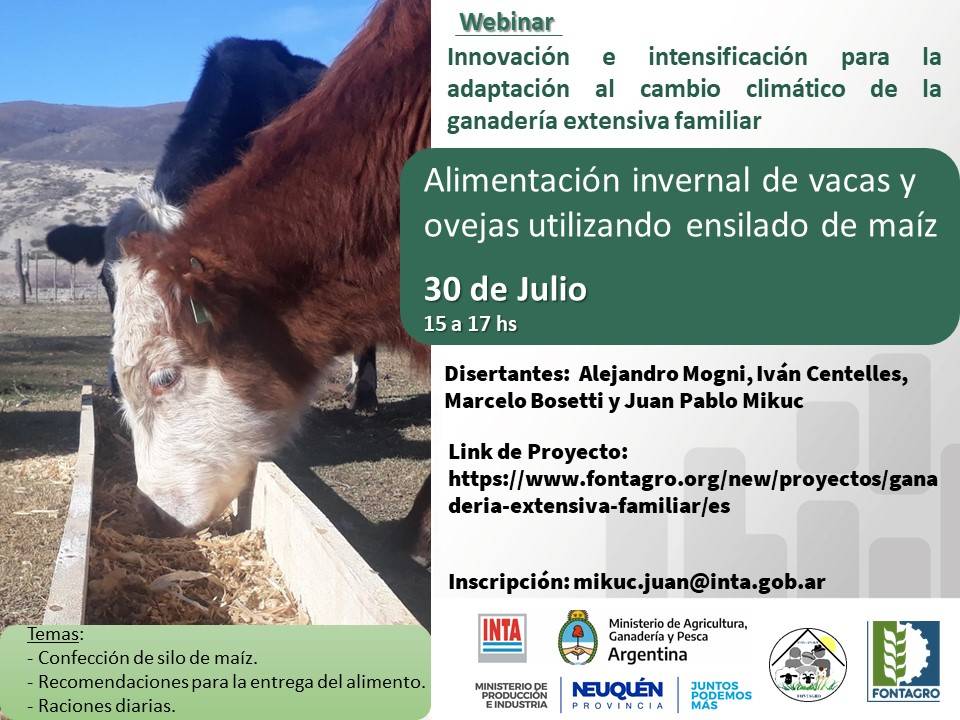
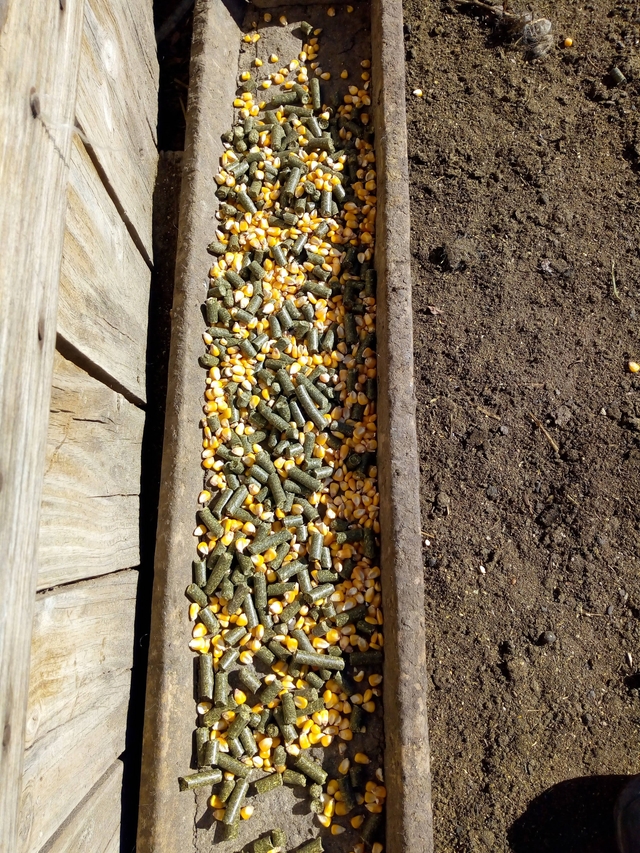
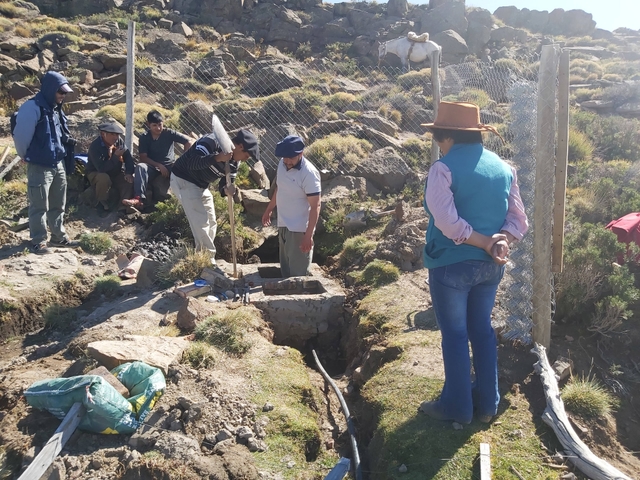
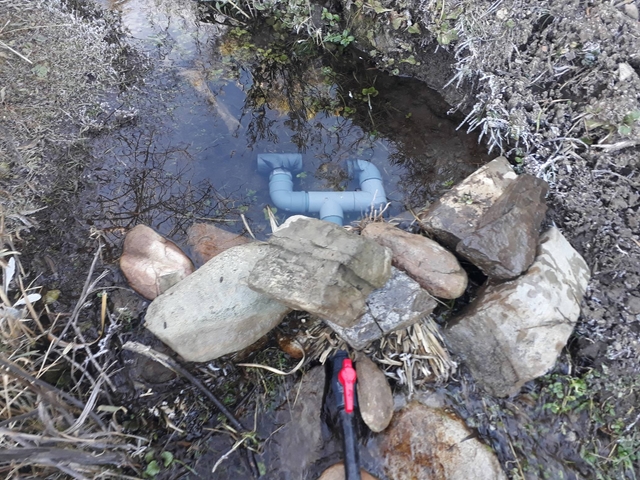
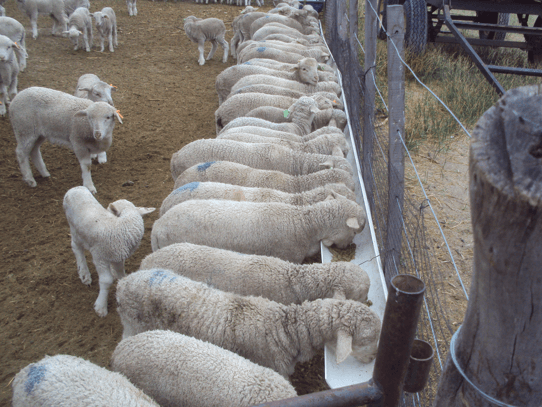
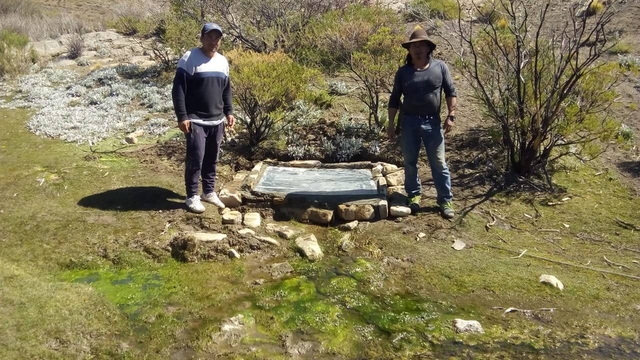
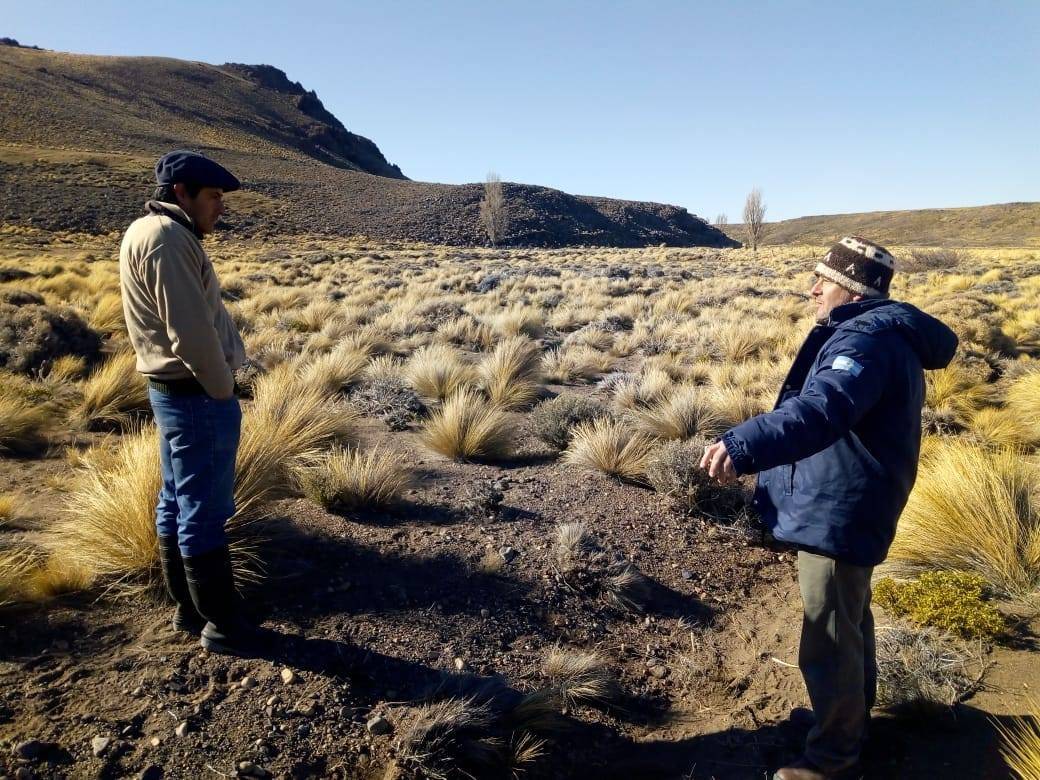
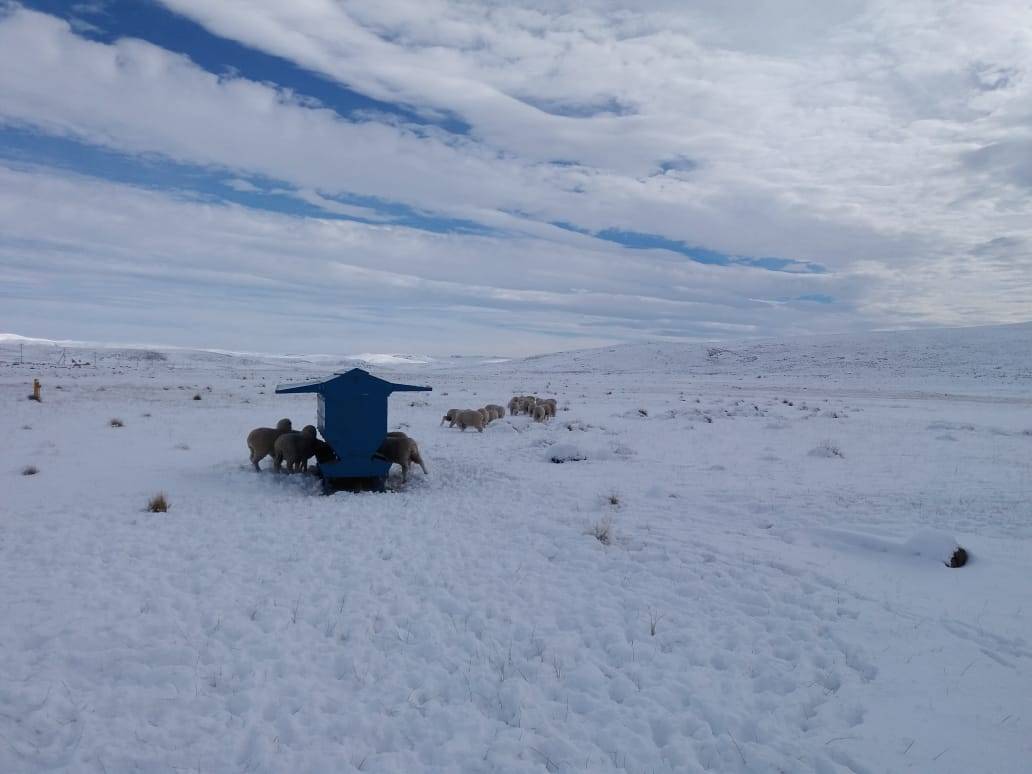
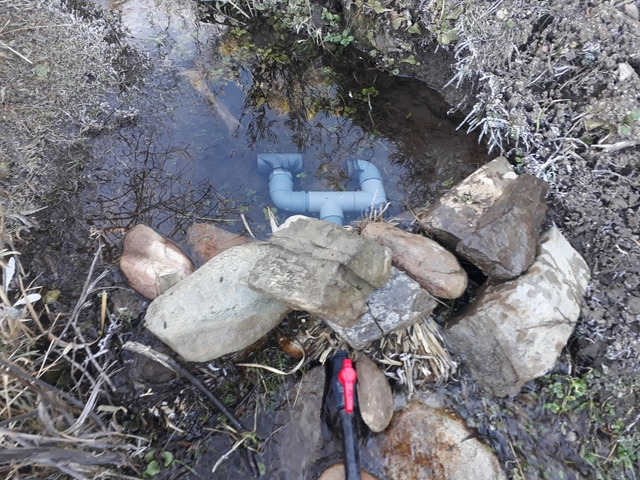
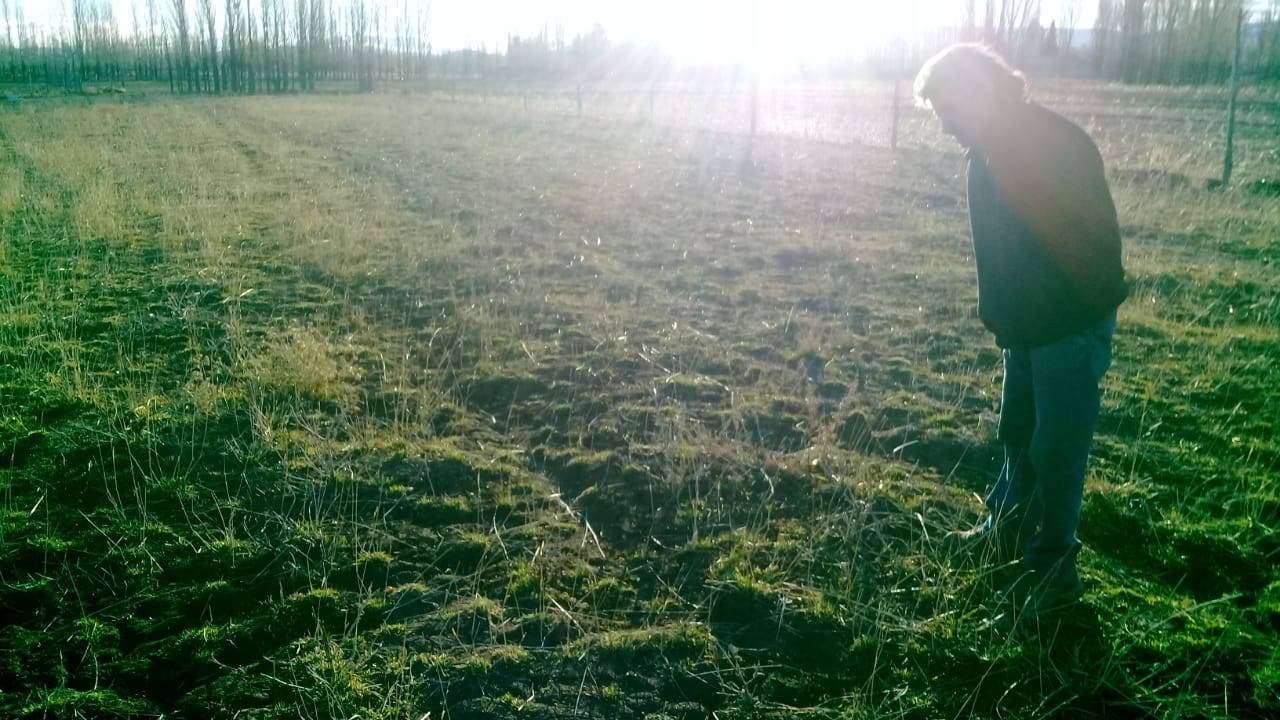
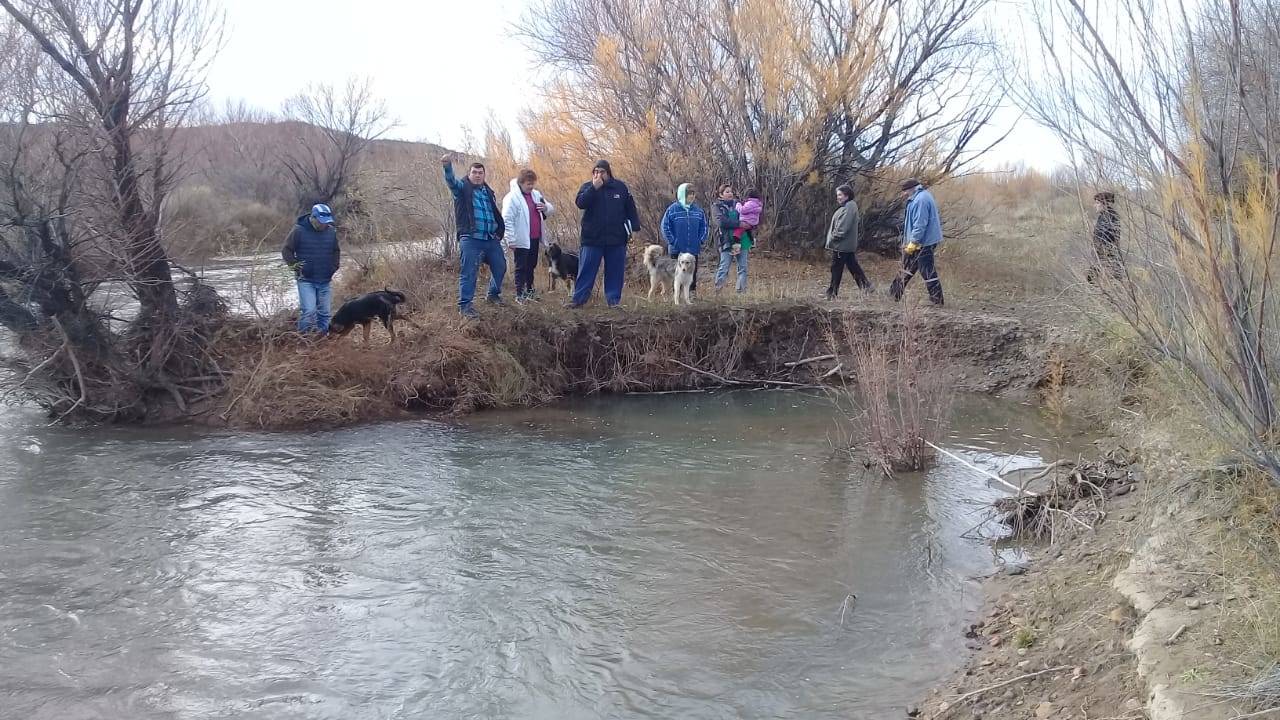
In Argentina, in the project's area of influence, silage production by family livestock farmers has more than doubled thanks to trials and training sessions. The production of forage for baling has increased by 50% in this sector, as have the services related to this activity. In Peru, the incorporation of improved pastures increased forage production in demonstration fields by more than 20% and this had a similar impact on milk production. Through training, the number of farmers willing to invest in improving their pastures is increasing, given the important results obtained in the trials. This has led to an 80% increase in water collection, storage and transport on family farms in some areas (Province of Neuquén, Argentina).
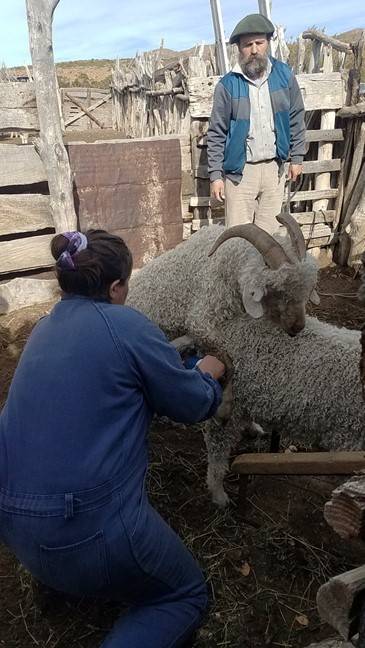
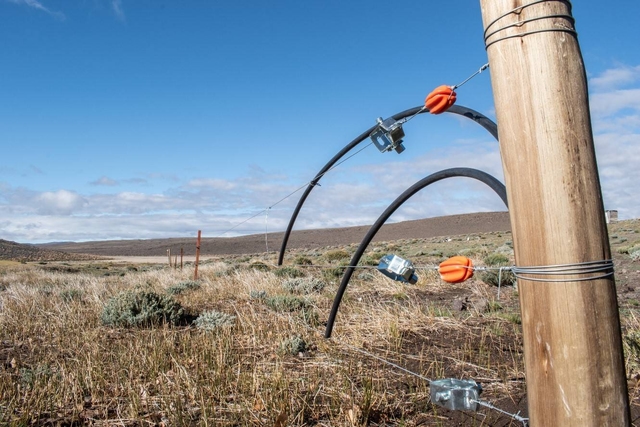
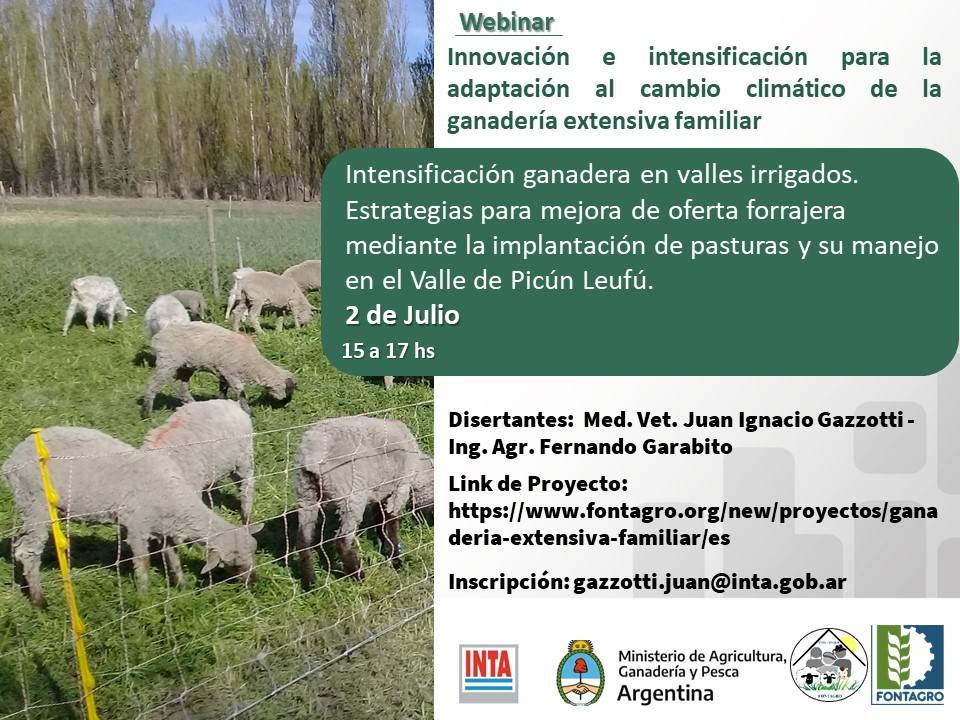
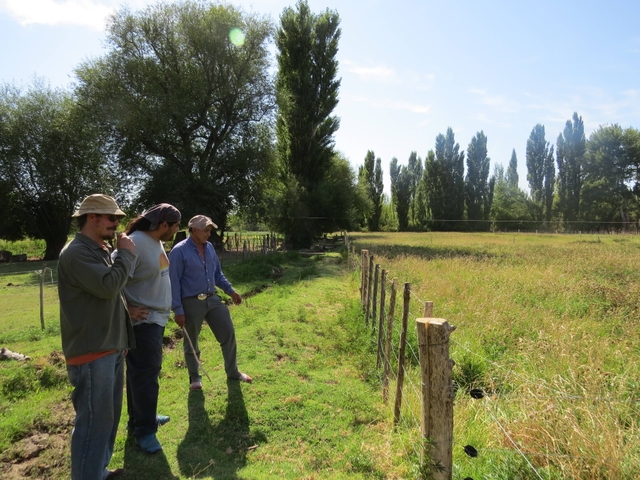
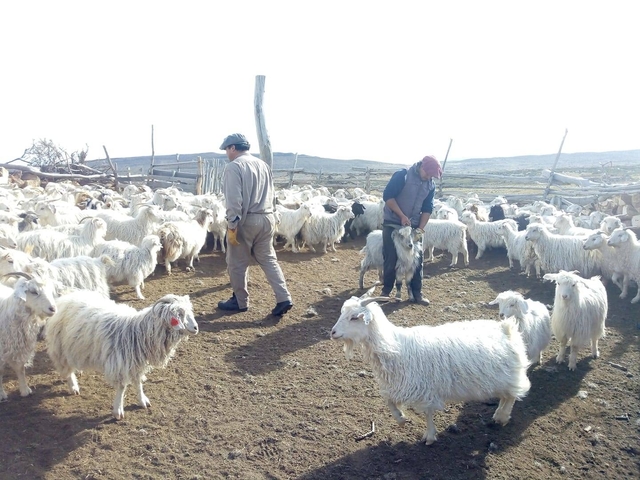
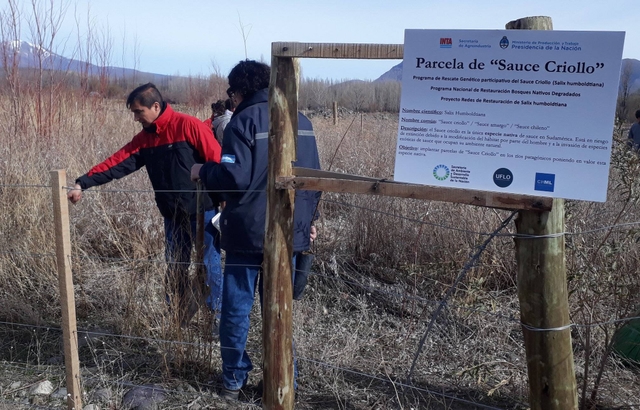
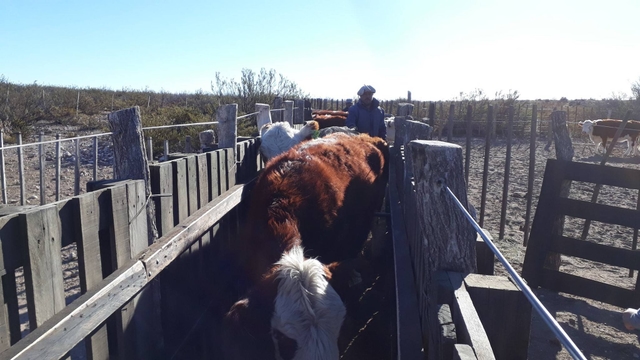
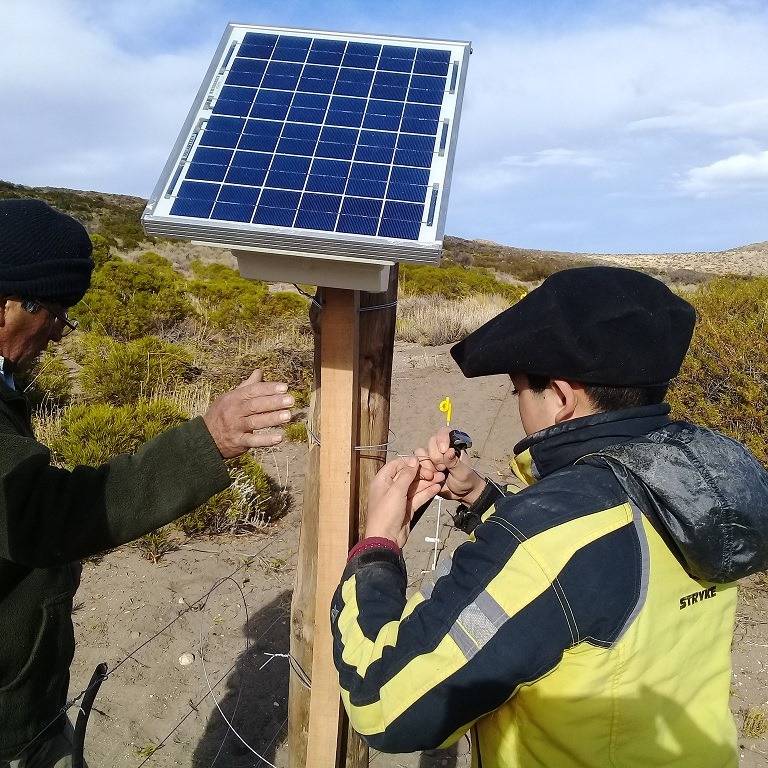
In terms of animal management, there has been a 30% increase in the use of electrically-fenced paddocks, and the demand for training in their installation and maintenance continues to increase.
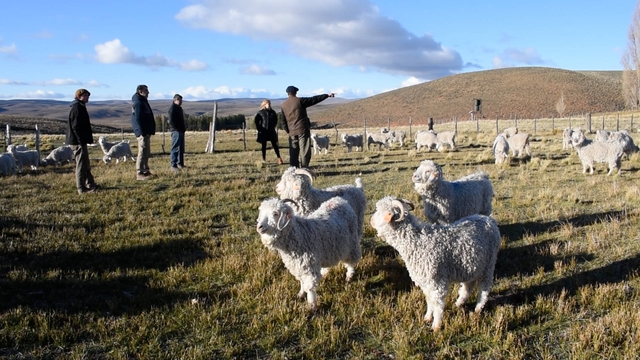
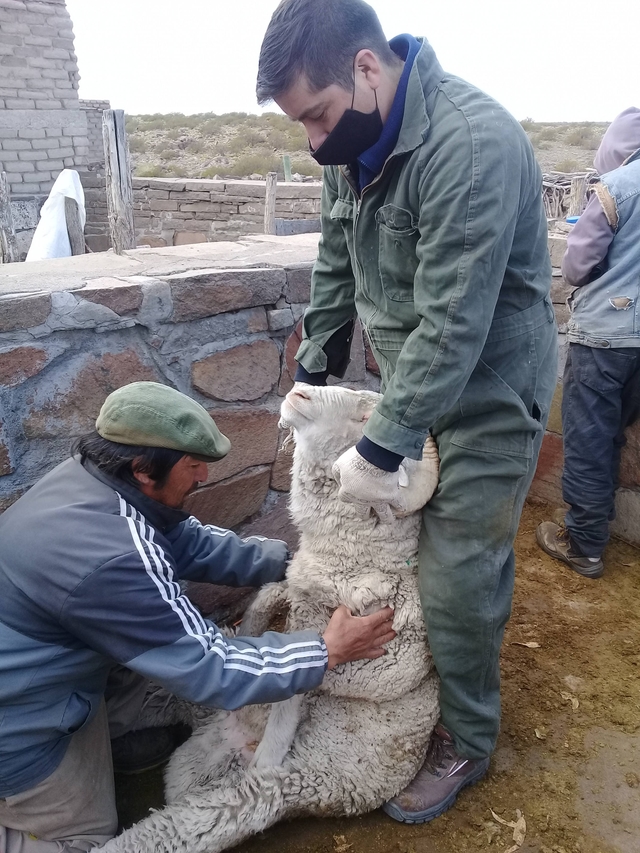
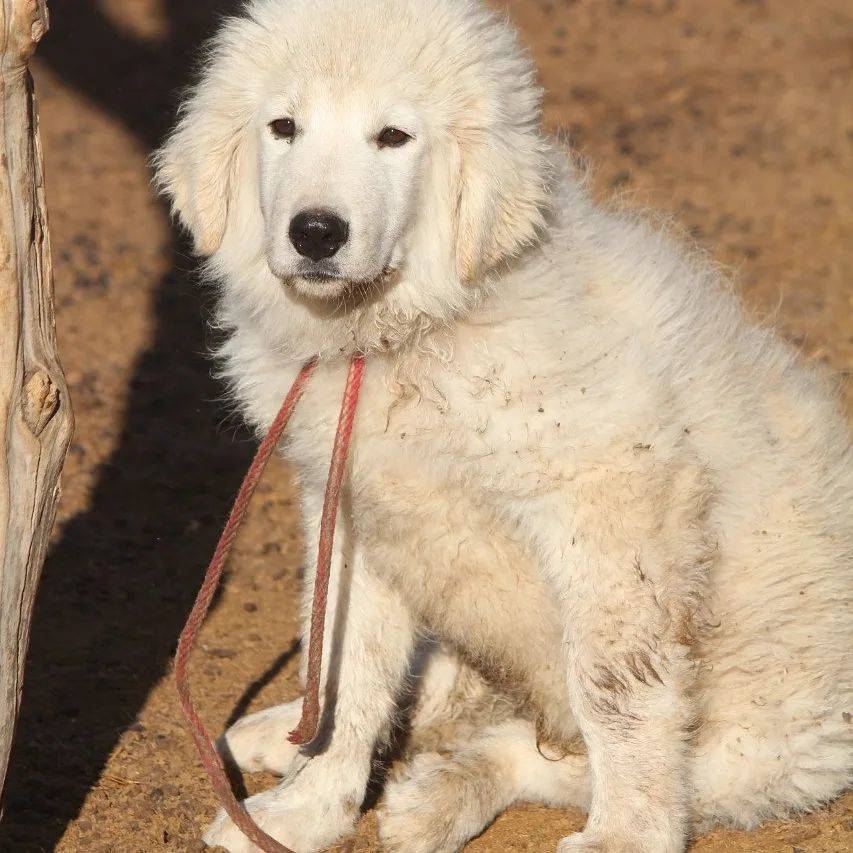
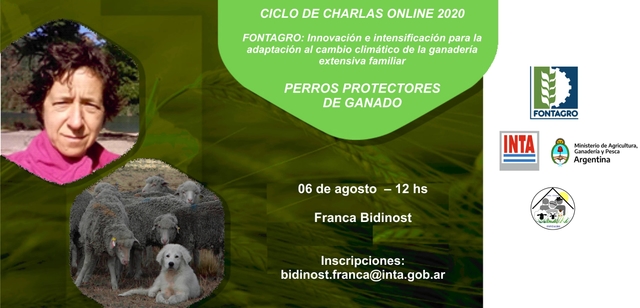
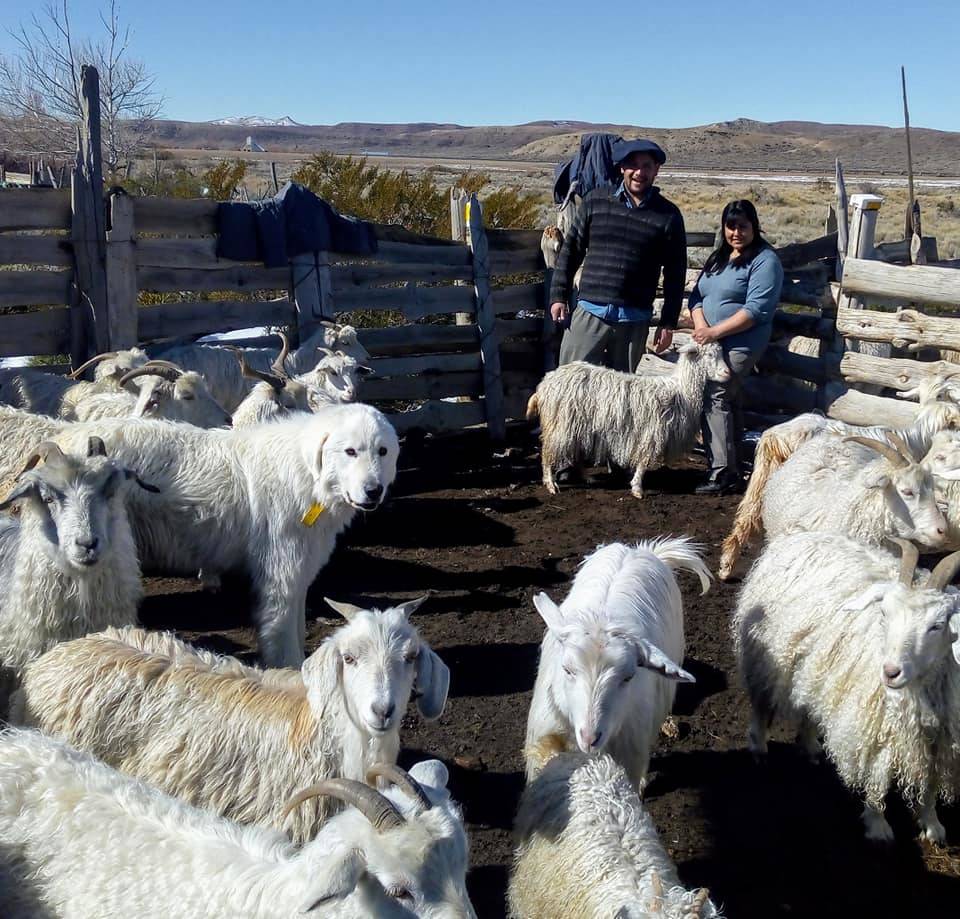
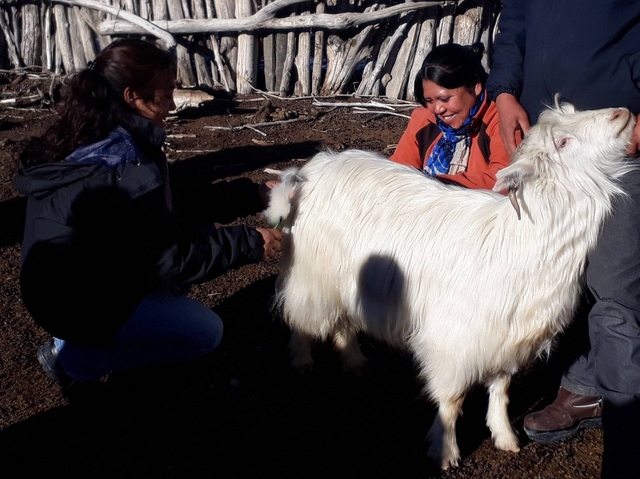
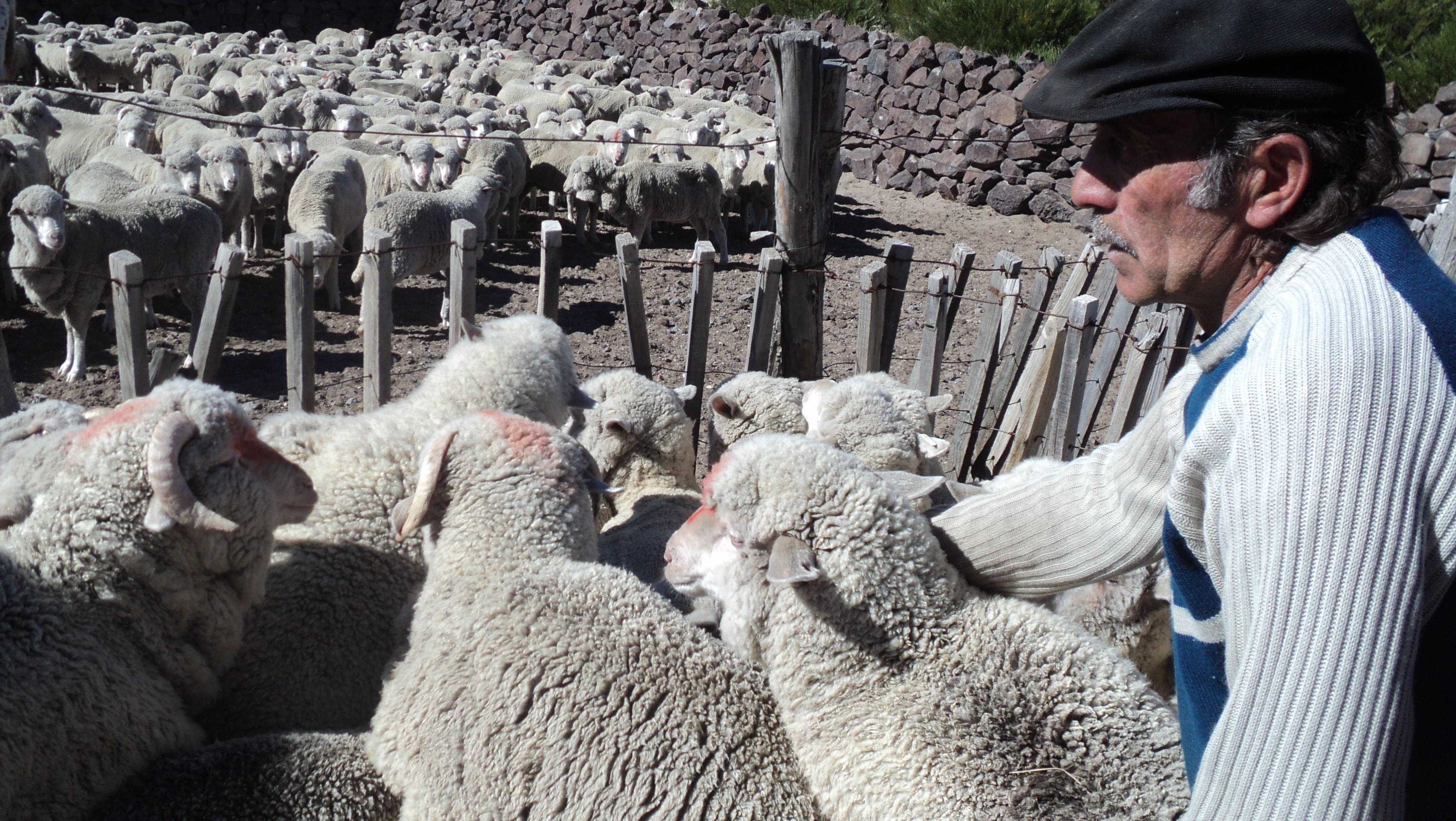
In the province of Neuquén, Argentina, in the face of increased predation, the project supported the breeding of livestock guarding dogs (LGDs) and the training in their correct use. The presence of LGDs in herds of family farmers has increased by 400% so far, and demand is increasing. It is estimated that their presence has reduced predation by more than 50% on farms where this non-lethal method of predation control is used.
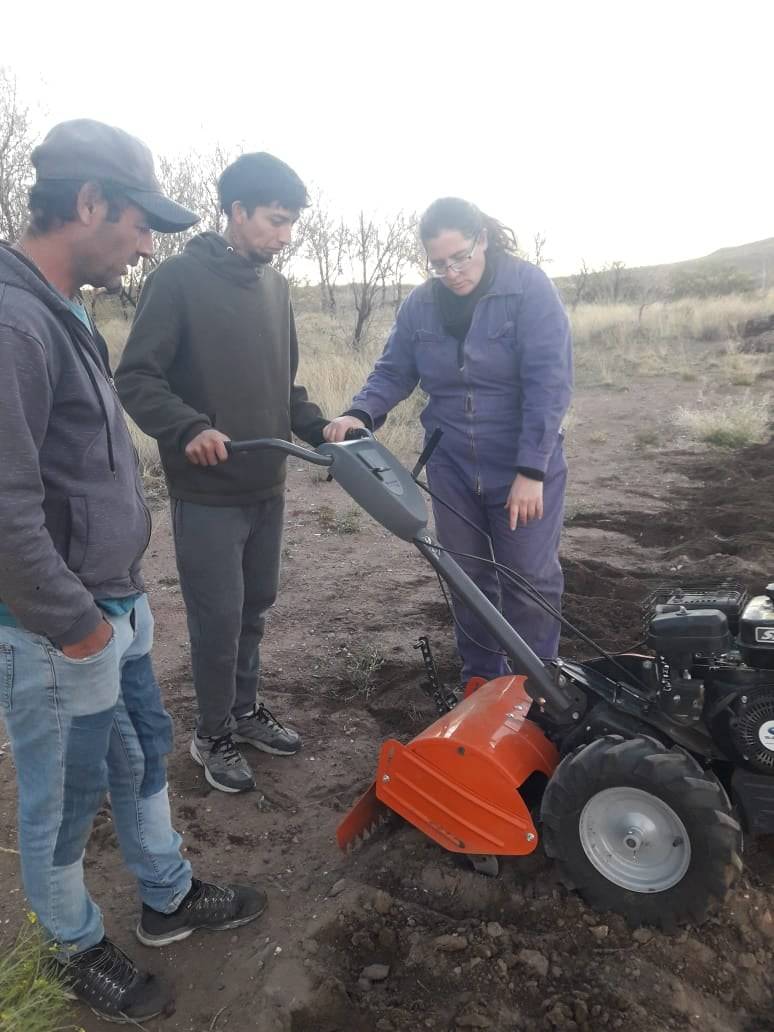
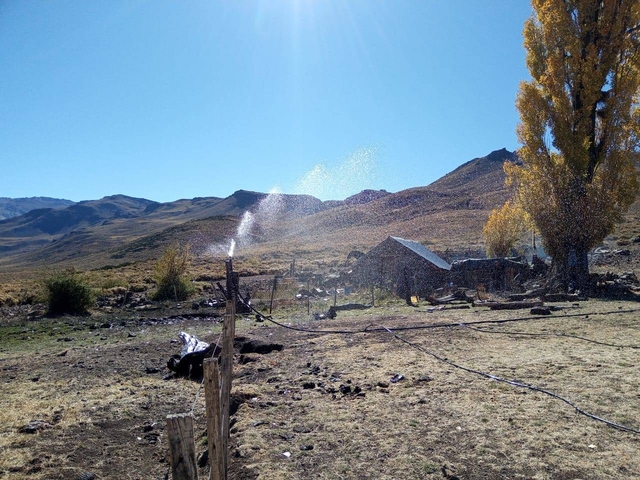
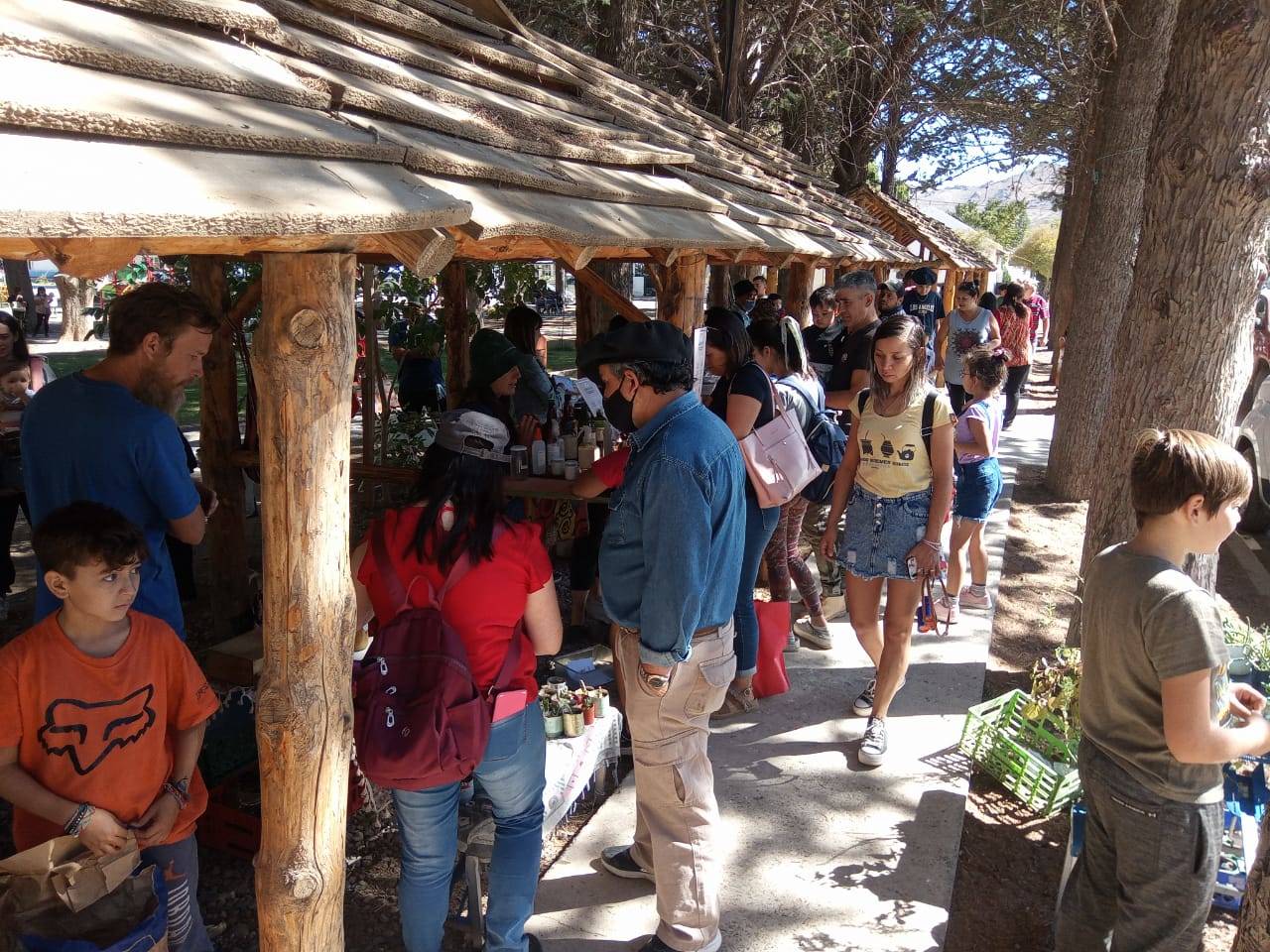
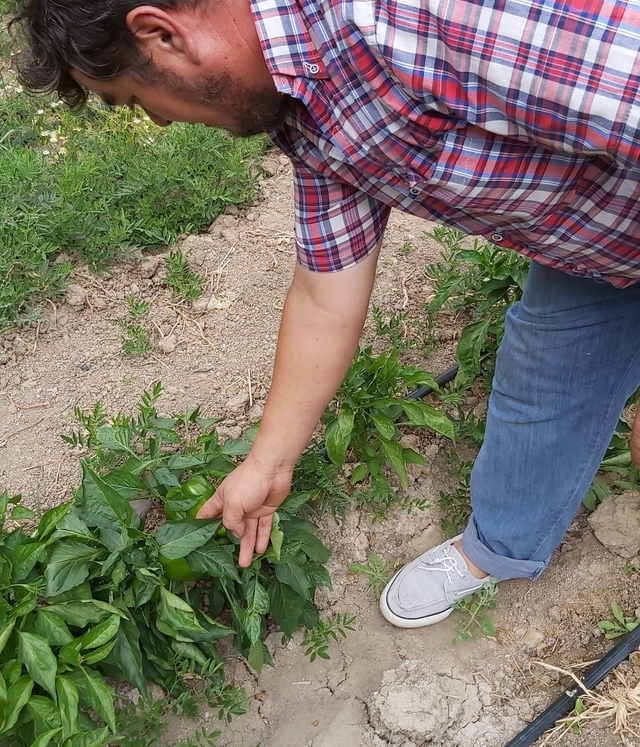
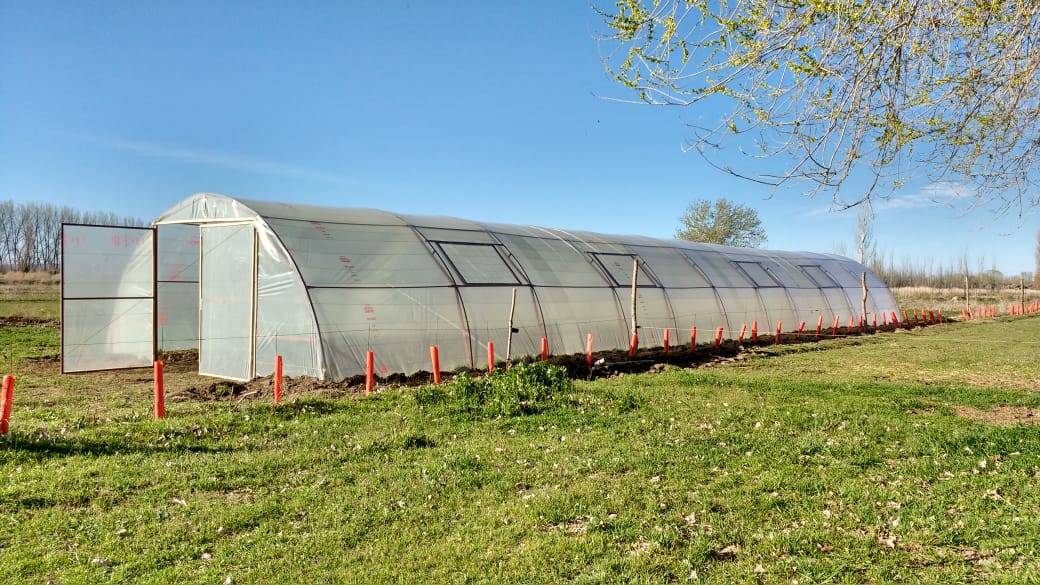
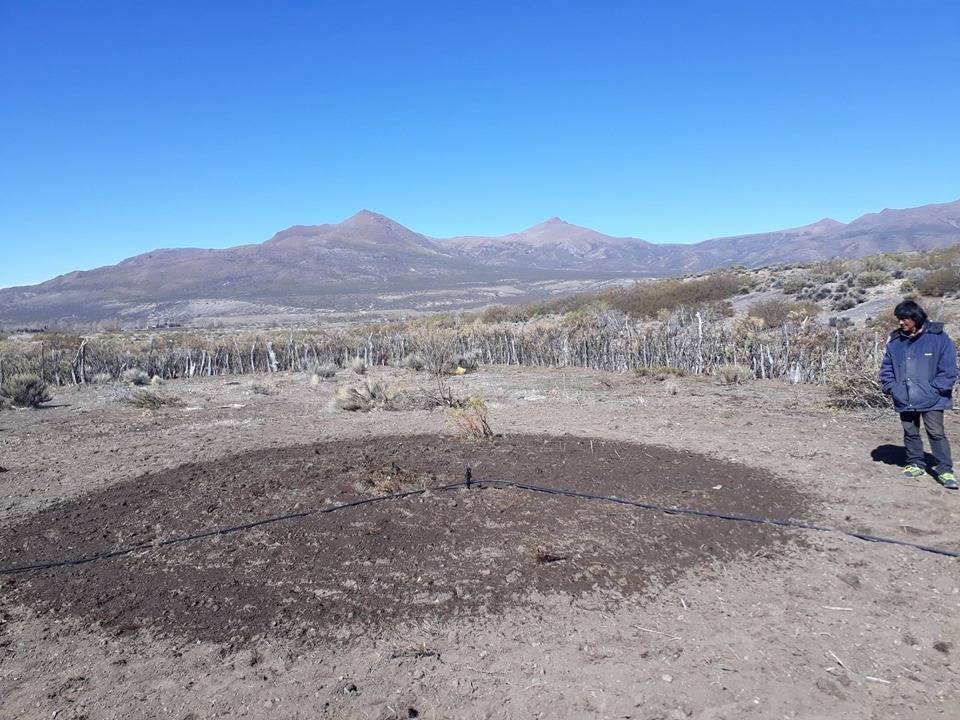
In terms of joint marketing, in Argentina the project has so far accompanied family producers to carry out formal sales of more than 72,000 kg of wool in the 2019-2020 harvest, who doubled their income through this form of marketing. Work continues through training, workshops and informative meetings on the incorporation of more producers given the advantage generated. The installation of drip irrigation systems in demonstration farms, the adjustment of their management by family farmers and subsequent on-site training of different trial communities and the public in general allowed an increase of more than 50% in vegetable production in areas where this technology was incorporated and this in turn increased the presence of fresh produce at local fairs and even the sale of surpluses to other regions by more than 60%. In Peru, there has been a 15-20% increase in milk production from producers trained by the project.
This project actively contributes to achieving the Sustainable Development Goals, promoting more equitable, resilient, and sustainable regional development.

The tangible impact of science and technology in the field
Sponsors


With the support of

Sebastián Villagra
ArgentinaCecilia Conterno
ArgentinaDaniel Castillo
ArgentinaEzequiel Gonzalez
ArgentinaFranca Bidinost
ArgentinaJavier Ferrari
ArgentinaNicolas Giovannini
ArgentinaLaura Borrelli
ArgentinaMarcela Cueto
ArgentinaMarcela Larroza
ArgentinaAgustín Martínez
ArgentinaJimena Fernández
ArgentinaMacarena Bruno-Galarraga
ArgentinaLeonardo Claps
ArgentinaOctavio Bruzzone
ArgentinaPablo Gáspero
ArgentinaEnrique R. Flores Mariazza
PerúJosé A. Ruiz Chamorro
PerúRemzi F. Zárate Díaz
PerúBrian M. Sono Albinagorta
PerúAndres Gaetano
ArgentinaHilda Rocio Alvarez
ArgentinaIvan Centelles
ArgentinaJuan Ignacio Gazzotti
ArgentinaJulio Ojeda
ArgentinaMarcos Elixer Quilaleo
ArgentinaJuan Pablo Mikuc
ArgentinaPaula Ocariz
ArgentinaRaul Esteban Reuque
ArgentinaCarlos Aden Reising
ArgentinaRodrigo Navedo
ArgentinaSaul Gaston Deluchi
ArgentinaPablo Tittonell
ArgentinaVirginia Velasco
ArgentinaPablo Valiña
ArgentinaAndrea Cardozo
ArgentinaAlejandro Mogni
ArgentinaAbel Martínez
ArgentinaValeria Fernández-Arhex
ArgentinaFernando Umaña
ArgentinaMaría Ines Maldonado
ArgentinaPaula Lagorio
ArgentinaSantiago Marciani
ArgentinaSofía Hara
Argentina


.png&w=384&q=75)