Sustainably intensify production in the Latin America by incorporating adapted sorghum genotypes to increase productivity, resilience, and sustainability of production systems

Agricultural systems in Latin America, such as the Central American Dry Corridor, are severely affected by cyclical droughts and extreme weather events driven by climate change. As a result, the livelihoods and food security of local populations are strongly impacted. Incorporating crops with high tolerance to water deficit, high water use efficiency, and significant carbon input to the soil into the region's production systems will enable the sustainable intensification of agricultural production, contribute to the food security of local populations, and reduce agricultural emissions.
Sustainable intensification of production
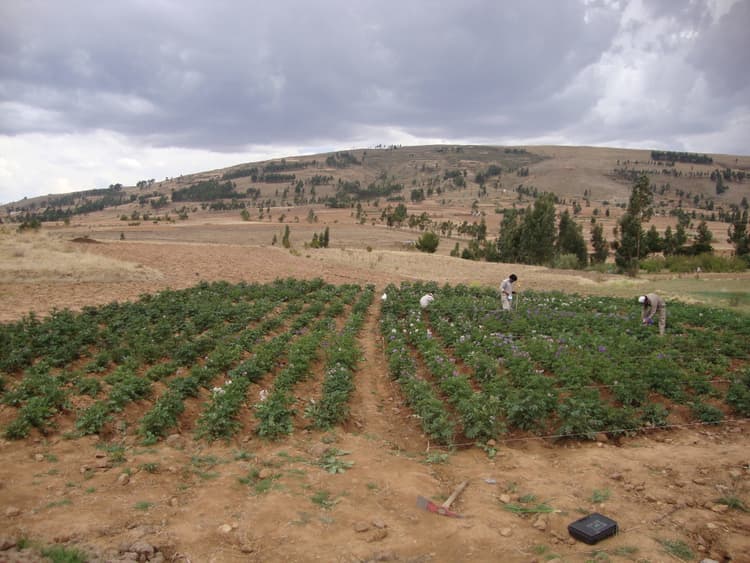
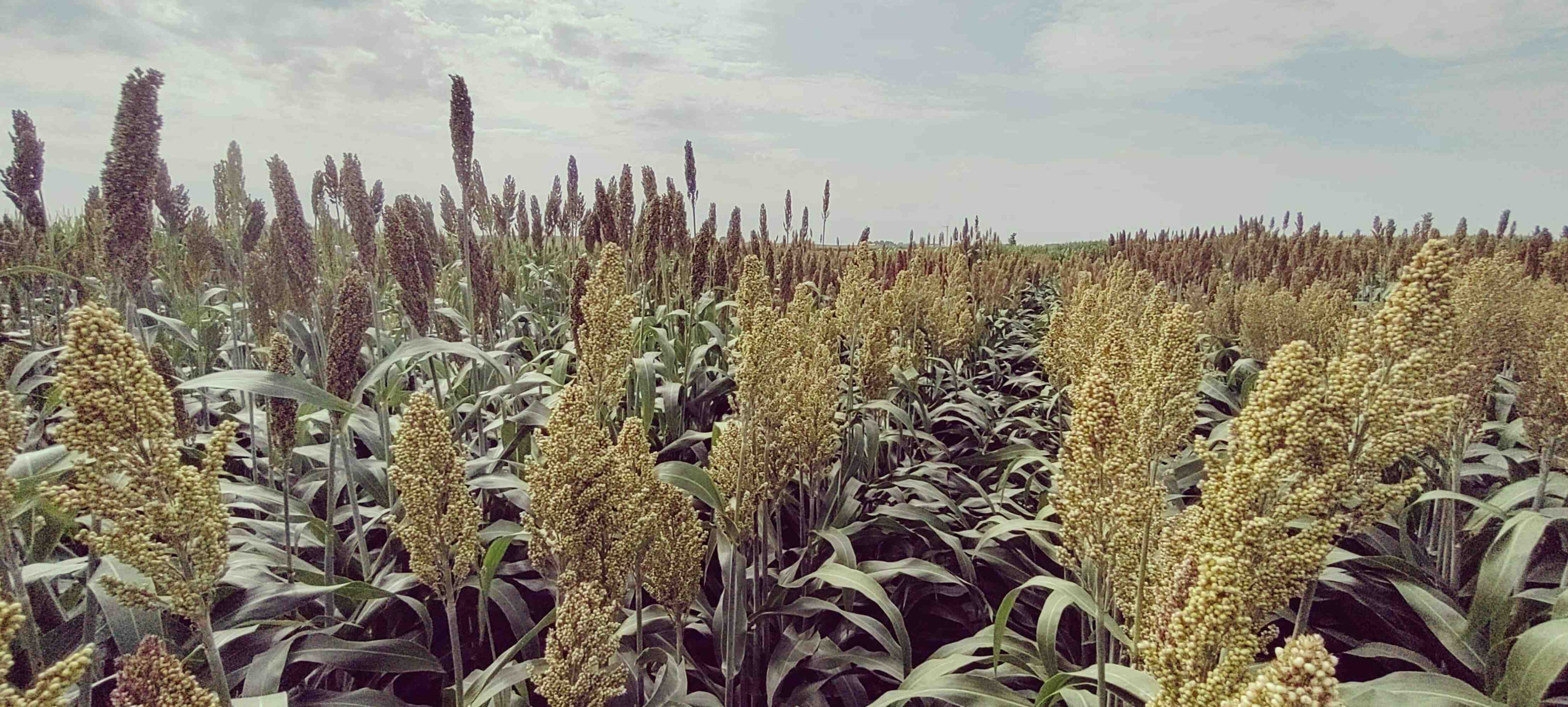
The project focuses on the sustainable intensification of diverse agricultural systems across Latin America, including the Central American Dry Corridor, the highland valleys of Peru, and the Pampas region of Argentina, through the incorporation of adapted sorghum genotypes, with the aim of increasing the productivity, sustainability, and resilience of productive systems. Farmers will have the opportunity to incorporate sorghum cultivars characterized by high plasticity in response to water availability into their production systems, with genotypes and management practices tailored to each target environment. This will enable them to diversify their production systems and increase their productivity in a sustainable manner. The project is funded by the Government of New Zealand and the GRA.


"Science and technology, applied through agriculture, have the potential to not only feed a growing population but also to do so in a way that sustains the environment for future generations.— M.S. Swaminathan, 1960
 Agronomic PracticesAppliedTechnologicalCrops
Relevant data










Costa Rica

Honduras

Panamá

Perú

Argentina


The Tangible Impact of Science and Technology in the Field

 Impact
 Initiatives
 Dashboard
 Alliances
 Impact
 Initiatives
 Dashboard
 Alliances