



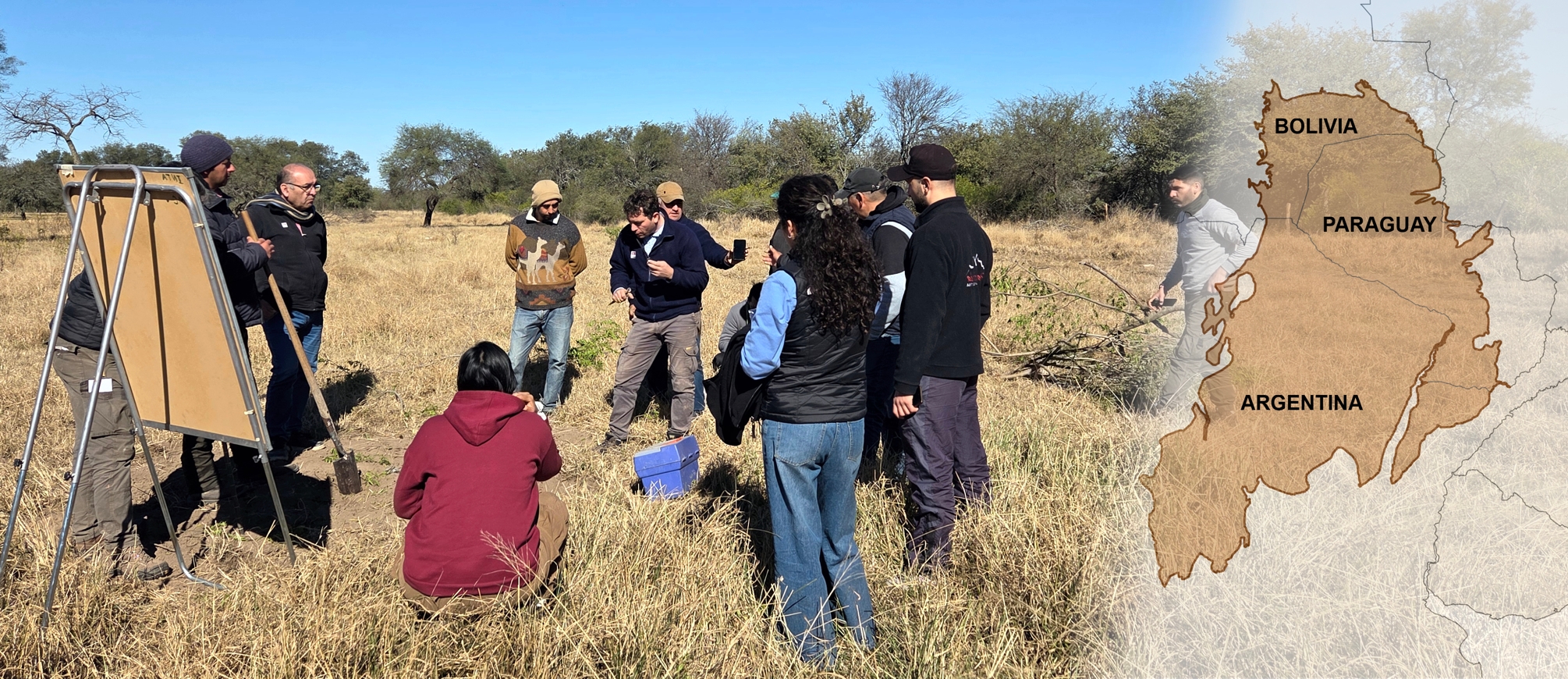
Argentina, Bolivia and Paraguay created an integrated network of sustainable productive experiences based on the multiple use of the forest in the Chaco region, encompassing its socio-environmental diversity.

A network of experiences and knowledge that contributes to increasing resilience in Chaco farms.
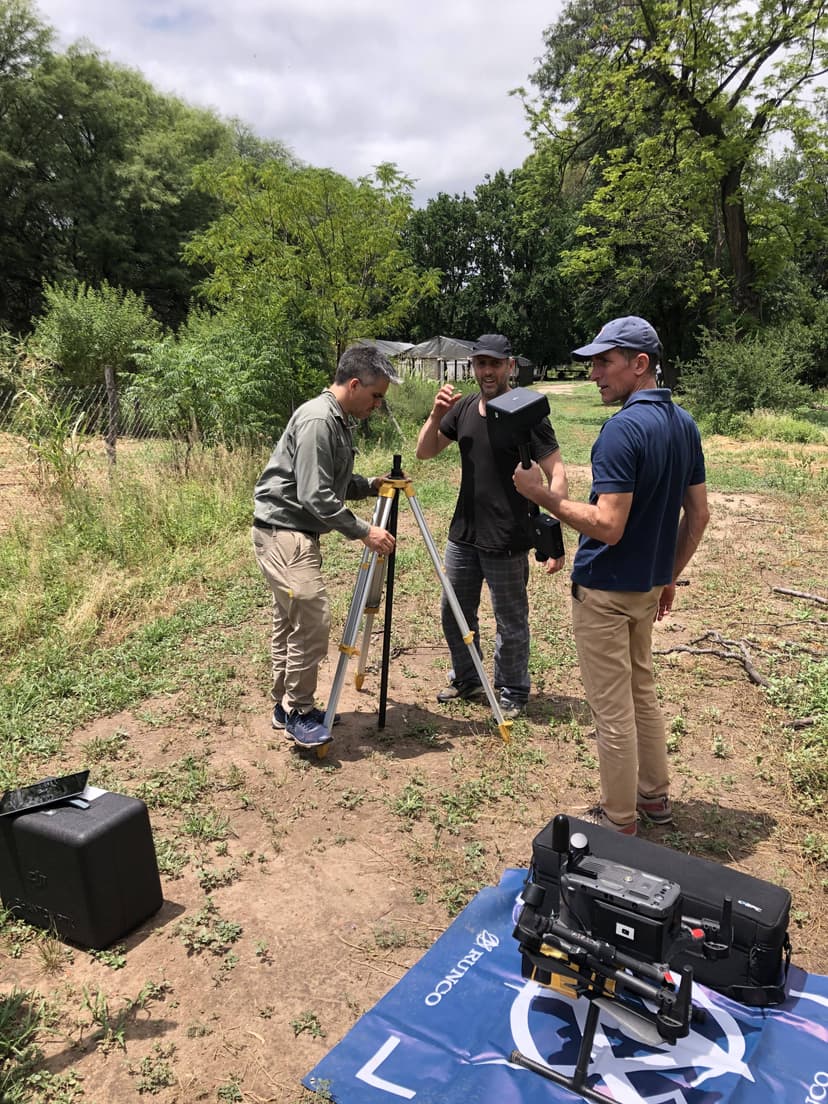
INTA (Argentina), IPTA (Paraguay), and NATIVA (Bolivia) are working together to promote adaptive management of the Chaco forest, aiming to produce within a framework of sustainability. To achieve this, they assess the effect of different forest management practices, drawing on a network of experiences monitored under a shared methodology. The work is organized around:
- Analysis and monitoring of a network of sustainable forest management experiences.
- Training of local actors, with an emphasis on smallholder farmers.
- Dissemination of the results and knowledge generated.
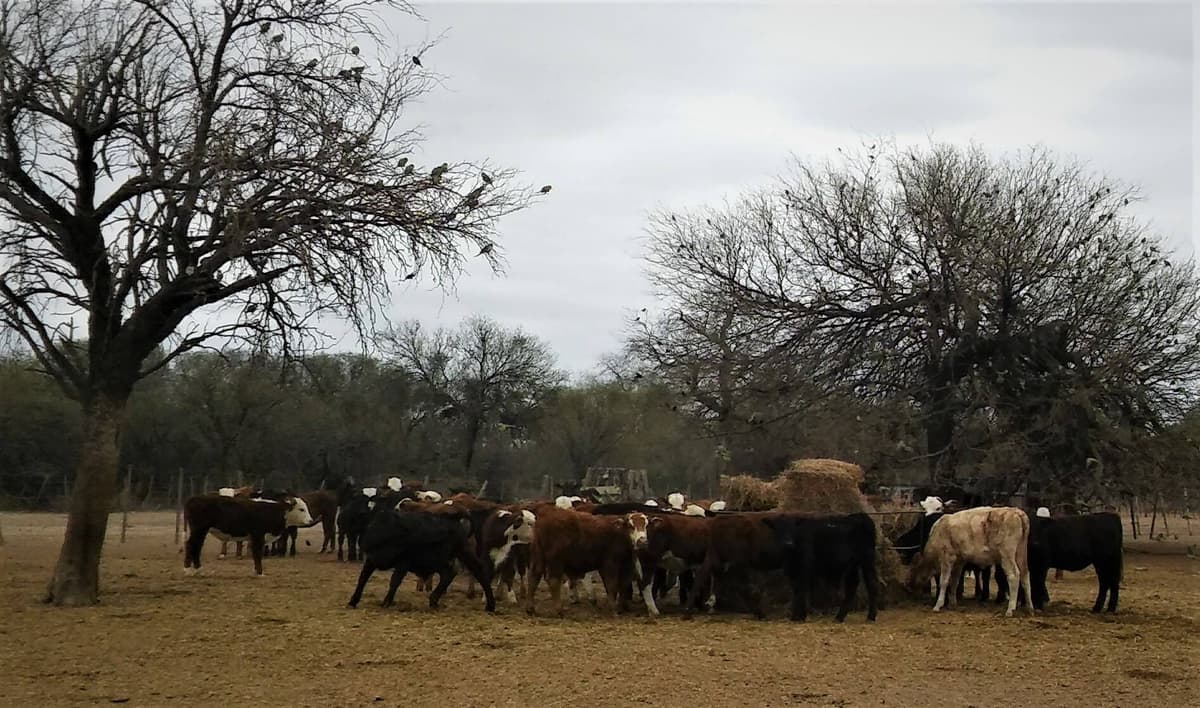
The network connects productive systems, professionals, and public agencies in a shared information flow, strengthening continuous improvement processes in adaptive and sustainable management of the Chaco forest.
The monitoring system dynamically assesses productive processes, based on a hierarchical set of principles, criteria, and indicators. This makes it possible to address the sustainability in both objective and operational ways, beyond its conceptual complexity.
Monitoring relies on three tools:
- A common survey methodology.
- An app to record indicators in the field.
- A unified database that centralizes information.
These tools make it possible to track forest management plans, identify training needs among producers, professionals, and public officials, and analyze sustainability at the farm level.

"It's nice that other places are doing similar activities. It will be good to know how they are moving forward and resolving the issues that arise."— Beatriz Martínez, Las Guapas group. Chancaní, Córdoba
 Agronomic PracticesBasicTechnological








Argentina

Bolivia
Paraguay

Argentina

Argentina

The Tangible Impact of Science and Technology in the Field

 Impact
 Initiatives
 Dashboard
 Alliances
 Impact
 Initiatives
 Dashboard
 Alliances















.png&w=750&q=75)