Rice is the staple food in the daily intake for 40% of the poorest population in Latin America, so a safe supply at an affordable price is of crucial importance for the governments of the region. Weedy rice is difficult to control with the tools available to date because it involved very tight crop management and high dedication from the farmer. The advent of Clearfield® Technology will simplify weed control. The expiration of the imazethapyr patent has put a generic herbicide on the market and in the coming years it is expected that generics will appear very accessible in price. However, inappropriate use of this technology can cause severe problems.
Four experiments were carried out in Río Branco and the Experimental Unit of Paso de la Laguna, Uruguay, one in Calabozo in the state of Guárico, Venezuela, three in Santa María and two in Pelotas, Río Grande del Sur. The effect of imidazolinones applied to Clearfield® rice on the following species was studied: rice (Oryza sativa) without resistance, forage sorghum (Sorghum bicolor x Sorghum sudanensis), white clover (Trifolium repens), red clover (T. pratense) , ryegrass (Lolium multiflorum) and lotus (Lotus corniculatus). The dissipation and half-life of imazethapyr and imazapic in water and soil were also analyzed. The evolution of resistance to ALS inhibitors in weedy rice (red rice) and weeds was evaluated as a consequence of the use of Clearfield® rice varieties and the maximum hybridization rate between Clearfield® rice and biotypes was studied. of weedy rice (red rice).
Herbicides used with Clearfield® Technology showed a medium risk of accumulating in the first 20 cm of depth in the soil, especially where higher sand contents and / or more acidic pH are present. The information generated in the project clearly shows that Clearfield® Technology used wisely and intelligently will decrease infestations of weedy rice (red rice) to a low population level. To achieve this, it will be necessary to implement surveillance among the actors for many years until the particular farms are declared free of weedy rice (red rice) before the area with these characteristics is expanded.



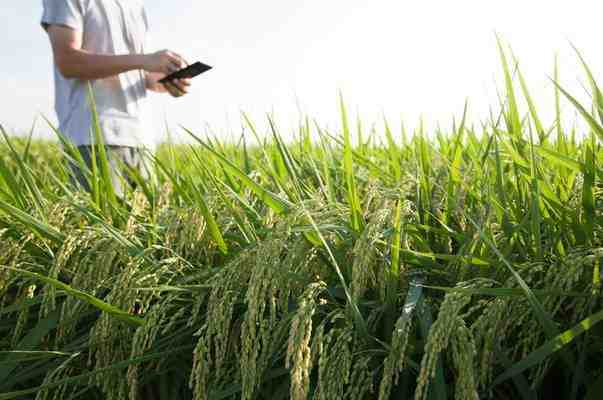


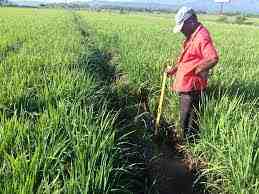
 Agronomic Practices







 Impact
 Initiatives
 Dashboard
 Alliances
 Impact
 Initiatives
 Dashboard
 Alliances




.png&w=750&q=75)