 Impact
 Initiatives
 Dashboard
 Alliances

 Impact
 Initiatives
 Dashboard
 Alliances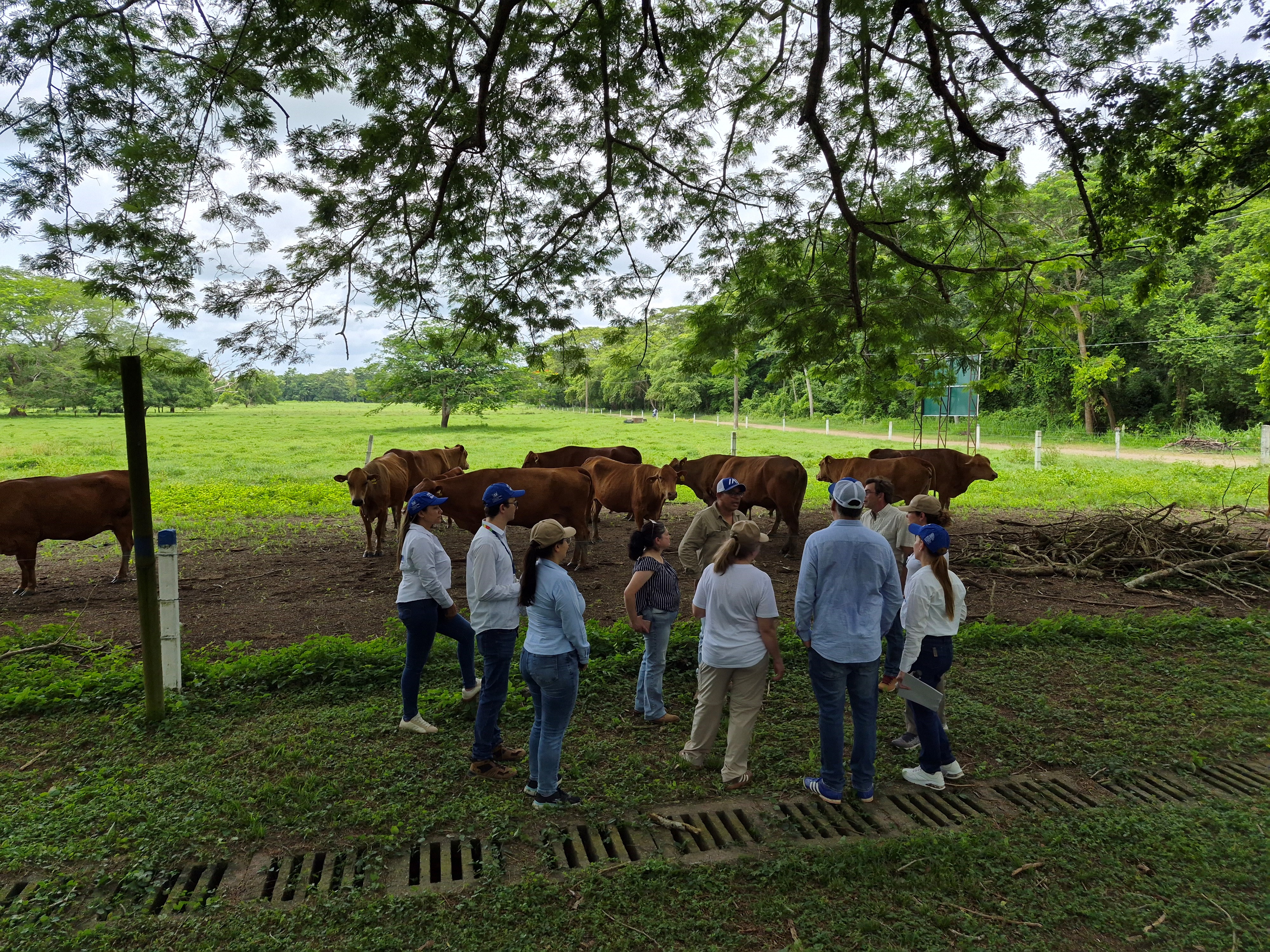

 Technological
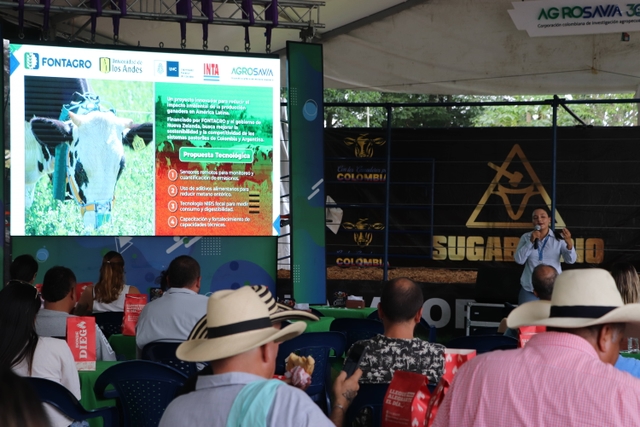
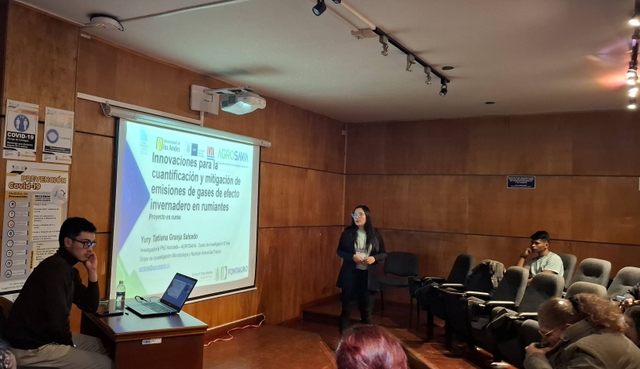
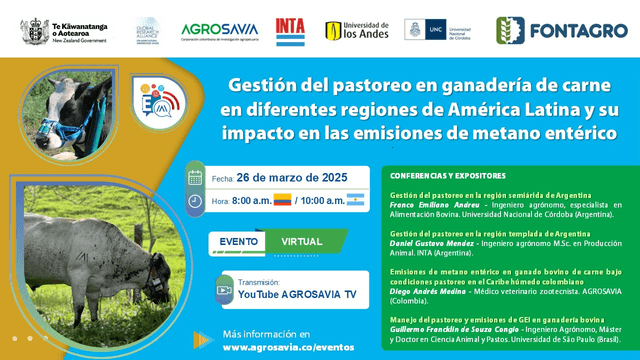
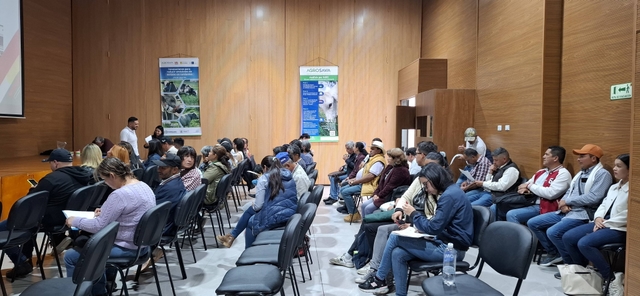
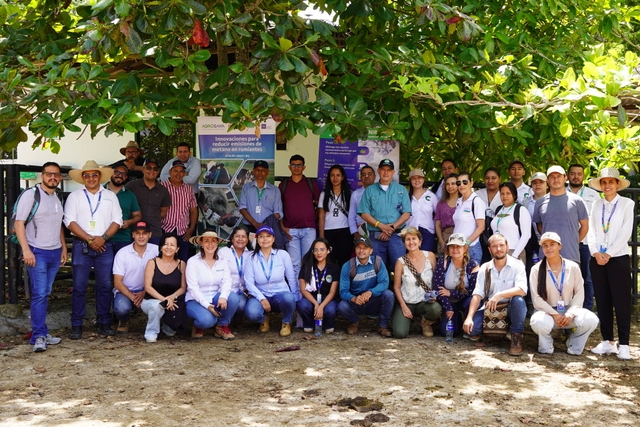
As part of the FONTAGRO project "Innovations to reduce methane emissions in ruminants" (ATN/RF-20637-RG), a technical mission and scientific exchange took place in Colombia. The event brought together research teams from the Colombian Corporation for Agricultural Research (AGROSAVIA, the executing agency), the National Institute of Agricultural Technology (INTA, Argentina), the University of the Andes (UniAndes, Colombia), and the National University of Córdoba (UNC, Argentina).
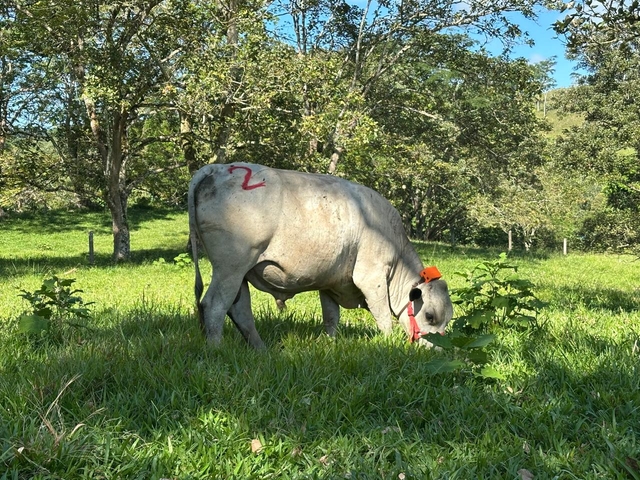
This initiative is funded by the Government of New Zealand as part of its contribution to the Global Research Alliance on Agricultural Greenhouse Gases (GRA). Its primary goal is to reduce emission intensity (g CO2e/kg of meat) by 10% in pasture-based cattle systems, benefiting over 2,000 livestock producers, technicians, and academics across Colombia and Argentina.
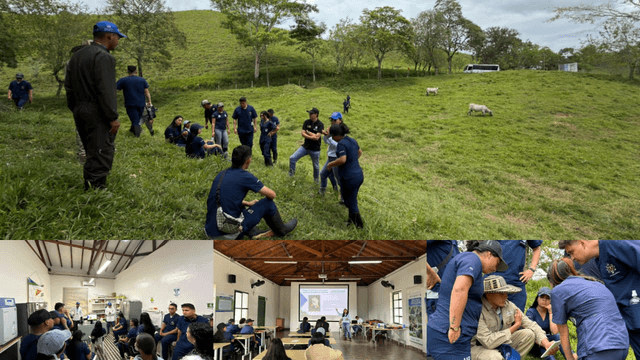
During the first phase of the mission at the Tibaitatá Research Center (Mosquera, Cundinamarca), researchers from the partner institutions and the El Nus and Nataima Research Centers held specific working meetings with the University of the Andes (UniAndes) team to consolidate the engineering and monitoring components. Subsequently, tours of AGROSAVIA’s scientific infrastructure were conducted to review progress on the three core technologies:
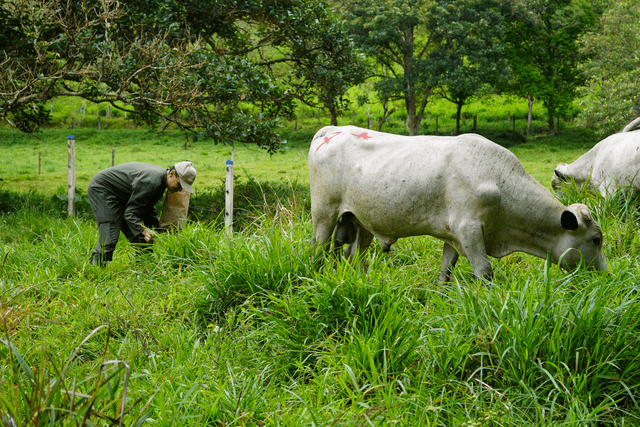
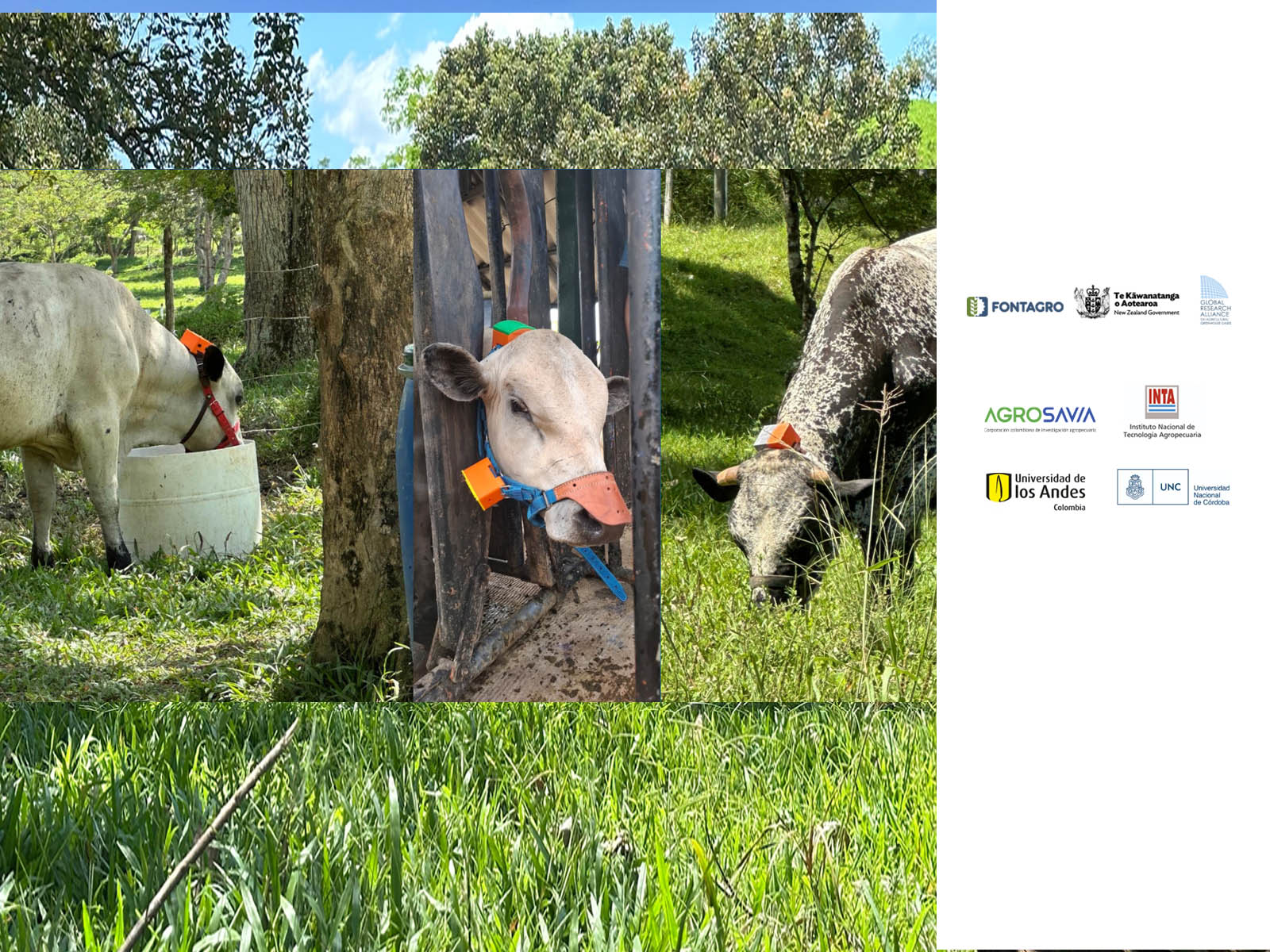
1. Sensor system for monitoring behavior and methane emissions: Development and calibration of devices to track ingestive behavior and quantitatively measure enteric methane under real grazing conditions.
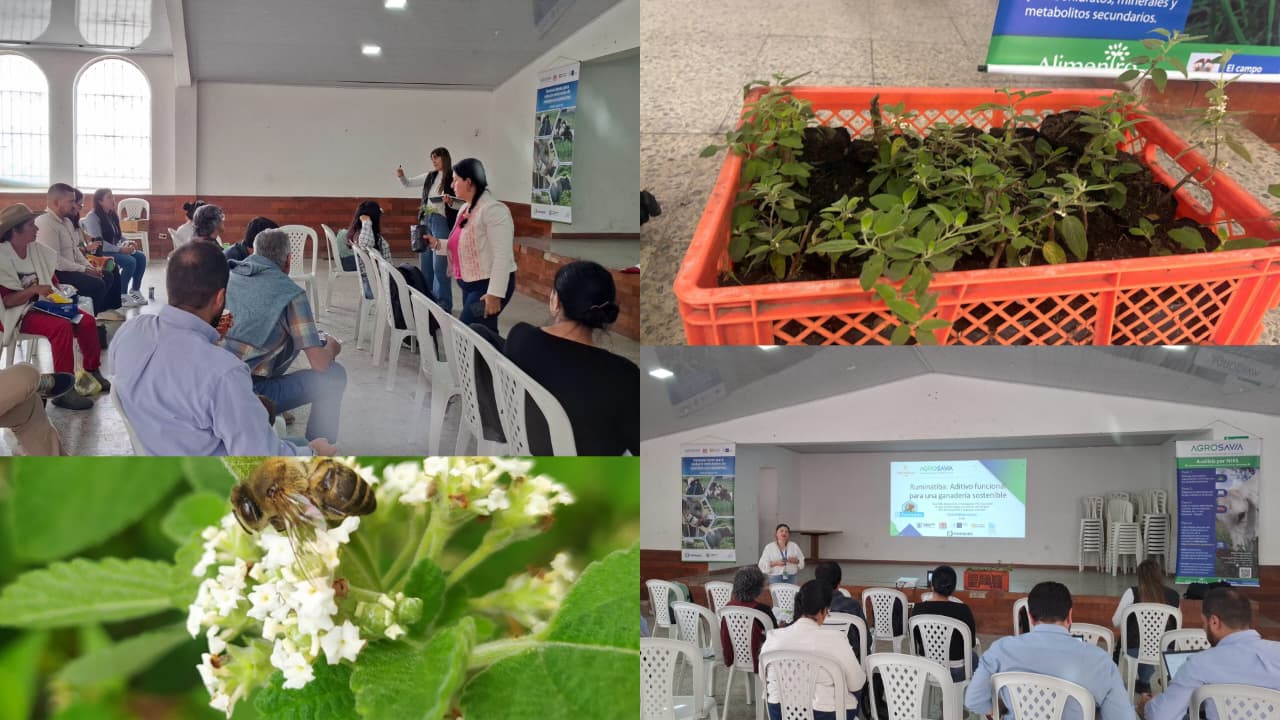
2. Feed additives for enteric methane mitigation: Progress at the Bioproducts Plant and Livestock Microbiology laboratories regarding the formulation, in vitro testing, and scaling up of functional mitigation additives.
3. Fecal NIRS spectroscopy: Adjustment and harmonization of methodologies at the NIRS Analytical Chemistry laboratory to estimate forage intake and digestibility in grazing cattle with high precision. The second stage of the meeting took place at the Turipaná Research Center (Montería, Córdoba), a benchmark for low-tropic livestock farming. There, in-person delegations evaluated the performance of field innovations by touring experimental trials. Additionally, they gained insight into the capabilities regarding laboratory networks, germplasm banks, and silvopastoral systems (SPS).
The multilateral collaboration—integrating the capabilities of AGROSAVIA’s research centers (El Nus, Tibaitatá, Turipaná, and Nataima) with INTA, UNC, the University of Los Andes, and FONTAGRO, and backed by the Government of New Zealand within the framework of the GRA—is consolidating a robust research network in Latin America.
This initiative reaffirms the region's commitment to translating rigorous scientific knowledge into practical solutions that increase production efficiency and reduce the environmental footprint of livestock farming.
.jpeg&w=640&q=100)