



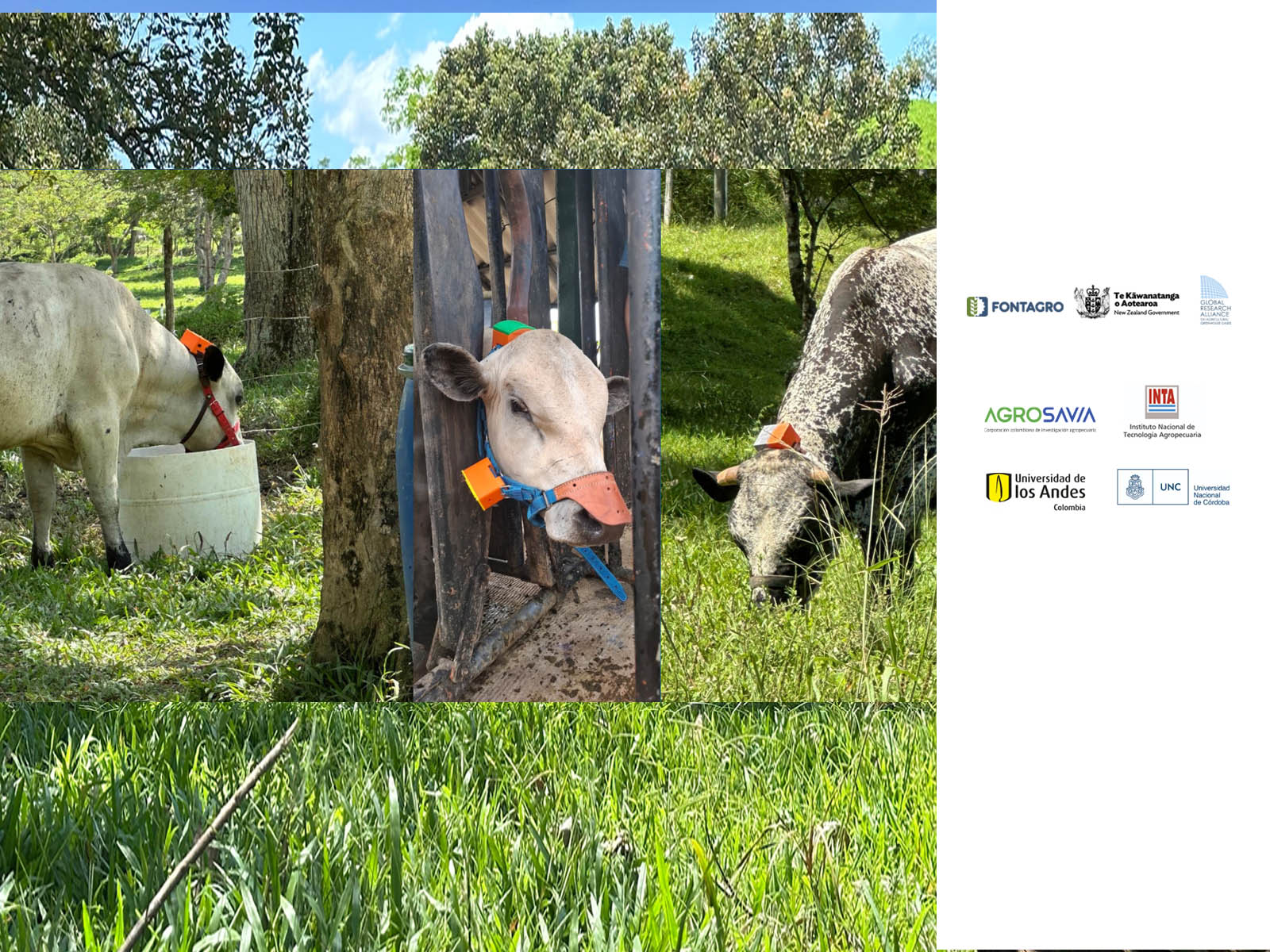
Three technologies will enable the measurement and mitigation of enteric methane emissions, reducing the cost and time required for evaluating intake, forage digestibility, and grazing behavior for decision-making in pastoral livestock systems.

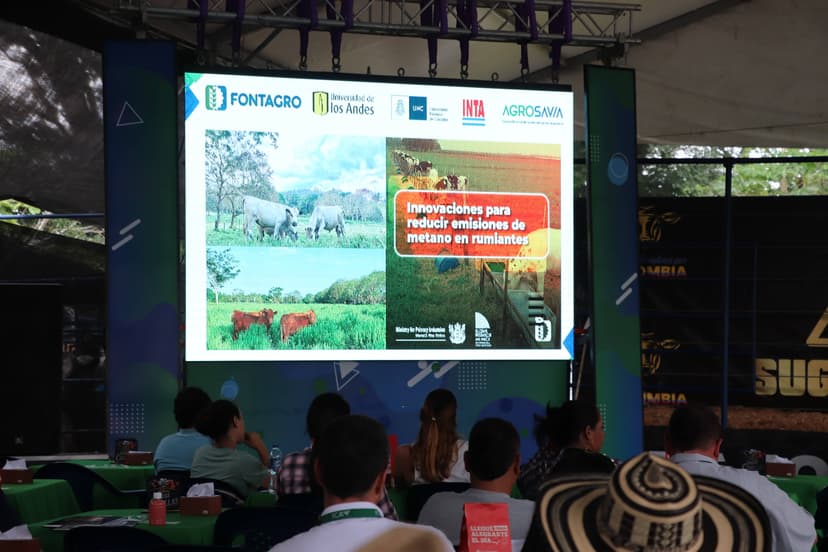
Livestock farming in LAC faces the challenge of reducing its environmental impact without losing competitiveness. Its sustainability is fragile, however, because limited technology uptake restricts real-time measurement of key variables such as intake, digestibility, behavior and methane emissions under grazing conditions, which in turn holds back the adoption of management and feeding strategies that improve animal efficiency. Faced with this gap, the initiative advances three solutions developed within the region to quantify key variables and mitigate enteric methane emissions in grazing systems, with the aim of reducing emission intensity by 10%.
Obtaining accurate and adequate information on forage consumption and digestibility, enteric methane emissions and ingestive behavior in grazing will allow agile decision-making to increase feed efficiency.
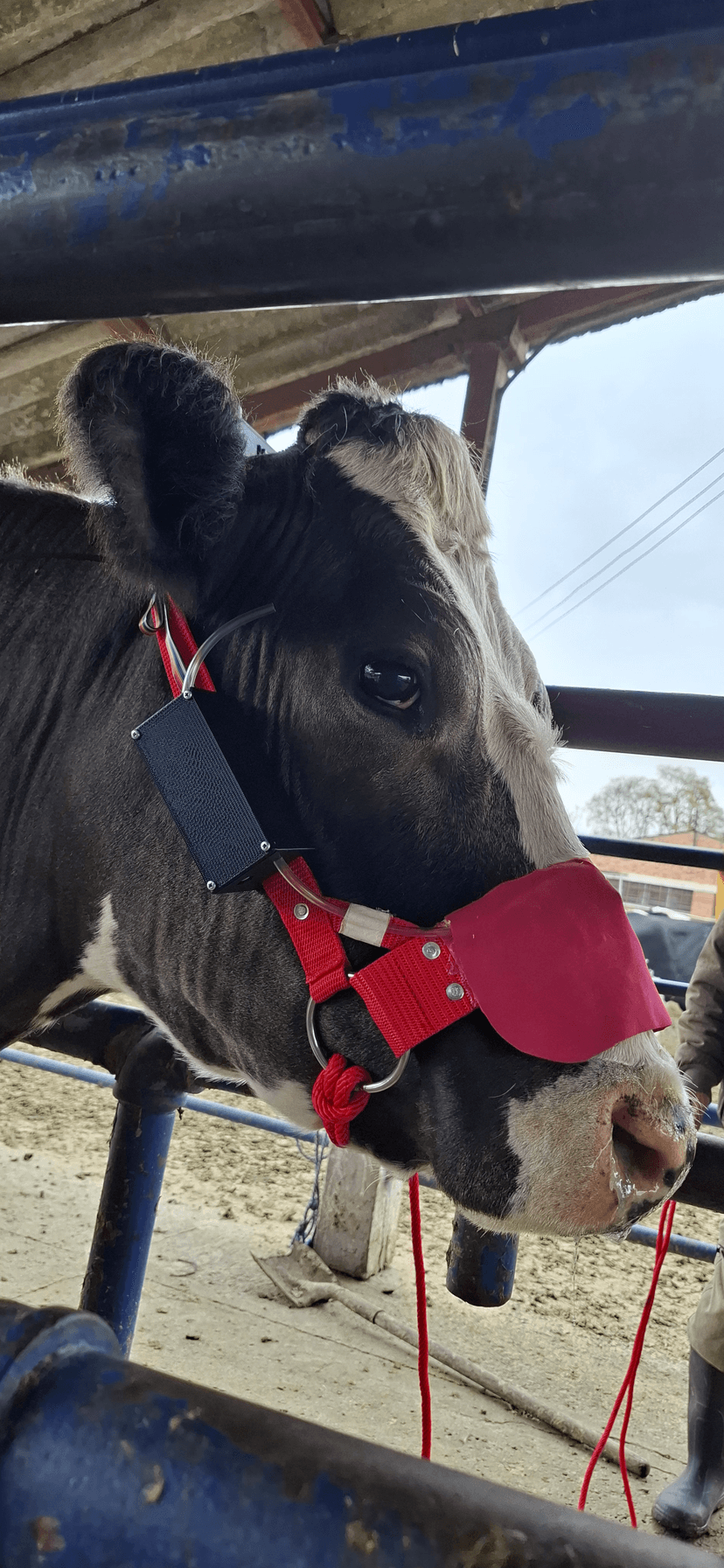
The objective is to reduce emission intensity in pasture-based beef production systems through three technologies. The first is a remote sensing system for continuous measurement of enteric methane emissions and ingestive behavior in grazing cattle. The second is a set of recommendations for the use of a functional additive that increases weight gain (kg/day) and reduces enteric methane emissions. The third is fecal NIRS technology, which cuts the cost and time of obtaining information on forage intake and digestibility, key variables for decision-making. Alongside these, the project strengthens technical capacities and generates public knowledge goods to scale up climate mitigation across the region.
.jpeg&w=1200&q=75)
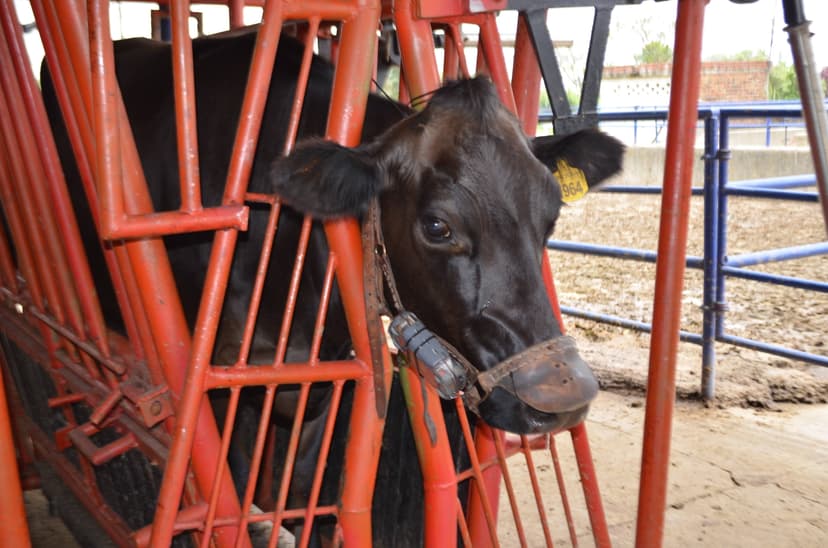
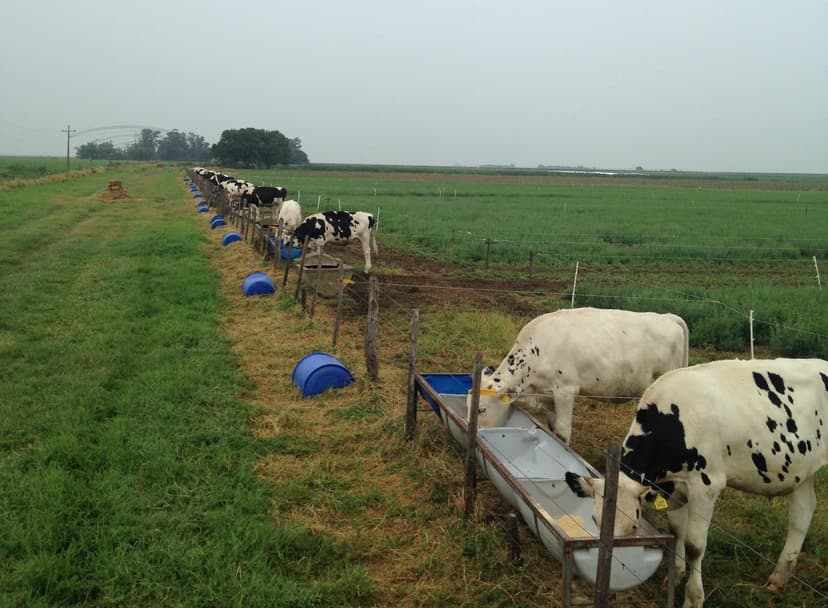
The project is implementing three technological innovations in Colombia and Argentina to reduce enteric methane emissions in grazing cattle. First, a low-cost remote sensor system monitors ingestive behavior (rumination, grazing, resting) in real time and continuously quantifies CH₄ emissions, overcoming the limitations of imported technologies. Second, a functional additive composed of yeast and native oregano essential oil, which studies have shown has reduced methane emissions by up to 19% and increased daily weight gain. Third, local equations are being adjusted using fecal NIRS technology to predict dry matter intake and digestibility in cattle, offering a fast, accurate, and chemical-free method. The initiative is also strengthening the technical capacities of producers and technical assistants and generating public knowledge goods to scale up climate mitigation in the region.
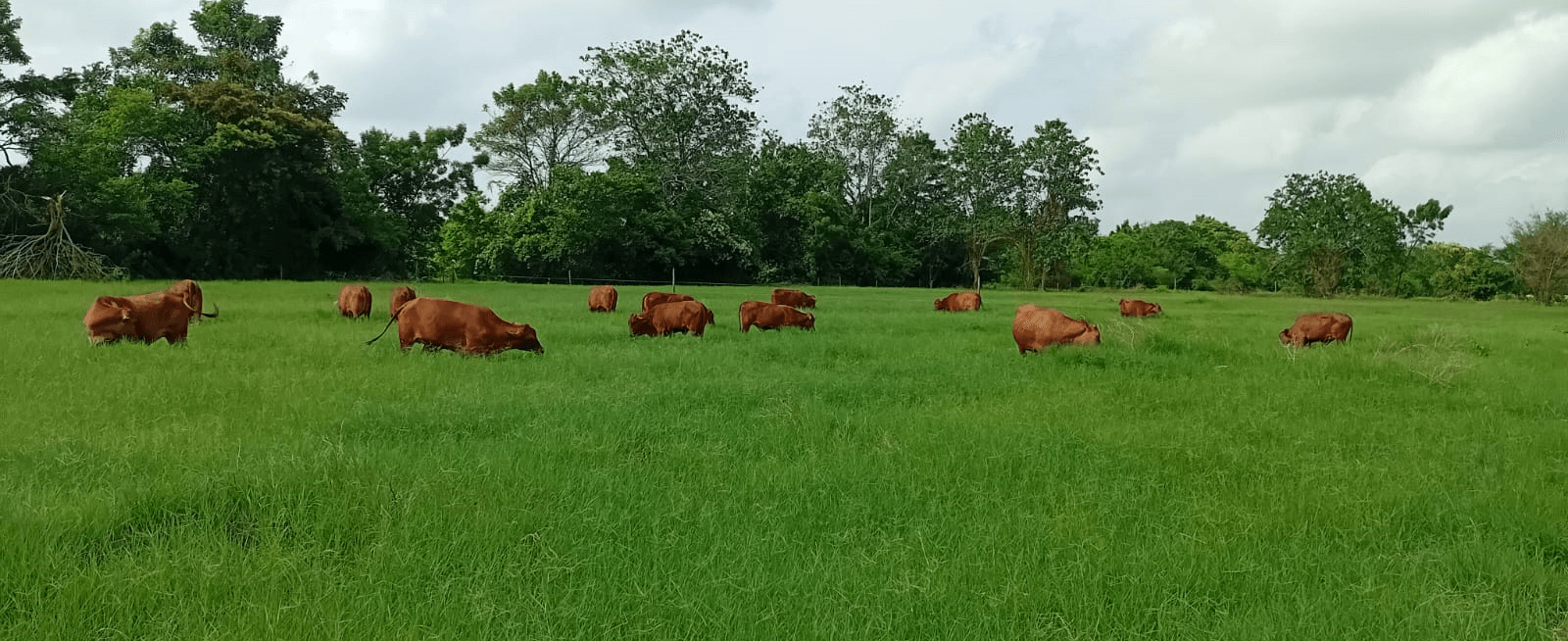
"Innovation consists of doing something new and different, whether solving an old problem in a new way, addressing a new problem with a proven solution, or bringing a new solution to a new problem"— UN Innovation Network, 2019
 Diagnostic MethodAppliedTechnologicalCattle raising
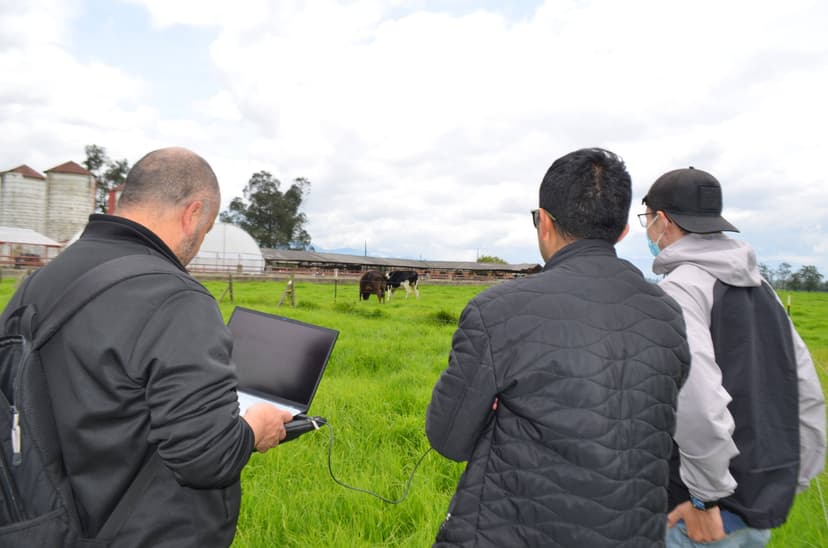
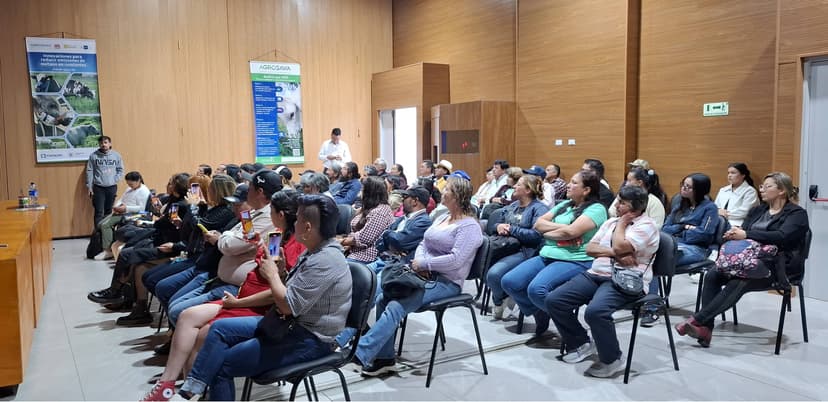
The remote sensor prototype monitors the behavior of grazing cattle with an accuracy above 90% and detects belches and methane concentrations over periods of up to 8 continuous hours. Reductions of 123.5 grams of methane per day were achieved for every 1% increase in additive intake (p=0.002; R²=0.63), without affecting dietary intake or digestibility. NIRS equations were developed for the rapid determination of TiO2 in feces, with R² of about 0.85 in cross-validation, allowing large numbers of samples to be analyzed. Twenty-two events trained 519 direct beneficiaries, with 49.1% female participation. Virtual strategies and the Alimentro course (337 participants passing, 45.4% women) reached 1,887 beneficiaries in Argentina, Brazil, Colombia, Ecuador, Guatemala, Mexico, Panama and Venezuela.
Relevant data








Colombia

Argentina

Colombia

Argentina

Nueva Zelanda


The Tangible Impact of Science and Technology in the Field

 Impact
 Initiatives
 Dashboard
 Alliances
 Impact
 Initiatives
 Dashboard
 Alliances


.jpg&w=1200&q=75)














1.png&w=750&q=75)