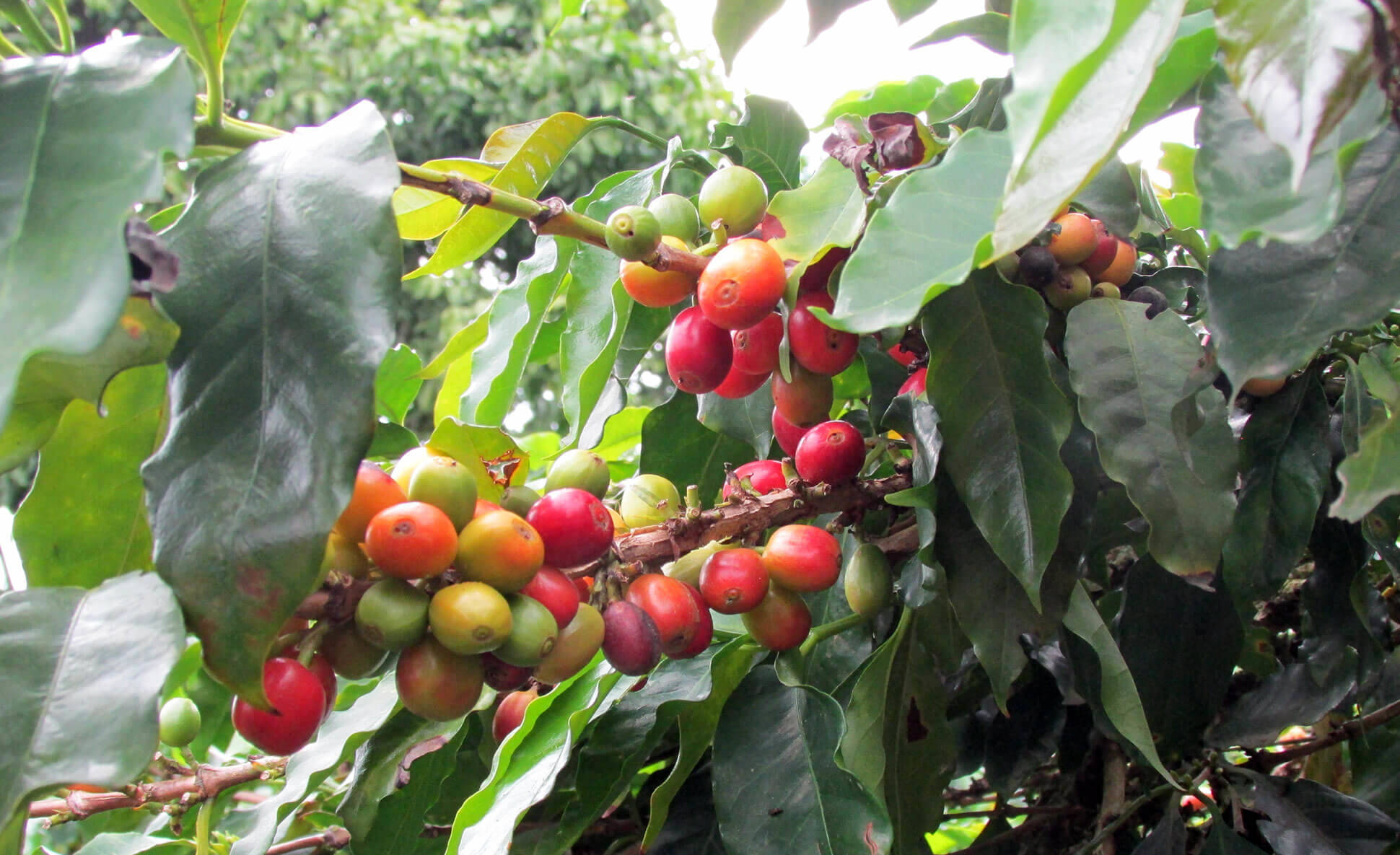
Climate change drives coffee production to greater altitudes. An alternative is Coffea Canephora, adaptable to low areas but susceptible to coffee berry borer. The project provides recommendations to improve productivity and achieve insect management

The increasing adaptation of the coffee berry borer (Hypothenemus hampei) to variations in precipitation and temperature represents a challenge for both Arabica and Robusta coffee or low-lying coffee (Coffea canephora). This last species is considered an important option in Central America, as long as the borer can be controlled. Coffee production in the region is dominated by small and medium-scale producers using a very low level of technology. The project presents information to reduce economic damage, improve cropping practices and incorporate Integrated Berry Borer management (IMB) as a core strategy.
Robusta or lowland coffee: a viable option?
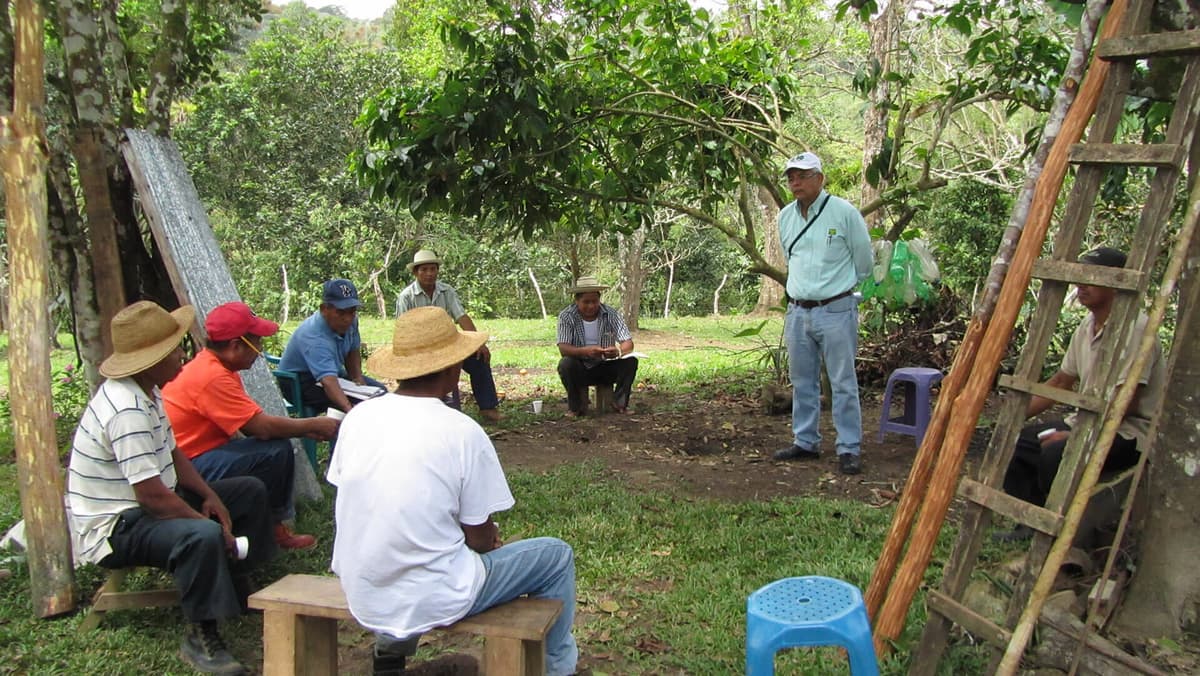
The knowledge generated enabled collaboration in the establishment of Integrated Berry Borer management (IMB), consisting of:
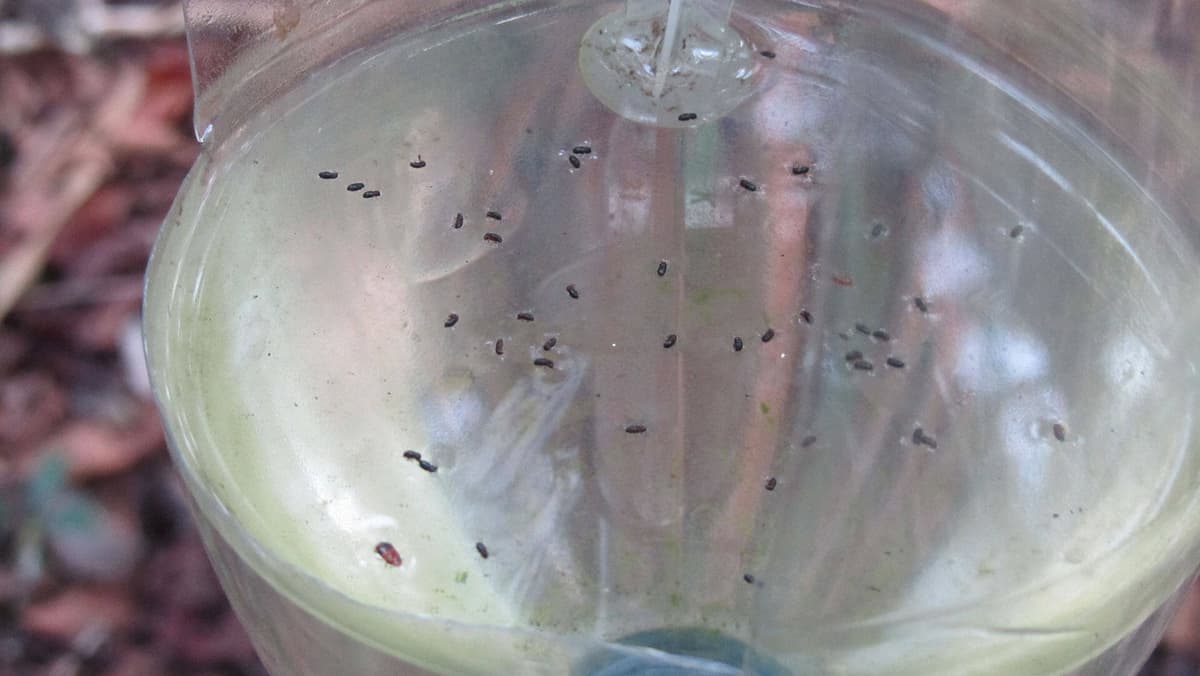
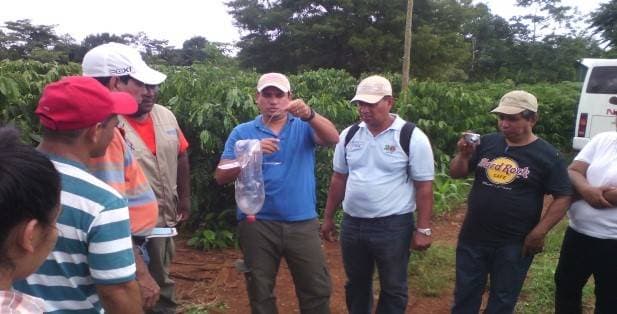
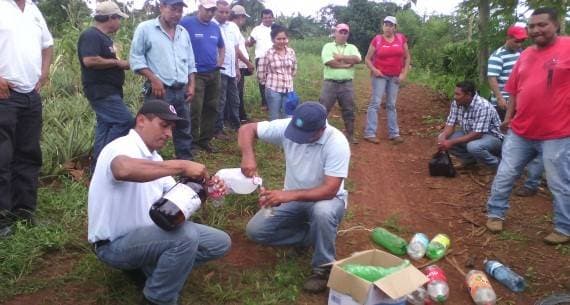
• Artisanal control of berry borers by eliminating fallen and remaining grains in the plants and the use of simple traps made of disposable material with attractants (mixture of alcohols) of very low cost. • Use of predators and parasites such as Cephalonia stephanoderis and fungi such as Beauveria bassiana, by promoting the creation of small local microenterprises.
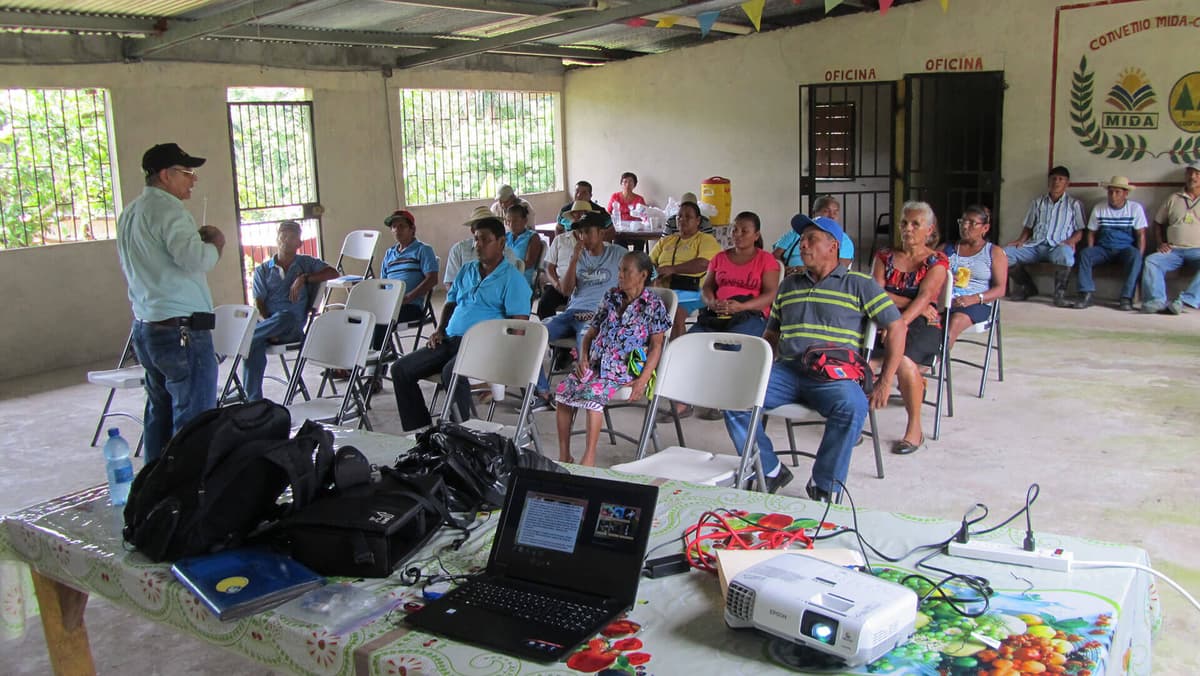
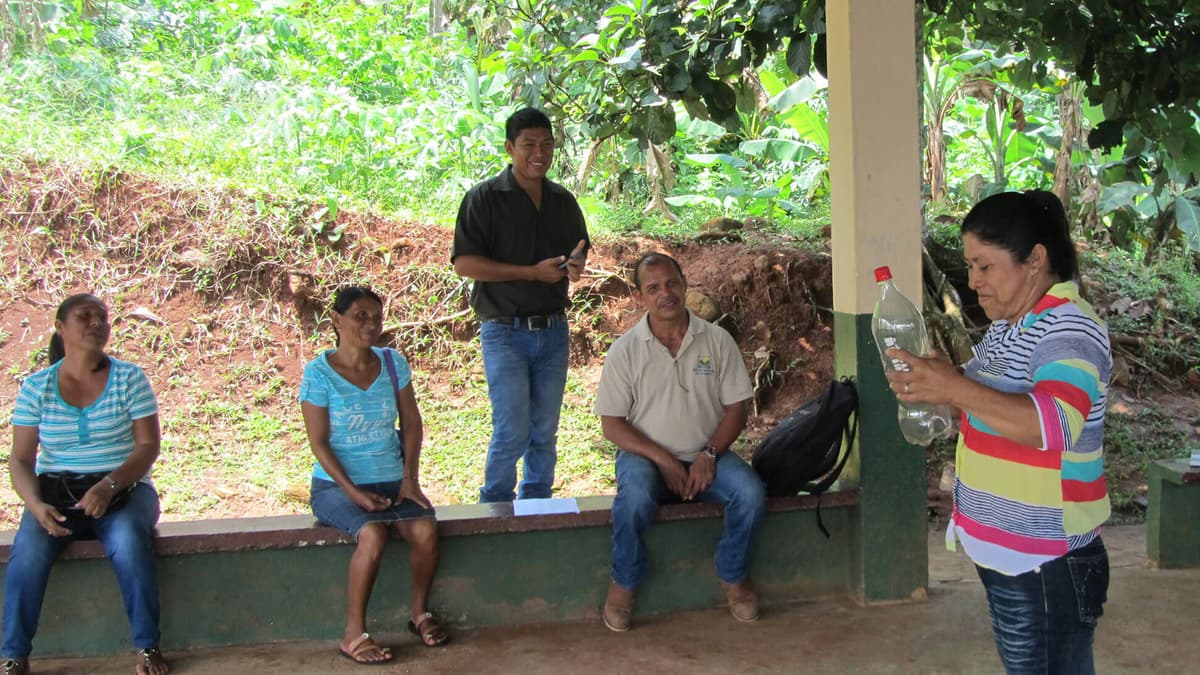
• The above elements require a strong training element for both producers and extension agents, which was successfully provided by the organizations involved in the project.
• They also require a deep consideration and understanding of small-scale coffee production systems in the region, as well as the characterization of current and future climatic variations. Both elements were also carefully considered by the project.
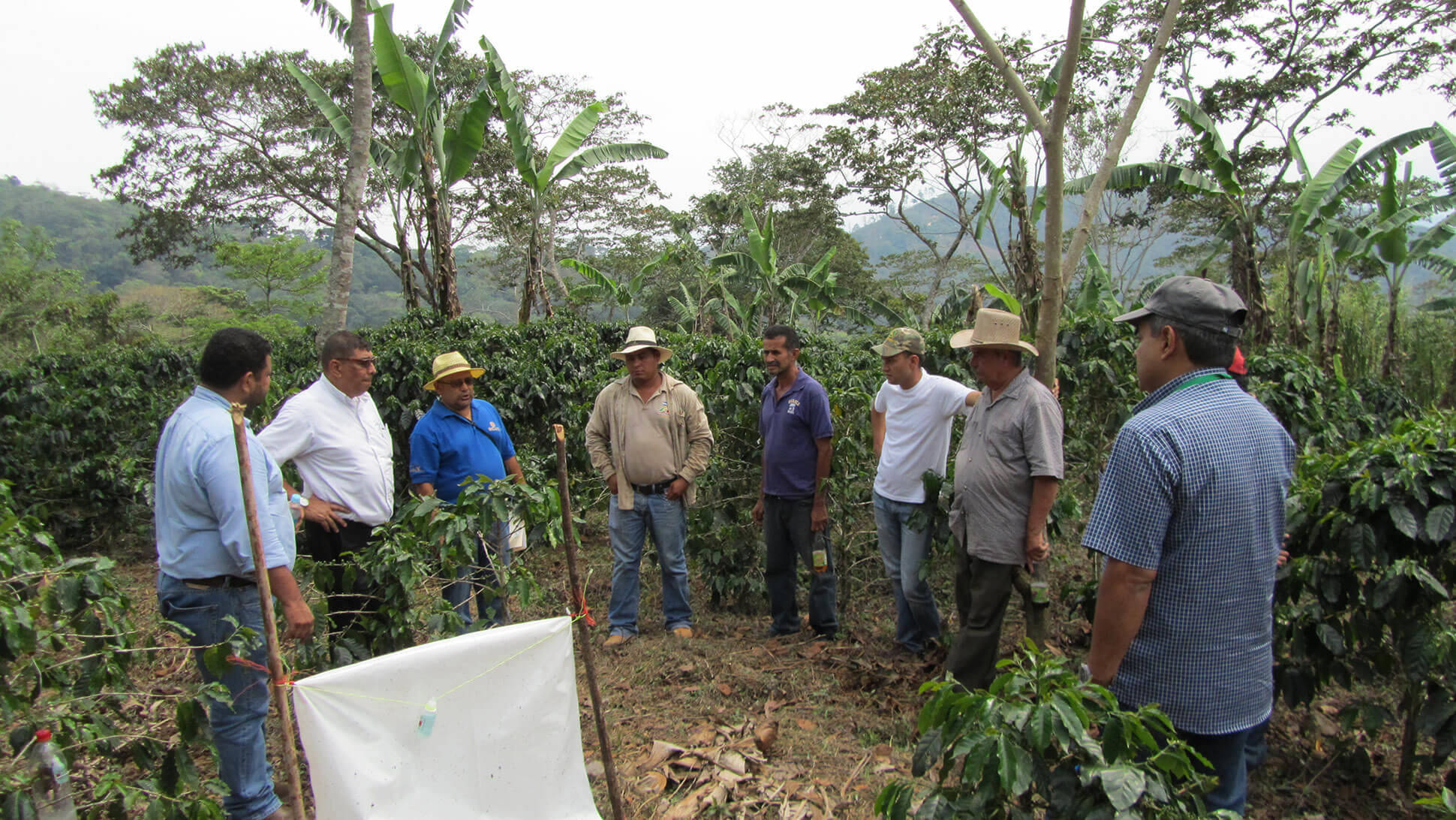
"Robusta coffee planting could be an element of the forest protected areas and a water generator in the Panama."— Technical Report Project 14894
 Agronomic PracticesClimate changeStrategy 1. Resilient farmsAdaptativeTechnological-Organizational-InstitutionalCropsFamily agricultureProductive systemsPests y Diseases
• Monitoring the presence and incidence of the berry borer: Coffee beans in the soil or in the plant after harvesting facilitate the insect infesting new beans. This cycle must be broken.
• Climatic characterization: High temperatures favor the multiplication of the insect, shorten its cycle and boost its migration towards new crops.
• Characterization of production systems: Production is small-scale, with a high incidence of poverty, low technology and low schooling.
• Implementation of management and control practices: Eliminate fallen and remnant grains, use of artisanal traps and of predators such as Cephalonia stephanoderis and fungi such as Beauveria bassiana. All require a strong training effort, which was provided by the project.



Panamá

Honduras

Nicaragua

The Tangible Impact of Science and Technology in the Field

 Impact
 Initiatives
 Dashboard
 Alliances
 Impact
 Initiatives
 Dashboard
 Alliances