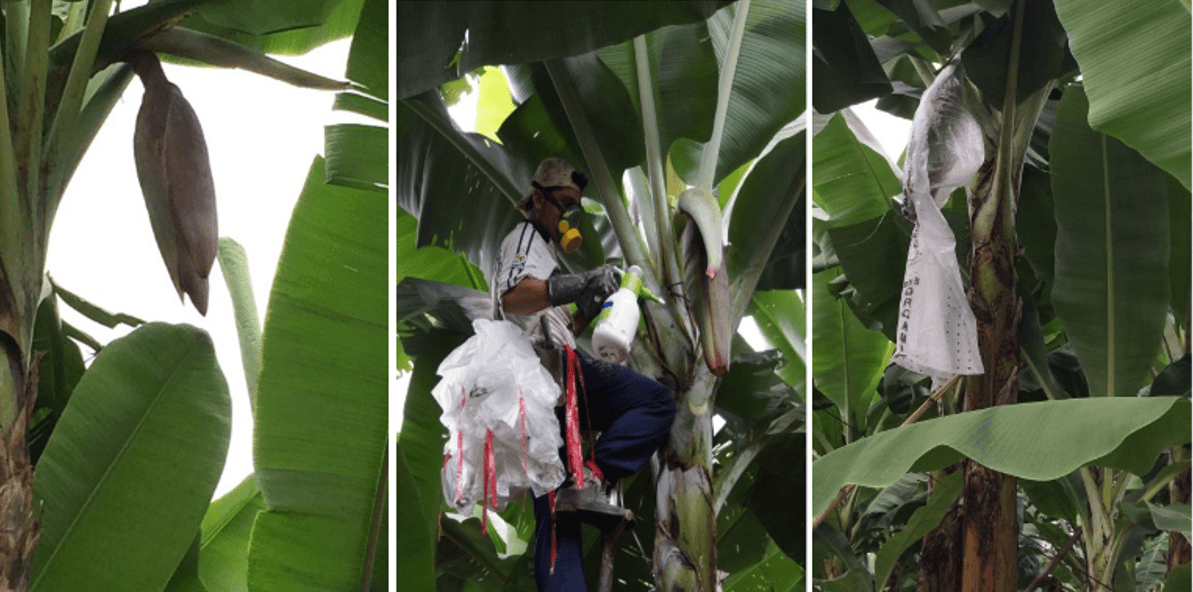
Plantain is a staple in the diet of thousands of people in Latin American and Caribbean countries. In addition, it generates permanent income for small and medium farmers, contributing to the social development of the regions where it is grown. However, banana production requires technological improvement that strengthens the competitiveness of the value chain, mainly in terms of phytosanitary management of the crop with strategies that reduce the use of agro-toxins. The FONTAGRO FTG-605 project developed technologies for the phytosanitary management of plantain, including thermal cameras for the production of hills and seedlings, identification of disease-resistant genotypes, development and use of leachates, biological controllers and bio-fertilizer.
Evaluate the degree of adoption of technologies and the social, economic and environmental impacts generated by the FONTAGRO project.
Expand technological adoptions of bananas to improve the health and competitiveness of the banana production chain in Colombia, Ecuador and Venezuela.
- 161 accessions conserved at the Fedeplátano station.
- 57% reduction in seed production costs.
- 90% reduction in the use of seed disinfectants.
- 16 genotypes (plantain and banana) with characteristics of partial resistance to black Sigatoka and 2 tolerant genotypes to Moko were identified.
- 50% reduction in fungicide applications for the control of black Sigatoka in the hartón and Dominico hartón varieties, with the use of leachate in combination with traditional fungicides.






 Value chain



 Impact
 Initiatives
 Dashboard
 Alliances
 Impact
 Initiatives
 Dashboard
 Alliances



.png&w=750&q=75)
