
 Impact
 Initiatives
 Dashboard
 Alliances
 Impact
 Initiatives
 Dashboard
 Alliances


Learn more about this story
Project Webstory
Go to webstory




 Value chainAdaptativeTechnologicalValue chains and marketsStrategy 1. Resilient farms
 2012
2012 Closed
Plantain and banana are traditionally propagated by vegetative cloning, that is, by corms or hills. This type of propagation allows staggered multiplication of crops and reuse of the seed between one harvest and another, but the use of planting material affected by phytopathogens is the main source of disease spread. Among the most relevant are vascular wilt or Moko (caused by Ralstonia solanacearum race 2) of quarantine importance.
The inappropriate use of the affected planting material has contributed to the spread of Moko in several countries in Latin America and the Caribbean, such as Mexico, Honduras, Ecuador, Venezuela, Guyana, Trinidad, Colombia, where it has devastated up to 100% of cultivated areas with musaceae. The best management strategy is preventive, through the use of certified seed, which guarantees varietal and phytosanitary quality through an efficient and standardized propagation system, which complies with each country's own regulations for seed certification and it is adapted to the phytosanitary monitoring programs by the regulatory entities in each country.
The objective of the project was to determine the degree of adoption and impact of the project "Strengthening banana value chains: Technological innovations to reduce agrochemicals - FTG-0605". The increase in productive capacity was measured, including the potential of the thermal cameras, the phytosanitary quality and the agronomic behavior of the seed propagated under these conditions; bioleaching production and advantages of its use in the field; and the increase in yields through the use of disease resistant materials that were selected in previous evaluations.
Development and use of technologies for the phytosanitary management of plantains, including thermal chambers for the production of hills and seedlings, identification of disease-resistant genotypes, development and use of leachates, biological controllers and low-cost bio-fertilizers that reduced the impact of agrochemicals on the environment, applying a participatory research scheme.
Small and medium-scale plantain and banana producers.
This project actively contributes to achieving the Sustainable Development Goals, promoting more equitable, resilient, and sustainable regional development.

_21_22_42.png&w=640&q=75)
Elizabeth Álvarez

Elena Isabel Medina

Ricardo Delgado
Germán Ceballos

Martha Marina Bolaños Benavides
_18_01_06.png&w=640&q=75)
Lederson Gañán Betancur

David Esteban Rodriguez

Silverio Alonso Gonzalez Flores
_18_11_38.png&w=640&q=75)
Alberto Pantoja
Elizabeth Álvarez
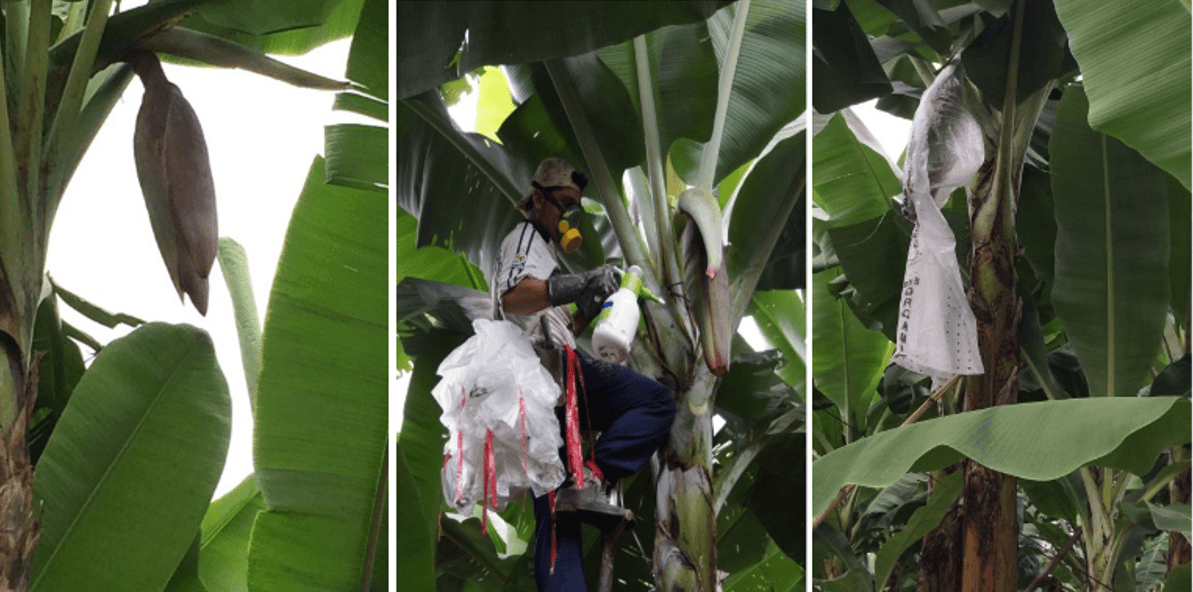
The tangible impact of science and technology in the field
Sponsors


With the support of


.png&w=384&q=75)
