

 Knowledge ManagementInnovationStrategy 1. Resilient farmsStrategy 2. Sustainables territoriesAppliedTechnological-Organizational-InstitutionalCapacity buildingPests y Diseases
 2019
2019 Closed
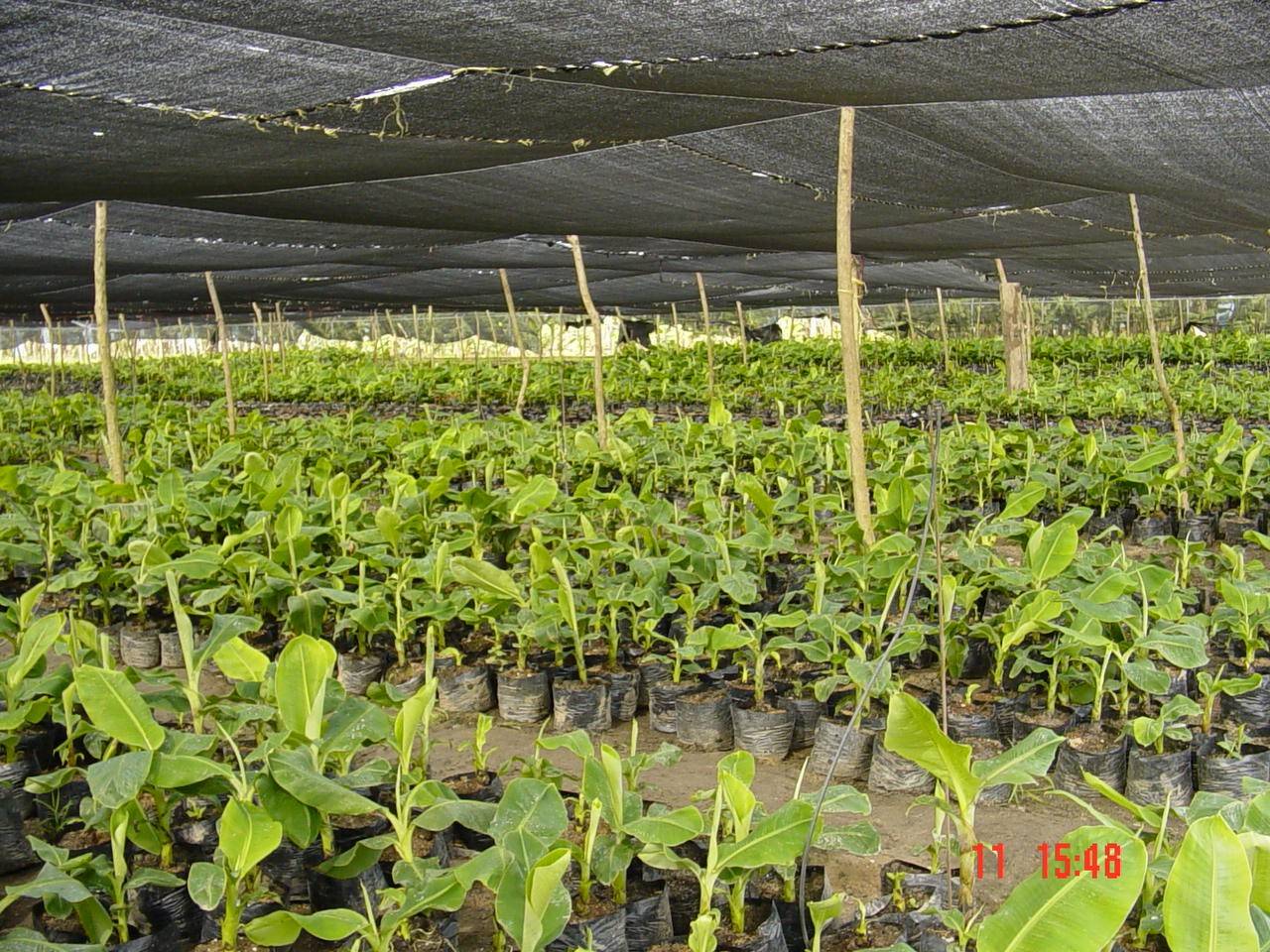
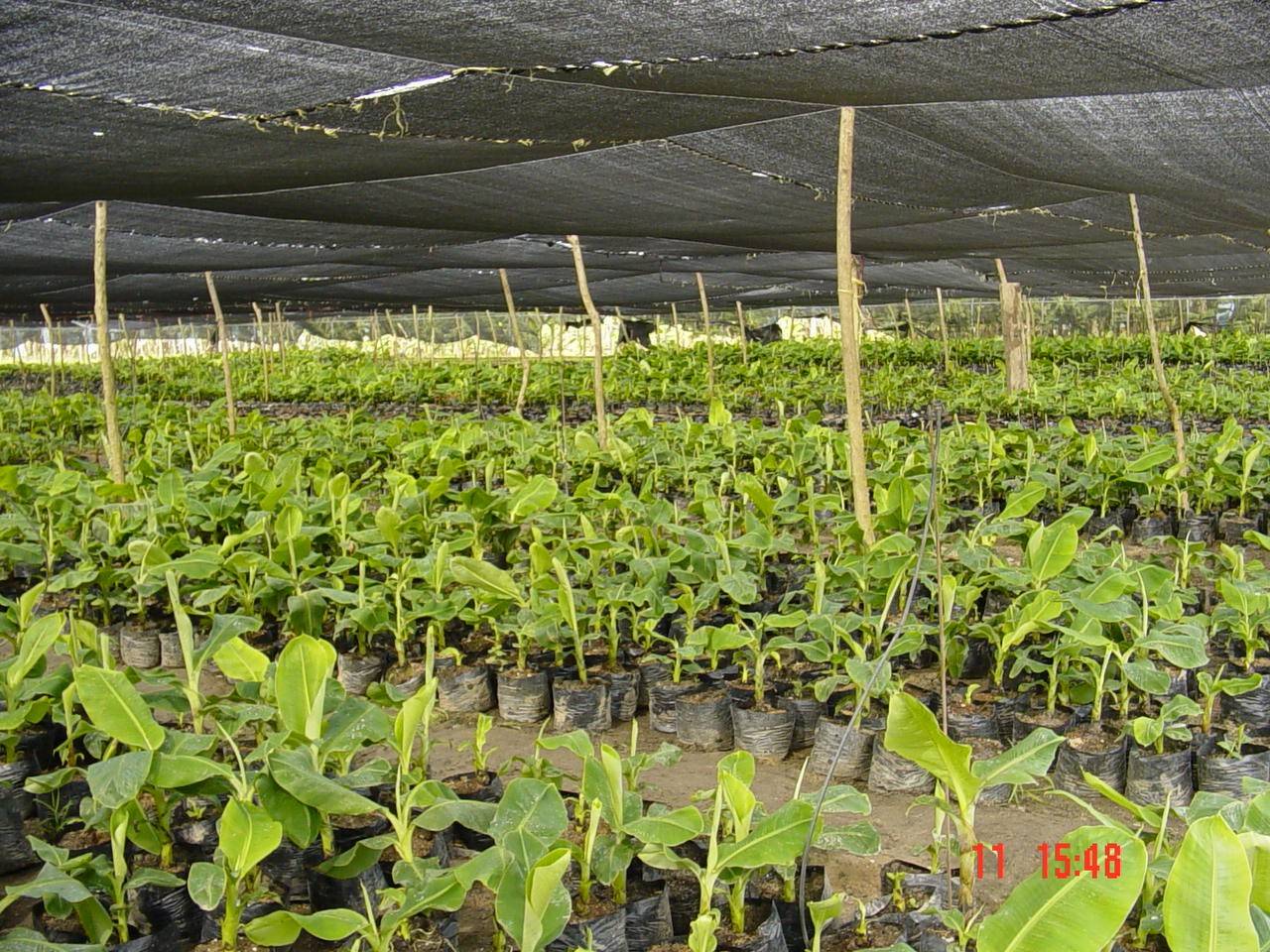
Fusarium wilt caused by Fusarium oxysporum f. sp. cubense (Foc) Tropical Race 4 threatens banana and plantain production in Latin America and the Caribbean, necessitating coordinated action between countries for the containment, prevention and control of pathogen’s spread in the continent. This report presents the summary and conclusions of the working groups developed in the Workshop: “Research agenda for the exclusion, prevention and management of outbreaks of the tropical race 4 of Fusarium (TR4) in the cultivation of Musaceas in Latin America and the Caribbean (LAC) ” developed on November 7 and 8, 2019 in Bogotá - Colombia. The workshop was attended by 85 people including experts, technicians, researchers and regional authorities, and brought together the Institutes or Research Centers (INIAs), National and / or Regional Plant Protection Organizations of the countries: Bolivia, Brazil, Colombia, Costa Rica, Ecuador, Honduras, México, Nicaragua, Panamá, Perú and the Dominican Republic. In addition, international research institutions such as Bioversity, CIRAD, CIAT and the University of Florida were included. The conclusion of the workshop indicates the need for countries to work on five common pillars: Exclusion, Diagnosis, Evaluation and development of resistant materials, Epidemiology and Integrated crop management that allow time to be gained for technological advances that mitigate the impact of Foc TR4 in the region.
Participant institutions:
The tangible impact of science and technology in the field
Sponsors


With the support of

Technical report of the workshop that will serve as the basis for the recognition of capacities and strengths of the Latin American and the Caribbean research institutions, and support the development of a regional research proposal that coordinates countries and institutions to face the threat from the presence of Fusarium TR4.
Proposal for a regional strategy for capacity building and research in tropical Fusarium TR4 for Colombia and Ecuador.
Researchers and technicians from National Research Institutes or centers (INIA), National and / or Regional Plant Protection Organizations (NPPO and RFPO), from the countries: Bolivia, Brazil, Colombia, Costa Rica, Ecuador, Honduras, Mexico, Nicaragua , Panama, Peru and the Dominican Republic. In addition, from international research institutions: Bioversity, CIRAD, CIAT and the University of Florida.
This project actively contributes to achieving the Sustainable Development Goals, promoting more equitable, resilient, and sustainable regional development.




 Impact
 Initiatives
 Dashboard
 Alliances
 Impact
 Initiatives
 Dashboard
 Alliances