 Impact
 Initiatives
 Dashboard
 Alliances

 Impact
 Initiatives
 Dashboard
 Alliances
.jpeg&w=3840&q=100)

 Technological
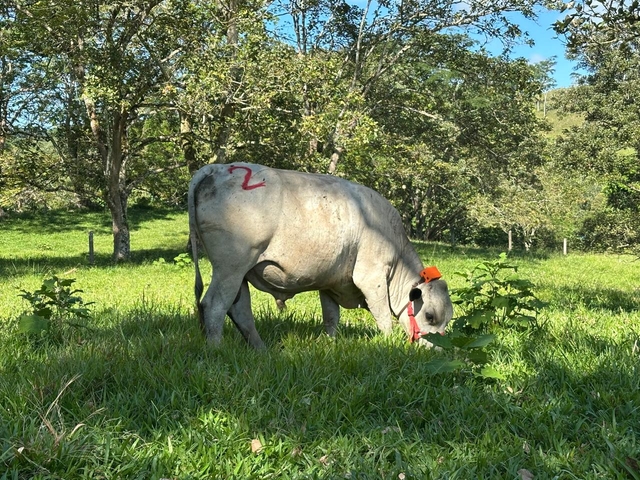
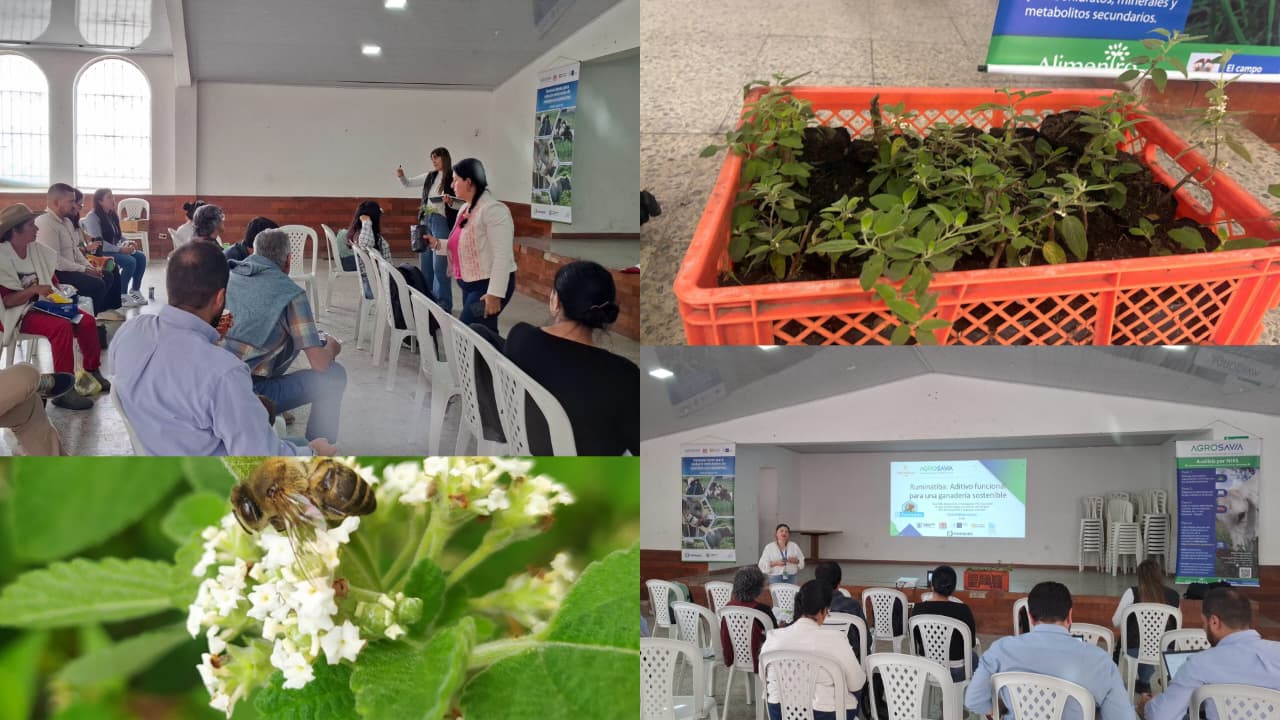
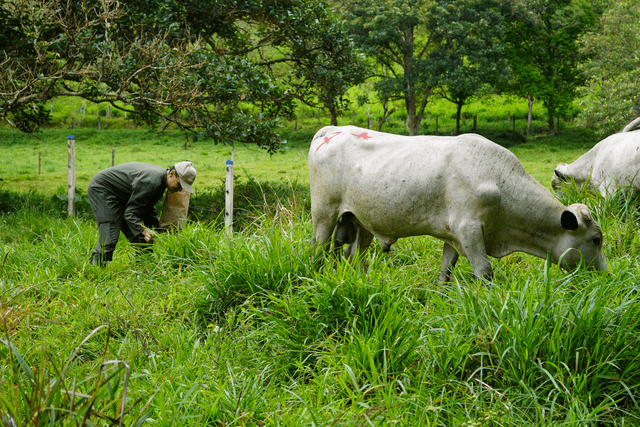
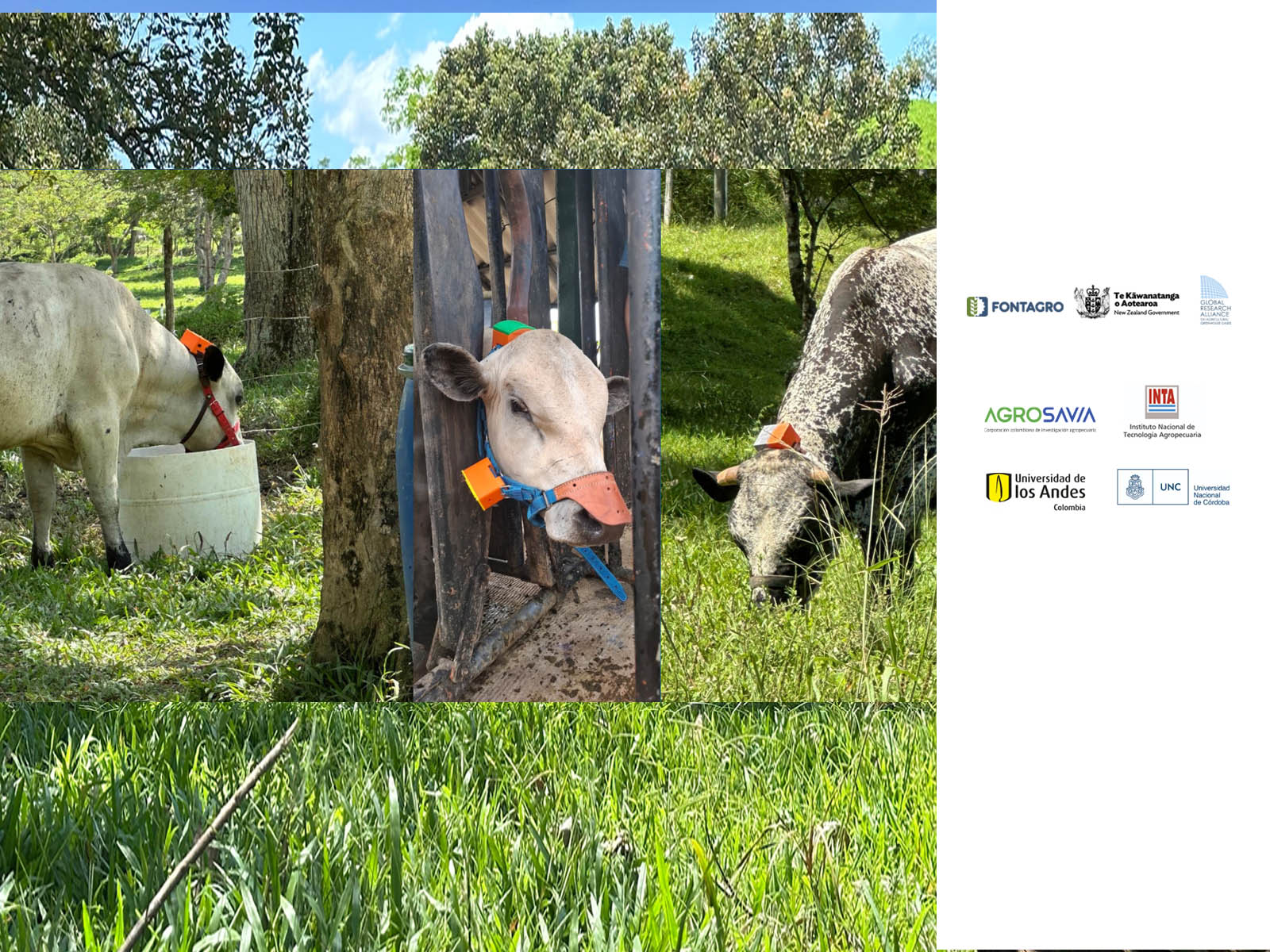
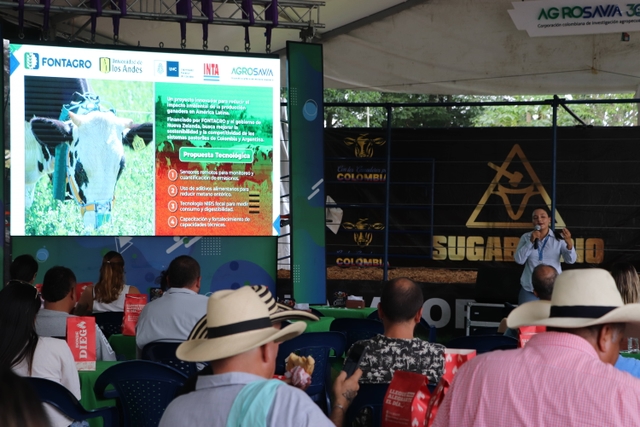
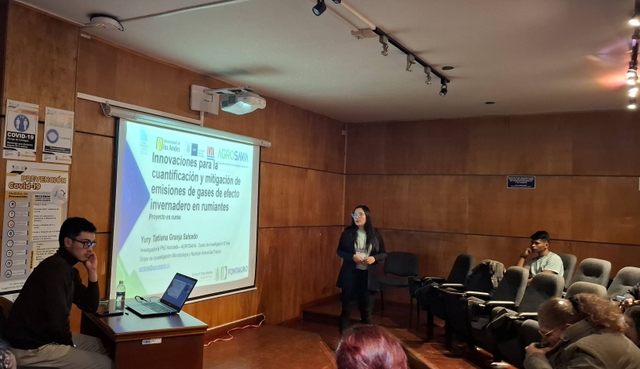
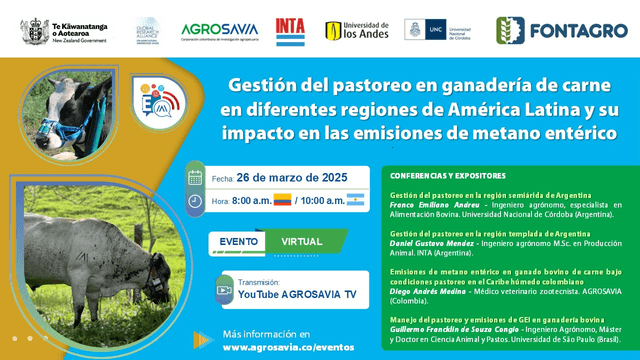
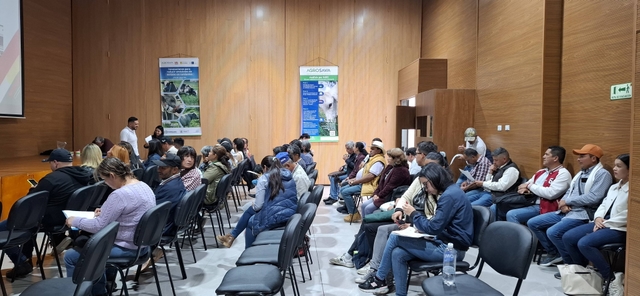
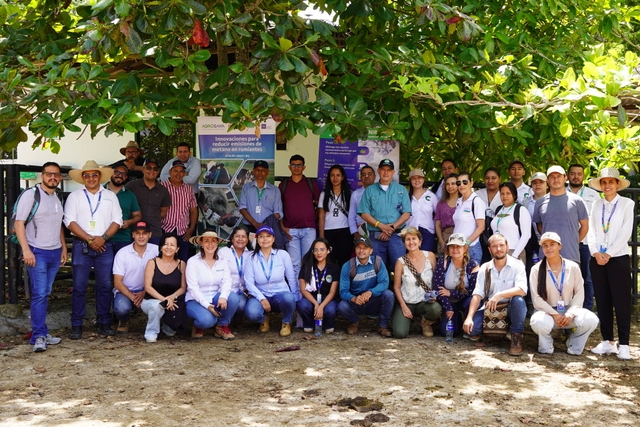
On September 12, 2025, the auditorium of the House of Culture in the Municipality of San Pedro de Los Milagros (Antioquia, Colombia) hosted the event "Towards More Sustainable Production": Technologies to Reduce Methane Emissions in Livestock Farming. This activity was developed within the framework of the FONTAGRO project "Innovations to Reduce Methane Emissions in Ruminants," which aims to reduce greenhouse gas (GHG) emission intensity in tropical cattle systems by 10%. This project is funded by the Government of New Zealand, as part of its contribution to the Global Research Alliance on Agricultural Greenhouse Gases (GRA). It is implemented by AGROSAVIA in Colombia and INTA in Argentina, with the support of the University of the Andes (Colombia) and the National University of Córdoba (Argentina).
This meeting brought together a total of 63 participants, including producers, technical assistants, members of local government institutions, private companies, and agricultural science students, 46% of whom were women. The event was organized thanks to the collaboration of the San Pedro de los Milagros municipal agriculture department, which facilitated the invitation and provided the venue.
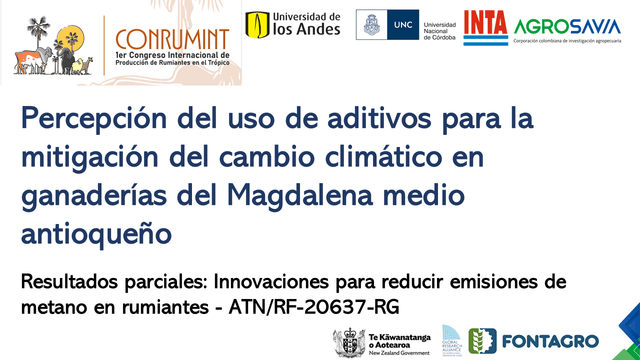
During the event, key project advancements were shared, and fundamental topics such as the importance of nutrition through grazing and the use of enteric methane mitigating feed additives in livestock farming were addressed, offering strategies to improve both animal nutrition and the sustainable management of local resources. Participants completed a survey promoted by the Regional Government of Arequipa (GRA) to assess the current state of implementation of enteric methane mitigating feed additives in the industry and the future perception of this technology's use in local livestock operations.
In addition to the presentations, the event provided a space for attendees to network and discuss the topics covered, strengthening connections within the agricultural sector and fostering collaboration between institutions and producers.
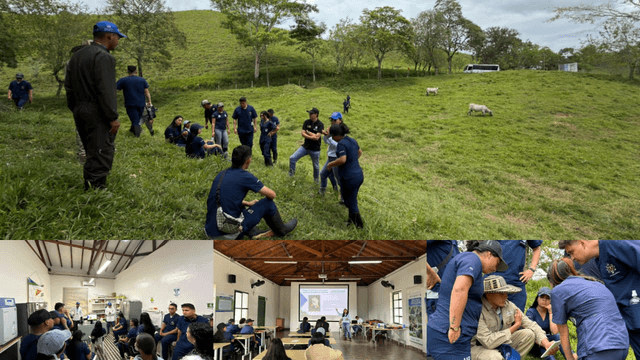
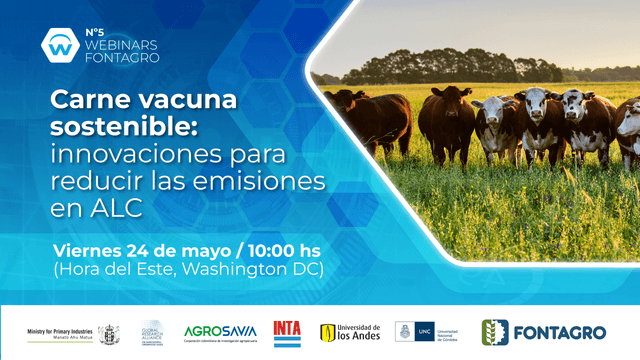
This is the fourth workshop in a series of regional activities aimed at bringing scientific knowledge to local communities and promoting the adoption of innovative technologies for more sustainable livestock farming in grazing systems in Latin America and the Caribbean. To learn more about this initiative, watch the following video:https://www.youtube.com/watch?v=EZwgLmIx3YY&list=LL&index=4&t=1s
.jpeg&w=640&q=100)