 Impact
 Initiatives
 Dashboard
 Alliances

 Impact
 Initiatives
 Dashboard
 Alliances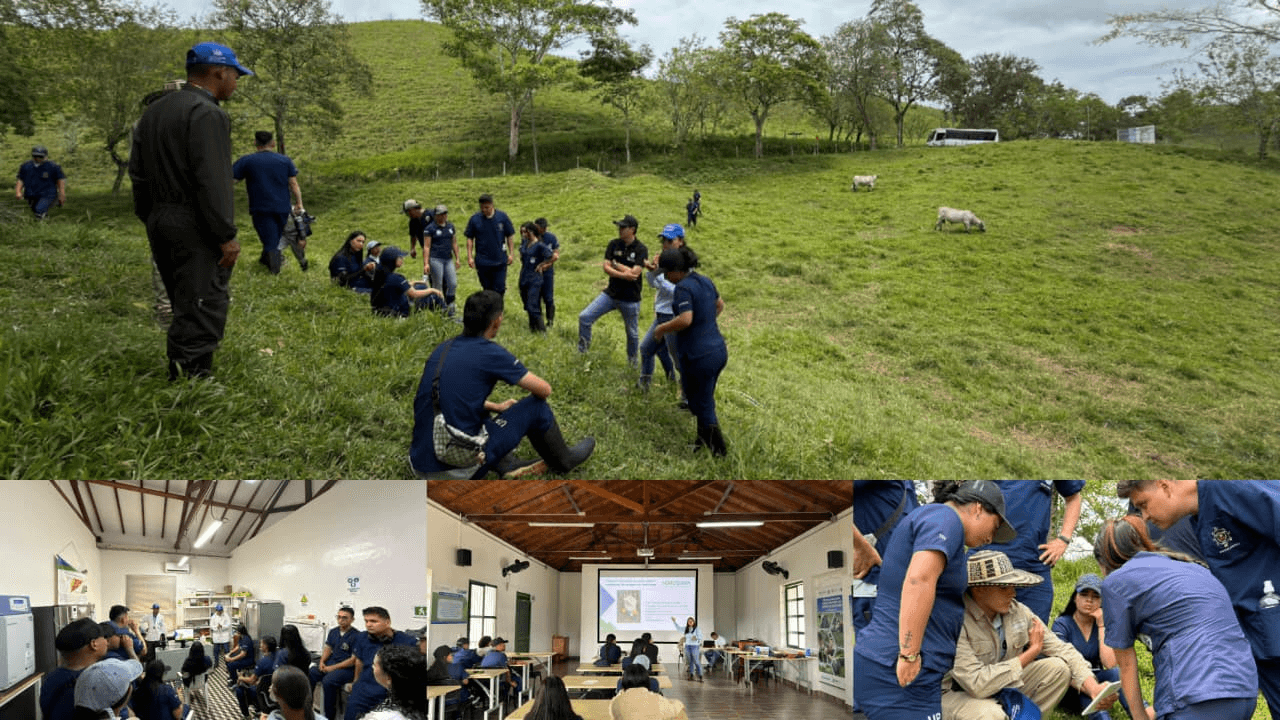

 Technological
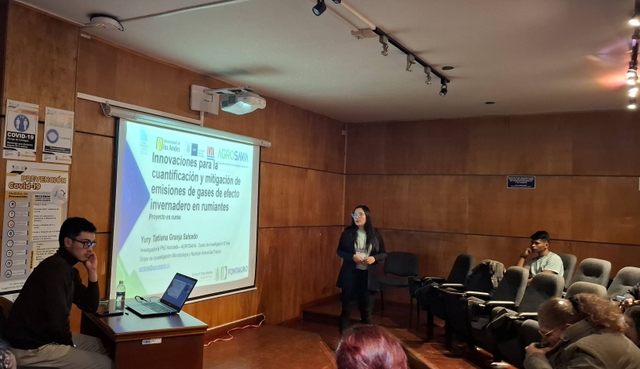
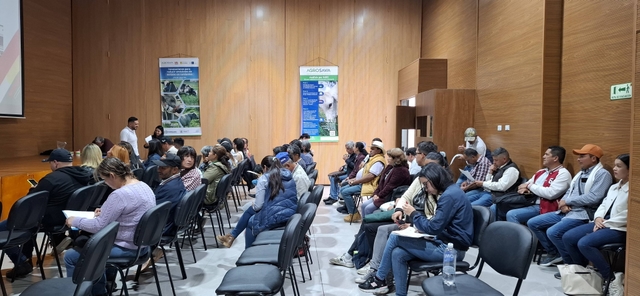
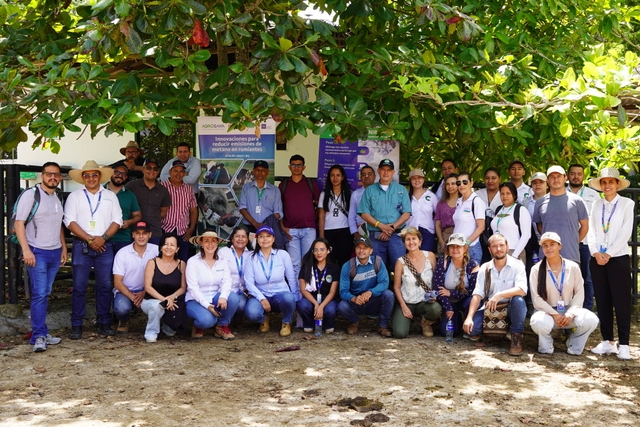
As part of the FONTAGRO project “Innovations to Reduce Methane Emissions in Ruminants,” two practical training workshops were held for students of Veterinary Medicine and Animal Science programs at AGROSAVIA’s Research Centers El Nus (Antioquia) and Tibaitatá (Cundinamarca), as part of the project’s capacity‑building actions for sustainable livestock production systems.
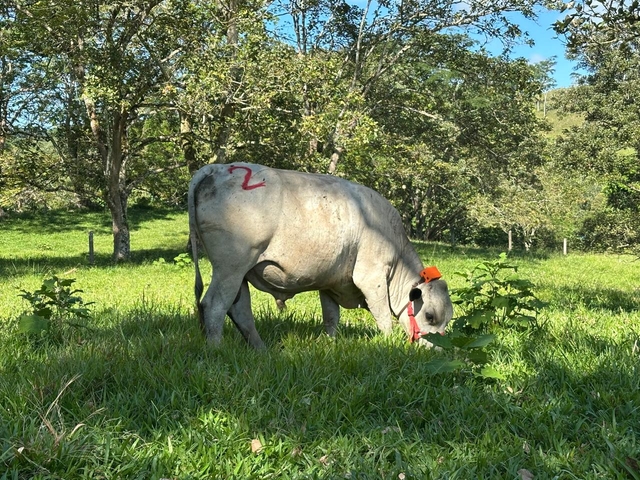
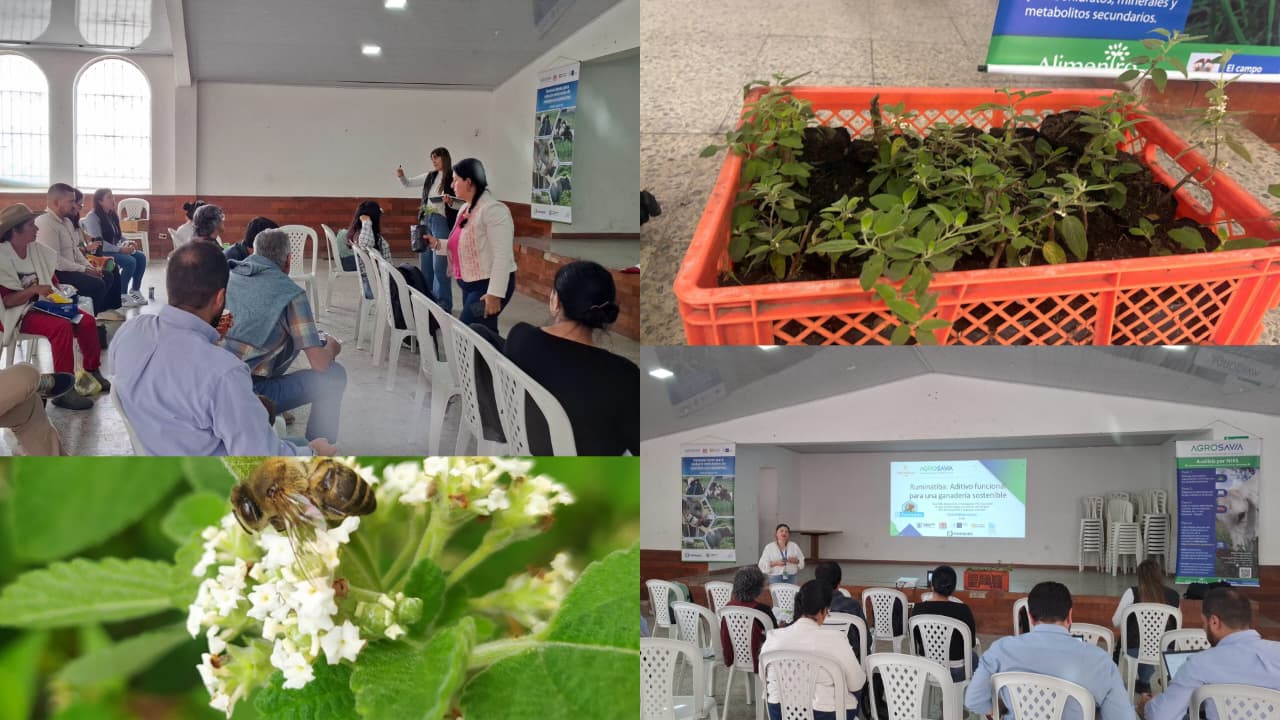
On April 15, 2026, a workshop was conducted at AGROSAVIA’s Tibaitatá Research Center with students of Veterinary Medicine and Animal Science from Uniagraria University of Colombia. The session focused on high‑altitude tropical pasture management and technologies for mitigating emissions in intensive and semi‑intensive livestock systems. Participants learned about nutritional evaluation tools, grazing management strategies, and greenhouse gas measurement methodologies applied under research conditions.
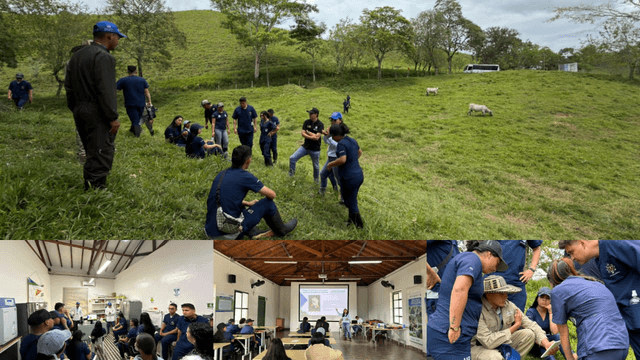
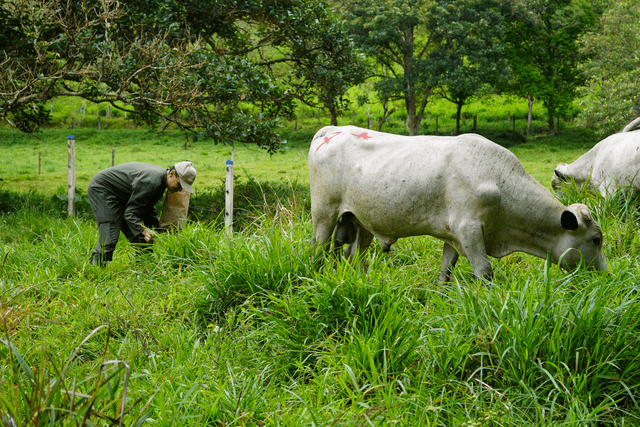
On May 8, twenty-ninth-semester Animal Science students from the University of Pamplona (Santander) took part in a theoretical‑practical workshop to learn about the project’s progress. The session included the presentation of preliminary results, demonstrations of animal metabolic monitoring protocols, and visits to experimental plots where methane emissions and grazing behavior are measured.
Both activities allowed students to interact with researchers, become familiar with equipment and protocols used in field and laboratory studies, and understand the role of science in the transition toward more sustainable livestock systems in Latin America and the Caribbean. Training these future professionals is essential to accelerating the adoption of sustainable livestock technologies and practices. By strengthening their skills early in their academic careers, the project helps prepare the next generation of trainers, advisors, and decision‑makers who will directly influence the country’s production systems, fostering more efficient and resilient livestock systems in the long term.
These workshops strengthen the link between research and professional training and contribute to the project’s goal of reducing greenhouse gas emission intensity by 10% in tropical cattle systems, with support from the Government of New Zealand through the Global Research Alliance on Agricultural Greenhouse Gases (GRA).
.jpeg&w=640&q=100)