
 Impact
 Initiatives
 Dashboard
 Alliances
 Impact
 Initiatives
 Dashboard
 Alliances


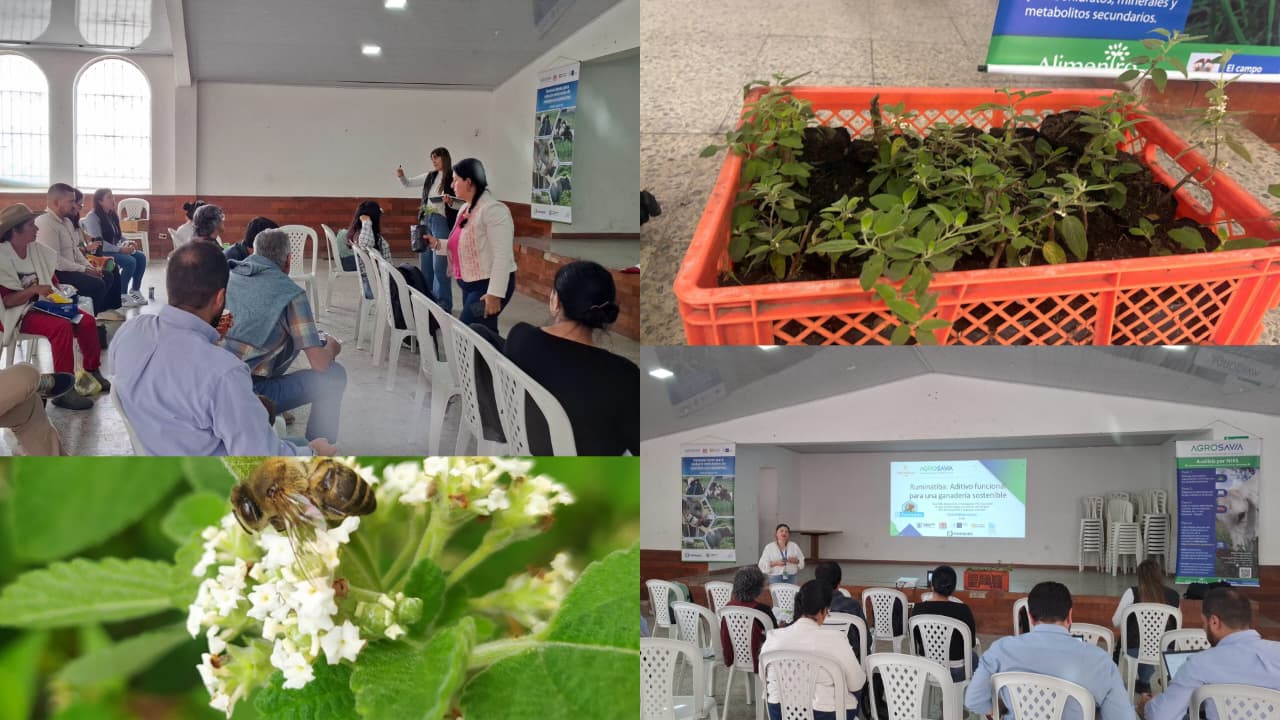
.jpeg&w=640&q=100)
Learn more about this story
Project Webstory
Go to webstory




 Diagnostic MethodAppliedTechnological
 2022
2022 Active
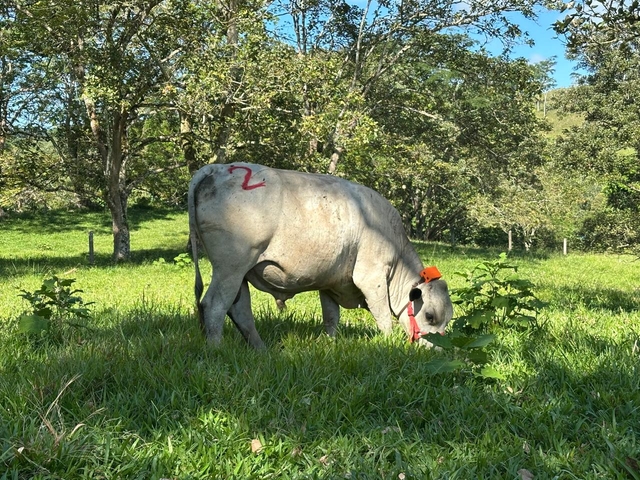
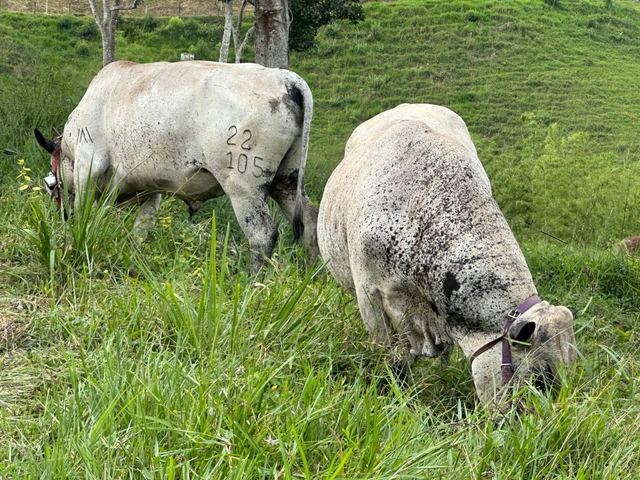
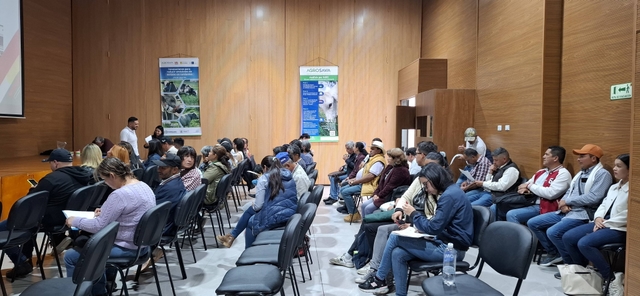
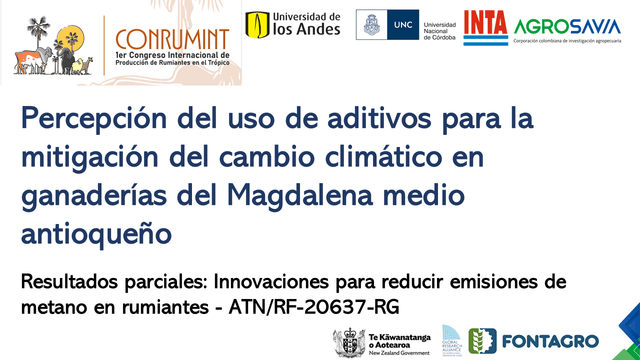
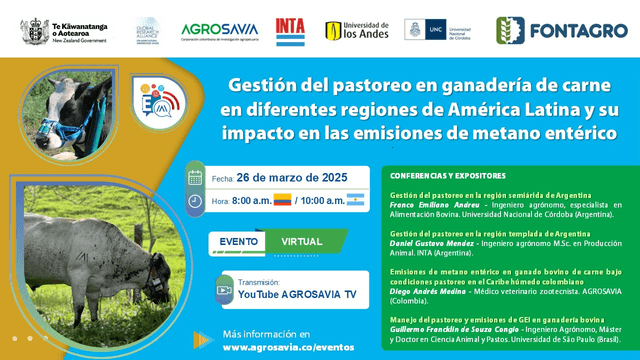
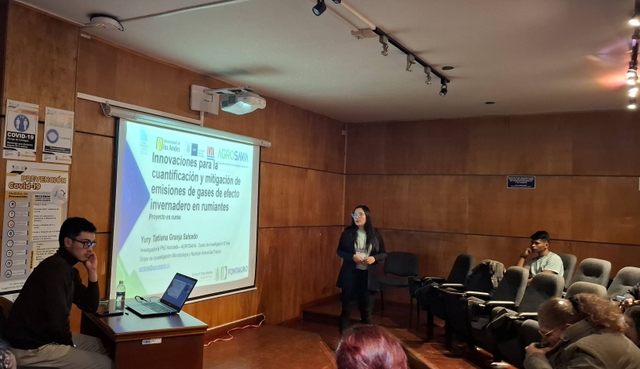
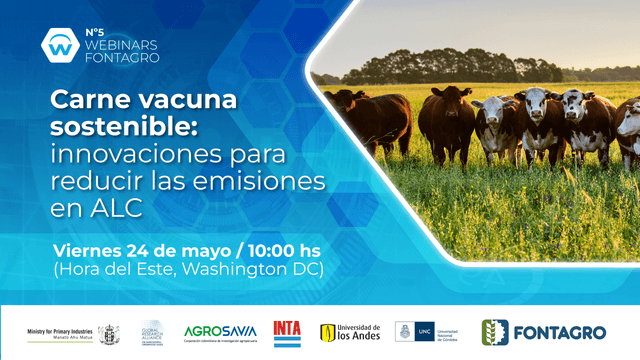
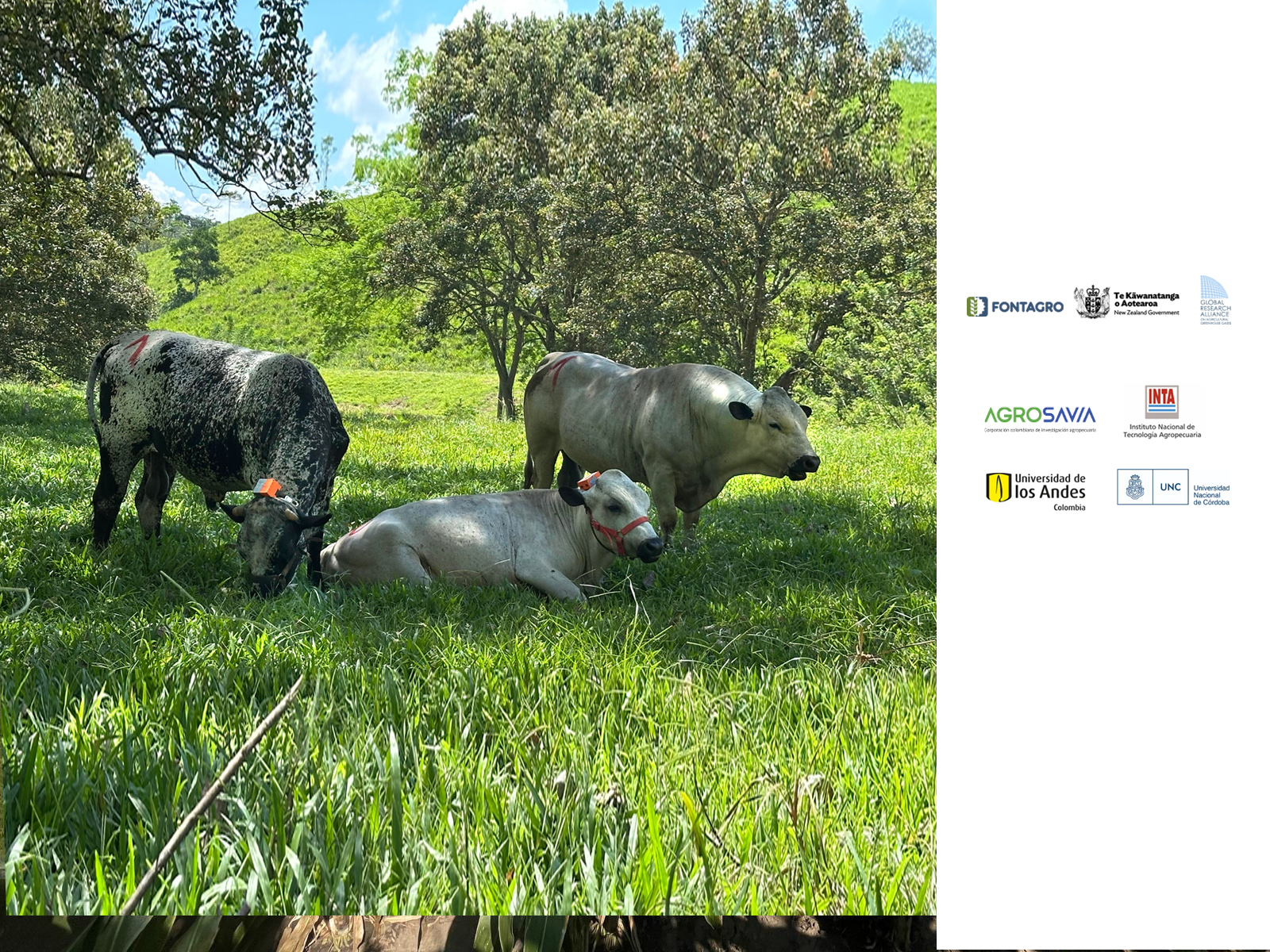
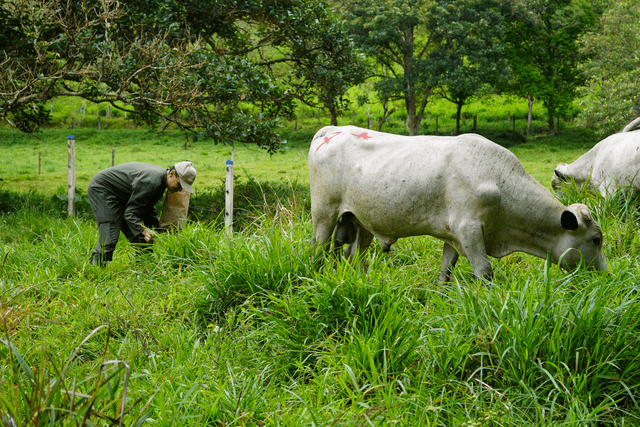
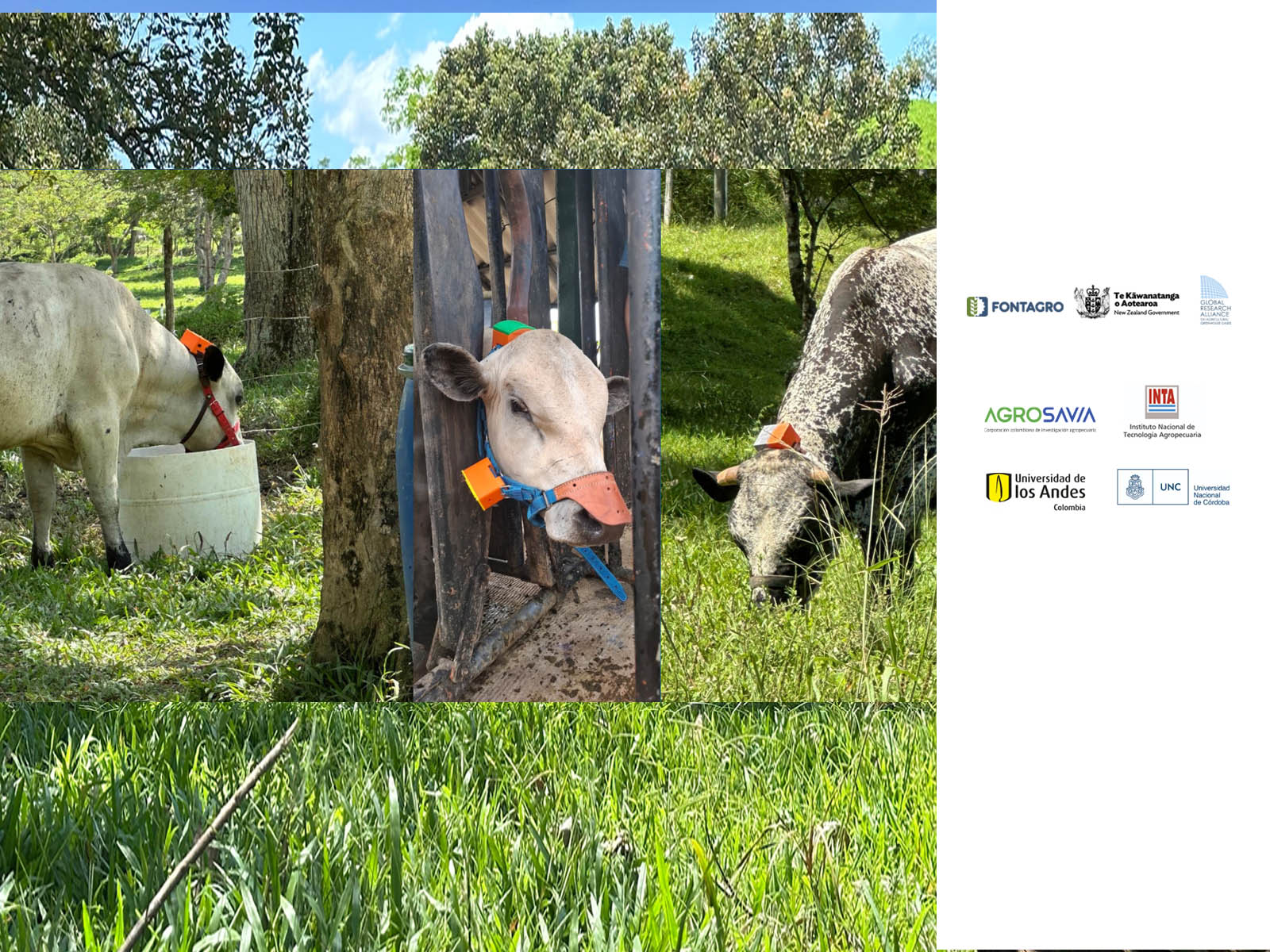
There is pressure to reduce the impact that livestock production systems have on the environment, accompanied by an increasing global demand for meat. However, the sustainability of these production systems in Latin America and the Caribbean (LAC) is fragile due to a low uptake of technological innovations for identifying opportunities to increase production sustainably. Currently, there are limitations in evaluating key parameters in real time at the farm level, such as intake, ingestive behavior, diet digestibility, and enteric CH4 emissions under grazing conditions. A lack of CH4 emissions data, impedes emission reduction capacity and the competitiveness and sustainability of livestock in LAC. The objective of this proposal is to reduce emission intensity (g of CO2e/kg meat) in bovine production systems by 10% through the implementation of technological innovations developed in Latin America for the quantification and mitigation of greenhouse gases (GHG). The implementation of these innovations will enable improvements in sustainability and resilience of cattle farms facing the impacts of climate change in LAC. It is also expected to improve the accuracy of enteric CH4 emission quantification in LAC, relative to those generated using the IPCC emission factors, allowing quantification of the environmental impact of production and selection of appropriate GHG mitigation strategies. The project is funded by the New Zealand Government as part of its contribution to the Global Research Alliance on Agricultural Greenhouse Gases (GRA).
This project aims to reduce emission intensity (g CO2e/kg of meat) by 10% through technological innovation, developed in Latin America, for the quantification and mitigation of greenhouse gases. Uptake of these innovations will lead to increased sustainability and climate change resilience of livestock systems in Latin America and the Caribbean.
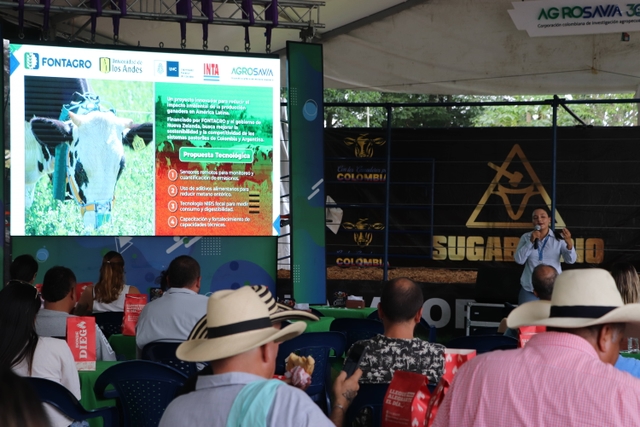
There are four expected results:
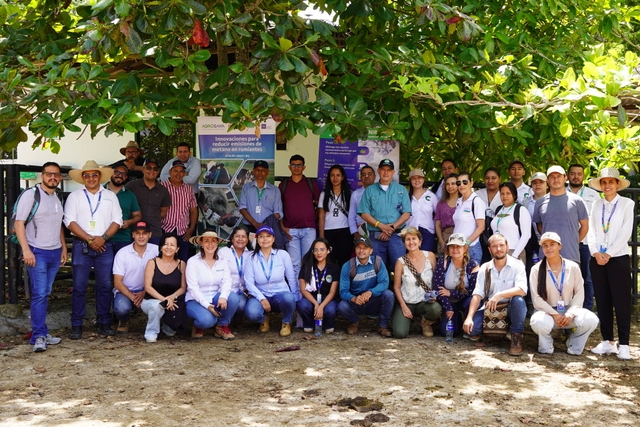
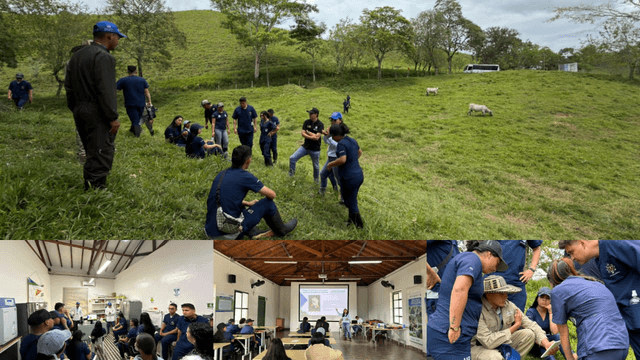
Direct beneficiaries will include pastoral livestock producers, technical assistants, and the academic community from the Antioquia, Cundinamarca, and Córdoba regions in Colombia and from the Southeast Bonaerence and central Córdoba regions in Argentina. This project will contribute to the training of at least two undergraduate students, two postgraduate students, a postdoctoral fellowship, and the strengthening of technical-scientific capacities of 20 researchers, of which 12 (60%) are women. Expected positive impacts of the implementation of the three technological innovations on pastoral cattle producers include a reduction of CO2 equivalent emissions per animal of at least 10% and an increase of up to 10% in weight gain (kg/day), driven by increased efficiency in use of forage and animal resources, optimization of ruminal fermentation and mitigation of enteric CH4 emissions. The indirect beneficiaries in Colombia total 136,855 cattle producers managing herds ranging from 1 to 500 head of cattle in pasture-based systems across the departments of Antioquia, Córdoba, and Cundinamarca. In Argentina, they include an estimated 3,865 beef and dairy producers from the Southeast Bonaerense region and 1,145 pasture-based dairy producers from the central subhumid Pampas region.
This project actively contributes to achieving the Sustainable Development Goals, promoting more equitable, resilient, and sustainable regional development.


Yury Tatiana Granja Salcedo
ColombiaPatricia Ricci
ArgentinaOlga Lucia Mayorga Mogollón
ColombiaFredy Enrique Segura Quijano
ColombiaFlorencia Garcia
ArgentinaDiana Marcela Valencia Echavarria
ColombiaLorena Inés Mestra Vargas
ColombiaAndrea Milena Sierra Alarcón
ColombiaJorge Guillermo Noriega
ColombiaJorge Martínez Ferrer
ArgentinaDiana Marcela Parra Forero
ColombiaChristian Thomas Carvajal Bazurto
Camilo Ignacio Jaramillo Barrios
October 1, 2026

September 9, 2026
May 10, 2026
The tangible impact of science and technology in the field
Sponsors


With the support of



1.png&w=384&q=75)