 Impact
 Initiatives
 Dashboard
 Alliances
 Impact
 Initiatives
 Dashboard
 Alliances


Learn more about this story
Project Webstory
Go to webstory




 Postharvest ManagementAppliedTechnological
 2023
2023 Active
The promotion of healthier lifestyles has increased the consumption of fresh products such as tropical and Mediterranean fruits. However, the consumption of fresh fruits may expose consumers to a higher risk of foodborne diseases, as these products often do not undergo processing stages capable of ensuring the effective elimination or inactivation of pathogenic microorganisms. Therefore, postharvest treatments are essential to preserve fruit quality and nutritional value by reducing microbial load and extending shelf life.
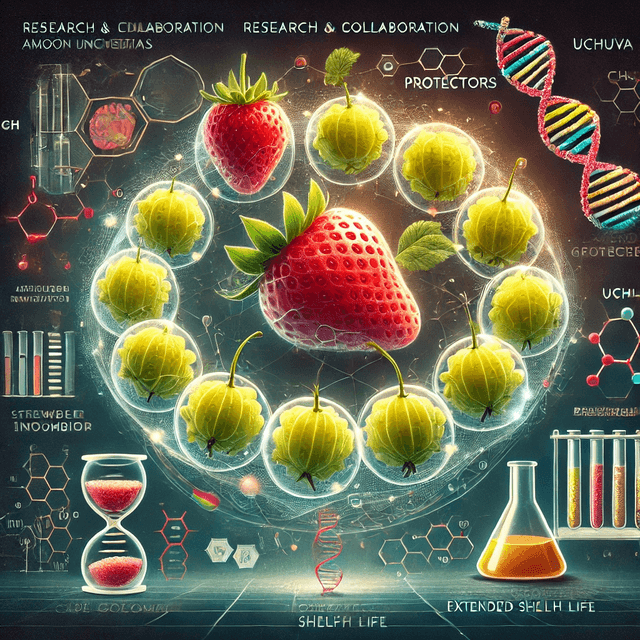
Unlike conventional postharvest protection strategies, fruit biopreservation offers several advantages through the use of bioactive compounds that represent a safe and sustainable alternative for protecting fruits against postharvest deterioration. In this context, the project proposes the experimental application of an innovative technology based on multifunctional metabolites with antibacterial, antifungal, and antioxidant properties, produced by food-grade (GRAS) microorganisms and combined with natural GRAS substances. This approach aims to enhance consumer safety by providing high-quality and microbiologically safe foods.
Through the project, “Multifunctional Bioprotectors” (BMs) are expected to evolve into a commercial solution for improving the safety and preservation of postharvest fruits through natural conservation strategies from farm to consumer. The technology also aims to mitigate economic losses associated with pathogen contamination and reduce the risk of foodborne diseases linked to contaminated fruits. By the end of the project, a scientific and technological foundation is expected to be available for countries in the region, supporting the implementation of this promising technology under local production conditions.
The project activities will be carried out in Ecuador, Colombia, and Chile, with the participation of leading institutions in agro-industrial and biotechnological research.
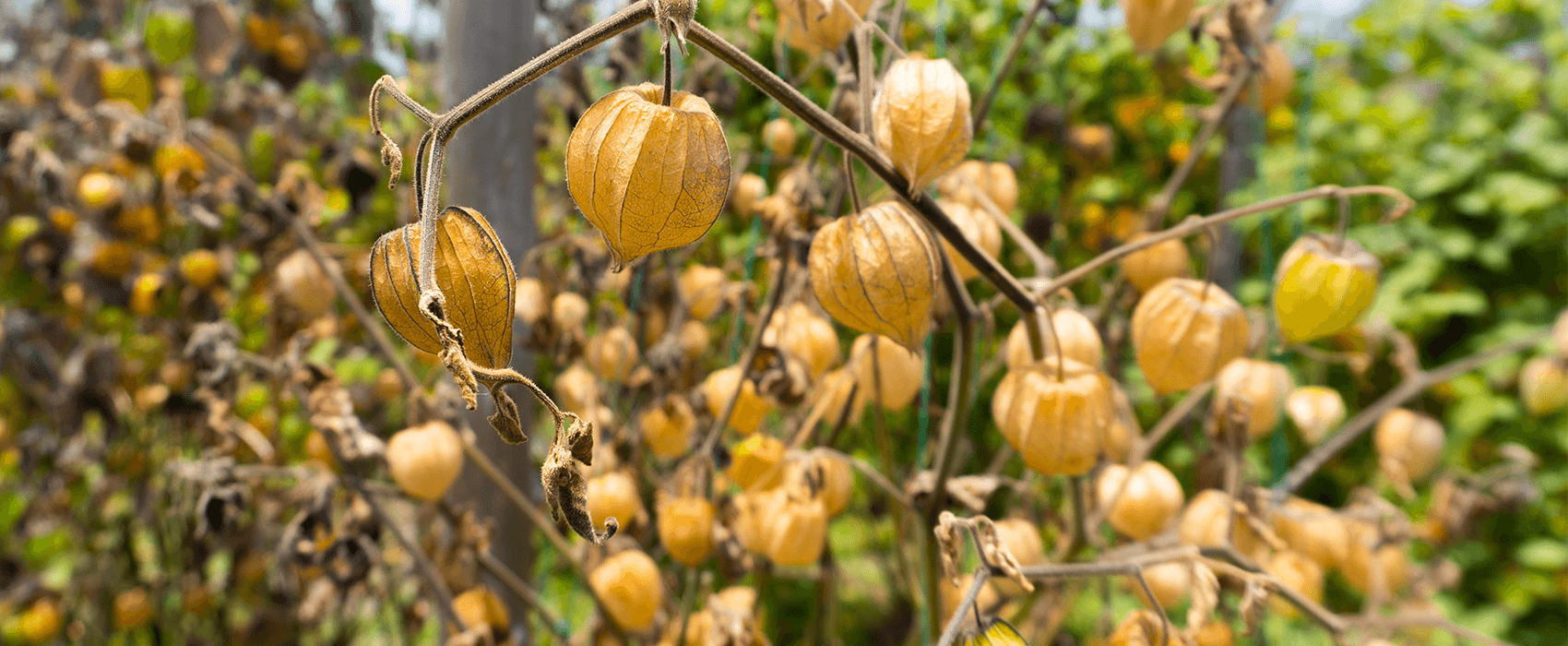
Improve the safety and nutritional quality of postharvest cape gooseberry and strawberry fruits through the formulation and application of Multifunctional Bioprotectors (MBs). The development of MBs for fruit protection represents an important technological innovation aligned with Sustainable Development Goal (SDG) 3, “Good Health and Well-being,” and SDG 12, “Responsible Consumption and Production.” Within this framework, the project proposes a sustainable strategy focused on preserving fruit quality, reducing microbial contamination, and enhancing nutritional properties.
The proposed technology is based on the design of MB formulations containing bacterial metabolites (Ecuador and Colombia) and natural compounds (Chile) aimed at preventing or reducing biofilm formation and fruit rot, thereby improving postharvest safety and quality. The MBs will initially be evaluated under experimental (in vitro) conditions, after which one selected BM per country will be validated in producers’ storage facilities under real postharvest conditions. Through this project, the first experimental trials will be conducted together with the productive sector (fruit producers), enabling future prototypes to advance toward the next stage of technological maturity, corresponding to TRL 6 (“Technology Readiness Level 6” or demonstration phase).
This technological innovation is supported by a consortium of three higher education institutions from Ecuador, Colombia, and Chile, all of which possess the infrastructure and specialized equipment required for project implementation. In addition, strategic alliances have been established with producer companies, including Terrafertil S.A., Frutimar AG, and S.A.T. Frutillas Chanco-Pelluhue, with the aim of strengthening food safety, promoting sustainable production systems, and supporting economic development and labor efficiency within the fruit production sector. Consequently, the development of a bioproducts market in Ecuador and Colombia—countries whose economies still largely depend on primary-export models—represents a significant economic and technological opportunity.
Ecuador
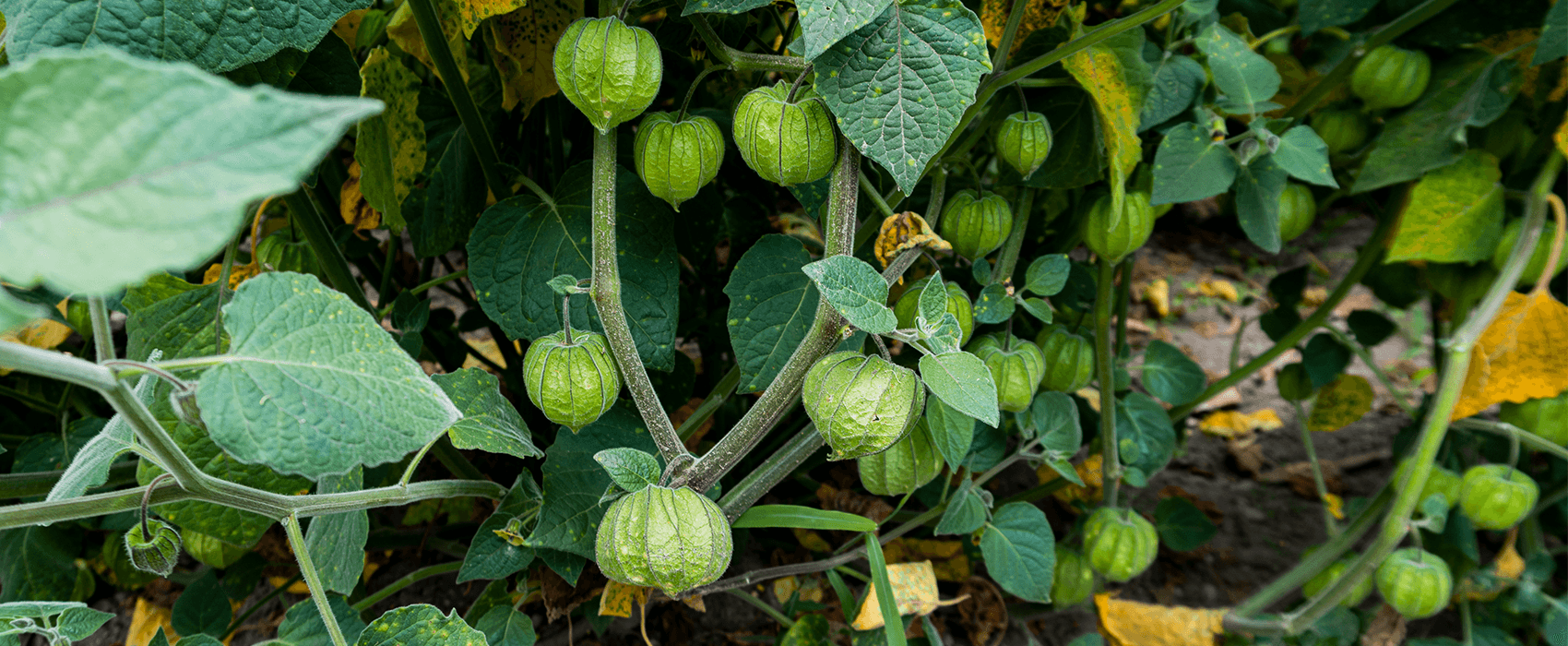
During the first year of implementation, eight multifunctional bioprotectors (BMs) were developed and evaluated, from which two candidates with high antimicrobial and antifungal potential (BM1 and BM13) were selected. When applied to goldenberry fruits, these BMs significantly reduced the microbial load (up to 70%) and fungal incidence (up to 50%) compared to the baseline (untreated fruit). Additionally, a reduction in weight loss during storage was observed, contributing to improved shelf life and commercial quality of the fruit. No negative effects were detected on key nutritional parameters (vitamin C, polyphenols, and antioxidant capacity), maintaining the functional quality of the product.
At the analytical level, metabolome analysis revealed a high diversity of bioactive metabolites, including compounds with antimicrobial activity and structural similarity to ribosomally synthesized and post-translationally modified peptides (RiPPs), such as lasso peptides, lantipeptides, and glycocins, supporting the proposed mechanism of action of the selected BM1. These findings will be further validated under in situ conditions in fruit production systems to confirm their efficacy.
Colombia
During this first research period, 434 actinobacterial isolates were evaluated in vitro. A total of 47 isolates showed some degree of inhibition against the fungus Botrytis sp. From these, 11 multifunctional bioprotectors (BMs) were obtained and evaluated from the nine best-performing strains. Two BMs (BM S210.3B2.2 and BM SO18B) were selected due to their outstanding performance in laboratory assays using fruit inoculated with Botrytis sp.
Under room temperature incubation conditions, pathogen reduction reached 70.5% and 77.3% for BM S210.3B2.2 and BM SO18B, respectively. When combined with storage at 4 °C, pathogen reduction increased to 84.1% and 90.9%, respectively. Metabolic analyses of both BMs revealed the presence of low-molecular-weight secondary metabolites embedded within a matrix of exopolysaccharides and hydrolytic enzymes, suggesting that the antifungal activity results from the combined action of multiple biomolecule types. During the next phase, different application regimens of the selected BMs will be validated directly on fruits.
Chile
At the UT-Chile unit, during the first year, the effects of five BMs consisting of individual and combined methyl jasmonate (MJ) and chitosan (CS) treatments were evaluated during the postharvest storage of mature strawberry fruits (Fragaria × ananassa ‘Monterey’). The study focused on their inhibitory effect against the fungal pathogen Botrytis cinerea and their impact on antioxidant activity during postharvest storage.
The results demonstrated that BMs based on combined MJ and CS treatments significantly reduced the incidence of B. cinerea, extended postharvest shelf life without negatively affecting key commercial attributes such as color and firmness, and improved the antioxidant capacity of the fruits. Overall, these findings support the potential of MJ and CS as sustainable alternatives for improving strawberry postharvest quality.
Direct beneficiaries: Approximately 2,000 fruit producers from Ecuador, Colombia, and Chile. In addition, the project partners have a network of collaborators, including distributors and consumers, who may also benefit from the implementation of this new technology.
Indirect beneficiaries: Approximately 100,000 fruit consumers and at least two agri-food companies. Furthermore, more than 50,000 academics and researchers are expected to benefit from the knowledge generated through scientific publications and dissemination activities.
This project actively contributes to achieving the Sustainable Development Goals, promoting more equitable, resilient, and sustainable regional development.



Gabriela Nicoleta Tenea
EcuadorCarlos Rodrigo Figueroa
ChileMiguel Angel Puertas Mejia
ColombiaClara Gabriela Ortega Benítez
EcuadorJaneth Ibadango
EcuadorManuela Gallego Villada
ColombiaPaz Estefanía Zuñiga
ChileDeysi Tatiana Muñoz Castiblanco
ColombiaRosario de Lourdes Yépez Placencia
EcuadorDiego Francisco Mora Yepez
EcuadorEvelyn Angamarca
EcuadorClaudia Ruiz
EcuadorYuleissy Noemi Cuamacas Cueva
EcuadorDiana Margarita Molina Puma
EcuadorRenato Centeno
The tangible impact of science and technology in the field
Sponsors


With the support of