The application of multifunctional metabolites produced by microorganisms and natural compounds, both GRAS (generally safe), will ensure that consumers have access safe and high-quality foods.

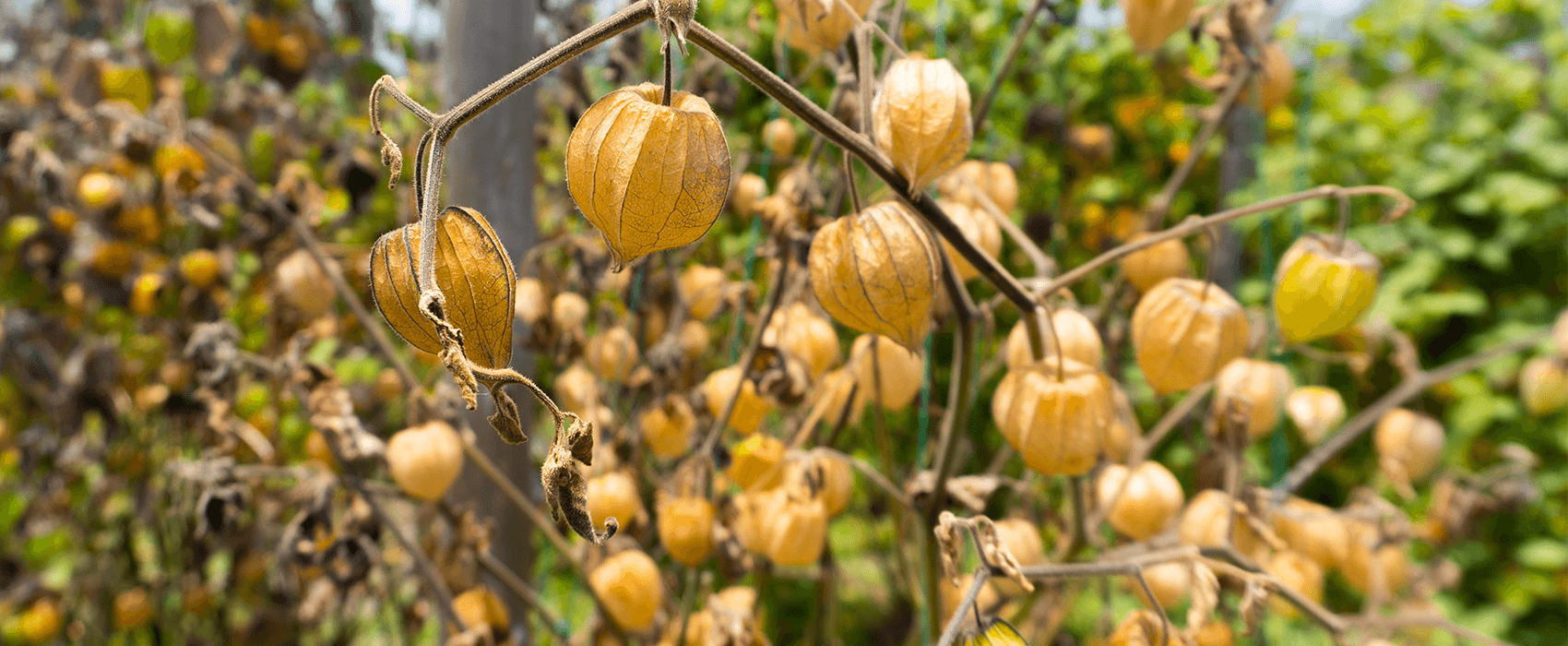
After harvest, fruits begin to lose their properties due to mechanical damage, high rates of respiration and transpiration, and bacterial and fungal infection. The research team has identified that, in Ecuador, Colombia, and Chile, fruits of commercial interest have high contamination by pathogenic bacteria and fungi, which reduces their quality and, therefore, limits access to international markets. By reducing the microbial load, postharvest treatments with bioprotectants preserve the nutritional quality of the fruit and increase its safety. It is necessary to develop sustainable and natural techniques to maintain fruit quality and safety during postharvest, while reducing the environmental impact caused by the excessive use of pesticides.
Bio-protectors for postharvest preservation
The project focuses on developing, validating, and establishing a prototype of multifunctional bioprotectants for postharvest fruit preservation. It aims to formulate natural solutions based on microbial metabolites and natural compounds with antifungal, antibacterial, and antioxidant activity. The initiative seeks to reduce losses due to spoilage, improve safety, and extend shelf life without affecting the sensory quality of the fruits. It also includes experimental validation, stability evaluation, and feasibility analysis for future agro-industrial application.

The solution consists of natural bioprotectors formulated from metabolites produced by beneficial microorganisms and bioactive compounds of natural origin. These agents exhibit antifungal, antibacterial, and antioxidant activity, enabling the control of pathogens responsible for postharvest spoilage.
The treatment is applied through simple and scalable methods such as immersion or spraying, facilitating integration into existing agro-industrial processes. The technology reduces the use of synthetic preservatives, generates no chemical residues, and maintains quality attributes such as color, firmness, and nutritional value. Additionally, it responds to market demand for safer and more sustainable foods.
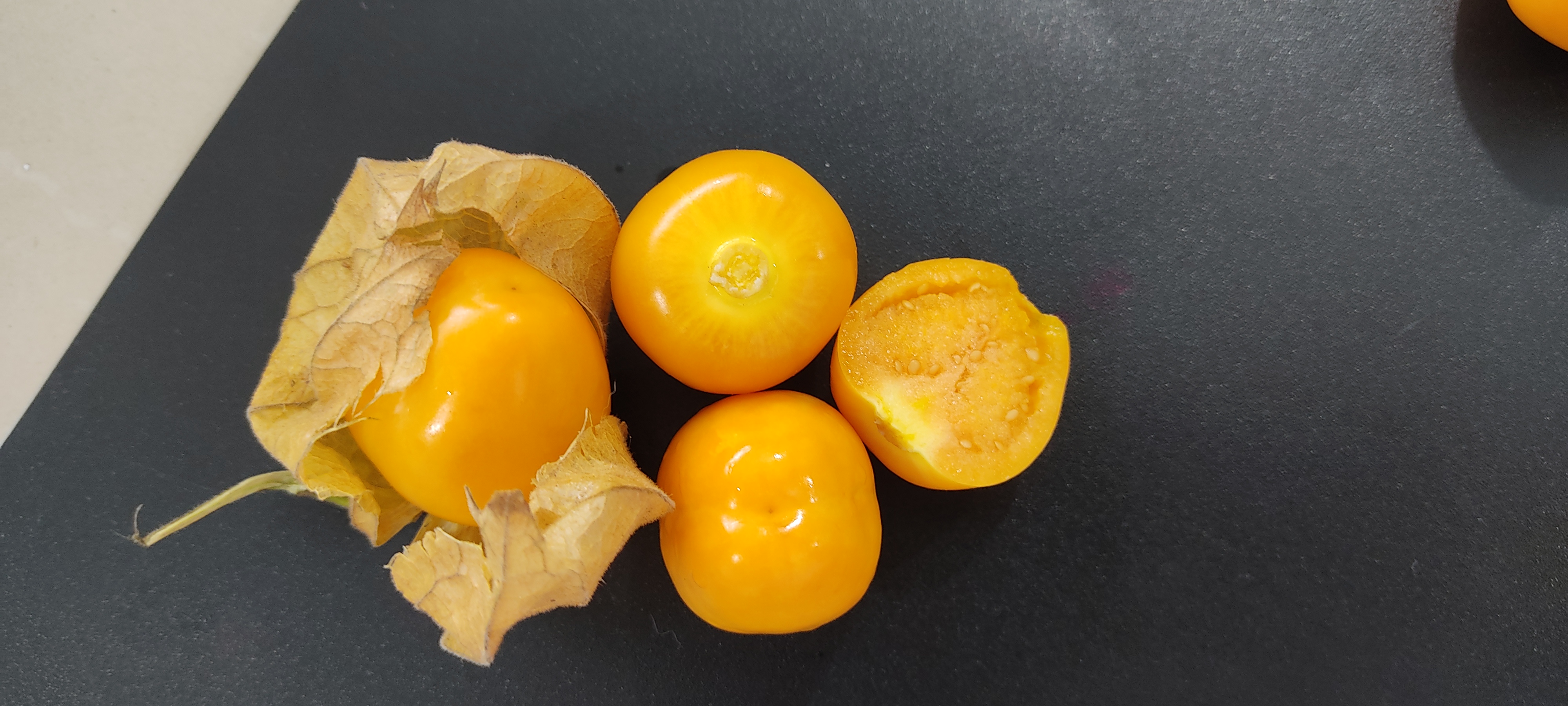
"Working to ensure the effective elimination or inactivation of pathogenic microorganisms that contamine the aliments"— UTN Project Leader
 Postharvest ManagementAppliedTechnological
Multifunctional bioprotectants were developed for the postharvest preservation of fruits, formulated from microbial metabolites and bioactive compounds with antifungal, antibacterial, and antioxidant activities. Experimental trials conducted in Ecuador (UTN), Chile (UT), and Colombia (UdeA) demonstrated a significant reduction in microbial load and infection severity under both ambient and refrigerated storage conditions. The treatments effectively extended shelf life, reduced biomass loss, and preserved key commercial quality attributes, including color, firmness, and sweetness. No significant changes were observed in the nutritional composition; moreover, an increase in antioxidant capacity, vitamin C, and β-carotene content was detected. These findings confirm the scientific and technical feasibility of the proposed solution and support its potential for scale-up and technology transfer to the regional agri-food sector.
Relevant data







Ecuador

Colombia

Chile

The Tangible Impact of Science and Technology in the Field

 Impact
 Initiatives
 Dashboard
 Alliances
 Impact
 Initiatives
 Dashboard
 Alliances