 Impact
 Initiatives
 Dashboard
 Alliances

 Impact
 Initiatives
 Dashboard
 Alliances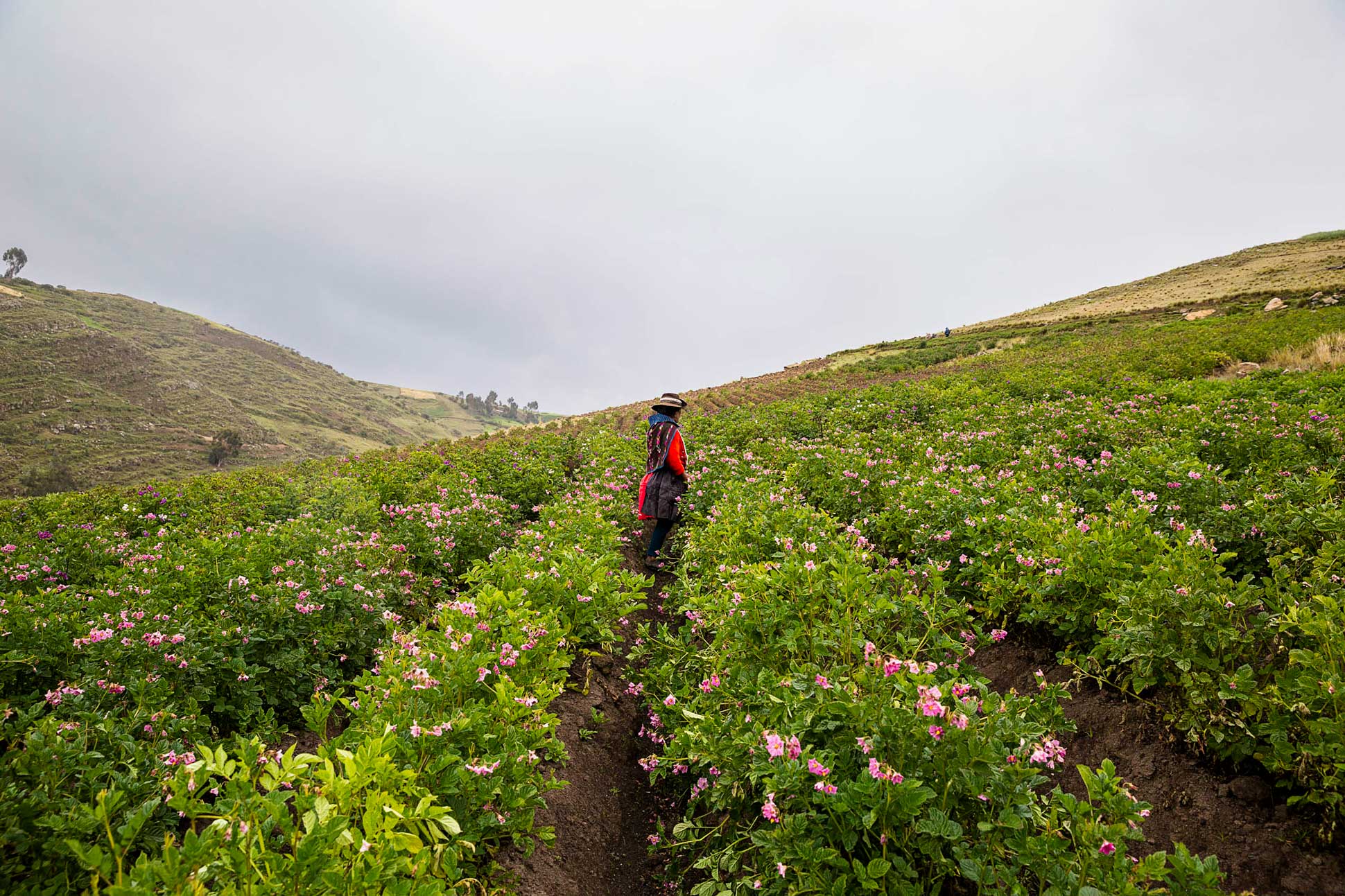

 Technological-Organizational-Institutional
Climate Change Threatens Regional Agriculture
It is estimated that in the next 40 years, the population in LAC will increase by 35%, incomes will improve, and the demand for food will grow by 50%. To meet this demand, production and productivity must increase, but with a rational use of land, water, and genetic resources, favoring nutrient recycling and reversing environmental degradation. One of the greatest challenges in achieving this is climate change, which affects agriculture due to rising average temperatures and the increased frequency of extreme weather events such as heatwaves, frost, droughts, and floods.
An Attempt at a Solution
Commissioned by FONTAGRO, CATIE conducted a study that analyzed and projected agricultural production and food demand in LAC under different climate scenarios. It proposes several technological and institutional innovations that promote adaptation of agriculture and livestock to climate change, mitigation of greenhouse gas emissions, conservation of environmental services, and resilience of family farming. Based on documentary sources, modeling, and the opinions of 35 experts from the region convened in three virtual meetings, the study describes possible temperatures and precipitation under a moderate scenario (RCP 4.5) and an extreme scenario (RCP 8.5) of climate change, and how these regimes would affect the area and territorial distribution of thirteen crops typical of family agriculture, four industrial crops, and five forage grasses and legumes in lowland tropical, temperate, and highland tropical zones.
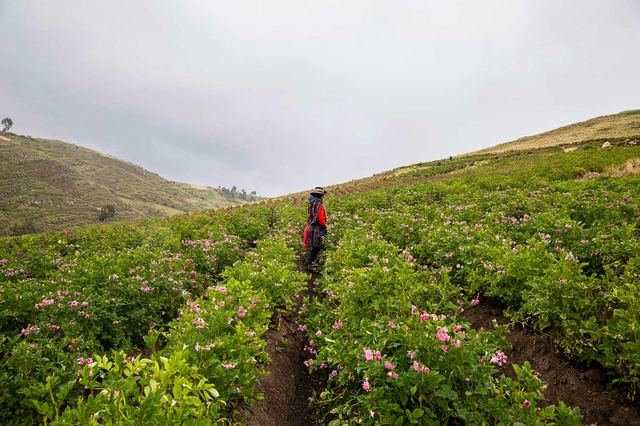
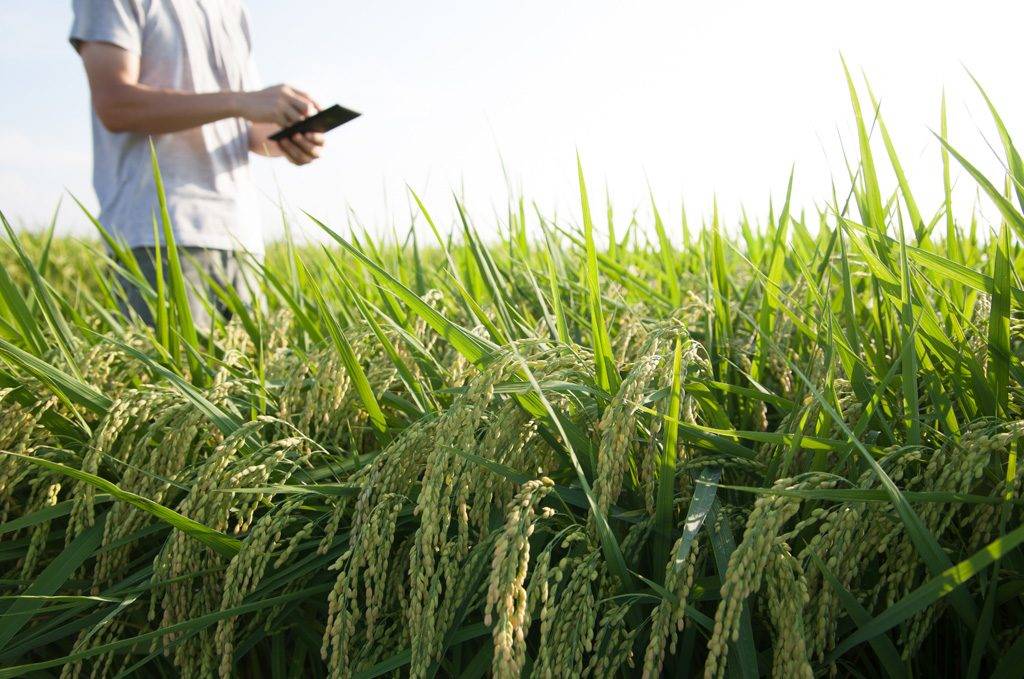
Several crops, such as rice, banana, cocoa, coffee, sugarcane, corn, and soybeans, would not show variations in their current suitable areas. However, beans, potatoes, tomatoes, and wheat are shown to be very vulnerable, with their current areas significantly decreasing by 2050, while pineapple and sorghum would benefit from climate changes. In general, there would be a shift of crops from areas that would cease to be suitable to others that would acquire climatically appropriate conditions. The projections were made using the ECOCROP model, which utilizes water availability and optimal temperatures for plant development.
To counteract the effects of climate change, particularly on family agriculture, 23 technological innovations were identified aimed at improving water capture and use, soil conservation and fertility, appropriate use of genetic diversity, and rational management of food resources for livestock and crop waste. For each innovation, the agroecological zones where they have the greatest potential for application and vulnerability reduction are indicated, along with expected benefits and enabling factors for their adoption, including public policies and the reengineering of research systems, which should pay as much attention to adaptation as to mitigation of greenhouse gas emissions. Regional organizations could adopt the innovations proposed by this study and apply them in research and development programs and projects funded in the region, as well as in strengthening national research institutions.