 Impact
 Initiatives
 Dashboard
 Alliances

 Impact
 Initiatives
 Dashboard
 Alliances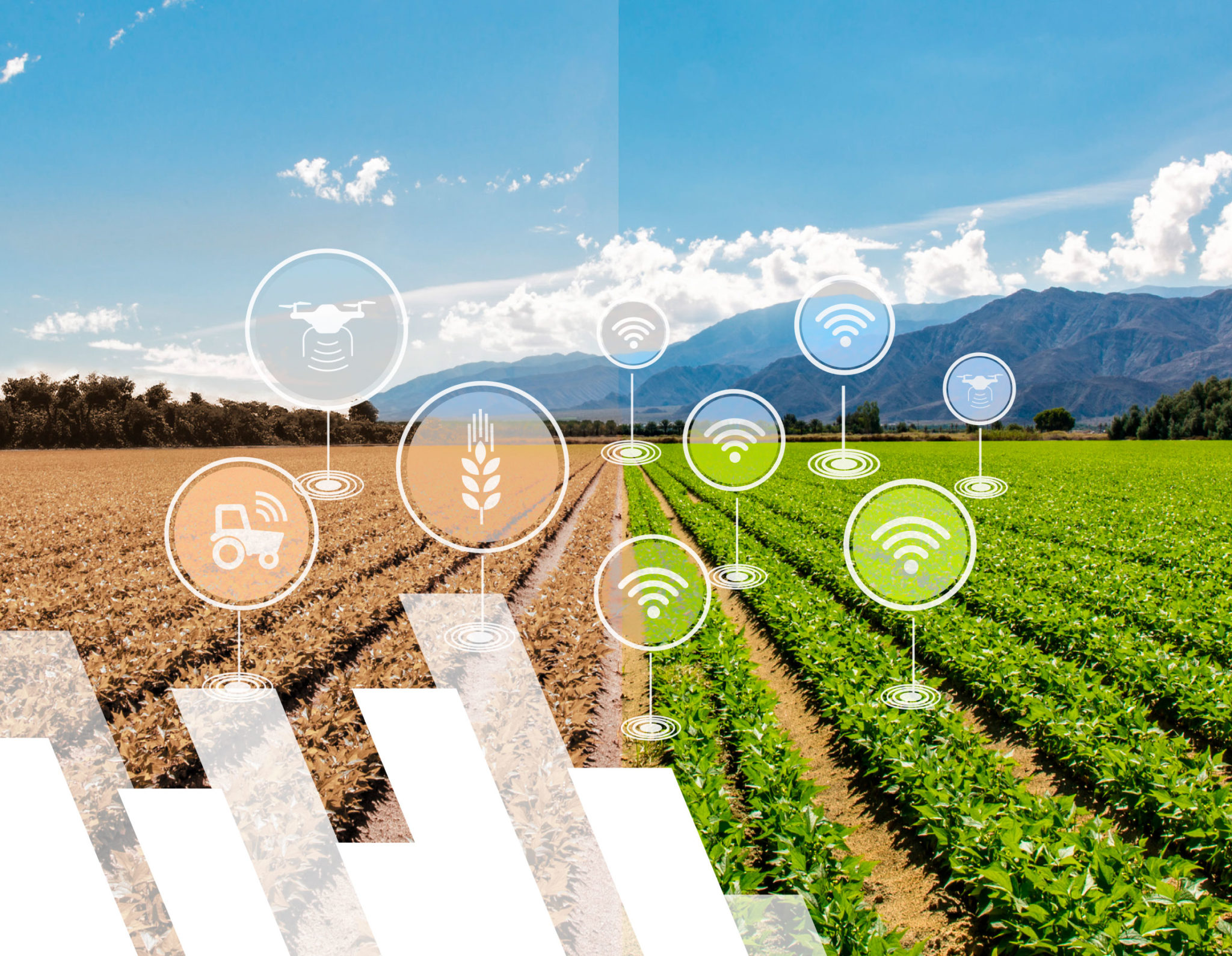

 Technological-Organizational-Institutional
Context and Objectives
The project "Technology Transfer Mechanisms and Climate Networks in Latin America and the Caribbean" has been implemented by FONTAGRO since 2014. Its objective is to promote the development of environmentally appropriate technologies that contribute to reducing greenhouse gas emissions and decreasing vulnerability to climate change in the agricultural sector. Additional objectives include the creation and strengthening of networks for environmentally rational technologies, along with their identification, training, and prioritization.
The technological development asymmetries between South America and Central America and the Caribbean are significant. In this context, and in light of the upcoming challenges in the agricultural sector over the next few decades, it is critical to understand how the development of AgriTech ventures can foster new interdisciplinary networks, products, and technological solutions that support the climate change adaptation process, with an emphasis on Central America and the Caribbean.
The study presents a state-of-the-art analysis of AgriTech innovation in the subregion (including the Dominican Republic) and its potential to generate technological solutions that serve to improve the agricultural adaptation process to climate change.
Proposed Solutions
The agricultural sector in Latin America and the Caribbean has the potential to improve food security and reduce poverty within an environmental sustainability framework. However, the tools and strategies of the past are not sufficient!
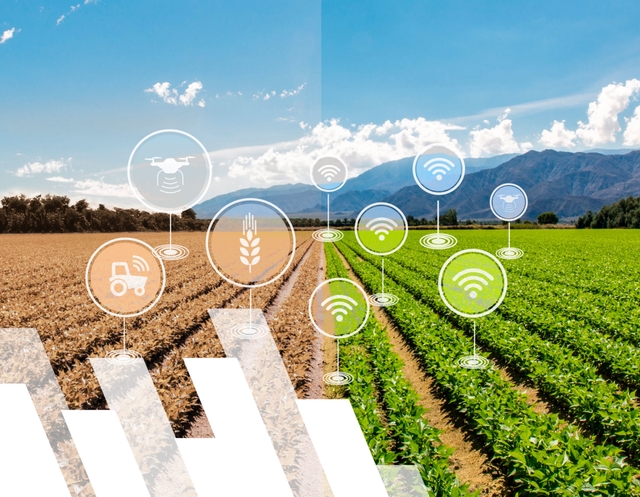
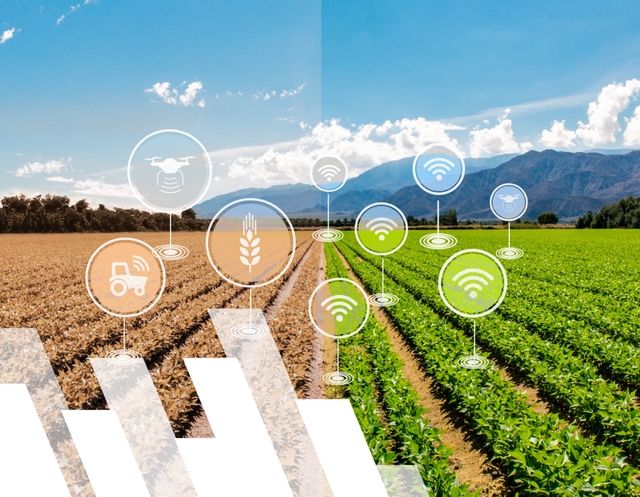
There is an increasingly broad spectrum of technological opportunities that are being progressively incorporated into agriculture and food systems. However, their adoption and application in a subregion like Central America and the Caribbean will be gradual and governed by local conditions, adaptability, and costs. The relevance of these tools derives from their constant increase in data processing capacity, versatility, and robustness. For example:
- Remote Sensors: Measurements of soils and crops over time
- Geolocation: Generation of visual representations
- Mobile Technology: Real-time climate and market information
- Internet of Things: Sensors and instruments to connect diverse information sources
- Artificial Intelligence: Predictive analytics and automation
- Big Data: Management of massive volumes of information
- Blockchain: Traceability along value chains
- Robotics: Automation of areas and processes
Main Results
The regional contrast is significant: Brazil generates 51% of ventures in the region, Argentina 21%, the Andean region 18%, but Central America and the Caribbean only 0.6%. Current innovation hotspots are concentrated in management software and producer education services; buying-selling platforms for services; big data management; and precision agriculture. In summary, there is a substantial opportunity to incorporate new ideas and tools to strengthen the sector.
The areas with the greatest transformative potential in Central America and the Caribbean are intensive crops (smart irrigation, traceability); extensive crops (varieties, biostimulants, bioproducts, processing); animal proteins (genetics, nutrition); and waste reduction in food chains.