• Go to Fontagro's X profile
  • Go to Fontagro's Instagram profile
  • Go to Fontagro's Linkedin profile
  • Go to Fontagro's Youtube profile
  • About Us
  • Governance
    • Governance
    • Our committees
  • Documents
  • News
    • News
    • Events
  • Library
  • Toolkit
Fontagro
  • Menu iconImpact
    • Projects
    • Success Cases
    • Impact Stories
  • Menu iconInitiatives
  • Menu iconDashboard
  • Menu iconPartnerships
  • Go to Fontagro's X profile
  • Go to Fontagro's Instagram profile
  • Go to Fontagro's Linkedin profile
  • Go to Fontagro's Youtube profile
Fontagro
Fontagro
  • About Us
  • Governance
    • Governance
    • Our committees
  • Documents
  • News
    • News
    • Events
  • Library
  • Toolkit
  • Menu iconImpact
    • Projects
    • Success Cases
    • Impact Stories
  • Menu iconInitiatives
  • Menu iconDashboard
  • Menu iconPartnerships
Fontagro

Innovation ecosystem for the agri-food sector in Latin America and the Caribbean

Newsletter
  • Impact
  • Initiatives
  • Dashboard
  • Partnerships
  • About Us
  • Governance
  • Documents
  • News
  • Library
  • Toolkit

Contact Us

  • E-mailfontagro@iica.int
  • LocationIICA USA - 1889 F Street, N.W., Suite 360 Washington, D.C. 20006
  • Terms, conditions and privacy policy

© 2026 Fontagro. All Rights Reserved

  • Go to Fontagro's X profile
  • Go to Fontagro's Instagram profile
  • Go to Fontagro's Linkedin profile
  • Go to Fontagro's Youtube profile
impact story image
View project

Agtech: Innovation options for climate change adaptation in Central America and the Dominican Republic

Interdisciplinary networks, new products and technological solutions, characteristic of Agrotechs, provide new options to strengthen productivity and adaptation to climate change in the regional agricultural sector.

X iconFacebook iconLinkedin icon
Summary icon

Context of the story

Asymmetries in technological development between South America and Central America and the Caribbean are significant. This study provides the state of the art of innovation in the region and its potential to develop technological solutions that impact productivity, income and adaptation to climate change. The study provides the following perspectives and recommendations: • Agrotech regional entrepreneurship processes. • Evaluation of the innovation areas with the greatest future potential in Central America and the Caribbean. • Contribution of Agrotech innovation for adaptation and mitigation of climate change in family farming.
Summary icon

What is the relevance of the Agrotech?
The Implemented Initiative

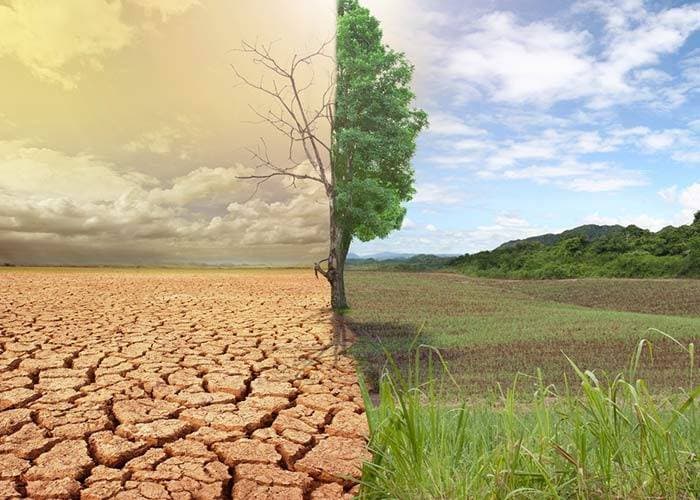
The agricultural sector in Latin America and the Caribbean has the potential to contribute to improving food security and reducing poverty, within a framework of environmental sustainability. To achieve this, the tools and strategies of the past are not enough! In the face of current and future challenges, it is critical to know, assess and validate the development of Agrotech ventures that promote - through interdisciplinary networks - new products and technological solutions that strengthen productivity and adaptation to climate change.
Inititiative image
Inititiative image
Inititiative image
Inititiative image
Inititiative image
Inititiative image
Inititiative image
Inititiative image
Inititiative image
Summary icon
Which Agrotech have the major potential?

The technological solution

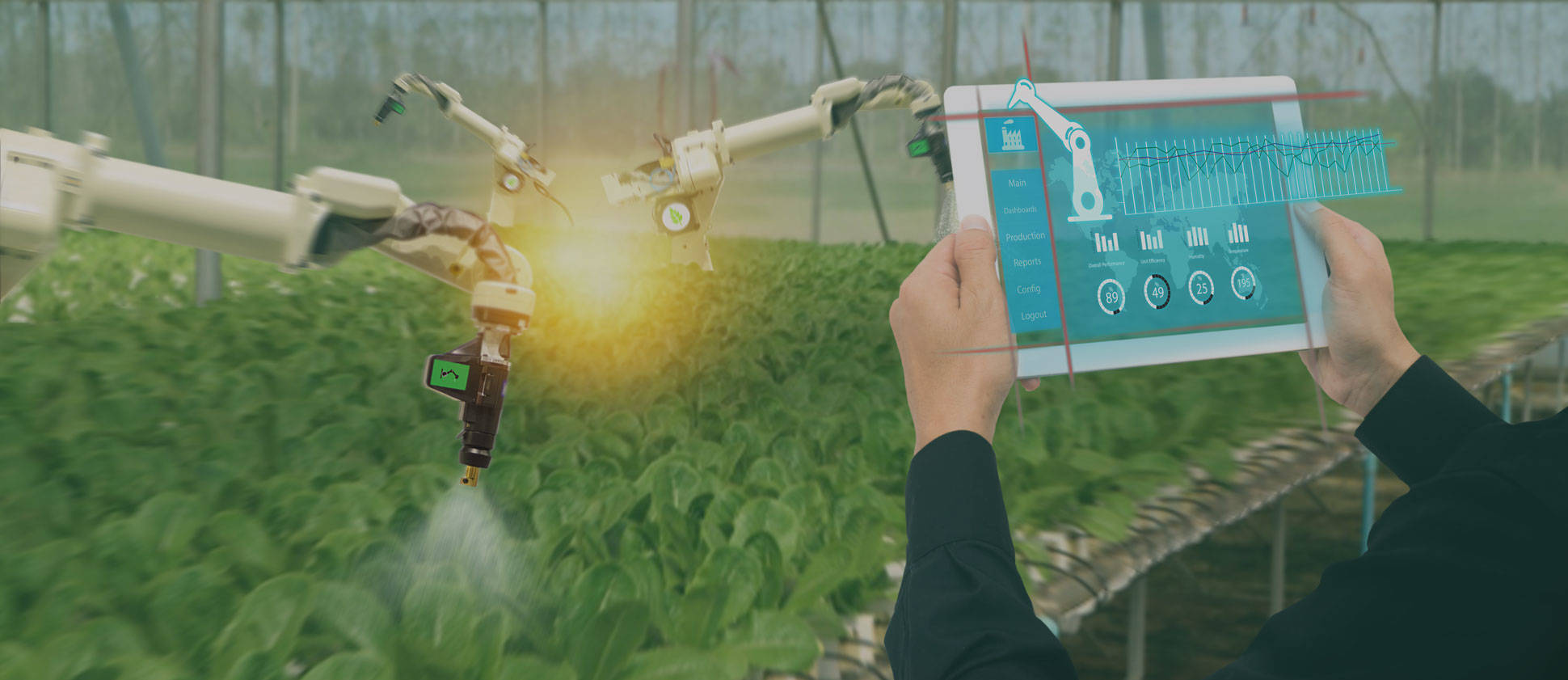
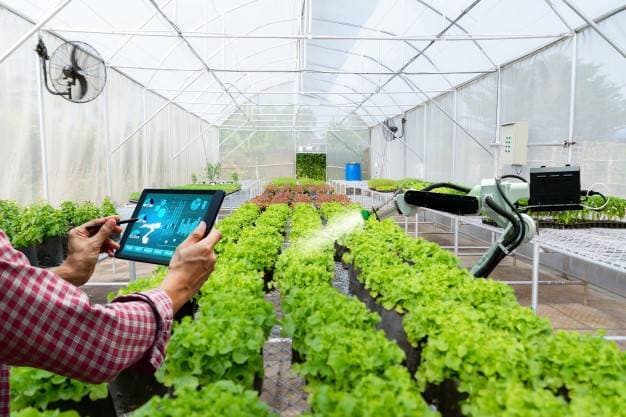
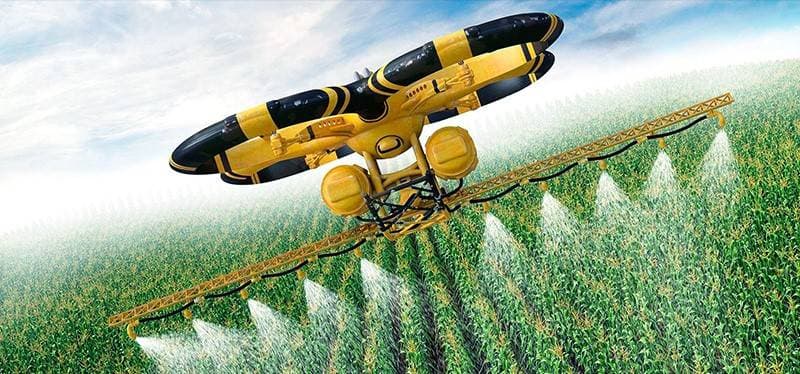
There is an increasingly wide spectrum of technological tools that are being progressively incorporated into the world of agriculture and food. Its relevance derives from its constant increase in data processing capacity, its versatility and robustness, for example: • Remote sensors: measurements of soil and crops over time. • Geolocation: generation of visual representations. • Mobile technology: real-time weather and market information. • Internet of things: sensors and instruments to link diverse sources of information. • Artificial intelligence: predictive analysis and robotization. • Big data: managing massive volumes of information. • Blockchain: traceability along value chains. • Robotics: automation of areas and processes. It is necessary to consider that these technologies must withstand environmental conditions on farms, their use in connection with animals and be able to miniaturize when they are incorporated into the different rural facilities.
Quote background
"Technological advances, cost reduction and greater adoption imply that more technologies will be added to the Agrotech regional innovation"
— Agrotech Report, 2019
Loading map...

Type of project

Capacity BuildingCapacity BuildingClimate changeClimate changeStrategy 1. Resilient farmsStrategy 1. Resilient farmsStrategy 2. Sustainables territoriesStrategy 2. Sustainables territoriesAdaptativeAdaptativeTechnological-Organizational-InstitutionalTechnological-Organizational-InstitutionalCrops, Cattle raisingCrops, Cattle raisingFamily agricultureFamily agriculturePoliciesPoliciesRural ExtensionRural ExtensionGas emissionGas emissionClimate smart agricultureClimate smart agricultureCapacity buildingCapacity building
Summary icon

Results

The incorporation and strengthening of Agrotech, particularly in regions such as Central America and the Caribbean, needs specific conditions and strategies: • Promotion of the local innovation ecosystem by incorporating relevant actors. • Validation and adoption of Agrotech technologies from other regions. • Legal simplification and incentives for the creation of new ventures. • Exploring the public role in incubation and acceleration programs. • Bringing innovations to production areas with differentiated strategies. • Strengthening the organization and association of small-scale producers. • Leveraging microcredits and Fin Tech to facilitate adoption by key stakeholders.
Summary icon

Relevant data

Agrotech innovation

to 2.07 CO2 emission range (MT / capita)
0.81
to 2.07 CO2 emission range (MT / capita)
to 9840 Range of CO2 equivalent emissions by the agricultural sector (gigagrams)
359
to 9840 Range of CO2 equivalent emissions by the agricultural sector (gigagrams)
to 60.9 Population range below the poverty line in %
20.5
to 60.9 Population range below the poverty line in %
Imagen de galería
Imagen de galería
Imagen de galería
Imagen de galería
Type of innovation

Participating Organizations

 - Paraguay

Paraguay

 - Perú

Perú

 - República Dominicana

República Dominicana

 - Uruguay

Uruguay

 - Venezuela

Venezuela

 - Global

Global

 - Argentina

Argentina

 - Bolivia

Bolivia

 - Chile

Chile

 - Colombia

Colombia

 - Costa Rica

Costa Rica

 - Ecuador

Ecuador

 - España

España

 - Honduras

Honduras

 - Nicaragua

Nicaragua

 - Panamá

Panamá

 - Paraguay

Paraguay

 - Perú

Perú

 - República Dominicana

República Dominicana

 - Uruguay

Uruguay

 - Venezuela

Venezuela

Main Donors

 - undefined
 - undefined

Project information

Learn moreProject technical specificationsProject News
Good health and well-beingIndustry, innovation and infrastructureClimate actionPartnerships for the goals
Good health and well-being
Industry, innovation and infrastructure
Climate action
Partnerships for the goals

Other Impact Stories

The Tangible Impact of Science and Technology in the Field

Story image
Sustainable management of irrigation and fertilization in quinoa
Story image
Organic production systems in the Southern Cone
Story image
Socio-ecological Resilience against Adverse Weather Conditions